Rajnath Singh to visit China to strengthen security co-operation
Rajnath Singh will arrive on a five-day visit to China for talks on a host of issues including combating cross-border terrorism as the two countries seek to step up security cooperation in the backdrop of Paris terror attacks.
By PTI | Updated:

BEIJING: Home Minister Rajnath Singh will arrive here tomorrow on a five-day visit to China for talks on a host of issues including combating cross-border terrorism as the two countries seek to step up security cooperation in the backdrop of Paris terror attacks.
Singh, the first Home Minister to visit China in about a decade, is scheduled to hold talks with Chinese officials in Beijing, the first leg of his visit that will also take him to Shanghai, China's financial hub.
He is the highest ranking Indian Minister to visit China this year after Prime Minister Narendra Modi's visit in May during which both sides agreed to deepen relations in all aspects while addressing the vexed border issue.
He will hold talks with China's Public Security Minister Guo Shengkun, who is also the State Councillor in the ruling Communist Party of China (CPC), a rank above the Minister.
Regarded as China's police chief, Guo is also head of the national anti-terrorism leading group overseeing nationwide operations against East Turkistan Islamic Movement (ETIM), an al-Qaeda backed outfit which has caused extensive violent attacks in the Uyghur Muslim majority Xinjiang and many parts of China.
Officials on both sides say Singh's visit is taking place after steady development of relations on political, economic and military fronts by both the countries.
His talks with Guo are expected to cover a host of security issues, including cross-border terrorism from Pakistan, which has emerged as a "joint source" for infiltration of militants for both India and China.
Under pressure from China, Pakistan military in recent months has carried major operations in the tribal areas where East Turkistan militants have bases.
Besides issues relating to terrorism, Singh is expected to discuss bilateral cooperation between in curbing the arms supplies to rebel groups in India's North Eastern states as well as counterfeit currency and smuggling along the borders.
The two countries also look to improve cooperation between various security agencies including the intelligence groups.
"Both sides have improved their relations to an extent that we have free and frank discussions on all contentious issues which helped to improve trust, previously lacking," an Indian official told PTI here.
Shivraj Patil was the last Indian Home Minister to visit China in 2005.
During his meeting with Defence Minister Manohar Parrikar in New Delhi yesterday, Vice Chairman of China's Central Military Commission Fan Changlong said that China opposes all forms of terrorism and vows to join the international community in fighting it, official media here reported today.
Fan is the highest ranking military official to have visited India for about a decade. He visited Pakistan before arriving in India.
Ahead of Singh's visit, the two countries held seventh counter terrorism dialogue in New Delhi during which India reportedly took up the issue of cross border infiltration of terrorists from Pakistan and its concerns over China blocking efforts UN to initiate action against Pakistan for releasing the 2008 Mumbai attack mastermind Zaki-ur-Rehman Lakhvi.
Asked about India-China terrorism cooperation, Chinese Foreign Ministry spokesman, Hong Lei told media briefing here today that in the recent counter terrorism dialogue "both sides exchanged views on situation faced at the international and regional levels and views of counter terrorism and respective concerns about anti terrorism as well as bilateral cooperation in this this regard".
"Both sides believe that situation of the counter terrorism is very serious and complex and we should first enhance communication and exchanges in this regard to jointly uphold the security and stability in the region," he said.
For its part, China is expected to push for its high speed train technology in India.
China is currently carrying out feasibility study for the New Delhi-Chennai corridor, while Japan is working on a similar report on Mumbai-Ahmedabad corridor.
Singh, the first Home Minister to visit China in about a decade, is scheduled to hold talks with Chinese officials in Beijing, the first leg of his visit that will also take him to Shanghai, China's financial hub.
He is the highest ranking Indian Minister to visit China this year after Prime Minister Narendra Modi's visit in May during which both sides agreed to deepen relations in all aspects while addressing the vexed border issue.
He will hold talks with China's Public Security Minister Guo Shengkun, who is also the State Councillor in the ruling Communist Party of China (CPC), a rank above the Minister.
Regarded as China's police chief, Guo is also head of the national anti-terrorism leading group overseeing nationwide operations against East Turkistan Islamic Movement (ETIM), an al-Qaeda backed outfit which has caused extensive violent attacks in the Uyghur Muslim majority Xinjiang and many parts of China.
Officials on both sides say Singh's visit is taking place after steady development of relations on political, economic and military fronts by both the countries.
ADVERTISEMENT
His talks with Guo are expected to cover a host of security issues, including cross-border terrorism from Pakistan, which has emerged as a "joint source" for infiltration of militants for both India and China.
Under pressure from China, Pakistan military in recent months has carried major operations in the tribal areas where East Turkistan militants have bases.
Besides issues relating to terrorism, Singh is expected to discuss bilateral cooperation between in curbing the arms supplies to rebel groups in India's North Eastern states as well as counterfeit currency and smuggling along the borders.
The two countries also look to improve cooperation between various security agencies including the intelligence groups.
ADVERTISEMENT
"Both sides have improved their relations to an extent that we have free and frank discussions on all contentious issues which helped to improve trust, previously lacking," an Indian official told PTI here.
Shivraj Patil was the last Indian Home Minister to visit China in 2005.
ADVERTISEMENT
During his meeting with Defence Minister Manohar Parrikar in New Delhi yesterday, Vice Chairman of China's Central Military Commission Fan Changlong said that China opposes all forms of terrorism and vows to join the international community in fighting it, official media here reported today.
Fan is the highest ranking military official to have visited India for about a decade. He visited Pakistan before arriving in India.
Ahead of Singh's visit, the two countries held seventh counter terrorism dialogue in New Delhi during which India reportedly took up the issue of cross border infiltration of terrorists from Pakistan and its concerns over China blocking efforts UN to initiate action against Pakistan for releasing the 2008 Mumbai attack mastermind Zaki-ur-Rehman Lakhvi.
Asked about India-China terrorism cooperation, Chinese Foreign Ministry spokesman, Hong Lei told media briefing here today that in the recent counter terrorism dialogue "both sides exchanged views on situation faced at the international and regional levels and views of counter terrorism and respective concerns about anti terrorism as well as bilateral cooperation in this this regard".
"Both sides believe that situation of the counter terrorism is very serious and complex and we should first enhance communication and exchanges in this regard to jointly uphold the security and stability in the region," he said.
For its part, China is expected to push for its high speed train technology in India.
China is currently carrying out feasibility study for the New Delhi-Chennai corridor, while Japan is working on a similar report on Mumbai-Ahmedabad corridor.
Download
The Economic Times Business News App for the Latest News in Business, Sensex, Stock Market Updates & More.
The Economic Times Business News App for the Latest News in Business, Sensex, Stock Market Updates & More.
Download
The Economic Times News App for Quarterly Results, Latest News in ITR, Business, Share Market, Live Sensex News & More.
The Economic Times News App for Quarterly Results, Latest News in ITR, Business, Share Market, Live Sensex News & More.
Related Articles
 Northeast not just a geographical boundary but a vital pillar of India's security, strategic power: Rajnath Singh2026-06-20T16:46:17Z
- India's defence output hits ₹1.78 lakh crore: Rajnath Singh pushes self-reliance to stay future-ready2026-06-19T18:50:08Z
- Rajnath Singh performs Bhoomi Pujan for 10,000-ton aluminium extrusion press, stresses defence self-reliance2026-06-19T10:25:06Z
Economictimes.com & Agencies
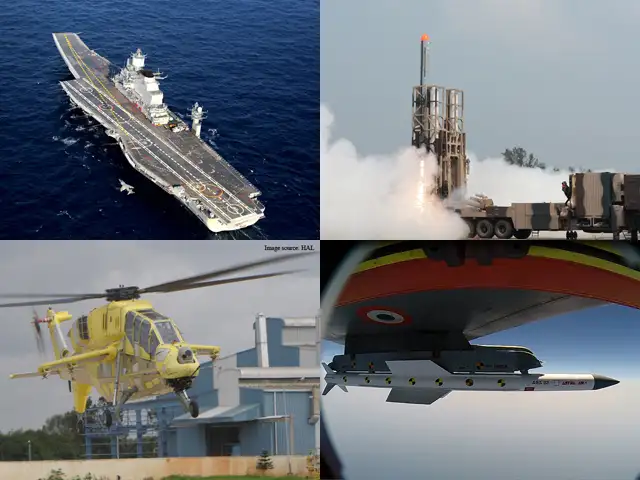
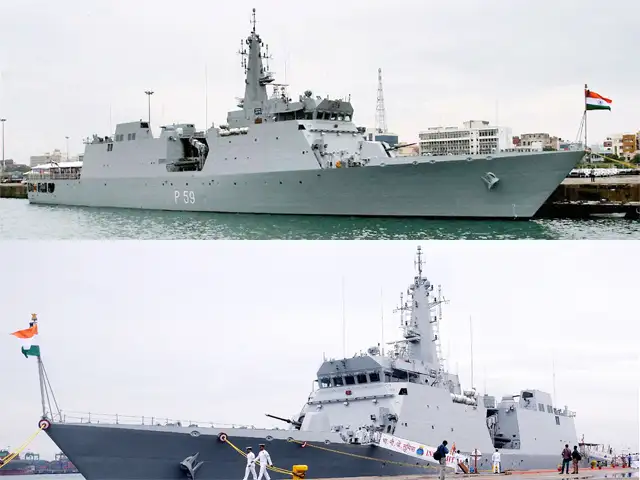
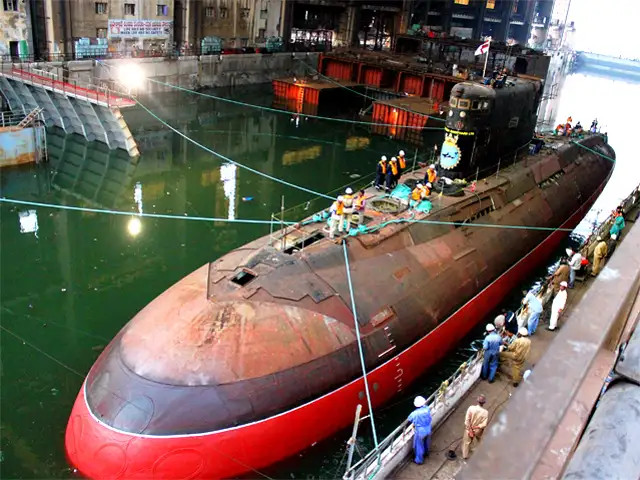
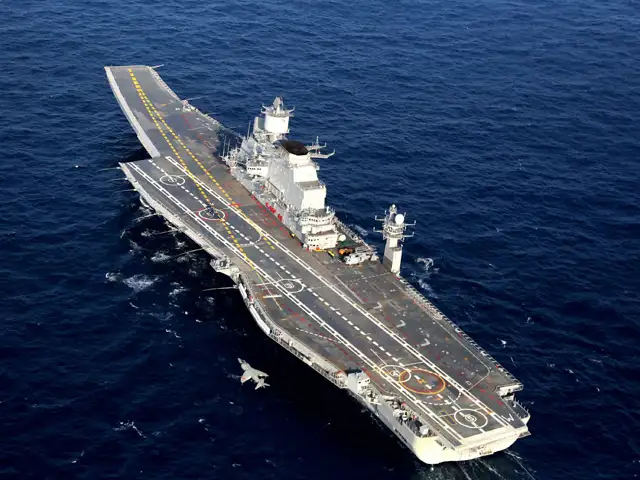
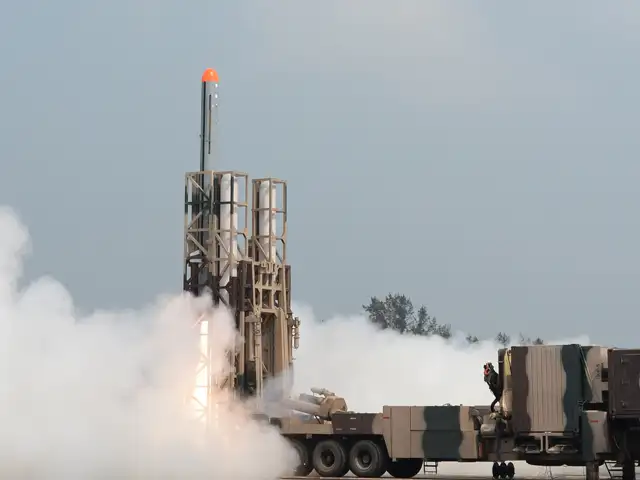
The need to have robust defence capabilities in today's day and age cannot be overstated. India has been aggressively pushing to enhance its ability to deter attacks and up its defence prowess.
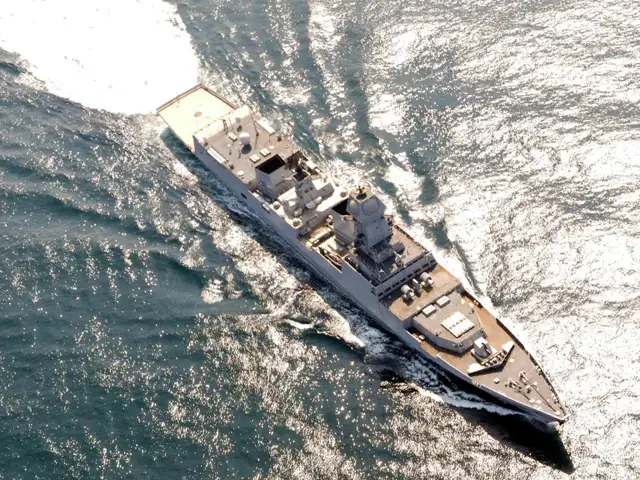
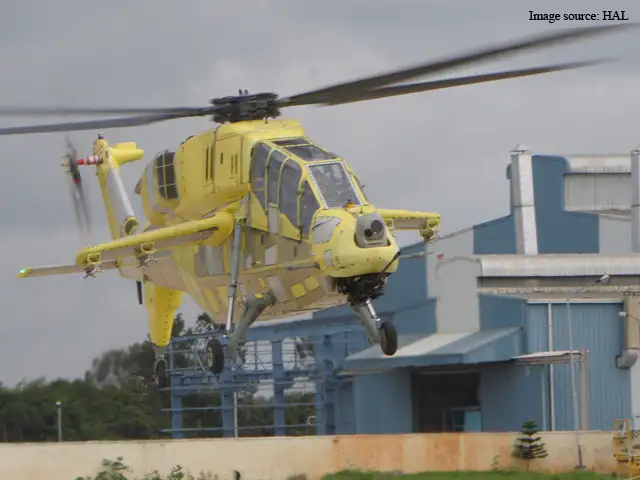
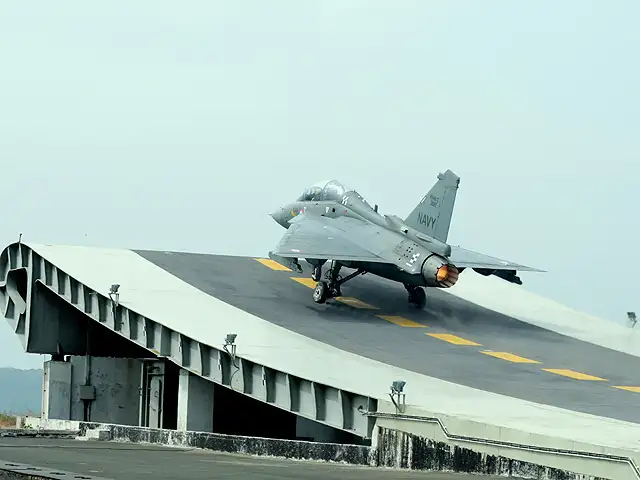
2014 saw multiple steps being taken in that direction and India saw many new additions to its defence fleet. We take a look at eight achievements that deserve a special mention:
The need to have robust defence capabilities in today's day and age cannot be overstated. India has been aggressively pushing to enhance its ability to deter attacks and up its defence prowess.
2014 saw multiple steps being taken in that direction and India saw many new additions to its defence fleet. We take a look at eight achievements that deserve a special mention:


ADVERTISEMENT


