Project to build new, improved version of ‘Tejas’ fighter may be given to private sector
Frustrated by persistent delays that have dogged the LCA programme, govt is considering handing over the project to the private sector.
By Manu Pubby, ET Bureau | Updated:

NEW DELHI: Frustrated by the persistent delays and design flaws that have dogged the Light Combat Aircraft, or LCA, programme, the government is seriously considering whether to hand over the project to build a new, improved version of the ‘ Tejas’ indigenous fighter plane to the private sector for timebound and efficient execution.
Sources said discussions have taken place in the top echelons of the government on the best ways to inject urgency into the Tejas programme, possibly even with the involvement of a private sector player that would be clearly incentivised to deliver a new aircraft on time and within budget.
Should such a move fructify, it would mean a radical departure in the long-prevalent approach that only state-run firms could undertake strategic programmes of this nature.
Follow @ETDefence Twitter handle for comprehensive coverage on other buzzing Defence stories
This thinking, independent experts say, is yet to give the country a combat-ready modern fighter despite being in the works for more than three decades. At stake for private sector participants is a potential order for more than 160 improved Tejas Mk II fighters that the Indian Air Force desperately needs to plug vital operational gaps and which top echelons of the government increasingly feel the state-run agencies involved in the LCA – Hindustan Aeronautics Ltd (HAL) and the defence ministry’s Aeronautical Development Agency (ADA) – do not simply have the capacity to meet.
“It is very clear that the LCA program cannot be allowed to go on as it is. There are not enough resources available to complete the project in the timeline required. A private company would be accountable and would invest in the project,” a senior official aware of the government’s thinking told ET. This person requested anonymity because of the extremely sensitive nature of the topic. A defence ministry spokesperson said he was not in a position to immediately comment. Officials at DRDO were not available for comment. HAL officials said they were unaware of the discussions.
While the contours of the plan are still being discussed, one thinking is that the Indian private entity selected could take on an international collaborator to redesign the fighter with a new power plant and reduced weight and would be responsible for the timely delivery of the aircraft. Another proposal doing the rounds suggests the setting up of a special purpose vehicle for the project in which DRDO and HAL, the entities now responsible for the LCA, could be partners along with the private sector. A foreign collaborator could also be a part of this.
EXPORT POTENTIAL
“An improved version of the fighter that meets air force requirements would also have a good export potential. The numbers could go up significantly if India promotes it in and around the region as an affordable fighter,” another official said. An order of such a magnitude, with each fighter costing a few hundreds of cores of rupees, could pitchfork the Indian private sector player into the global league of military aircraft makers, boost domestic aviation technology capabilities and help with the government’s ‘Make in India’ cause.
The Narendra Modi government has sought to rope in the private sector into defence manufacturing in a big way, clearing a record number of defence manufacturing permits and increasing the foreign investment limit in the sector to 49% and even up to 100% in select cases. The LCA was conceived in the early 1980s as an aircraft that would replace the Russia-made MIG 21, which for long was the training and combat bulwark of the Indian Air Force. But three decades on, the air force is still to get even a single squadron of these indigenously produced fighters. In contrast, both China and Pakistan have squadrons of indigenously developed fighter aircraft. China in fact has two new projects for fifth generation fighters, with both planes already in test flying stage. Pakistan has an operational indigenously built fighter jet – the JF 17 that was developed through Chinese assistance.
The LCA too has had its share of international help. European conglomerate EADS has assisted in the past on the project. The government is also considering a proposal by Sweden’s Saab to help the LCA’s development – Saab’s fighter Gripen is very similar to the LCA. Despite being more than three decades old, the first of the Tejas fighters was inducted into the air force only last year. While an order for 40 aircraft has been placed, the fighter is still not combat worthy and is expected to receive operational clearance only by the end of this year.
However, even after the clearance, the LCA will not meet the new requirement of the air force, necessitating a Mk II version that would be on par with modern standards. In a recent audit of the LCA program, national auditor CAG had pointed out several deficiencies in the fighter. Its report said that the LCA does not meet air force specifications, is unsafe for pilots and not combat ready. The CAG has listed increased weight, reduced fuel capability, non-compliance of pilot safety norms and reduced speed as some of the critical deficiencies in the aircraft. It also said the fighter had has reduced operational capabilities and survivability which throws questions on its employability in combat.
Sources said discussions have taken place in the top echelons of the government on the best ways to inject urgency into the Tejas programme, possibly even with the involvement of a private sector player that would be clearly incentivised to deliver a new aircraft on time and within budget.
Should such a move fructify, it would mean a radical departure in the long-prevalent approach that only state-run firms could undertake strategic programmes of this nature.
Follow @ETDefence Twitter handle for comprehensive coverage on other buzzing Defence stories
This thinking, independent experts say, is yet to give the country a combat-ready modern fighter despite being in the works for more than three decades. At stake for private sector participants is a potential order for more than 160 improved Tejas Mk II fighters that the Indian Air Force desperately needs to plug vital operational gaps and which top echelons of the government increasingly feel the state-run agencies involved in the LCA – Hindustan Aeronautics Ltd (HAL) and the defence ministry’s Aeronautical Development Agency (ADA) – do not simply have the capacity to meet.
ADVERTISEMENT
“It is very clear that the LCA program cannot be allowed to go on as it is. There are not enough resources available to complete the project in the timeline required. A private company would be accountable and would invest in the project,” a senior official aware of the government’s thinking told ET. This person requested anonymity because of the extremely sensitive nature of the topic. A defence ministry spokesperson said he was not in a position to immediately comment. Officials at DRDO were not available for comment. HAL officials said they were unaware of the discussions.
While the contours of the plan are still being discussed, one thinking is that the Indian private entity selected could take on an international collaborator to redesign the fighter with a new power plant and reduced weight and would be responsible for the timely delivery of the aircraft. Another proposal doing the rounds suggests the setting up of a special purpose vehicle for the project in which DRDO and HAL, the entities now responsible for the LCA, could be partners along with the private sector. A foreign collaborator could also be a part of this.
EXPORT POTENTIAL
ADVERTISEMENT
“An improved version of the fighter that meets air force requirements would also have a good export potential. The numbers could go up significantly if India promotes it in and around the region as an affordable fighter,” another official said. An order of such a magnitude, with each fighter costing a few hundreds of cores of rupees, could pitchfork the Indian private sector player into the global league of military aircraft makers, boost domestic aviation technology capabilities and help with the government’s ‘Make in India’ cause.
The Narendra Modi government has sought to rope in the private sector into defence manufacturing in a big way, clearing a record number of defence manufacturing permits and increasing the foreign investment limit in the sector to 49% and even up to 100% in select cases. The LCA was conceived in the early 1980s as an aircraft that would replace the Russia-made MIG 21, which for long was the training and combat bulwark of the Indian Air Force. But three decades on, the air force is still to get even a single squadron of these indigenously produced fighters. In contrast, both China and Pakistan have squadrons of indigenously developed fighter aircraft. China in fact has two new projects for fifth generation fighters, with both planes already in test flying stage. Pakistan has an operational indigenously built fighter jet – the JF 17 that was developed through Chinese assistance.
ADVERTISEMENT
The LCA too has had its share of international help. European conglomerate EADS has assisted in the past on the project. The government is also considering a proposal by Sweden’s Saab to help the LCA’s development – Saab’s fighter Gripen is very similar to the LCA. Despite being more than three decades old, the first of the Tejas fighters was inducted into the air force only last year. While an order for 40 aircraft has been placed, the fighter is still not combat worthy and is expected to receive operational clearance only by the end of this year.
However, even after the clearance, the LCA will not meet the new requirement of the air force, necessitating a Mk II version that would be on par with modern standards. In a recent audit of the LCA program, national auditor CAG had pointed out several deficiencies in the fighter. Its report said that the LCA does not meet air force specifications, is unsafe for pilots and not combat ready. The CAG has listed increased weight, reduced fuel capability, non-compliance of pilot safety norms and reduced speed as some of the critical deficiencies in the aircraft. It also said the fighter had has reduced operational capabilities and survivability which throws questions on its employability in combat.
Download
The Economic Times Business News App for the Latest News in Business, Sensex, Stock Market Updates & More.
The Economic Times Business News App for the Latest News in Business, Sensex, Stock Market Updates & More.
Download
The Economic Times News App for Quarterly Results, Latest News in ITR, Business, Share Market, Live Sensex News & More.
The Economic Times News App for Quarterly Results, Latest News in ITR, Business, Share Market, Live Sensex News & More.
Related Articles
 India’s MSMEs are no longer digitising for compliance alone: Tally’s Tejas Goenka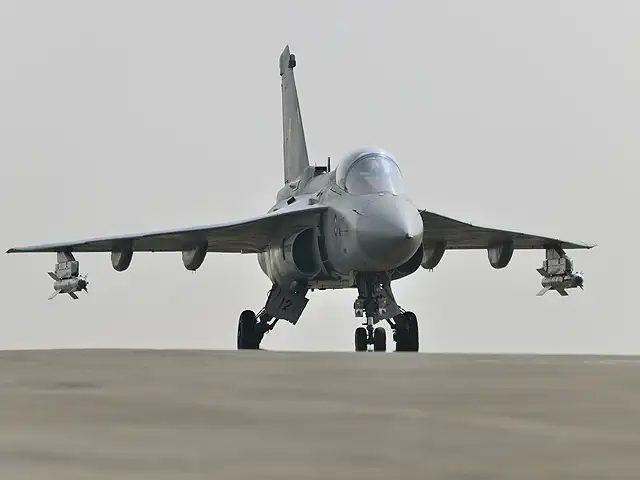
Economictimes.com; Smriti Jain & Tarun Bhardwaj
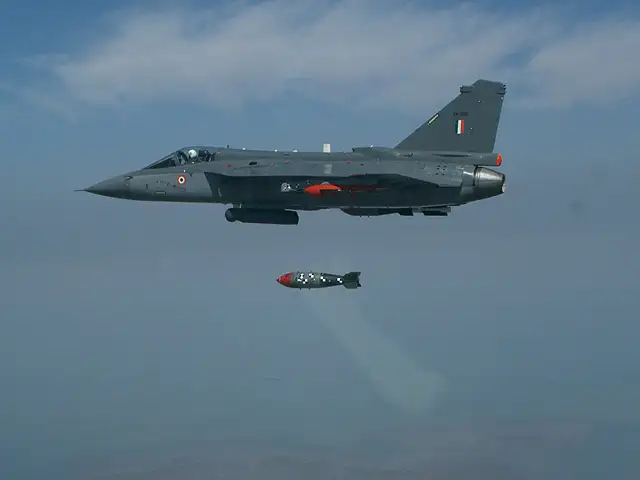
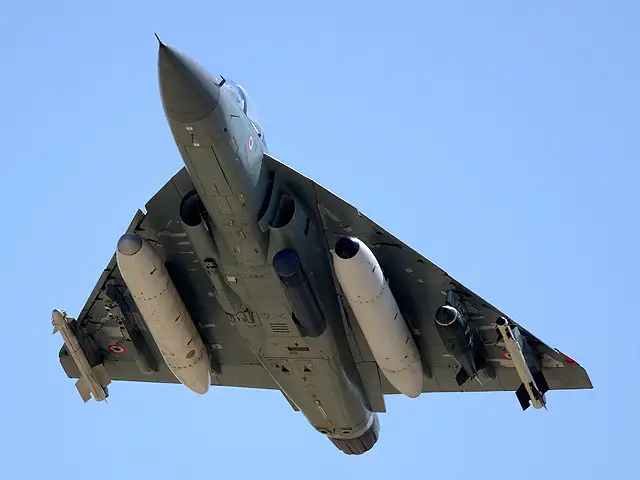
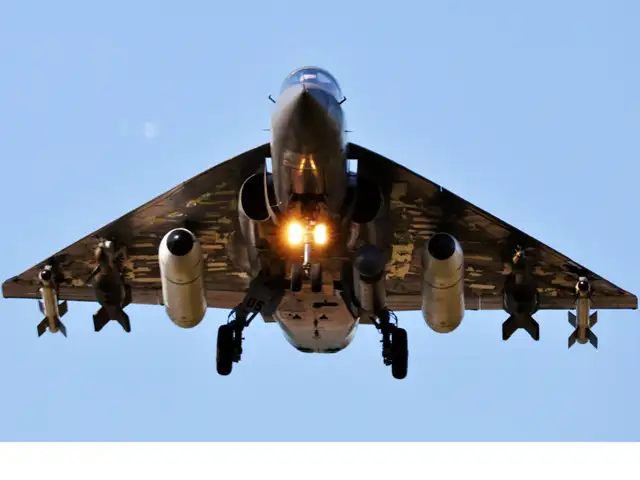
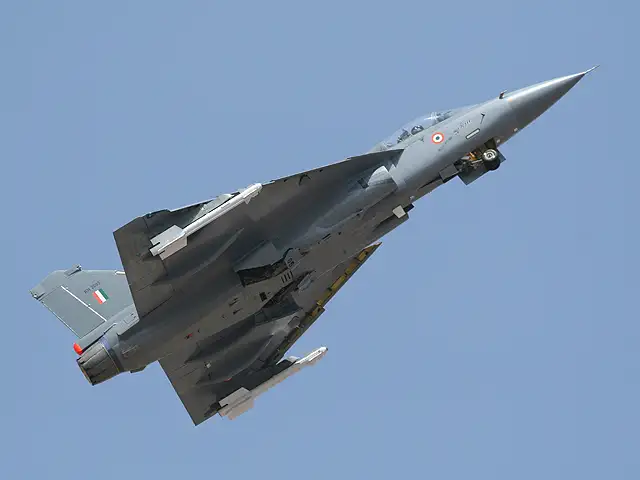
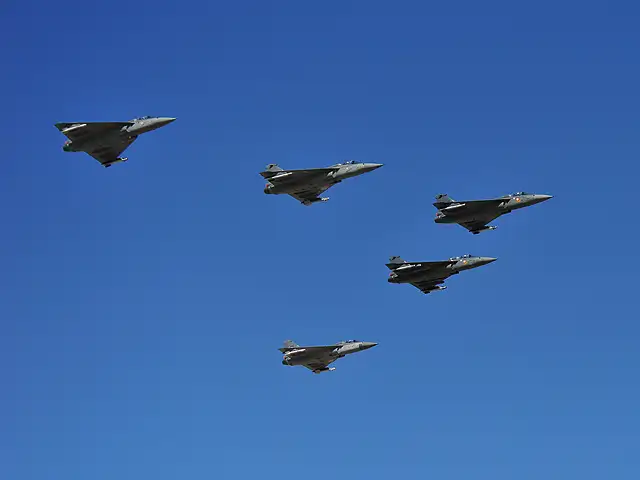
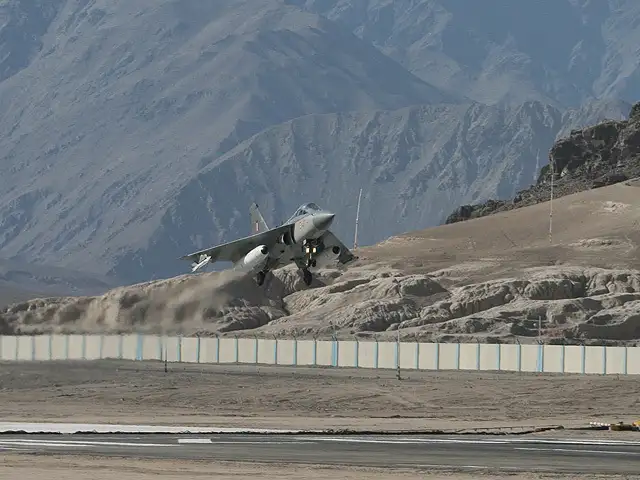
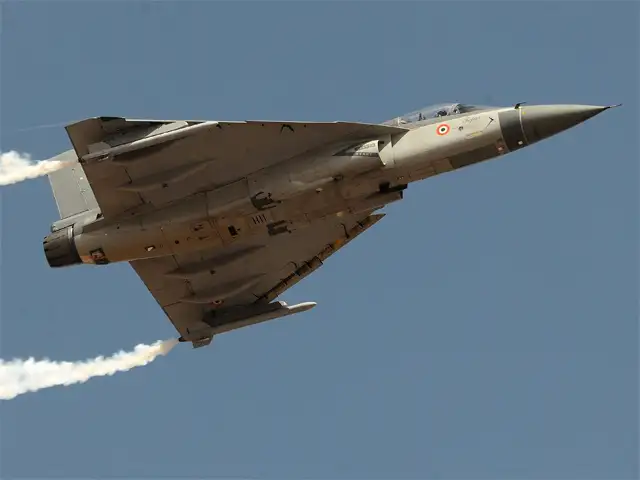
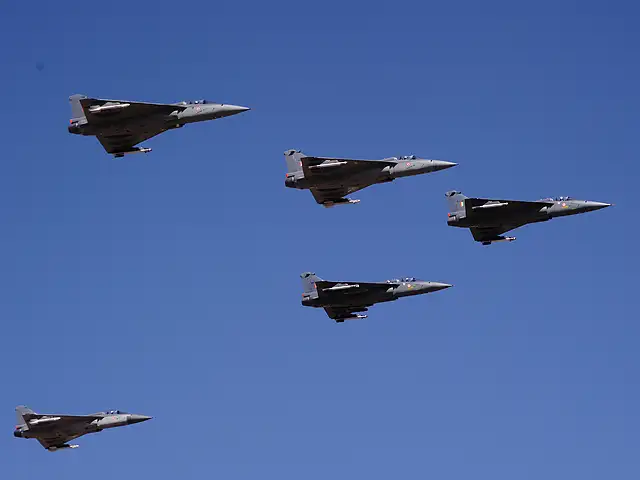
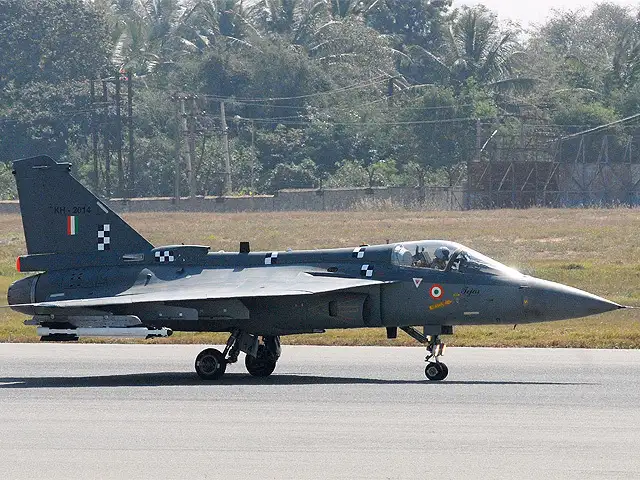
Tejas, India's first indigenous Light Combat Aircraft (LCA), which is all set to replace the MiG-21 series, is a result of several years of design and development work from the DRDO.
What's special about India's own LCA? How does it rate on the global scale? We take a look at some lesser-known salient facts about the Tejas that set it apart from those in its league....Also watch Tejas in action towards the end of the slideshow:
Tejas, India's first indigenous Light Combat Aircraft (LCA), which is all set to replace the MiG-21 series, is a result of several years of design and development work from the DRDO.
What's special about India's own LCA? How does it rate on the global scale? We take a look at some lesser-known salient facts about the Tejas that set it apart from those in its league....Also watch Tejas in action towards the end of the slideshow:

ADVERTISEMENT


