No cameras on hot air balloons, government bringing rules
In the age of Google Earth where close-up aerial shots of any location are online, you would not be able to take your camera along for panoramic shots.
By Aman Sharma, ET Bureau | Updated:

NEW DELHI: In the age of Google Earth where close-up aerial shots of any location are online, you would not be able to take your camera along for panoramic shots from a hot air balloon or a powered hand-glider soon if the government has its way.
There will be strict punishment for carrying any photography or video equipment, explosives or weapons on board hot air balloons, powered hand-gliders and micro-light aircraft as part of new guidelines to be firmed up by next month in wake of serious terror threats from such low-flying objects.
These guidelines are in the works since 2013 after the Indian Air Force had warned that there are nearly 325 airstrips in the country from where para-gliders can be launched and the same are not detectable by radar and can only be monitored by the naked eye, leading to possibility of them being misused for terror activity.
The Centre, after much back-and-forth on the issue, is facing a deadline of October 5 in Delhi High Court when a petition is to be heard from a person awaiting a license for 5 years in anticipation of guidelines for operating hand-gliders. The deliberations first started on regulating the sector in 2013 following an Intelligence Bureau input that LeT had acquired para gliding equipments to carry out terror acts in India and the IAF warning that equipments of adventure flying were easily available online and the gliders usually have a range of about 10 kilometers and can fly at about 5000 feet.
The Home Ministry has not been giving any security clearances since 2010 for procurement of power-gliders referred by the DGCA in absence of clear guidelines being framed for regulation of adventure flying activities. MHA wants the areas of operation and flying of such objects to be notified away from sensitive installations, operator to submit his flying details each time to the concerned district magistrate, maintain proper log books and strict punishments for violations under the Aircraft Act, 1934.
“In case someone intends to use such machines for terrorists activities, the reaction time available with the security agencies to neutralize the threat would be very limited,” as per minutes of a meeting on the subject and asking for urgency in addressing such security concerns arising out of adventure flying in states like Uttarakhand, Himachal Pradesh and Meghalaya. Adventure flying is already banned in Jammu & Kashmir and Delhi. The government’s concern also flows out of airspace violations by such adventure flying equipment which could endanger the safety of aircraft operations.
There will be strict punishment for carrying any photography or video equipment, explosives or weapons on board hot air balloons, powered hand-gliders and micro-light aircraft as part of new guidelines to be firmed up by next month in wake of serious terror threats from such low-flying objects.
These guidelines are in the works since 2013 after the Indian Air Force had warned that there are nearly 325 airstrips in the country from where para-gliders can be launched and the same are not detectable by radar and can only be monitored by the naked eye, leading to possibility of them being misused for terror activity.
The Centre, after much back-and-forth on the issue, is facing a deadline of October 5 in Delhi High Court when a petition is to be heard from a person awaiting a license for 5 years in anticipation of guidelines for operating hand-gliders. The deliberations first started on regulating the sector in 2013 following an Intelligence Bureau input that LeT had acquired para gliding equipments to carry out terror acts in India and the IAF warning that equipments of adventure flying were easily available online and the gliders usually have a range of about 10 kilometers and can fly at about 5000 feet.
The Home Ministry has not been giving any security clearances since 2010 for procurement of power-gliders referred by the DGCA in absence of clear guidelines being framed for regulation of adventure flying activities. MHA wants the areas of operation and flying of such objects to be notified away from sensitive installations, operator to submit his flying details each time to the concerned district magistrate, maintain proper log books and strict punishments for violations under the Aircraft Act, 1934.
“In case someone intends to use such machines for terrorists activities, the reaction time available with the security agencies to neutralize the threat would be very limited,” as per minutes of a meeting on the subject and asking for urgency in addressing such security concerns arising out of adventure flying in states like Uttarakhand, Himachal Pradesh and Meghalaya. Adventure flying is already banned in Jammu & Kashmir and Delhi. The government’s concern also flows out of airspace violations by such adventure flying equipment which could endanger the safety of aircraft operations.
Download
The Economic Times Business News App for the Latest News in Business, Sensex, Stock Market Updates & More.
The Economic Times Business News App for the Latest News in Business, Sensex, Stock Market Updates & More.
Download
The Economic Times News App for Quarterly Results, Latest News in ITR, Business, Share Market, Live Sensex News & More.
The Economic Times News App for Quarterly Results, Latest News in ITR, Business, Share Market, Live Sensex News & More.
Related Articles
 Delhi set to open hot-air balloon rides this weekend2025-11-25T15:38:58Z
- Soon, you will be able to enjoy hot air balloon rides in Delhi; Check locations, price, other details2025-07-31T14:31:45Z
- 8 killed in Brazil hot air balloon accident, survivors receive treatment; probe launched to ascertain cause2025-06-21T18:39:37Z
Economictimes.com & Agencies
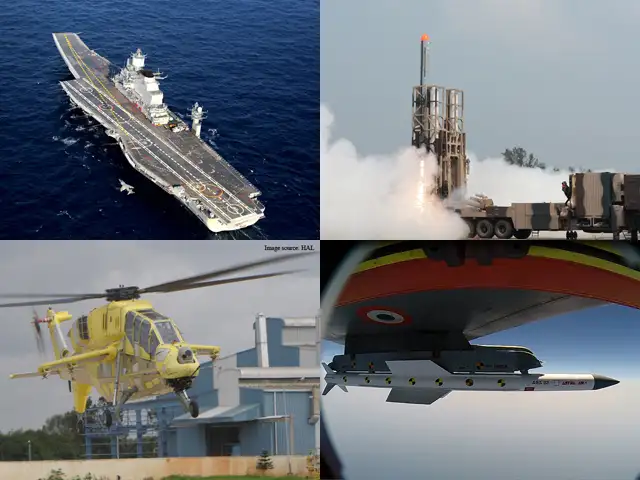
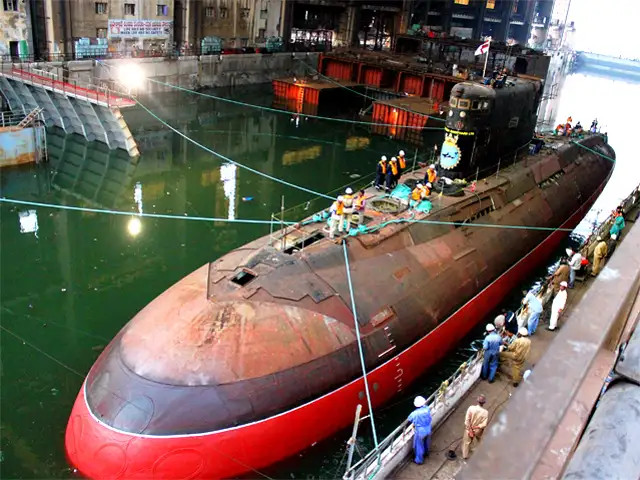
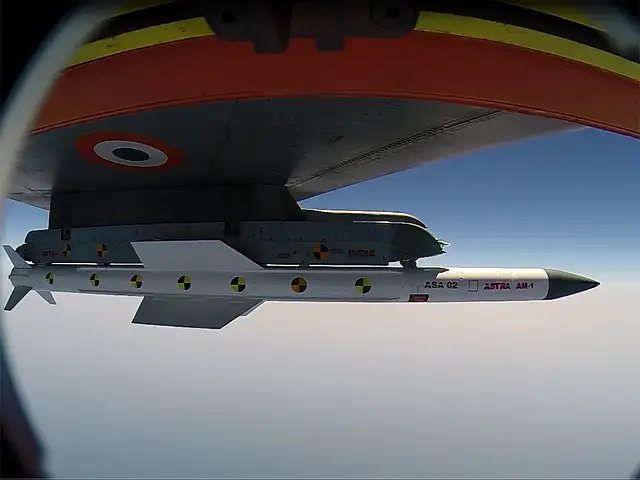
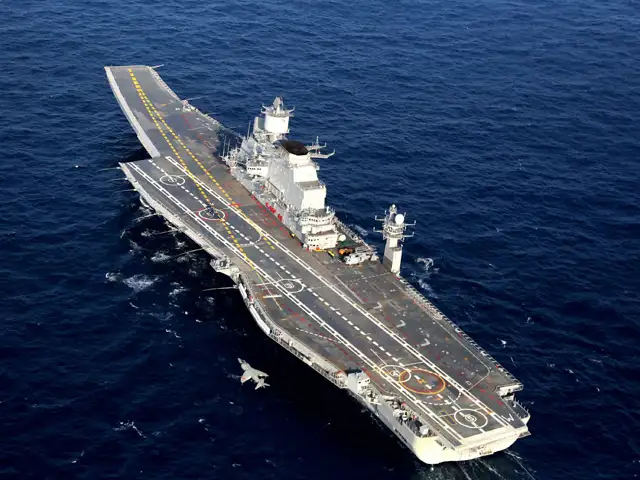
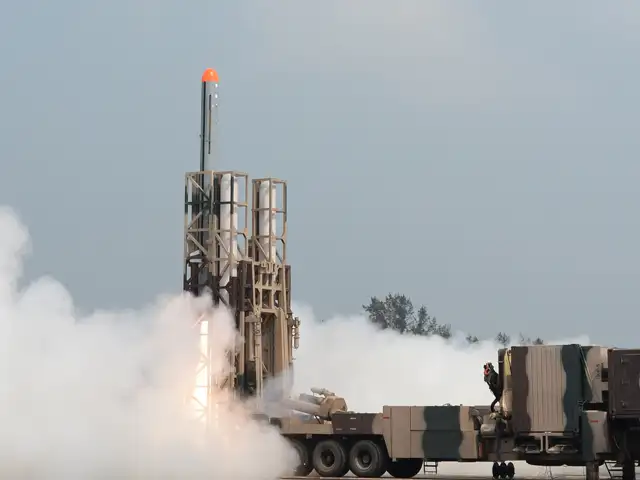
The need to have robust defence capabilities in today's day and age cannot be overstated. India has been aggressively pushing to enhance its ability to deter attacks and up its defence prowess.
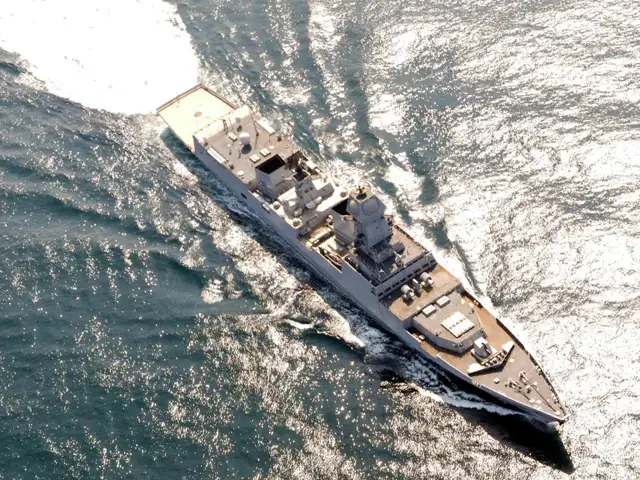
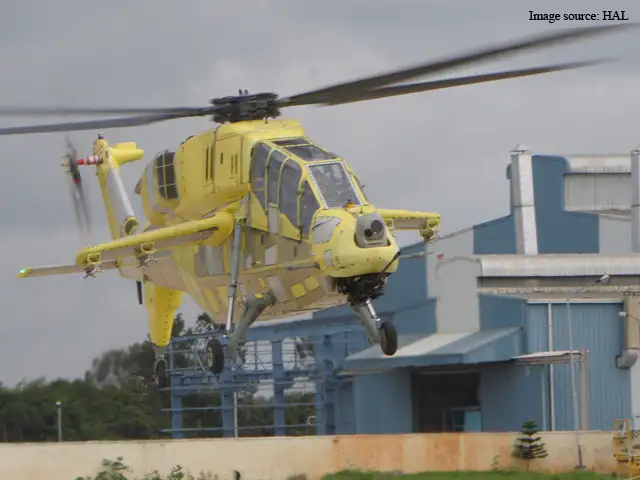
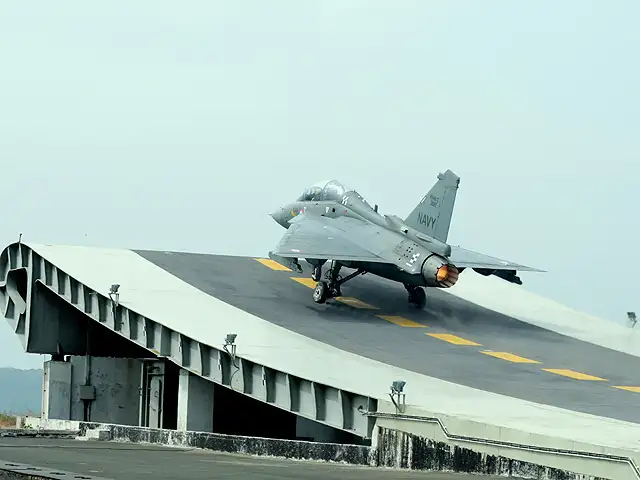
2014 saw multiple steps being taken in that direction and India saw many new additions to its defence fleet. We take a look at eight achievements that deserve a special mention:
The need to have robust defence capabilities in today's day and age cannot be overstated. India has been aggressively pushing to enhance its ability to deter attacks and up its defence prowess.
2014 saw multiple steps being taken in that direction and India saw many new additions to its defence fleet. We take a look at eight achievements that deserve a special mention:


ADVERTISEMENT


