Need more aerospace resources to push India on global map: DRDO official
Tamilmani was speaking at the national seminar on "Indigenous Technology Base for Growth of Aerospace Ecosystem", organised by HAL.
By PTI | Updated:

BENGALURU: A top Defence Research and Development Organisation ( DRDO)official today stressed the need to establish aerospace facilities that will place India on the global arena.
"Although we are engineering many technologies for bigger platforms, we need to establish aerospace facilities that will place India on the global arena," DRDO Director General (Aeronautical Systems) K Tamilmani said.
Tamilmani was speaking at the national seminar on " Indigenous Technology Base for Growth of Aerospace Ecosystem", organised by Hindustan Aeronautics Limited as part of its 75-year celebrations here, according to an HAL release.
In pic: Mr. Ajay Shankar releases Compendium on "Indigenous Technology Base for Growth of Aerospace Ecosystem" at Dr V M Ghatge Convention Centre, Bengaluru on November 28, 2015 in the presence of CMD HAL, Mr T Suvarna Raju and others.
Ajay Shankar, Chairman Expert Committee on Regulatory Approvals, Department of Industrial Policy and Promotion ( DIPP), complimented HAL on the occasion.
"Aerospace is the frontier technology and we have acquired core strength of system design and system integration in the past three decades. We have the ability to innovate things and we could have the enormous success that we are capable of achieving", Shankar said.
A compendium, comprising selected papers from various institutions, was released on the occasion, and 50 papers were received from various participants under the general themes of design, innovations in manufacturing/production, analytical approach, certification, quality and aerospace ecosystem development, HAL said.
"Although we are engineering many technologies for bigger platforms, we need to establish aerospace facilities that will place India on the global arena," DRDO Director General (Aeronautical Systems) K Tamilmani said.
Tamilmani was speaking at the national seminar on " Indigenous Technology Base for Growth of Aerospace Ecosystem", organised by Hindustan Aeronautics Limited as part of its 75-year celebrations here, according to an HAL release.
In pic: Mr. Ajay Shankar releases Compendium on "Indigenous Technology Base for Growth of Aerospace Ecosystem" at Dr V M Ghatge Convention Centre, Bengaluru on November 28, 2015 in the presence of CMD HAL, Mr T Suvarna Raju and others.
ADVERTISEMENT
HAL CMD T Suvarna Raju said : "It is our constant endeavour to lead the sector in providing collaborative support to the aerospace community and creating an ecosystem for aviation technology."Ajay Shankar, Chairman Expert Committee on Regulatory Approvals, Department of Industrial Policy and Promotion ( DIPP), complimented HAL on the occasion.
"Aerospace is the frontier technology and we have acquired core strength of system design and system integration in the past three decades. We have the ability to innovate things and we could have the enormous success that we are capable of achieving", Shankar said.
A compendium, comprising selected papers from various institutions, was released on the occasion, and 50 papers were received from various participants under the general themes of design, innovations in manufacturing/production, analytical approach, certification, quality and aerospace ecosystem development, HAL said.
Download
The Economic Times Business News App for the Latest News in Business, Sensex, Stock Market Updates & More.
The Economic Times Business News App for the Latest News in Business, Sensex, Stock Market Updates & More.
Download
The Economic Times News App for Quarterly Results, Latest News in ITR, Business, Share Market, Live Sensex News & More.
The Economic Times News App for Quarterly Results, Latest News in ITR, Business, Share Market, Live Sensex News & More.
Related Articles
 DRDO, IAF successfully test RudraM-II air-to-surface missile from Su-30MKI fighter; hits target with pin-point accuracy2026-06-02T14:02:40Z
- DRDO tests high-calibre bomb at Panchkula facility in presence of IAF officials; watch video2026-05-31T11:34:11Z
- DRDO successfully tests UAV-launched missile in air and ground combat modes2026-05-19T16:44:47Z
Text: TNN & Agencies
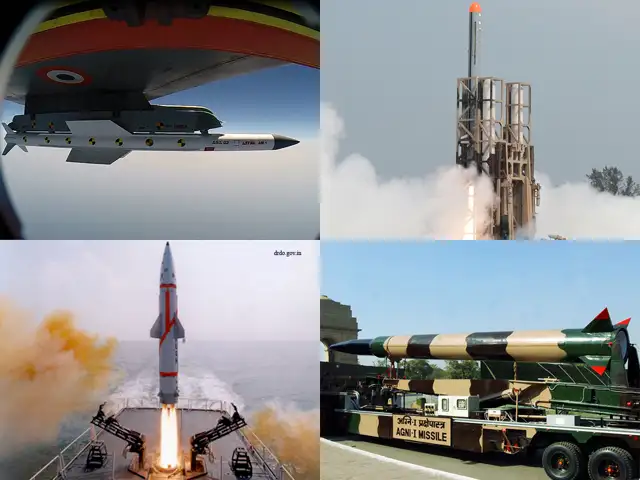
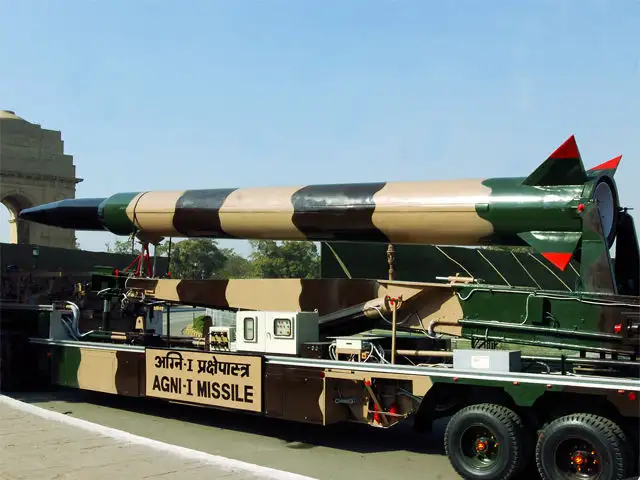
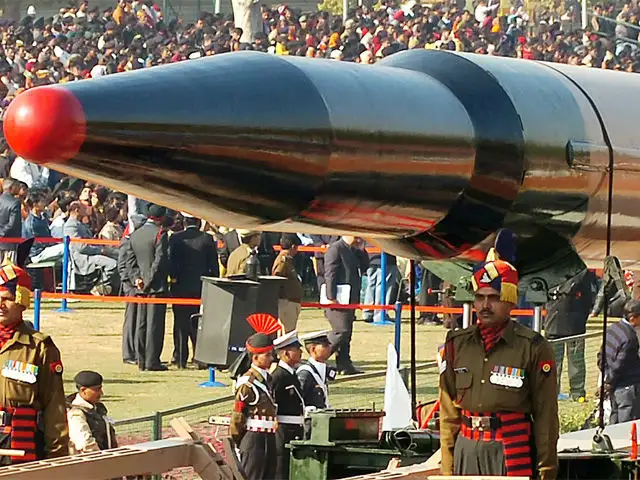
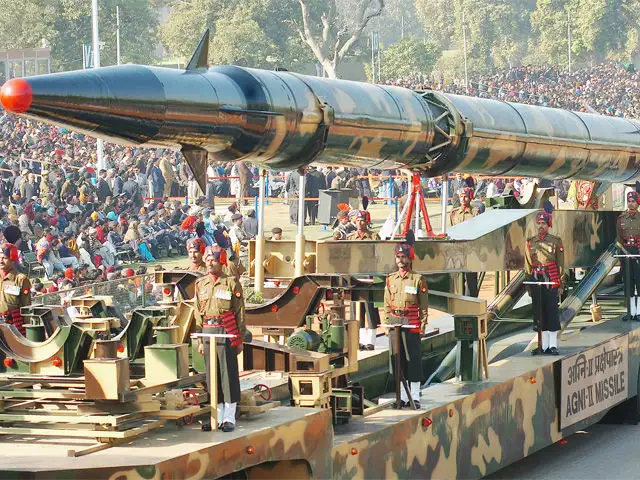
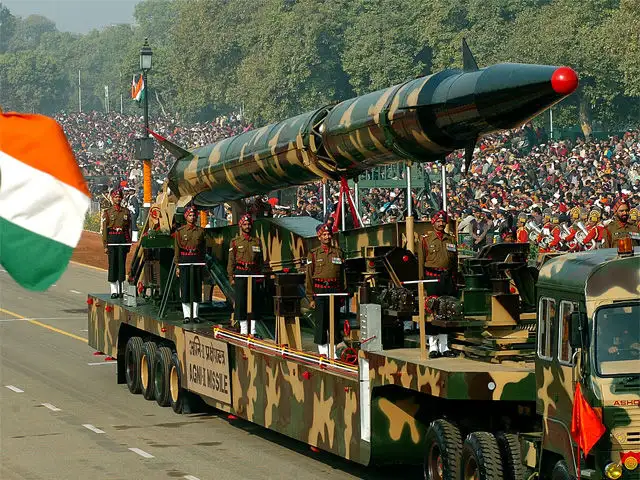
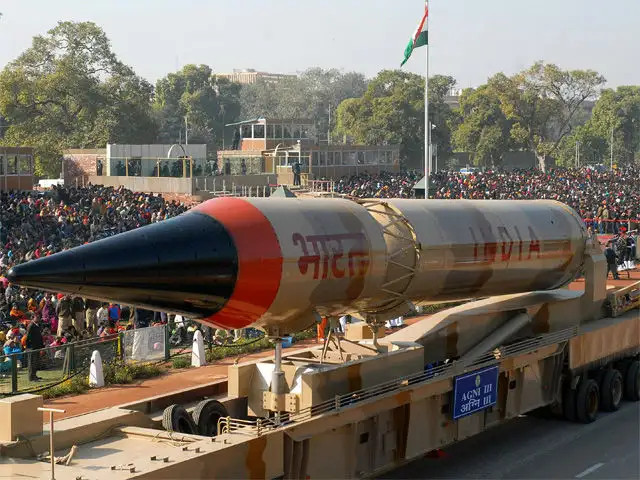
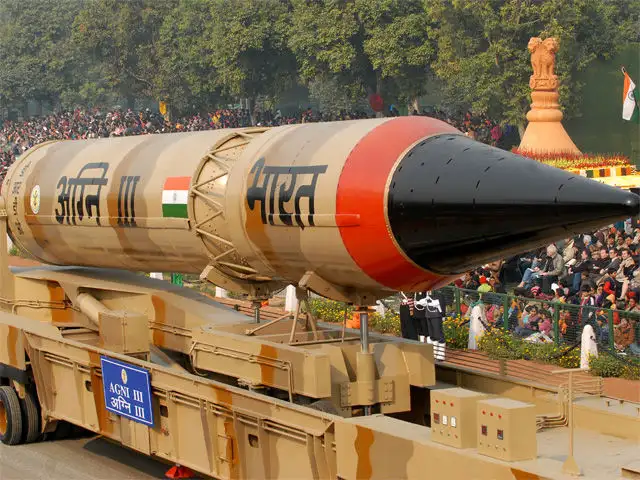
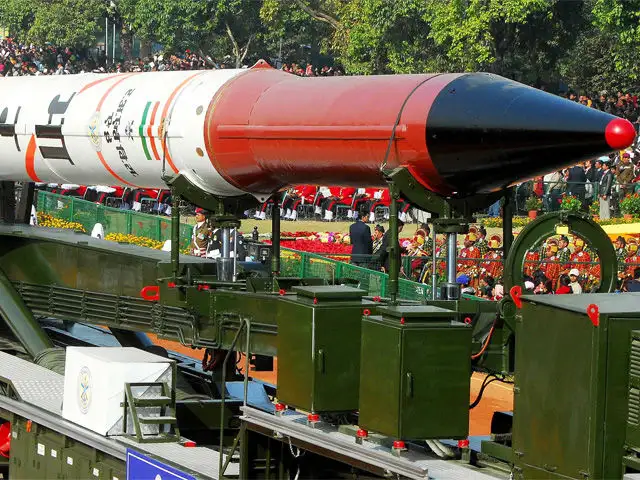
India may have developed surface-to-surface nuclear missiles like the Agni-V, which can strike targets over 5,000-km away, but has struggled to develop a complex BVR (beyond visual range) air combat missile like Astra for over a decade now.
Once the all-weather Astra is ready, India will join a handful of countries like the US, Russia, France and Israel which have developed such sleek missiles capable of detecting, tracking and destroying highly-agile, hostile supersonic fighters packed with “counter-measures” at long ranges.
Indian fighters are currently armed with Russian, French and Israeli BVR missiles, which cost a packet in the absence of a cheaper indigenous alternative.
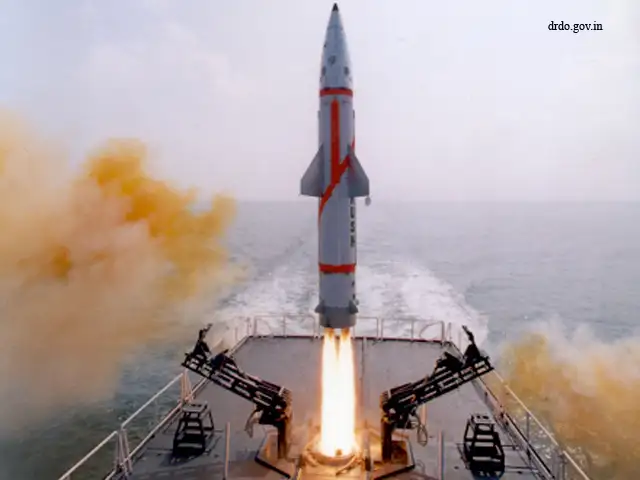
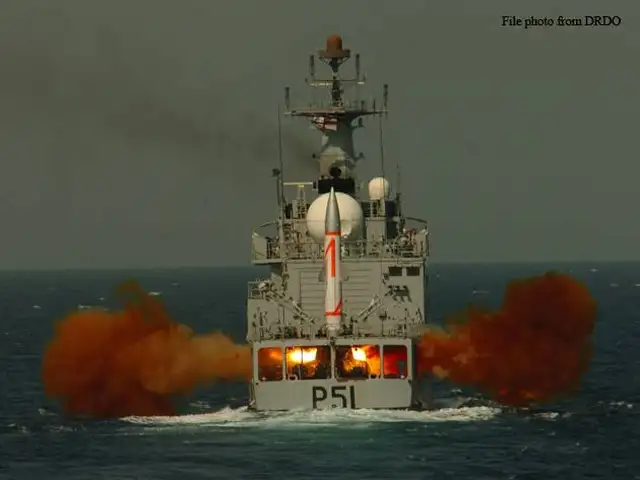
Here we take a look at the status of India’s indigenous missile power...
Image: DRDO
India may have developed surface-to-surface nuclear missiles like the Agni-V, which can strike targets over 5,000-km away, but has struggled to develop a complex BVR (beyond visual range) air combat missile like Astra for over a decade now.
Once the all-weather Astra is ready, India will join a handful of countries like the US, Russia, France and Israel which have developed such sleek missiles capable of detecting, tracking and destroying highly-agile, hostile supersonic fighters packed with “counter-measures” at long ranges.
Indian fighters are currently armed with Russian, French and Israeli BVR missiles, which cost a packet in the absence of a cheaper indigenous alternative.
Here we take a look at the status of India’s indigenous missile power...
Image: DRDO

ADVERTISEMENT


