Naxal violence down by 35 per cent: Rajnath Singh
Naxal violence in the country has come down by 35 per cent due to efforts of security forces, Home Minister Rajnath Singh said.
By PTI | Updated:

NEW DELHI: Naxal violence in the country has come down by 35 per cent due to efforts of security forces, Home Minister Rajnath Singh said today.
"Due to the brave efforts of CRPF personnel, there has been a 35 per cent reduction in incidents in the Left Wing Extremism (LWE)-affected states," he said releasing a graphic booklet here.
The book depicts the valour and sacrifice of CRPF personnel during the epic battle of Sardar Post, Rann of Kutch, in the 1965 Indo-Pak War.
The Home Minister lauded the role of CRPF at Hot Springs in Ladakh and at other places in maintaining the safety and security of the country.
He also appreciated the courage and sacrifice made by CRPF personnel at different places.
On April 9, 1965, at the Sardar Post in the Rann of Kutch, two companies of CRPF stood their ground and repulsed the attack of a full-fledged Pakistani Infantry Brigade inflicting heavy casualties.
The retaliation by CRPF men was such a profound shock to Pakistani Army that they left behind 34 bodies including of two officers.
Four Pakistani soldiers were taken as prisoners. Six CRPF men made supreme sacrifice for the cause of the nation.
CRPF plans to publish a series of graphic booklets depicting tales of valour and sacrifice of the Force.
The aim is to instill patriotism and nationalism in the young generation and also to let the people know about the gallantry and sacrifice of the unsung heroes of CRPF.
The force also plans to raise funds through marketing of these booklets, which will be spent on the welfare of the families of martyrs.
"Due to the brave efforts of CRPF personnel, there has been a 35 per cent reduction in incidents in the Left Wing Extremism (LWE)-affected states," he said releasing a graphic booklet here.
The book depicts the valour and sacrifice of CRPF personnel during the epic battle of Sardar Post, Rann of Kutch, in the 1965 Indo-Pak War.
The Home Minister lauded the role of CRPF at Hot Springs in Ladakh and at other places in maintaining the safety and security of the country.
He also appreciated the courage and sacrifice made by CRPF personnel at different places.
On April 9, 1965, at the Sardar Post in the Rann of Kutch, two companies of CRPF stood their ground and repulsed the attack of a full-fledged Pakistani Infantry Brigade inflicting heavy casualties.
ADVERTISEMENT
The retaliation by CRPF men was such a profound shock to Pakistani Army that they left behind 34 bodies including of two officers.
Four Pakistani soldiers were taken as prisoners. Six CRPF men made supreme sacrifice for the cause of the nation.
CRPF plans to publish a series of graphic booklets depicting tales of valour and sacrifice of the Force.
The aim is to instill patriotism and nationalism in the young generation and also to let the people know about the gallantry and sacrifice of the unsung heroes of CRPF.
ADVERTISEMENT
The force also plans to raise funds through marketing of these booklets, which will be spent on the welfare of the families of martyrs.
Download
The Economic Times Business News App for the Latest News in Business, Sensex, Stock Market Updates & More.
The Economic Times Business News App for the Latest News in Business, Sensex, Stock Market Updates & More.
Download
The Economic Times News App for Quarterly Results, Latest News in ITR, Business, Share Market, Live Sensex News & More.
The Economic Times News App for Quarterly Results, Latest News in ITR, Business, Share Market, Live Sensex News & More.
Related Articles
 Defence push: Aatmanirbharta means collaboration, not isolation, says Rajnath Singh2026-06-30T19:02:14Z
- KC Venugopal gives Notice for Privilege Motion against Rajnath Singh over Op Sindoor remarks2026-06-30T18:37:25Z
- Rajnath Singh unveils DFP-2026 to enhance accountability, timely execution of R&D projects2026-06-29T13:03:34Z

Economictimes.com & Agencies
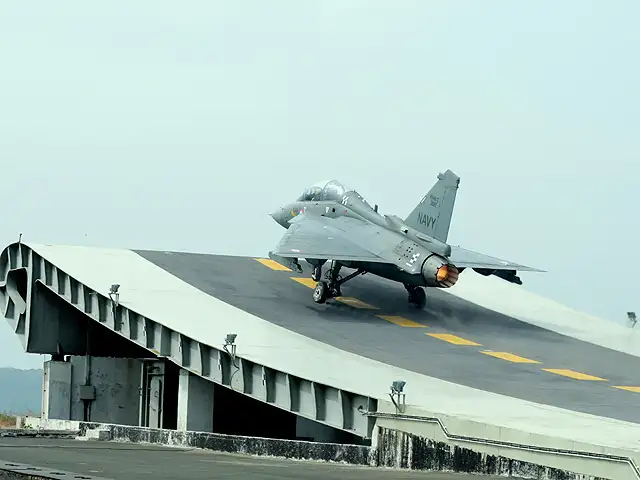
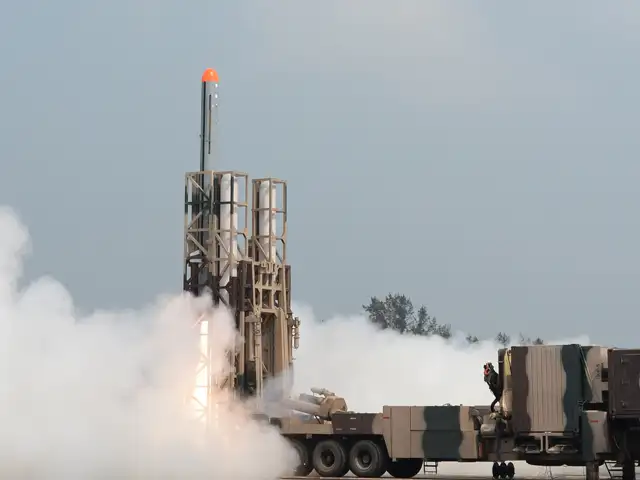
The need to have robust defence capabilities in today's day and age cannot be overstated. India has been aggressively pushing to enhance its ability to deter attacks and up its defence prowess.
2014 saw multiple steps being taken in that direction and India saw many new additions to its defence fleet. We take a look at eight achievements that deserve a special mention:
The need to have robust defence capabilities in today's day and age cannot be overstated. India has been aggressively pushing to enhance its ability to deter attacks and up its defence prowess.
2014 saw multiple steps being taken in that direction and India saw many new additions to its defence fleet. We take a look at eight achievements that deserve a special mention:







ADVERTISEMENT


