MTCR benefit: India, Russia to develop 600-km range cruise missiles that can cover entire Pakistan
MTCR guidelines prohibit its members from transfer, sale or joint production of missiles beyond 300-km range with countries outside the club.

NEW DELHI: India's offensive capacity, especially against Pakistan, is set to take a huge step forward with New Delhi and Moscow deciding to jointly develop a new generation of Brahmos missiles with 600 km-plus range and an ability to hit protected targets with pinpoint accuracy.
This range enables these missiles to strike anywhere within Pakistan. That Russia can work with India to produce these missiles is thanks to New Delhi joining the Missile Technology Control Regime ( MTCR) in June this year.
MTCR guidelines prohibit its members from transfer, sale or joint production of missiles beyond 300-km range with countries outside the club.
Brahmos' current range is 300 km, which makes it difficult to hit targets deep inside Pakistan. India has ballistic missiles with longer range than the next generation Brahmos. But Brahmos' ability to take down specific targets, even well-protected ones, makes it a potential game changer in any conflict with Pakistan. Ballistic missiles are powered for the initial half of their flight path and they use gravity to complete their trajectory. But cruise missiles are powered throughout.
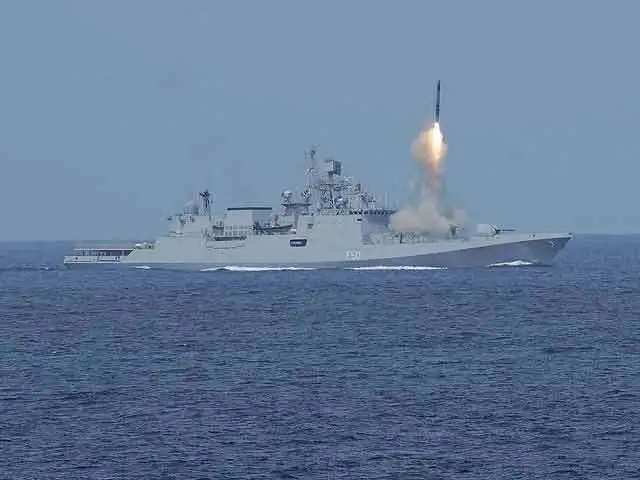
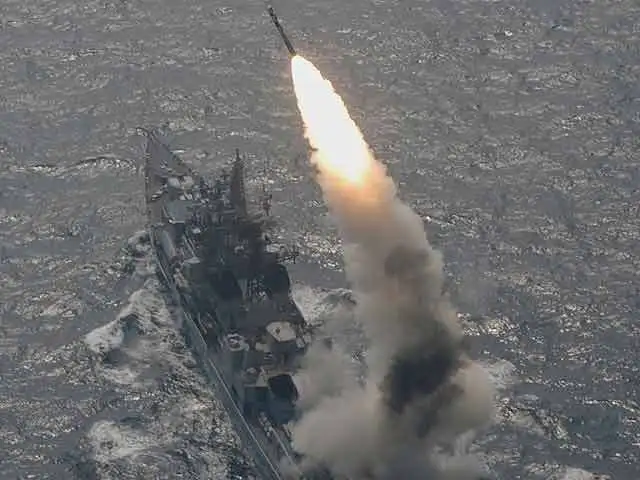
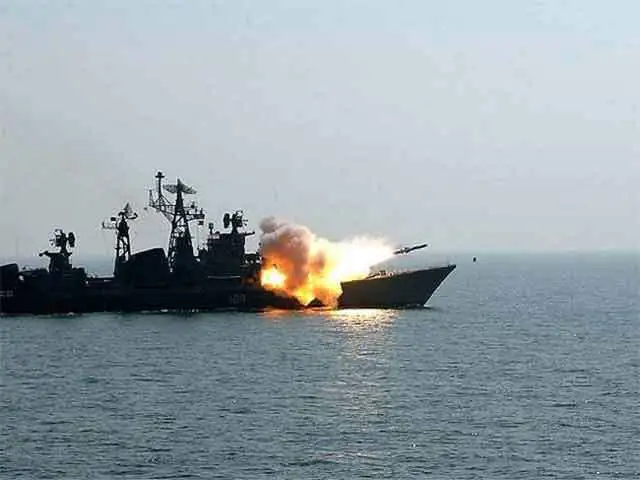
The Indo-Russian agreement, signed during the bilateral summit at Goa, also includes development of missiles with smaller range that can be fired from submarines and aircraft. The deal was not made public at the summit — where other projects like sale of frigates and the S-400 air defence system purchase — were announced. Vladimir Putin told journalists from his country that the missile deal has also been signed. "We have also agreed to improve the Brahmos missile, which will be land, air and sea launched. We will also work to increase its range. And we will work together on a fifth-generation aircraft," Putin said, without sharing details.
ET spoke with several senior Indian officials involved in negotiations. They confirmed that a pact to double the range of the Brahmos missile was finalised. These officials spoke on the condition they not be identified. They also said producing longer-range Brahmos will not be tough because no fundamental reworking is involved in increasing the range. India, post its MTCR membership, is also pursuing export options for its 300-km range Brahmos. Vietnam has expressed interest in the missile system.
Also read:
India's deadliest future weapons explained
Follow our latest coverage of the India-Russia defence deals
Brother Russia has more gifts for India: developing Brahmos and Fifth generation jet
This range enables these missiles to strike anywhere within Pakistan. That Russia can work with India to produce these missiles is thanks to New Delhi joining the Missile Technology Control Regime ( MTCR) in June this year.
MTCR guidelines prohibit its members from transfer, sale or joint production of missiles beyond 300-km range with countries outside the club.
Brahmos' current range is 300 km, which makes it difficult to hit targets deep inside Pakistan. India has ballistic missiles with longer range than the next generation Brahmos. But Brahmos' ability to take down specific targets, even well-protected ones, makes it a potential game changer in any conflict with Pakistan. Ballistic missiles are powered for the initial half of their flight path and they use gravity to complete their trajectory. But cruise missiles are powered throughout.
ADVERTISEMENT
This makes a cruise missile like Brahmos similar to a pilot-less fighter jet that can be maneuvered in flight, programmed to attack targets from any angle and evade enemy missile defence systems. Brahmos can, for example, take down terror camps or hideouts even in mountain areas, where natural protection makes any other offensive action, bar crossing the border, ineffective.The Indo-Russian agreement, signed during the bilateral summit at Goa, also includes development of missiles with smaller range that can be fired from submarines and aircraft. The deal was not made public at the summit — where other projects like sale of frigates and the S-400 air defence system purchase — were announced. Vladimir Putin told journalists from his country that the missile deal has also been signed. "We have also agreed to improve the Brahmos missile, which will be land, air and sea launched. We will also work to increase its range. And we will work together on a fifth-generation aircraft," Putin said, without sharing details.
ET spoke with several senior Indian officials involved in negotiations. They confirmed that a pact to double the range of the Brahmos missile was finalised. These officials spoke on the condition they not be identified. They also said producing longer-range Brahmos will not be tough because no fundamental reworking is involved in increasing the range. India, post its MTCR membership, is also pursuing export options for its 300-km range Brahmos. Vietnam has expressed interest in the missile system.
Also read:
ADVERTISEMENT
India's deadliest future weapons explained
Follow our latest coverage of the India-Russia defence deals
ADVERTISEMENT
Brother Russia has more gifts for India: developing Brahmos and Fifth generation jet
Download
The Economic Times Business News App for the Latest News in Business, Sensex, Stock Market Updates & More.
The Economic Times Business News App for the Latest News in Business, Sensex, Stock Market Updates & More.
Download
The Economic Times News App for Quarterly Results, Latest News in ITR, Business, Share Market, Live Sensex News & More.
The Economic Times News App for Quarterly Results, Latest News in ITR, Business, Share Market, Live Sensex News & More.
Related Articles
 Russia fortifies Engels Airbase with hardened shelters for Tu-95 and Tu-160 strategic bombers2026-06-26T09:11:46Z
- Russia’s premier foreign policy forum "Primakov Readings" brought together 400 experts from 17 countries2026-06-26T05:48:51Z
- Apple removes Russia's VKontakte from App Store2026-06-25T10:35:01Z
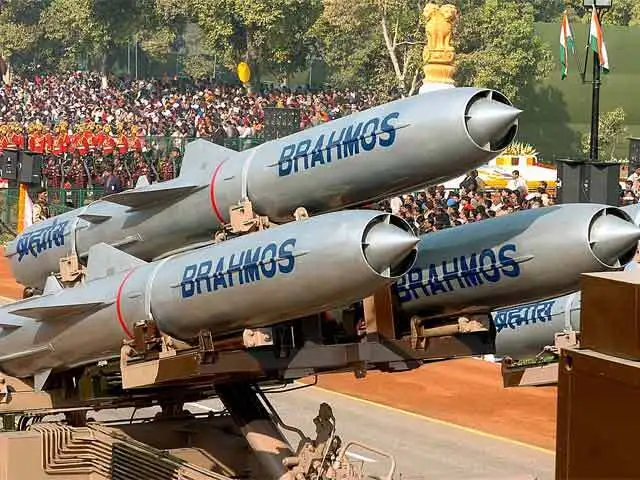
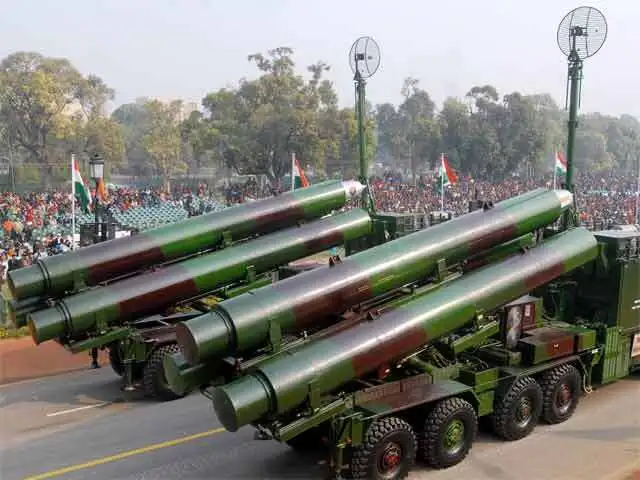
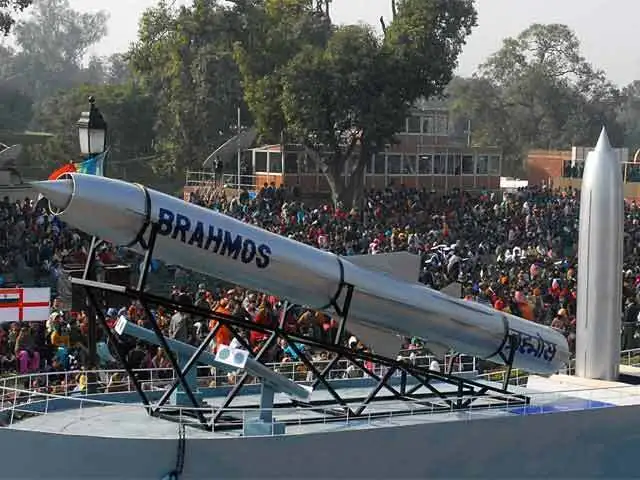
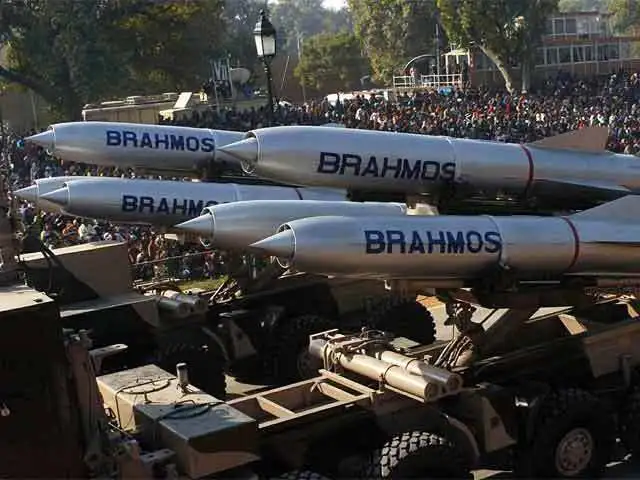
Brahmos missile is the most lethal and potent weapon system for precision strike available with Indian Army.

ADVERTISEMENT


