Military satellites, Space fighters: How IAF plans to transform into a superpower in space
The Indian Air Force (IAF) is set to transform into the Indian Air and Space Force (IASF) as it expands its capabilities in the aerospace domain. With a new doctrine focused on the effective utilization of the air and space continuum, the IAF aims...
By ET Online | Updated:

Agencies
The Indian Air Force (IAF) is undergoing a significant transformation as it seeks to become the Indian Air and Space Force (IASF) and expand its capabilities in the aerospace domain.
With a new doctrine centered around the effective utilization of the "air and space continuum" and a "Space Vision 2047," the IAF has presented a detailed proposal to the government for its renaming. According to sources, the proposal is expected to receive clearance soon.
In line with this transformation, the IAF is intensifying its efforts to fully exploit the potential of space, moving beyond its current focus on intelligence, surveillance, reconnaissance, communication, and navigation capabilities.
Collaborating with organizations such as ISRO, DRDO, IN-Space, and the private industry, the IAF aims to develop niche space-related technologies. This includes advancements in positioning, navigation, and timing (PNT), advanced intelligence, surveillance, and communication systems, space weather prediction, space situational awareness, and space traffic management.
The IAF envisions India having over 100 military satellites, both large and small, within the next seven to eight years, with active participation from the private sector. Additionally, the Defense Space Agency, established in 2019, is set to evolve into a fully-fledged Space Command.
Recognizing the importance of space in future conflicts, the IAF has incorporated space-related training for its officers and airmen. This includes exercises that simulate space-related contingencies. According to sources, this transition from air to space is a natural progression for the IAF.
Air Chief Marshal V R Chaudhari, the Chief of the Air Staff, has emphasized the need for India to develop defensive and offensive capabilities in the space domain. He has highlighted the success of 'Mission Shakti' in March 2019, where DRDO successfully tested an anti-satellite (A-Sat) interceptor missile.
The source further stated that the battles of the future will be fought in near space (20 to 100 km altitude) and outer space. To operate seamlessly in these domains, the IAF is developing advanced winged bodies. The IAF believes that India must be prepared for these challenges.
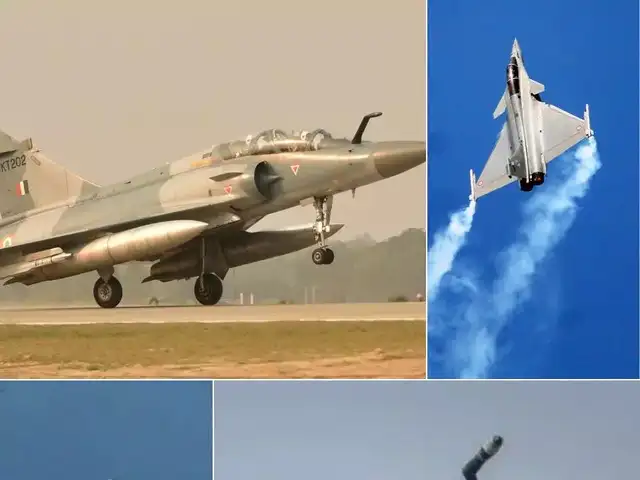
It is worth noting that China has been rapidly developing and deploying various A-Sat weapons, including kinetic and non-kinetic options such as high-powered lasers, electromagnetic pulse weapons, jammers, and cyberweapons.
Countries like the United States, the United Kingdom, Japan, France, and Russia already have space commands or wings within their air forces. As a result, the IAF recognizes the necessity of harnessing space for future battlespaces.
With a new doctrine centered around the effective utilization of the "air and space continuum" and a "Space Vision 2047," the IAF has presented a detailed proposal to the government for its renaming. According to sources, the proposal is expected to receive clearance soon.
In line with this transformation, the IAF is intensifying its efforts to fully exploit the potential of space, moving beyond its current focus on intelligence, surveillance, reconnaissance, communication, and navigation capabilities.
Collaborating with organizations such as ISRO, DRDO, IN-Space, and the private industry, the IAF aims to develop niche space-related technologies. This includes advancements in positioning, navigation, and timing (PNT), advanced intelligence, surveillance, and communication systems, space weather prediction, space situational awareness, and space traffic management.
The IAF envisions India having over 100 military satellites, both large and small, within the next seven to eight years, with active participation from the private sector. Additionally, the Defense Space Agency, established in 2019, is set to evolve into a fully-fledged Space Command.
Recognizing the importance of space in future conflicts, the IAF has incorporated space-related training for its officers and airmen. This includes exercises that simulate space-related contingencies. According to sources, this transition from air to space is a natural progression for the IAF.
ADVERTISEMENT
Air Chief Marshal V R Chaudhari, the Chief of the Air Staff, has emphasized the need for India to develop defensive and offensive capabilities in the space domain. He has highlighted the success of 'Mission Shakti' in March 2019, where DRDO successfully tested an anti-satellite (A-Sat) interceptor missile.
The source further stated that the battles of the future will be fought in near space (20 to 100 km altitude) and outer space. To operate seamlessly in these domains, the IAF is developing advanced winged bodies. The IAF believes that India must be prepared for these challenges.
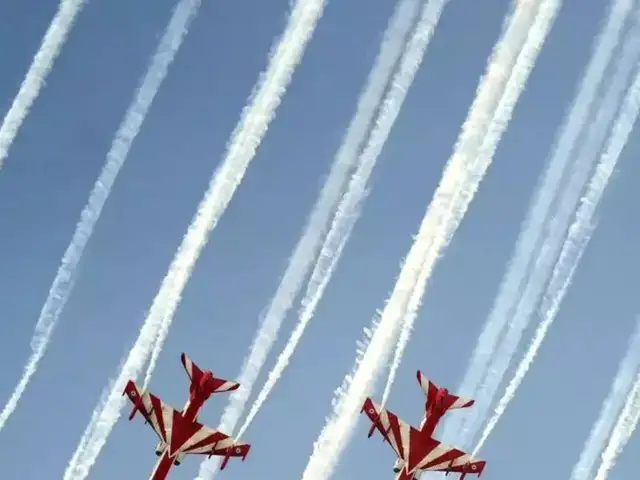



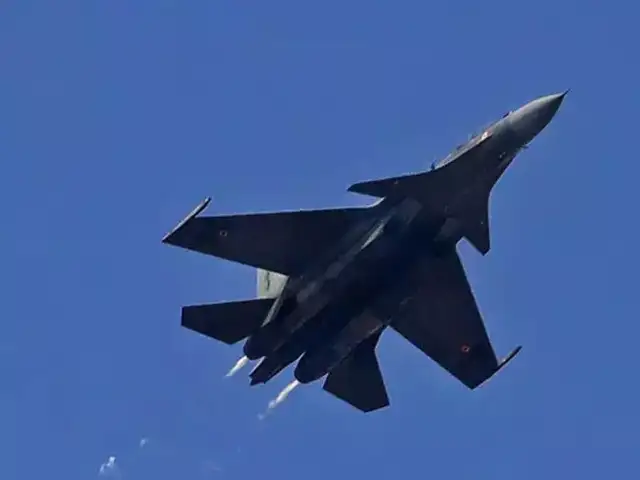

It is worth noting that China has been rapidly developing and deploying various A-Sat weapons, including kinetic and non-kinetic options such as high-powered lasers, electromagnetic pulse weapons, jammers, and cyberweapons.
ADVERTISEMENT
To keep pace with global developments, the IAF is gradually expanding its mission scope from offensive and defensive counter-air operations to operations in the space domain. As part of this transition, the existing integrated air command and control system (IACCS) will evolve into the integrated air and space command and control system (IASCCS).Countries like the United States, the United Kingdom, Japan, France, and Russia already have space commands or wings within their air forces. As a result, the IAF recognizes the necessity of harnessing space for future battlespaces.
ADVERTISEMENT
The IAF's transformation into the Indian Air and Space Force marks a significant step towards becoming a credible aerospace power. By embracing the potential of space and collaborating with strategic partners, the IAF aims to ensure India's preparedness for future challenges in the air and space domains.Download
The Economic Times Business News App for the Latest News in Business, Sensex, Stock Market Updates & More.
The Economic Times Business News App for the Latest News in Business, Sensex, Stock Market Updates & More.
Download
The Economic Times News App for Quarterly Results, Latest News in ITR, Business, Share Market, Live Sensex News & More.
The Economic Times News App for Quarterly Results, Latest News in ITR, Business, Share Market, Live Sensex News & More.
Related Articles
 Air Marshal Ashutosh Dixit appointed as next Indian Air Force Vice Chief
ADVERTISEMENT


