Manohar Parrikar's US visit could help India become a defence production hub
Lockheed Martin and Boeing have offered production lines for the F-16s and F-18s to India.
Updated:

By Seema Sirohi
Much rides on defence minister Manohar Parrikar's visit to the United States this week. If all goes well, defence ties could move up a notch or two, which, in turn, could help India get closer to becoming a hub of defence production.
Follow @ETDefence Twitter handle for comprehensive coverage on other buzzing Defence stories
Large US defence companies are straining at the leash to sell more and invest more. But the US government has a veto on critical technology, a veto sustained by a battery of government lawyers who like the status quo. This must change.
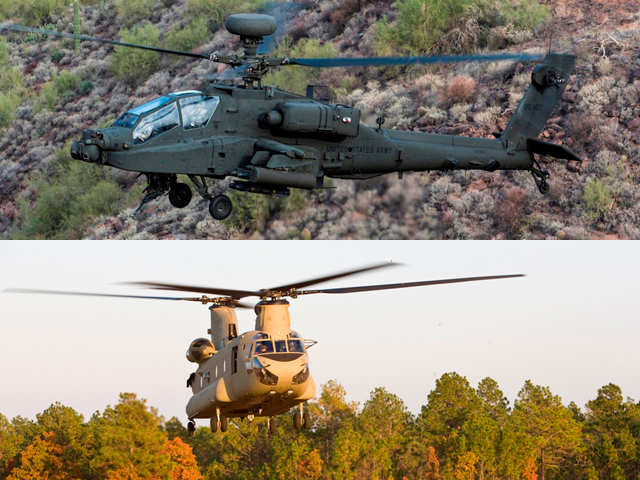
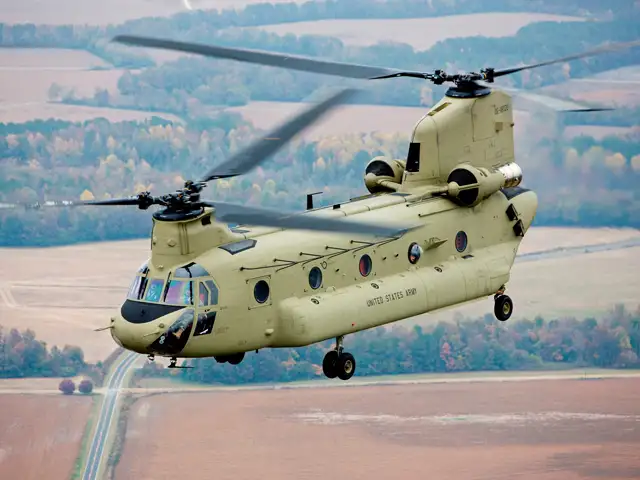
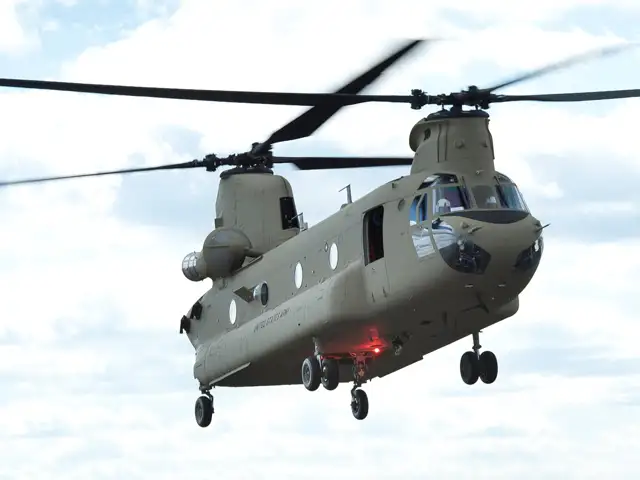
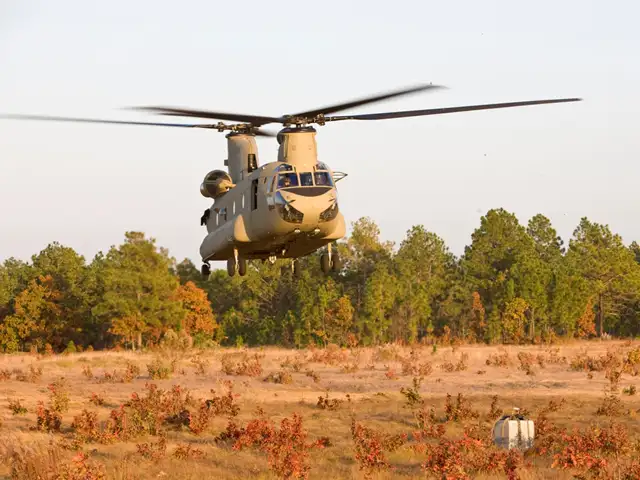
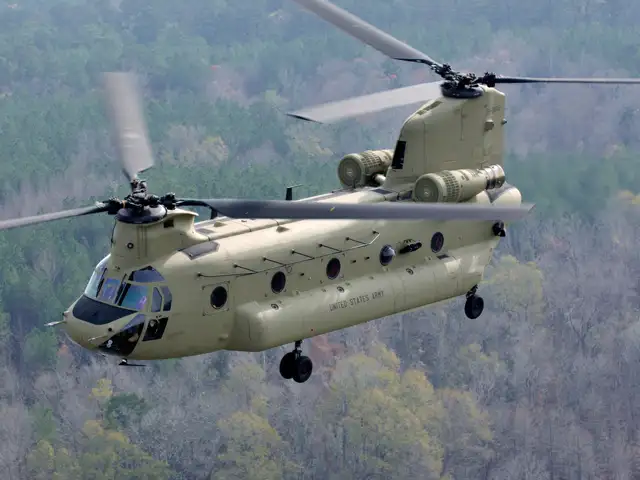
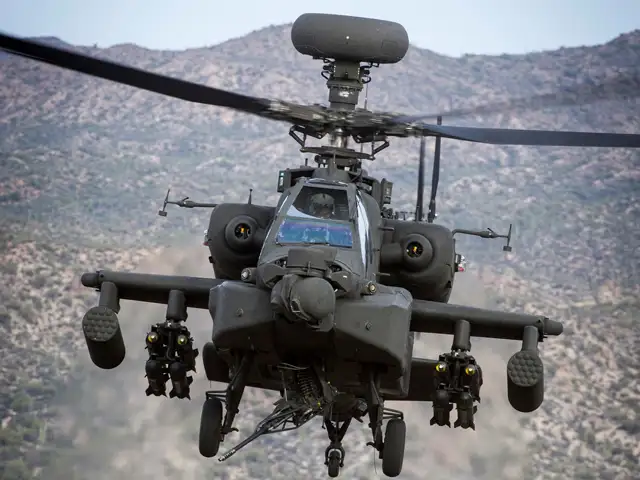
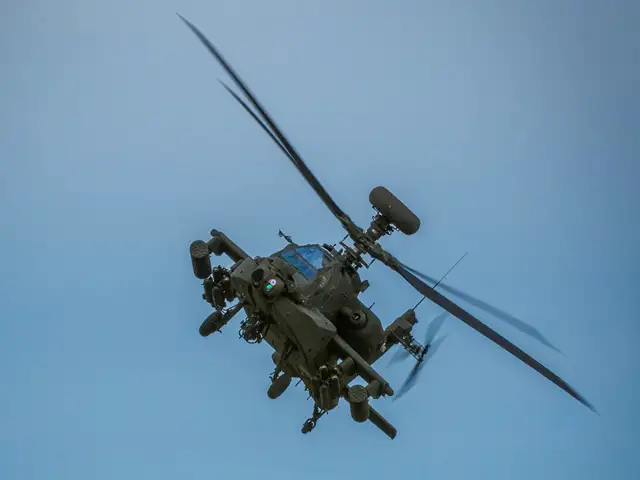
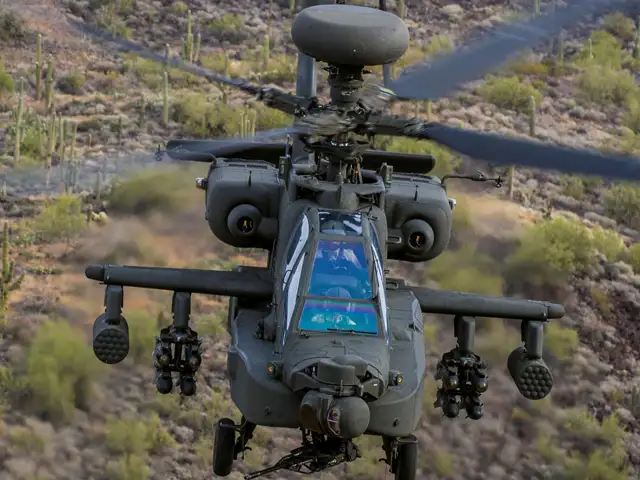
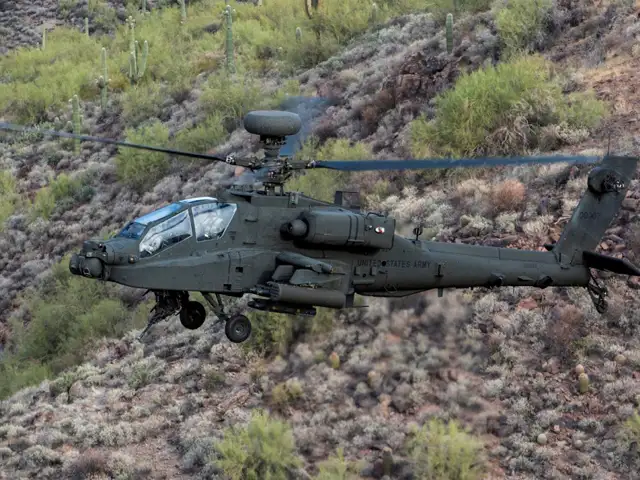
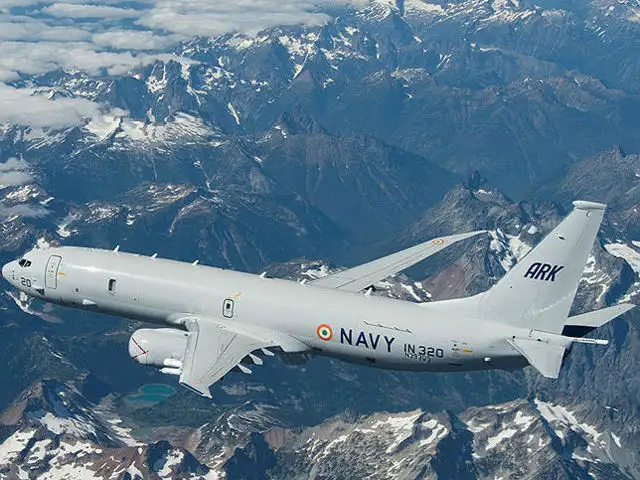
Lockheed Martin and Boeing have offered production lines for the F-16s and F-18s to India. Boeing is also ready to set up assembly lines for either the Apache or the Chinook helicopters. Other companies trying to enter the market are busy hiring executives with India experience.
In short, there is a buzz that can work to India's advantage if policies and ideas are streamlined into a coherent whole and the last year of the Obama Administration in office is used intelligently. As this column has argued before, the last years of an outgoing administration can be more productive than the first years of an incoming one.
Why no Indian defence minister has come to Washington since 2008 while US defence secretaries have made six visits to India is a question to ponder. Yes, UPA was not interested in most things American in its second term after the initial burst of activity when it signed a defence framework agreement and concluded a nuclear deal. It set the stage with two historic moves but then abruptly suspended the play.
The Modi government has worked to revitalise the Indo-US relationship, reconvening working groups that hadn't met for years. Parrikar's visit should help put the defence partnership front and centre because he has a forward-looking counterpart in defence secretary Ashton Carter. Parrikar is accompanied by a Ficci-led delegation of Indian industry — the first-ever confluence in public. Big players (Tata, L&T, Reliance) and rising players (Dynamatic Technologies, Sun Group) will meet their gigantic counterparts, get a sense of the scaling up required and find partners. Or the much-celebrated Defence Technology and Trade Initiative (DTTI) will remain the jumble of words it is.
They are set to tour Huntington Ingalls Industries, America's largest military shipbuilder and the sole builder of US aircraft carriers. It also makes nuclear-powered submarines and India has a keen interest in all of the above.
In another first, Parrikar and Carter will visit the Norfolk Naval Station in Virginia, the world's largest naval base with 75 ships and 134 aircraft. The joint visit is crafted to symbolise the "joint-ness" of vision. Parrikar already visited the Pacific Command Headquarters in Hawaii on his way to Washington, first time an Indian defence minister made the trip.
But there are problems. Trust remains an issue, especially with respect to Pakistan. Washington's policy of "more toys-for-the-boys" and fervent hopes for behavioural change doesn't inspire confidence.
Biggest boy, Raheel Sharif, got star treatment last month with Vice President Joe Biden devoting more than two hours to talk about "peace" in Afghanistan.
Sharif will have "smart" bombs, Hellfire missiles, high frequency communication systems and Viper attack helicopters to keep (his own) jihadis at bay. Will he, won't he? is a game US optimists like to play.
Trust is also an issue on the business side. Indian officials retain sharp memories of US sanctions imposed after the1998 nuclear tests. So intense was the Clinton Administration's desire to punish, it ended up giving a fresh lease to kneejerk anti-Americanism in Delhi. The sanctions were lifted completely only in 2010. Fears the nightmare could return are real.
But staying still is not an option for India because it must modernise and choices are few. The Russian proverb — "doveryai, no proveryai" (trust but verify) — applies. It became Reagan's favourite phrase during arms control negotiations with Gorbachev, and can be a good adage here.
DTTI can be a real engine if the two sides find a meeting point, choose carefully and put a healthy dose of R&D to ensure the project has a future. It can't be yesterday's technology. India could take another look at the "foundational agreements" US wants it to sign to make technology sales easier.
Above all, continuity must be ensured even if India and the United States find themselves on opposite sides of the fence on some issues sometime in the future.
Much rides on defence minister Manohar Parrikar's visit to the United States this week. If all goes well, defence ties could move up a notch or two, which, in turn, could help India get closer to becoming a hub of defence production.
Follow @ETDefence Twitter handle for comprehensive coverage on other buzzing Defence stories
Large US defence companies are straining at the leash to sell more and invest more. But the US government has a veto on critical technology, a veto sustained by a battery of government lawyers who like the status quo. This must change.
Lockheed Martin and Boeing have offered production lines for the F-16s and F-18s to India. Boeing is also ready to set up assembly lines for either the Apache or the Chinook helicopters. Other companies trying to enter the market are busy hiring executives with India experience.
In short, there is a buzz that can work to India's advantage if policies and ideas are streamlined into a coherent whole and the last year of the Obama Administration in office is used intelligently. As this column has argued before, the last years of an outgoing administration can be more productive than the first years of an incoming one.
ADVERTISEMENT
Why no Indian defence minister has come to Washington since 2008 while US defence secretaries have made six visits to India is a question to ponder. Yes, UPA was not interested in most things American in its second term after the initial burst of activity when it signed a defence framework agreement and concluded a nuclear deal. It set the stage with two historic moves but then abruptly suspended the play.
The Modi government has worked to revitalise the Indo-US relationship, reconvening working groups that hadn't met for years. Parrikar's visit should help put the defence partnership front and centre because he has a forward-looking counterpart in defence secretary Ashton Carter. Parrikar is accompanied by a Ficci-led delegation of Indian industry — the first-ever confluence in public. Big players (Tata, L&T, Reliance) and rising players (Dynamatic Technologies, Sun Group) will meet their gigantic counterparts, get a sense of the scaling up required and find partners. Or the much-celebrated Defence Technology and Trade Initiative (DTTI) will remain the jumble of words it is.
They are set to tour Huntington Ingalls Industries, America's largest military shipbuilder and the sole builder of US aircraft carriers. It also makes nuclear-powered submarines and India has a keen interest in all of the above.
In another first, Parrikar and Carter will visit the Norfolk Naval Station in Virginia, the world's largest naval base with 75 ships and 134 aircraft. The joint visit is crafted to symbolise the "joint-ness" of vision. Parrikar already visited the Pacific Command Headquarters in Hawaii on his way to Washington, first time an Indian defence minister made the trip.
ADVERTISEMENT
But there are problems. Trust remains an issue, especially with respect to Pakistan. Washington's policy of "more toys-for-the-boys" and fervent hopes for behavioural change doesn't inspire confidence.
Biggest boy, Raheel Sharif, got star treatment last month with Vice President Joe Biden devoting more than two hours to talk about "peace" in Afghanistan.
ADVERTISEMENT
This year the Obama Administration approved $952 million in sophisticated weapons for Pakistan's "counter-terrorism operations" apart from the eight F-16s. Sharif will have "smart" bombs, Hellfire missiles, high frequency communication systems and Viper attack helicopters to keep (his own) jihadis at bay. Will he, won't he? is a game US optimists like to play.
Trust is also an issue on the business side. Indian officials retain sharp memories of US sanctions imposed after the1998 nuclear tests. So intense was the Clinton Administration's desire to punish, it ended up giving a fresh lease to kneejerk anti-Americanism in Delhi. The sanctions were lifted completely only in 2010. Fears the nightmare could return are real.
But staying still is not an option for India because it must modernise and choices are few. The Russian proverb — "doveryai, no proveryai" (trust but verify) — applies. It became Reagan's favourite phrase during arms control negotiations with Gorbachev, and can be a good adage here.
DTTI can be a real engine if the two sides find a meeting point, choose carefully and put a healthy dose of R&D to ensure the project has a future. It can't be yesterday's technology. India could take another look at the "foundational agreements" US wants it to sign to make technology sales easier.
Above all, continuity must be ensured even if India and the United States find themselves on opposite sides of the fence on some issues sometime in the future.
Download
The Economic Times Business News App for the Latest News in Business, Sensex, Stock Market Updates & More.
The Economic Times Business News App for the Latest News in Business, Sensex, Stock Market Updates & More.
Download
The Economic Times News App for Quarterly Results, Latest News in ITR, Business, Share Market, Live Sensex News & More.
The Economic Times News App for Quarterly Results, Latest News in ITR, Business, Share Market, Live Sensex News & More.
Related Articles
 Cabinet approves naming of airport at Goa's Mopa after Manohar Parrikar2023-01-04T13:09:08Z
- Mopa International Airport in Goa named after former Defence Minister Manohar Parrikar2022-12-11T14:01:33Z
- Late Manohar Parrikar's son, local heavyweight, and AAP turncoat vie for Panaji pie in multi-corner contest2022-02-12T12:45:45Z
Economictimes.com & Agencies
Government is likely to soon clear a contract worth over $2.5 billion for 22 Apache attack helicopters and 15 Chinook heavy-lift choppers with US aviation giant Boeing.
We take a look at the helicopters that US wants to sell to India:
Image by: Boeing
Government is likely to soon clear a contract worth over $2.5 billion for 22 Apache attack helicopters and 15 Chinook heavy-lift choppers with US aviation giant Boeing.
We take a look at the helicopters that US wants to sell to India:
Image by: Boeing

ADVERTISEMENT


