Make in India: Boeing & Tata announce JV to produce Apache fuselages
According to the Boeing press release, "The JV will initially create a manufacturing center of excellence to produce aerostructures for the AH-64 Apache helicopter.
By ET Online | Updated:

NEW DELHI: In a leg up for Modi government's ' Make in India' campaign, Boeing and Tata Advanced Systems on Monday announced a joint venture (JV) that will manufacture aerostructures for aircraft and collaborate on integrated systems development opportunities in India.
According to the Boeing press release, "The JV will initially create a manufacturing center of excellence to produce aerostructures for the AH-64 Apache helicopter and to compete for additional manufacturing work packages across Boeing platforms, both commercial and defense."
Follow @ETDefence Twitter handle for comprehensive coverage on other buzzing Defence stories
Boeing and Tata Advanced Systems intend to grow the JV partnership in the future with a focus on opportunities to collaborate on development and selling of integrated systems.
"This partnership will capitalize on India's industrial capability, innovation and talent to contribute to Boeing's long-term competitiveness and position us for future growth in the global marketplace," said Chris Chadwick, president and CEO of Boeing Defense, Space & Security. "It is a demonstration of our commitment to further accelerate our partnership with one of the world's fastest growing economies."
"This agreement to establish a JV will propel the growth of the Indian aerospace sector by leveraging the world-class competencies of TASL and its supplier eco-system, as well as provide access to India's world-class manufacturing capability, skilled talent and competitive cost structures," said S. Ramadorai, chairman, Tata Advanced Systems.
"Over the last 12 months, we have doubled our sourcing from India and are committed to continue that journey," said Pratyush Kumar, president, Boeing India. "Our commitment was demonstrated by Boeing Chairman Jim McNerney's presence at the recently concluded aerospace Innovation Summit in New Delhi and this JV is a clear example of Boeing's long-term commitment to Make in India."
"TASL is one of the select few in the private sector in India undertaking manufacturing and assembly of both aircraft and helicopters. The resulting scale and expertise at which the company now operates makes it well-positioned for large-scale systems integration work in India's aerospace and defense sector," said Sukaran Singh, MD & CEO, Tata Advanced Systems.
Boeing and Tata group companies have established partnerships in India to manufacture aerostructures for Boeing's commercial and military aircraft. Tata Advanced Materials has delivered composite panels for the power and mission equipment cabinets and auxiliary power unit door fairings for the P-8I long-range maritime surveillance and anti-submarine warfare aircraft. TAL Manufacturing Solutions has provided ground support equipment for the C-17 Globemaster III strategic airlifter.
According to the Boeing press release, "The JV will initially create a manufacturing center of excellence to produce aerostructures for the AH-64 Apache helicopter and to compete for additional manufacturing work packages across Boeing platforms, both commercial and defense."
Follow @ETDefence Twitter handle for comprehensive coverage on other buzzing Defence stories
Boeing and Tata Advanced Systems intend to grow the JV partnership in the future with a focus on opportunities to collaborate on development and selling of integrated systems.
"This partnership will capitalize on India's industrial capability, innovation and talent to contribute to Boeing's long-term competitiveness and position us for future growth in the global marketplace," said Chris Chadwick, president and CEO of Boeing Defense, Space & Security. "It is a demonstration of our commitment to further accelerate our partnership with one of the world's fastest growing economies."
ADVERTISEMENT
"This agreement to establish a JV will propel the growth of the Indian aerospace sector by leveraging the world-class competencies of TASL and its supplier eco-system, as well as provide access to India's world-class manufacturing capability, skilled talent and competitive cost structures," said S. Ramadorai, chairman, Tata Advanced Systems.
"Over the last 12 months, we have doubled our sourcing from India and are committed to continue that journey," said Pratyush Kumar, president, Boeing India. "Our commitment was demonstrated by Boeing Chairman Jim McNerney's presence at the recently concluded aerospace Innovation Summit in New Delhi and this JV is a clear example of Boeing's long-term commitment to Make in India."
"TASL is one of the select few in the private sector in India undertaking manufacturing and assembly of both aircraft and helicopters. The resulting scale and expertise at which the company now operates makes it well-positioned for large-scale systems integration work in India's aerospace and defense sector," said Sukaran Singh, MD & CEO, Tata Advanced Systems.
Boeing and Tata group companies have established partnerships in India to manufacture aerostructures for Boeing's commercial and military aircraft. Tata Advanced Materials has delivered composite panels for the power and mission equipment cabinets and auxiliary power unit door fairings for the P-8I long-range maritime surveillance and anti-submarine warfare aircraft. TAL Manufacturing Solutions has provided ground support equipment for the C-17 Globemaster III strategic airlifter.
Download
The Economic Times Business News App for the Latest News in Business, Sensex, Stock Market Updates & More.
The Economic Times Business News App for the Latest News in Business, Sensex, Stock Market Updates & More.
Download
The Economic Times News App for Quarterly Results, Latest News in ITR, Business, Share Market, Live Sensex News & More.
The Economic Times News App for Quarterly Results, Latest News in ITR, Business, Share Market, Live Sensex News & More.
Related Articles
 Trump blames Iran for Apache helicopter attack, says US must respond "of necessity"2026-06-09T16:59:01Z
- Trump says pilots safe after US Army Apache goes down near Hormuz2026-06-09T07:57:05Z
- What brought down a US Apache helicopter near the Strait of Hormuz? Mystery builds as crew rescued2026-06-09T04:30:34Z
Text: TNN & Agencies
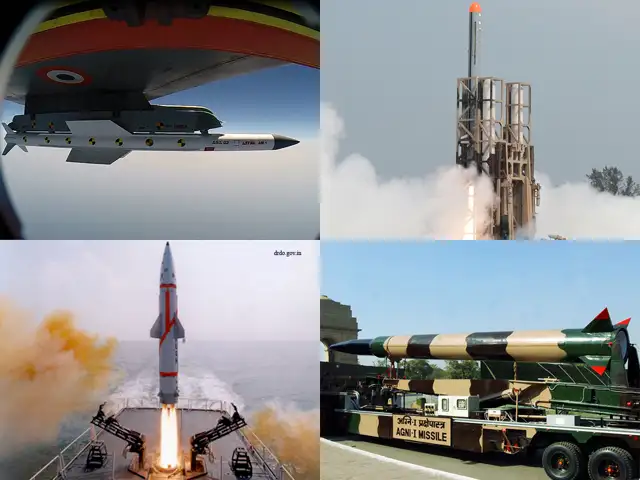
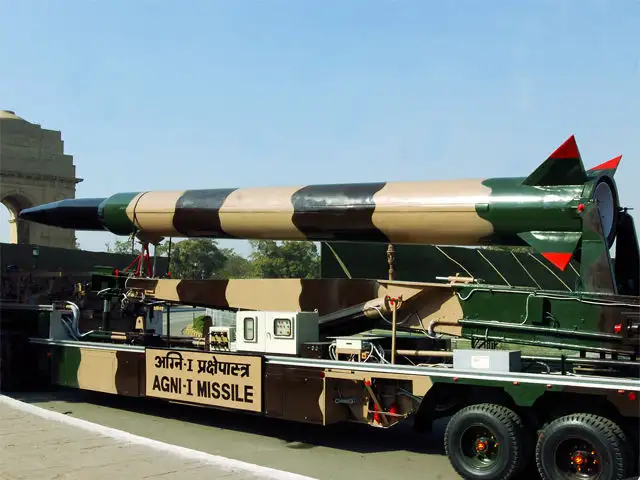
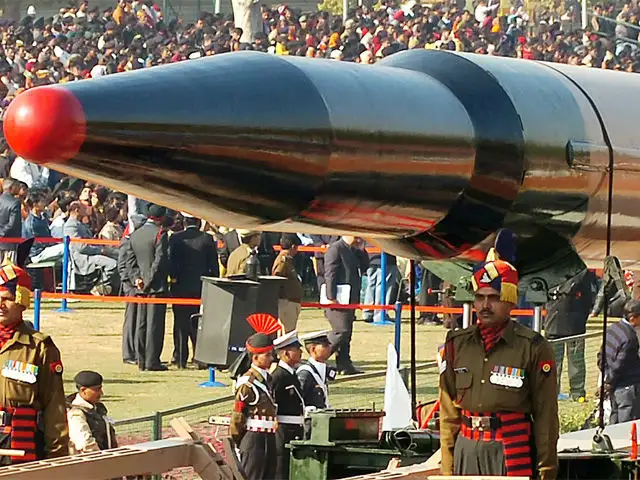
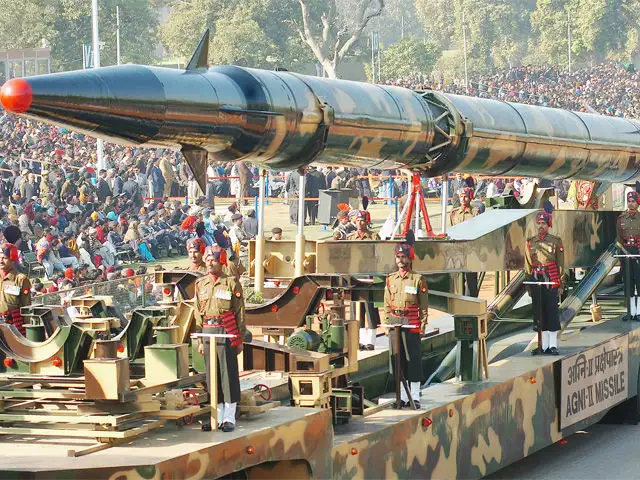
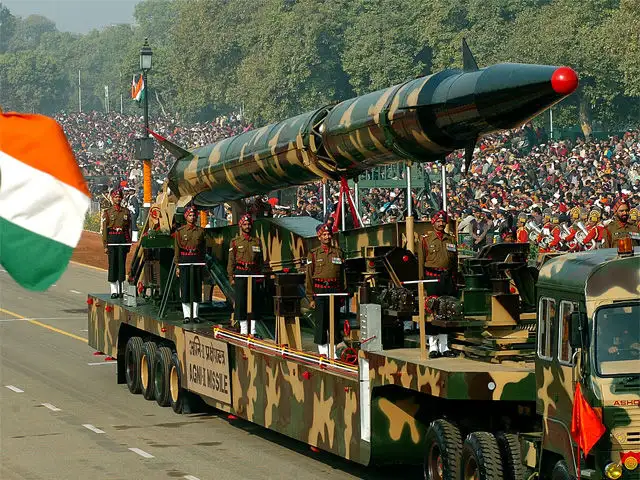
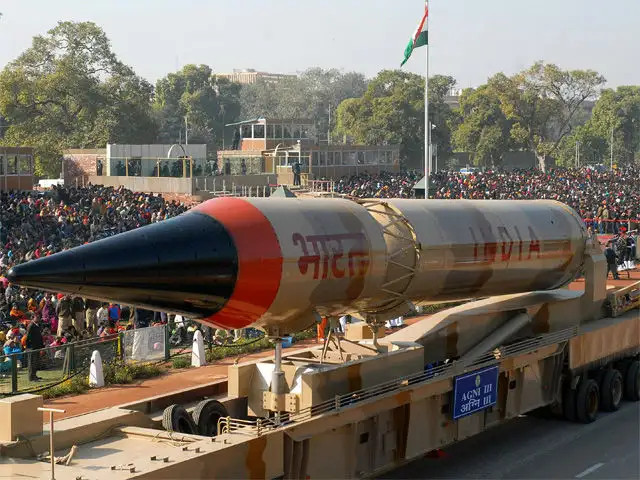
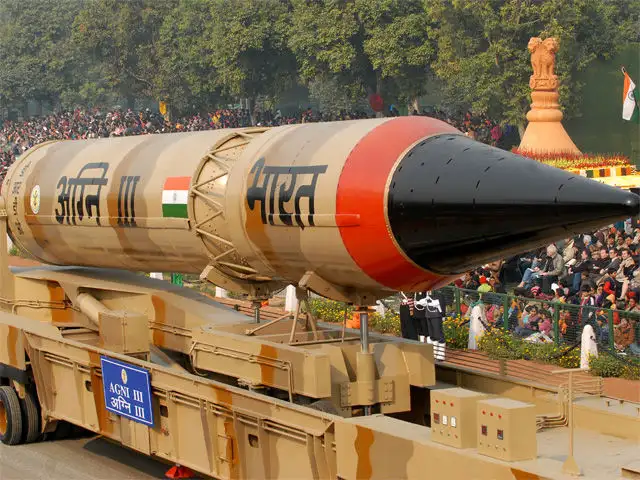
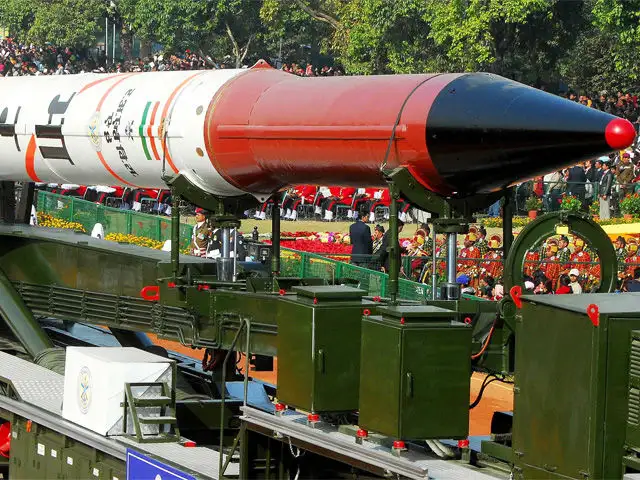
India may have developed surface-to-surface nuclear missiles like the Agni-V, which can strike targets over 5,000-km away, but has struggled to develop a complex BVR (beyond visual range) air combat missile like Astra for over a decade now.
Once the all-weather Astra is ready, India will join a handful of countries like the US, Russia, France and Israel which have developed such sleek missiles capable of detecting, tracking and destroying highly-agile, hostile supersonic fighters packed with “counter-measures” at long ranges.
Indian fighters are currently armed with Russian, French and Israeli BVR missiles, which cost a packet in the absence of a cheaper indigenous alternative.
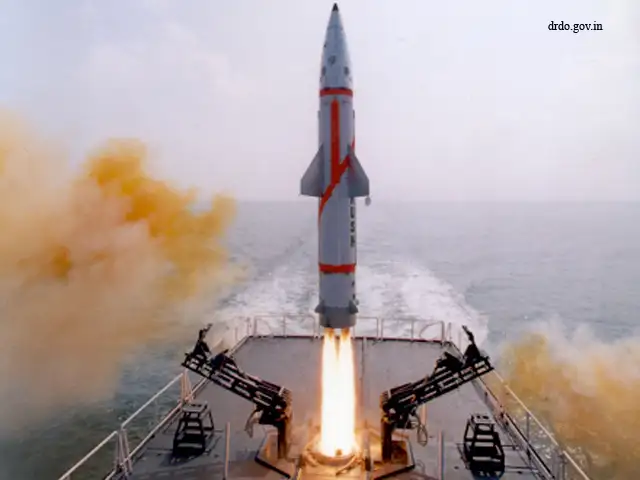
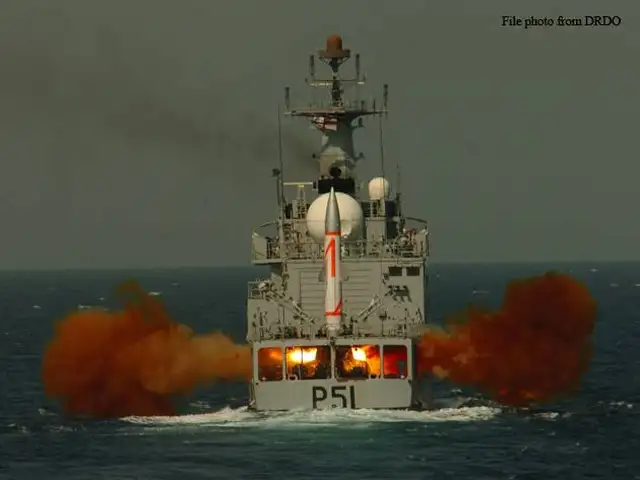
Here we take a look at the status of India’s indigenous missile power...
Image: DRDO
India may have developed surface-to-surface nuclear missiles like the Agni-V, which can strike targets over 5,000-km away, but has struggled to develop a complex BVR (beyond visual range) air combat missile like Astra for over a decade now.
Once the all-weather Astra is ready, India will join a handful of countries like the US, Russia, France and Israel which have developed such sleek missiles capable of detecting, tracking and destroying highly-agile, hostile supersonic fighters packed with “counter-measures” at long ranges.
Indian fighters are currently armed with Russian, French and Israeli BVR missiles, which cost a packet in the absence of a cheaper indigenous alternative.
Here we take a look at the status of India’s indigenous missile power...
Image: DRDO

ADVERTISEMENT


