Keeping war machinery in readiness is imperative: Manohar Parrikar
Parrikar said keeping the war machinery in readiness and to be able to mobilise troops to forward positions at short notice is an imperative to prevent any misadventure from across the borders.
By PTI | Updated:

NEW DELHI: Defence Minister Manohar Parrikar today said keeping the war machinery in readiness and to be able to mobilise troops to forward positions at short notice is imperative to prevent any misadventure from across the borders.
In his first broadcast to armed forces personnel over All India Radio on the eve of India's 69th Independence Day, Parrikar said there is a need to constantly upgrade and modernise the weapon systems and equipment.
The government is well aware of the need to maintain all- round vigil on the nation's borders and to prevent any misadventure from across the borders, he said in the pre-recorded address.
"Therefore, keeping our war machinery in readiness and to be able to mobilise troops to forward positions at short notice is imperative. At the same time, there is the need to constantly upgrade and modernise the weapon systems and equipment.
"We have taken a number of steps to equip our forces with the best of the arms currently available and are constantly striving to make most of them indigenously. Since taking over, our government has so far sanctioned acquisition proposals worth over 1,60,000 crore rupees," he said.
The Minister said that over eight hundred 155mm mounted artillery guns for Indian Army worth nearly 16 thousand crore rupees are also being acquired and more ammunition purchased to enhance the fire-power.
He said the contract negotiations are also underway for procurement of 36 Rafale aircraft from France, to provide a major boost to IAF's operational capability.
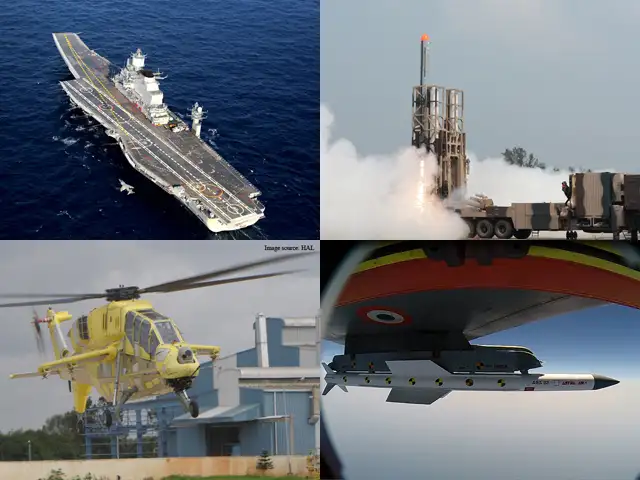
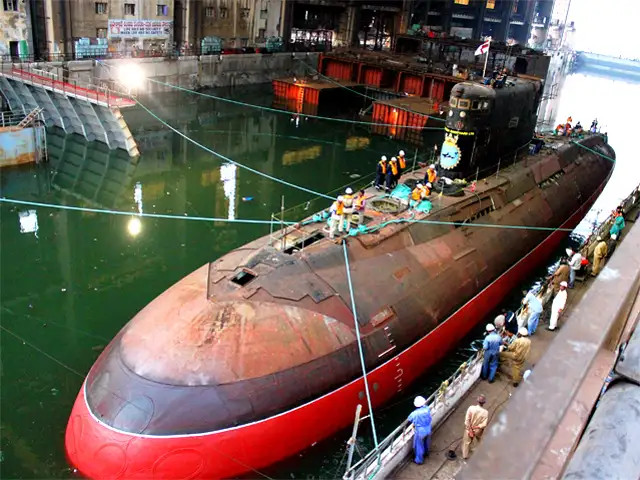
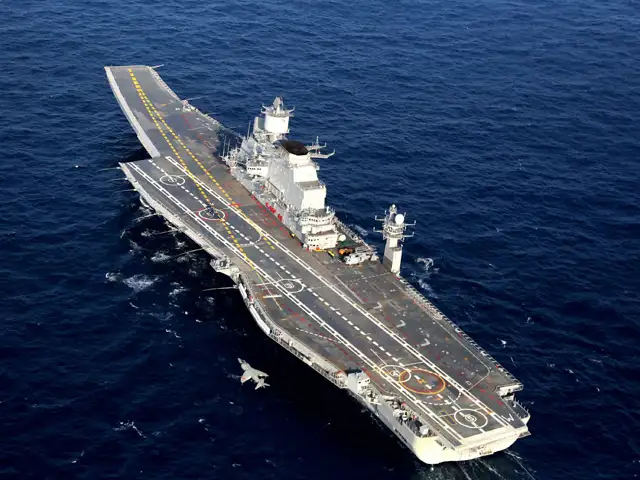
The recent undocking of India's indigenous aircraft carrier in-the-making, INS Vikrant, and the first of Scorpene submarines are important landmarks of our endeavour to build a Blue Water Navy, he said.
Commissioning of a number of marine police stations, naval bases including INS Sardar Patel and establishment of a new Coast Guard Air Enclave at Bhubaneswar will strengthen the coastal security of the country, he added.
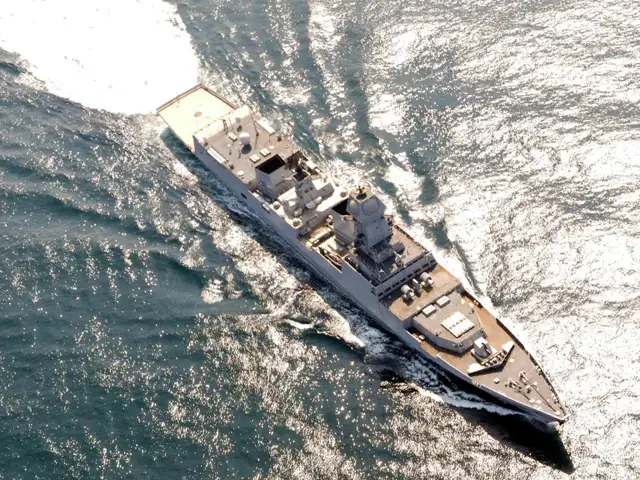
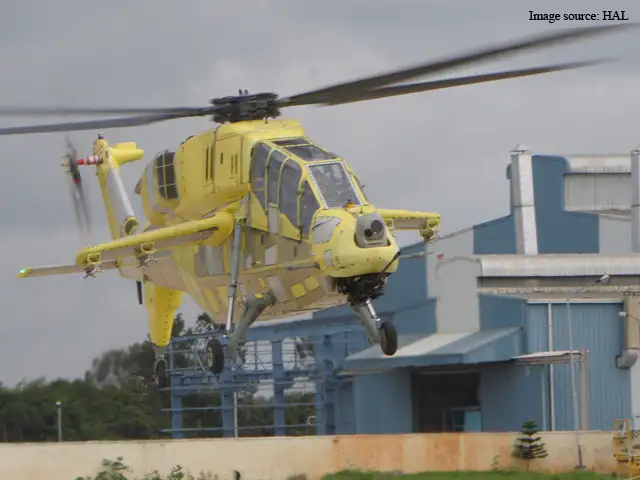
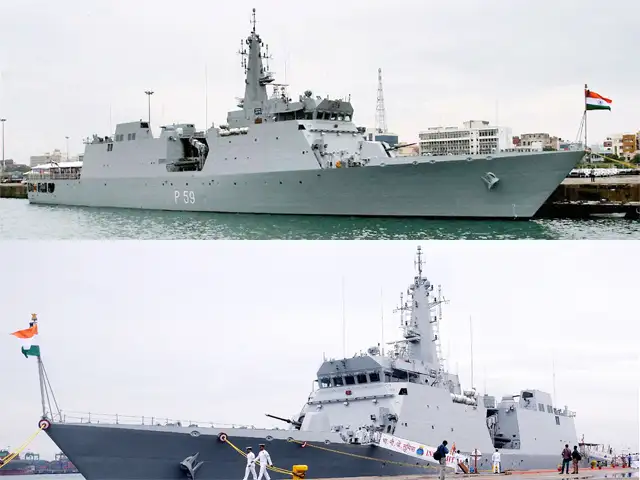
The government is taking measures to equip the Navy with the state-of-the-art warships, submarines and naval helicopters.
In his first broadcast to armed forces personnel over All India Radio on the eve of India's 69th Independence Day, Parrikar said there is a need to constantly upgrade and modernise the weapon systems and equipment.
The government is well aware of the need to maintain all- round vigil on the nation's borders and to prevent any misadventure from across the borders, he said in the pre-recorded address.
"Therefore, keeping our war machinery in readiness and to be able to mobilise troops to forward positions at short notice is imperative. At the same time, there is the need to constantly upgrade and modernise the weapon systems and equipment.
"We have taken a number of steps to equip our forces with the best of the arms currently available and are constantly striving to make most of them indigenously. Since taking over, our government has so far sanctioned acquisition proposals worth over 1,60,000 crore rupees," he said.
The Minister said that over eight hundred 155mm mounted artillery guns for Indian Army worth nearly 16 thousand crore rupees are also being acquired and more ammunition purchased to enhance the fire-power.
ADVERTISEMENT
He said the contract negotiations are also underway for procurement of 36 Rafale aircraft from France, to provide a major boost to IAF's operational capability.
The recent undocking of India's indigenous aircraft carrier in-the-making, INS Vikrant, and the first of Scorpene submarines are important landmarks of our endeavour to build a Blue Water Navy, he said.
Commissioning of a number of marine police stations, naval bases including INS Sardar Patel and establishment of a new Coast Guard Air Enclave at Bhubaneswar will strengthen the coastal security of the country, he added.
The government is taking measures to equip the Navy with the state-of-the-art warships, submarines and naval helicopters.
Download
The Economic Times Business News App for the Latest News in Business, Sensex, Stock Market Updates & More.
The Economic Times Business News App for the Latest News in Business, Sensex, Stock Market Updates & More.
Download
The Economic Times News App for Quarterly Results, Latest News in ITR, Business, Share Market, Live Sensex News & More.
The Economic Times News App for Quarterly Results, Latest News in ITR, Business, Share Market, Live Sensex News & More.
Related Articles
 Cabinet approves naming of airport at Goa's Mopa after Manohar Parrikar2023-01-04T13:09:08Z
- Mopa International Airport in Goa named after former Defence Minister Manohar Parrikar2022-12-11T14:01:33Z
- Late Manohar Parrikar's son, local heavyweight, and AAP turncoat vie for Panaji pie in multi-corner contest2022-02-12T12:45:45Z
Economictimes.com & Agencies
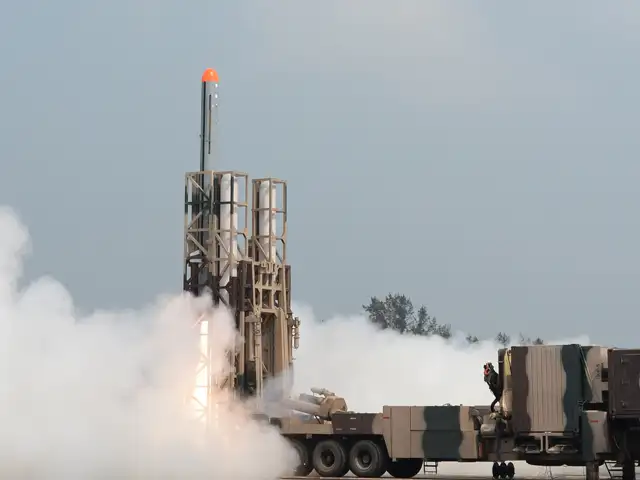
The need to have robust defence capabilities in today's day and age cannot be overstated. India has been aggressively pushing to enhance its ability to deter attacks and up its defence prowess.
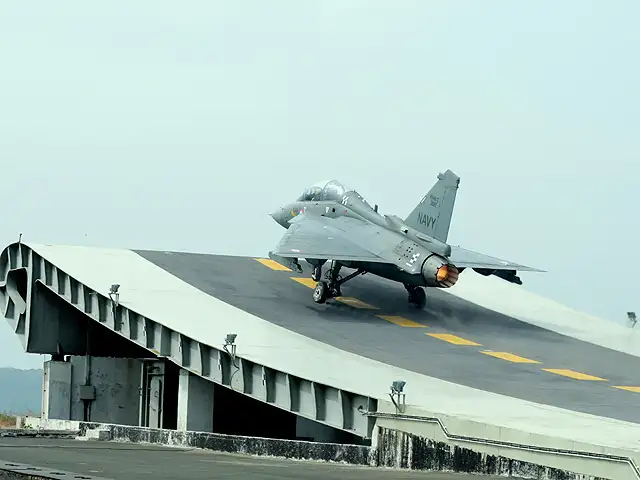
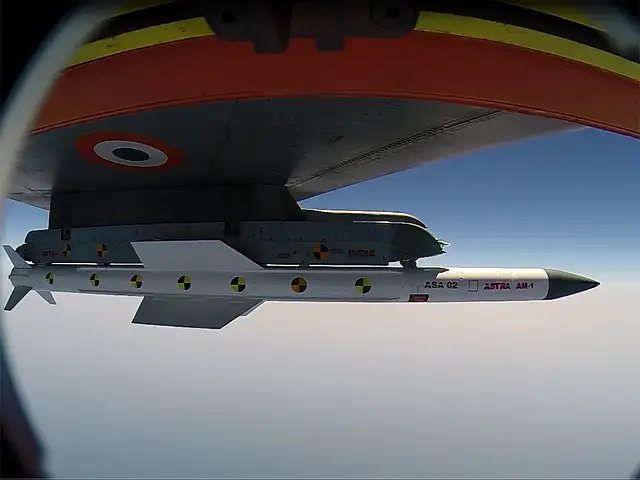
2014 saw multiple steps being taken in that direction and India saw many new additions to its defence fleet. We take a look at eight achievements that deserve a special mention:
The need to have robust defence capabilities in today's day and age cannot be overstated. India has been aggressively pushing to enhance its ability to deter attacks and up its defence prowess.
2014 saw multiple steps being taken in that direction and India saw many new additions to its defence fleet. We take a look at eight achievements that deserve a special mention:

ADVERTISEMENT


