Keep low-rated, debt-heavy firms out of defence projects under 'Make in India', recommends MoD panel
This recommendation can disqualify some of the companies currently at the forefront of defence manufacturing plans now.
By Manu Pubby, ET Bureau | Updated:

NEW DELHI: Keep low credit-rated and debt-ridden companies out of major defence projects under ‘Make in India’, recommends a high-powered ministry of defence (MoD) panel. If accepted, this recommendation can disqualify some of the companies currently at the forefront of defence manufacturing plans now.
The panel led by former home secretary Dhirender Singh has proposed companies need to have a minimum credit rating of ICRA B++ and a net worth that’s 40% of development cost of the project. For very large, strategic projects, companies seeking contracts must also not be in the midst of corporate debt restructuring (CDR).
Projects under the Make (India) category are the most coveted for private firms as the government guarantees a minimum order and also takes care of 80% of the development and engineering (D&E) costs. As per the procedure, two private firms are shortlisted who develop a prototype each of the equipment with one being selected. This means minimum financial exposure even for the losing firm.
“Minimum net worth equivalent to 40% of estimated D&E cost and credit rating equivalent to CRISIL/ICRA – ‘B++’ should be considered adequate for most of the schemes,” the panel has suggested.
“A provision to consider higher net worth and credit rating may be provided, based on outcome of feasibility study or assessment of Integrated Project Management Team,” the panel has suggested.
The stand, which has been endorsed by the Services in their inputs to the panel as an important safeguard measure, is a bit vague, however, on whether entities can participate on the strength of their parent company.
“Legal issues may be looked into while considering to permit their participation purely based on the strength of their parent company,” the panel suggests.
An equally strong recommendation has been made for private companies that will be selected as ‘ Strategic Partners’ by the government for major projects such as in the six key areas of warships, aircraft production, armoured fighting vehicles, missile systems, networks and critical materials.
The panel has suggested that private companies vying as strategic partners in these areas for projects over Rs 10,000 crore should be open to a rigorous audit by the government and should not be undergoing CDR.
Under its recommendations for financial prudence, the panel has suggested “Credit ratings, quality of disclosures and No CDR status” as “essentials”.
Interestingly, the panel also suggests that as per the global practice, the government should invest in building up only two private sector shipbuilding companies and should merge all public warship building yards into a single corporate entity. “Only two private shipbuilding companies at best, one for submarines and the other for surface ships, need to be nurtured under the Strategic Partnership initiative,” the report says.
The panel led by former home secretary Dhirender Singh has proposed companies need to have a minimum credit rating of ICRA B++ and a net worth that’s 40% of development cost of the project. For very large, strategic projects, companies seeking contracts must also not be in the midst of corporate debt restructuring (CDR).
Projects under the Make (India) category are the most coveted for private firms as the government guarantees a minimum order and also takes care of 80% of the development and engineering (D&E) costs. As per the procedure, two private firms are shortlisted who develop a prototype each of the equipment with one being selected. This means minimum financial exposure even for the losing firm.
“Minimum net worth equivalent to 40% of estimated D&E cost and credit rating equivalent to CRISIL/ICRA – ‘B++’ should be considered adequate for most of the schemes,” the panel has suggested.
“A provision to consider higher net worth and credit rating may be provided, based on outcome of feasibility study or assessment of Integrated Project Management Team,” the panel has suggested.
The stand, which has been endorsed by the Services in their inputs to the panel as an important safeguard measure, is a bit vague, however, on whether entities can participate on the strength of their parent company.
ADVERTISEMENT
“Legal issues may be looked into while considering to permit their participation purely based on the strength of their parent company,” the panel suggests.
An equally strong recommendation has been made for private companies that will be selected as ‘ Strategic Partners’ by the government for major projects such as in the six key areas of warships, aircraft production, armoured fighting vehicles, missile systems, networks and critical materials.
The panel has suggested that private companies vying as strategic partners in these areas for projects over Rs 10,000 crore should be open to a rigorous audit by the government and should not be undergoing CDR.
Under its recommendations for financial prudence, the panel has suggested “Credit ratings, quality of disclosures and No CDR status” as “essentials”.
ADVERTISEMENT
“Lest there be lingering doubts on the compensation package to the SP (‘taking the MoD for a ride’) — a rigorous audit, including cost audit mechanism would be instituted. The contract would allow for inspection of books for the purpose,” the report says.Interestingly, the panel also suggests that as per the global practice, the government should invest in building up only two private sector shipbuilding companies and should merge all public warship building yards into a single corporate entity. “Only two private shipbuilding companies at best, one for submarines and the other for surface ships, need to be nurtured under the Strategic Partnership initiative,” the report says.
ADVERTISEMENT
The panel’s recommendations will be studied by the defence ministry. Final proposals are likely to be finalised within three months. Download
The Economic Times Business News App for the Latest News in Business, Sensex, Stock Market Updates & More.
The Economic Times Business News App for the Latest News in Business, Sensex, Stock Market Updates & More.
Download
The Economic Times News App for Quarterly Results, Latest News in ITR, Business, Share Market, Live Sensex News & More.
The Economic Times News App for Quarterly Results, Latest News in ITR, Business, Share Market, Live Sensex News & More.
Economictimes.com & Agencies
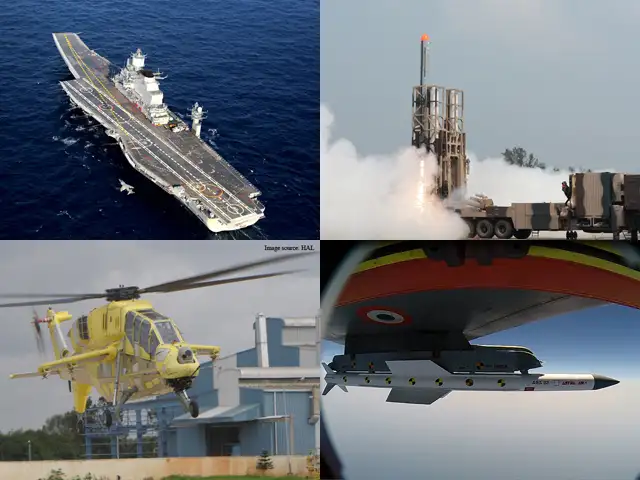
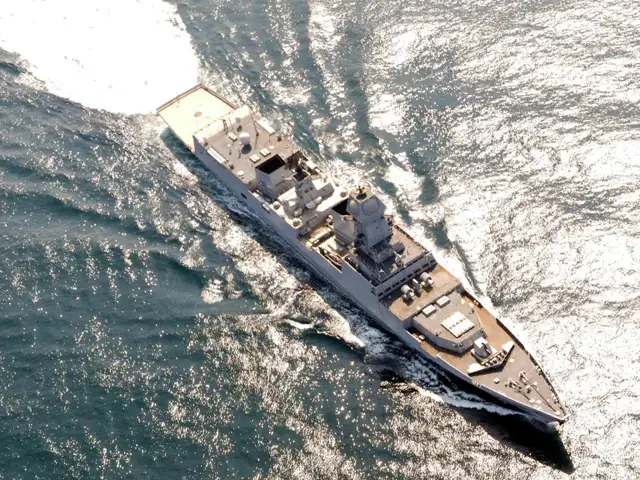
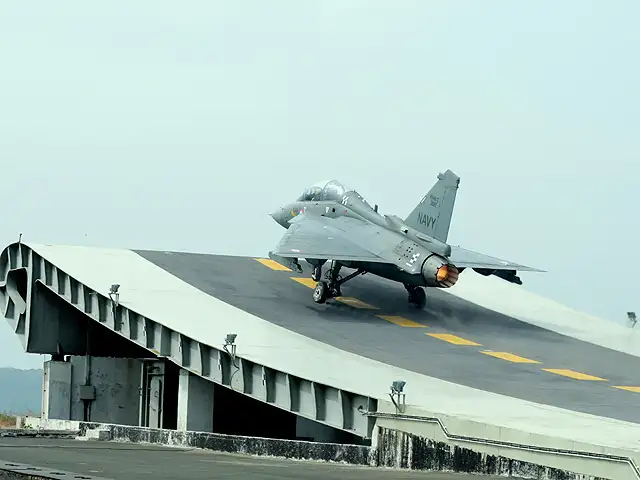
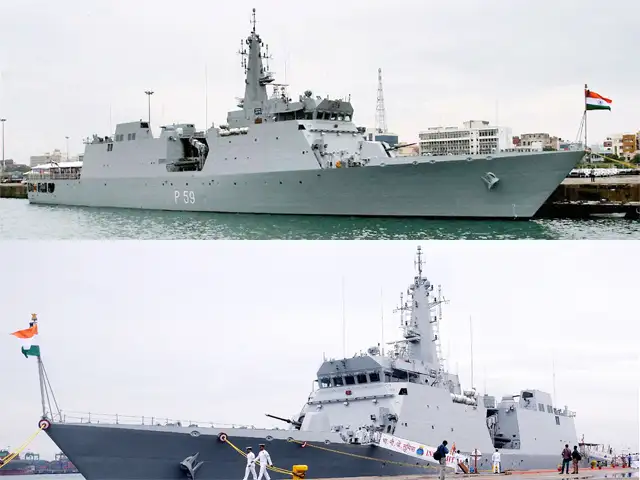
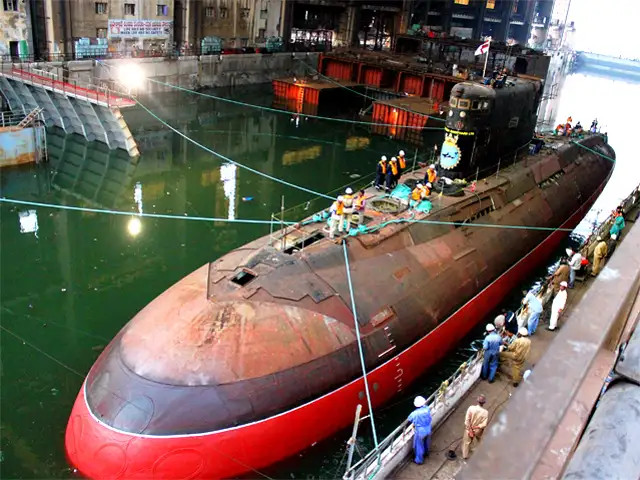
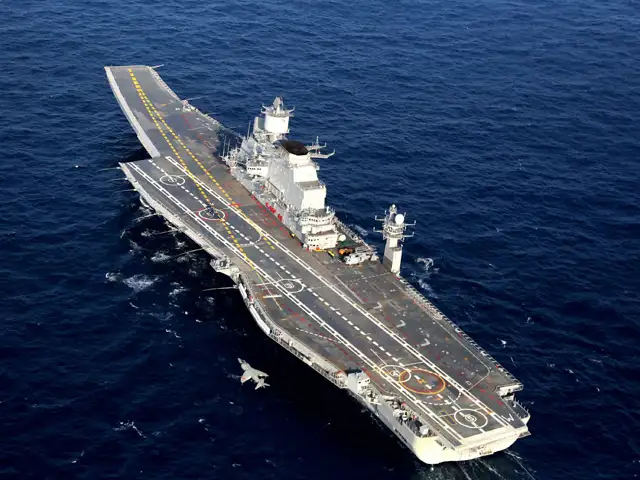
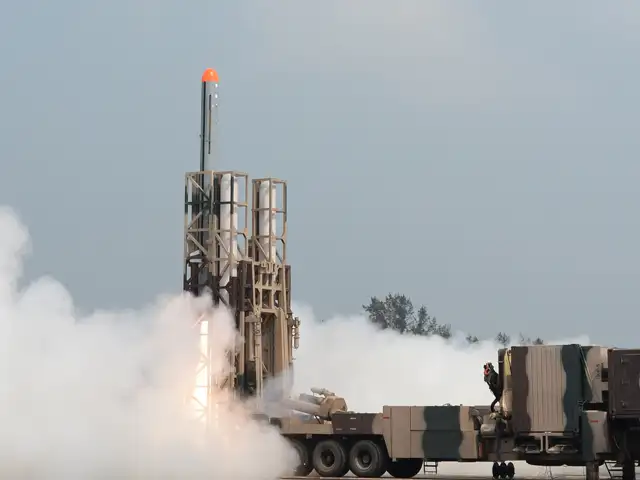
The need to have robust defence capabilities in today's day and age cannot be overstated. India has been aggressively pushing to enhance its ability to deter attacks and up its defence prowess.
2014 saw multiple steps being taken in that direction and India saw many new additions to its defence fleet. We take a look at eight achievements that deserve a special mention:
The need to have robust defence capabilities in today's day and age cannot be overstated. India has been aggressively pushing to enhance its ability to deter attacks and up its defence prowess.
2014 saw multiple steps being taken in that direction and India saw many new additions to its defence fleet. We take a look at eight achievements that deserve a special mention:



ADVERTISEMENT


