Indo-Russian exercise to develop common procedures for maritime security: Official
A top naval official said the ongoing exercise between India and Russia in Bay of Bengal would help develop common understanding of procedures for maritime security operations between the two Navies.
By PTI | Updated:

VISAKHAPATNAM: A top naval official today said the ongoing exercise between India and Russia in Bay of Bengal would help develop common understanding of procedures for maritime security operations between the two Navies.
Addressing a joint media conference on board INS Sahyadri here today, Chief of Eastern Fleet, Eastern Naval Command Rear Admiral SV Bhokare and Deputy Commander of Pacific Fleet, Vice Admiral Ryabukhin Andrey, said the two countries commenced bilateral maritime exercises in 2003 and the 8th edition of ' Indra Navy' series commenced yesterday off Visakhapatnam coast.
Bhokare said the bilateral naval exercise is aimed at increasing interoperability between the two Navies and developing common understanding of procedures for maritime security operations.
He said the scope of 'Indra Navy 15' includes wide- ranging professional interactions during the Harbour phase and a diverse canvas of operational activities at sea across a spectrum of maritime operations.
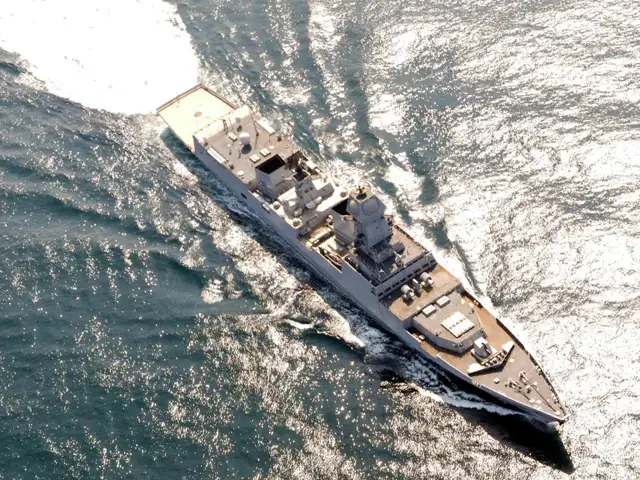
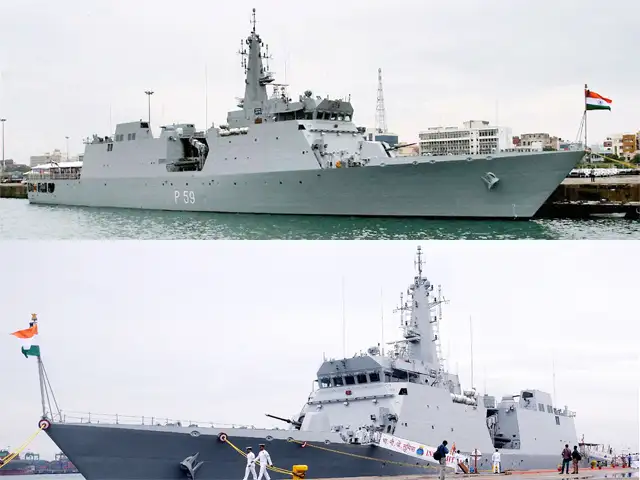
In the current exercise, Indian Navy is being represented by INS Sahyadri (an indigenous frigate), INS Ranvijay (a guided missile destroyer) and INS Shakti (a fleet support ship).
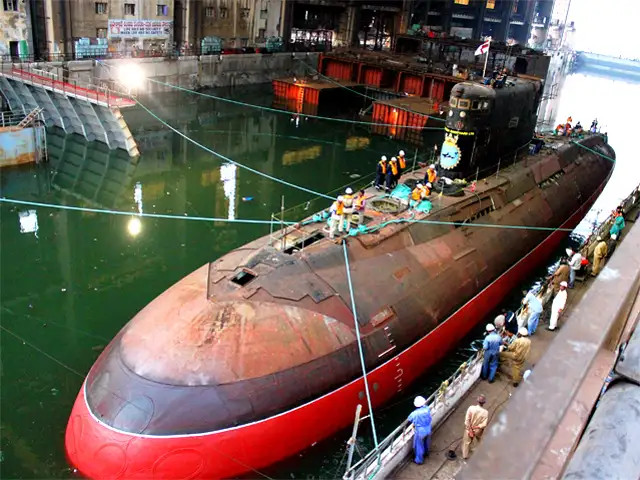
In addition, INS Sindhuvir submarine, the P8I long-range maritime patrol aircraft, Dornier short-range maritime patrol aircraft, Hawk advanced jet trainer and other integral rotary wing helicopters are also participating in the exercise.
The Russian Federation Navy (RFN) ships Varyag (cruiser), Bystry (destroyer), Alatau (rescue ocean going tug) and Boris Butoma (fleet tanker) are also taking part in the operation.
To a query regarding transfer of technology from Russia, the Rear Admiral said India was taking technology from Russia and some other countries as well.
"Russian technology is already in place. We have the deepest relations between the two countries. The technology from Russia available now will be put in use for the development," he said.
The exercise is being held in two phases, the Harbour from December 7 to 9 and the Sea from December 10 to 12.
The Harbour phase would encompass table-top exercises and planning conferences ashore, prior to progressing to the Sea stage which would include various facets of fleet operations.
'Indra Navy' is a bilateral maritime exercise between the Indian and Russian Navies and epitomises the strategic relationship between the two countries, Bokhare said.
Vice Admiral Andrey said he had a long association with the officers and men of the Eastern Naval Command as he imparted training to the crew of INS Chakra here and was happy to participate in the current exercises.
Addressing a joint media conference on board INS Sahyadri here today, Chief of Eastern Fleet, Eastern Naval Command Rear Admiral SV Bhokare and Deputy Commander of Pacific Fleet, Vice Admiral Ryabukhin Andrey, said the two countries commenced bilateral maritime exercises in 2003 and the 8th edition of ' Indra Navy' series commenced yesterday off Visakhapatnam coast.
Bhokare said the bilateral naval exercise is aimed at increasing interoperability between the two Navies and developing common understanding of procedures for maritime security operations.
He said the scope of 'Indra Navy 15' includes wide- ranging professional interactions during the Harbour phase and a diverse canvas of operational activities at sea across a spectrum of maritime operations.
In the current exercise, Indian Navy is being represented by INS Sahyadri (an indigenous frigate), INS Ranvijay (a guided missile destroyer) and INS Shakti (a fleet support ship).
In addition, INS Sindhuvir submarine, the P8I long-range maritime patrol aircraft, Dornier short-range maritime patrol aircraft, Hawk advanced jet trainer and other integral rotary wing helicopters are also participating in the exercise.
ADVERTISEMENT
The Russian Federation Navy (RFN) ships Varyag (cruiser), Bystry (destroyer), Alatau (rescue ocean going tug) and Boris Butoma (fleet tanker) are also taking part in the operation.
To a query regarding transfer of technology from Russia, the Rear Admiral said India was taking technology from Russia and some other countries as well.
"Russian technology is already in place. We have the deepest relations between the two countries. The technology from Russia available now will be put in use for the development," he said.
The exercise is being held in two phases, the Harbour from December 7 to 9 and the Sea from December 10 to 12.
ADVERTISEMENT
The Harbour phase would encompass table-top exercises and planning conferences ashore, prior to progressing to the Sea stage which would include various facets of fleet operations.
'Indra Navy' is a bilateral maritime exercise between the Indian and Russian Navies and epitomises the strategic relationship between the two countries, Bokhare said.
ADVERTISEMENT
Vice Admiral Andrey said he had a long association with the officers and men of the Eastern Naval Command as he imparted training to the crew of INS Chakra here and was happy to participate in the current exercises.
Download
The Economic Times Business News App for the Latest News in Business, Sensex, Stock Market Updates & More.
The Economic Times Business News App for the Latest News in Business, Sensex, Stock Market Updates & More.
Download
The Economic Times News App for Quarterly Results, Latest News in ITR, Business, Share Market, Live Sensex News & More.
The Economic Times News App for Quarterly Results, Latest News in ITR, Business, Share Market, Live Sensex News & More.
Economictimes.com & Agencies
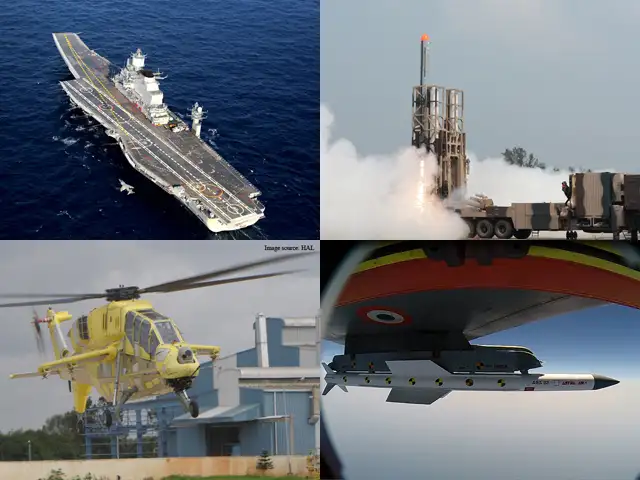
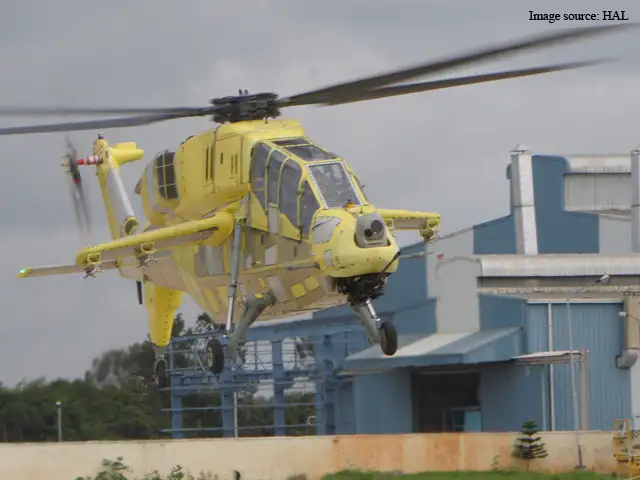
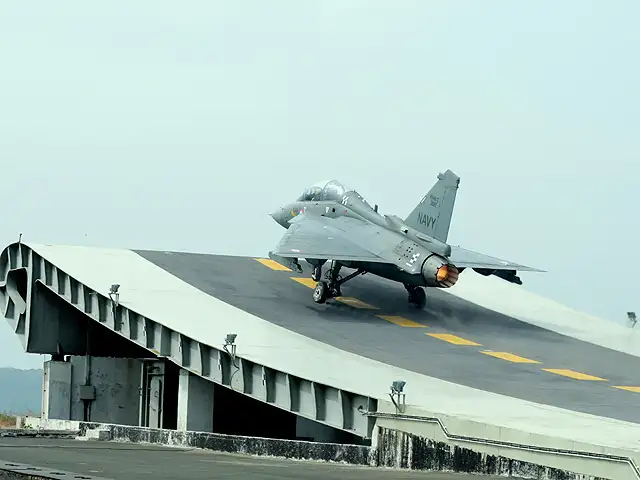
The need to have robust defence capabilities in today's day and age cannot be overstated. India has been aggressively pushing to enhance its ability to deter attacks and up its defence prowess.
2014 saw multiple steps being taken in that direction and India saw many new additions to its defence fleet. We take a look at eight achievements that deserve a special mention:
The need to have robust defence capabilities in today's day and age cannot be overstated. India has been aggressively pushing to enhance its ability to deter attacks and up its defence prowess.
2014 saw multiple steps being taken in that direction and India saw many new additions to its defence fleet. We take a look at eight achievements that deserve a special mention:

ADVERTISEMENT


