Indo, Pakistan border DGs agree to 'enhance communication' for 'tranquil' frontiers
India and Pakistan agreed to jointly resolve sensitive issues like ceasefire violations and cross-border infiltration through timely exchange of information.
By PTI | Updated:

NEW DELHI: As part of efforts to bring peace on the border, India and Pakistan today decided to put a complete ban on firing of mortar shells along International Border (IB) in Jammu and Kashmir which has claimed the lives of several civilians and damaged their houses.
The two sides also agreed to jointly resolve sensitive issues like ceasefire violations and cross-border infiltration through timely exchange of information, including via email and over telephone.
At the conclusion of the three-day DG-level talks between Border Security Force and Pak Rangers here, the two sides inked a 20-point joint record of discussion to follow in the future.
BSF Director General Devendra Kumar Pathak and Pak Rangers DG (Punjab) Maj Gen Umar Farooq Burki signed the official record of talks this afternoon at the headquarters of BSF here after wrapping up their talks that took place almost after a break of two years as relations between the two countries came under strain due to a host of issues on the border.
"The two sides have decided that they will not resort to mortar fire along IB in times of peace. At the same time, it was agreed that the two forces will not use heavy weapons and these sort of weaponry and ammunition will only be used as a last resort," sources said.
They said the two sides discussed that the images of civilians and border population flashing the shiny metal fins of fired mortar shells was a very tragic sight and hence this sort of firing or retaliation should be immediately put to an end.
Mortar is an artillery which fires heavy-damage explosive shells.
The outcome of the talks, which both the sides said were held in a "cordial and constructive atmosphere", also endorsed a Confidence Building Measure (CBM) that in case either side notices suspect movement along IB, they will fire precautionary illumination shots to alert the counterpart that the forthcoming fire is aimed at the intruder and not at them.
"Both sides have pledged to honour the written committments made during these talks. The two forces expressed belief that these words will be honoured in the times to come," they said.
However, Pakistan has put on hold for the time being two other CBMs of cultural and sporting activities exchanges as proposed by BSF.
"Pakistan said it could be implemented after some time is given to the primary decisions taken of ending ceasefire violations and development of mutual trust. They have assured that these two CBMs would be activated before a BSF delegation travels to Pakistan by the middle of next year," they said.
BSF and Rangers also decided to hold coordinated patrolling along IB in Gujarat, Rajasthan and once this is successful, this will be conducted along Jammu frontier too.
The joint record also mentioned that both sides will take extra steps to help and repatriate those who inadvertently cross the border and similarly ensure early release of apprehended fishermen.
The two sides also agreed to jointly resolve sensitive issues like ceasefire violations and cross-border infiltration through timely exchange of information, including via email and over telephone.
At the conclusion of the three-day DG-level talks between Border Security Force and Pak Rangers here, the two sides inked a 20-point joint record of discussion to follow in the future.
BSF Director General Devendra Kumar Pathak and Pak Rangers DG (Punjab) Maj Gen Umar Farooq Burki signed the official record of talks this afternoon at the headquarters of BSF here after wrapping up their talks that took place almost after a break of two years as relations between the two countries came under strain due to a host of issues on the border.
"The two sides have decided that they will not resort to mortar fire along IB in times of peace. At the same time, it was agreed that the two forces will not use heavy weapons and these sort of weaponry and ammunition will only be used as a last resort," sources said.
They said the two sides discussed that the images of civilians and border population flashing the shiny metal fins of fired mortar shells was a very tragic sight and hence this sort of firing or retaliation should be immediately put to an end.
ADVERTISEMENT
Mortar is an artillery which fires heavy-damage explosive shells.
The outcome of the talks, which both the sides said were held in a "cordial and constructive atmosphere", also endorsed a Confidence Building Measure (CBM) that in case either side notices suspect movement along IB, they will fire precautionary illumination shots to alert the counterpart that the forthcoming fire is aimed at the intruder and not at them.
"Both sides have pledged to honour the written committments made during these talks. The two forces expressed belief that these words will be honoured in the times to come," they said.
However, Pakistan has put on hold for the time being two other CBMs of cultural and sporting activities exchanges as proposed by BSF.
ADVERTISEMENT
"Pakistan said it could be implemented after some time is given to the primary decisions taken of ending ceasefire violations and development of mutual trust. They have assured that these two CBMs would be activated before a BSF delegation travels to Pakistan by the middle of next year," they said.
BSF and Rangers also decided to hold coordinated patrolling along IB in Gujarat, Rajasthan and once this is successful, this will be conducted along Jammu frontier too.
ADVERTISEMENT
The joint record also mentioned that both sides will take extra steps to help and repatriate those who inadvertently cross the border and similarly ensure early release of apprehended fishermen.
BSF also put across the point that creation and maintenance of legitimate defence infrastructure along IB should be allowed without any interruption, which the other side accepted and requested for a reciprocal arrangement.
"The Joint Record of Discussion charting a future route map for cooperation between the two border guarding forces was signed today. It was mutually agreed to hold the next talks in the first half of 2016 in Pakistan," a BSF statement said.
"The talks ended on an optimistic note with both sides agreeing on constant endeavour to maintain peaceful and tranquil borders," it added.
The two sides had yesterday concluded their DG-level talks, which was extended by a day.
Pakistan had earlier said it does not support any illegal border crossing as a matter of policy and, despite that, both the sides agreed to work out some "additional methods to further strengthen border control".
ADVERTISEMENT
Sources on the Indian side had said that both the forces, up to the level of Directors General, will exchange mobile numbers, email ids and fax numbers for quick and swift communication to resolve situations on a case-to-case basis.
"The meeting took up specific issues of concern. Incidents of firing at the borders, smuggling of narcotics, infiltration attempts and defence construction activities were discussed.
"The issue of inadvertent crossing over by border population and on how to facilitate their return on both the sides was also discussed," the BSF statement added.
Ceasefire violations by the neighbouring country along the border in Jammu and Kashmir has remained a major irritant in ties between India and Pakistan and these talks were seen as a major point after the NSA-level were cancelled as India told Pakistan that it would not allow separatist leaders to meet Pakistan NSA Sartaj Aziz.
ADVERTISEMENT
Pakistani troops have already violated the ceasefire 11 times in September so far.
Pakistan Rangers, after the signing of the joint record of discussions, left by a special BSF plane to Amritsar where they witnessed the retreat ceremony in the evening on the Indian side at Attari.
Download
The Economic Times Business News App for the Latest News in Business, Sensex, Stock Market Updates & More.
The Economic Times Business News App for the Latest News in Business, Sensex, Stock Market Updates & More.
Download
The Economic Times News App for Quarterly Results, Latest News in ITR, Business, Share Market, Live Sensex News & More.
The Economic Times News App for Quarterly Results, Latest News in ITR, Business, Share Market, Live Sensex News & More.
Related Articles
 Pakistan sees room to improve FY27 outlook after Iran war ends, says Finance Minister Aurangzeb2026-06-16T03:53:01Z
- Pakistan eyes more global bond issues, sees budget upside from Iran deal2026-06-16T03:43:23Z
- Pakistan: PAF trainer aircraft crashes near Mardan, both pilots die during training sortie2026-06-15T14:08:33Z
Economictimes.com & Agencies
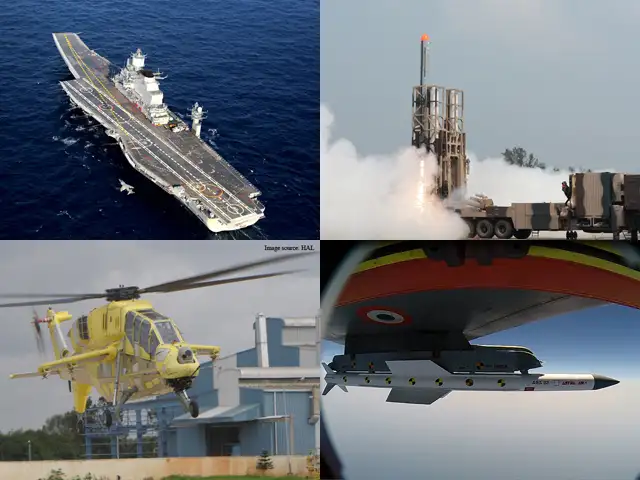
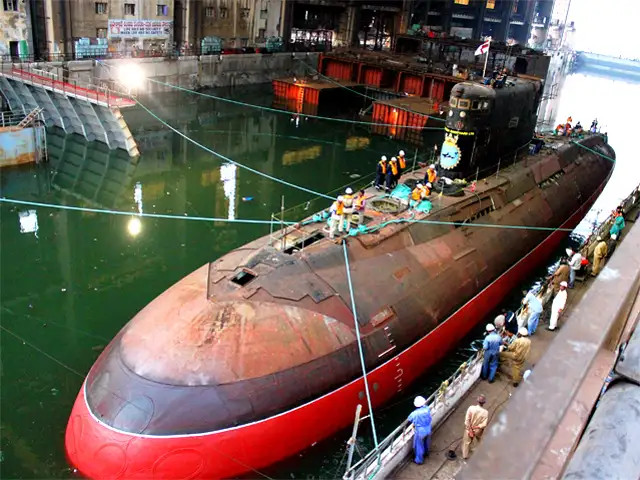
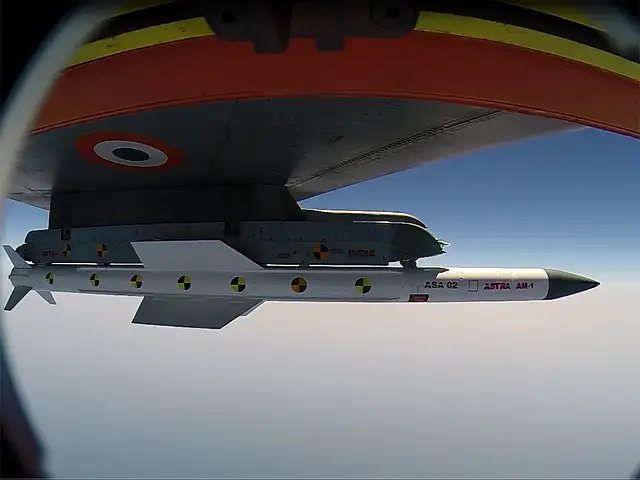
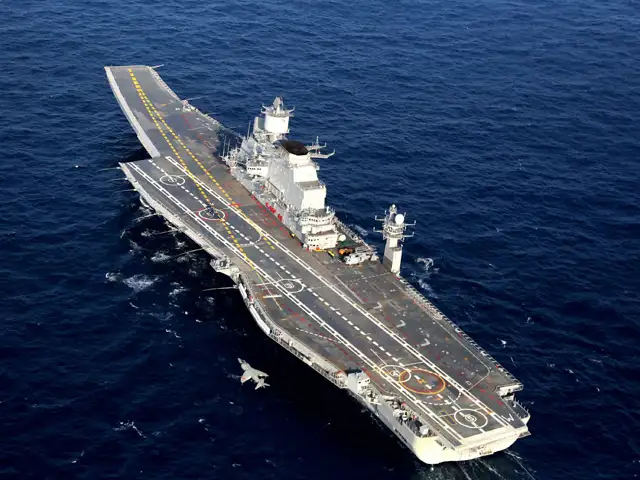
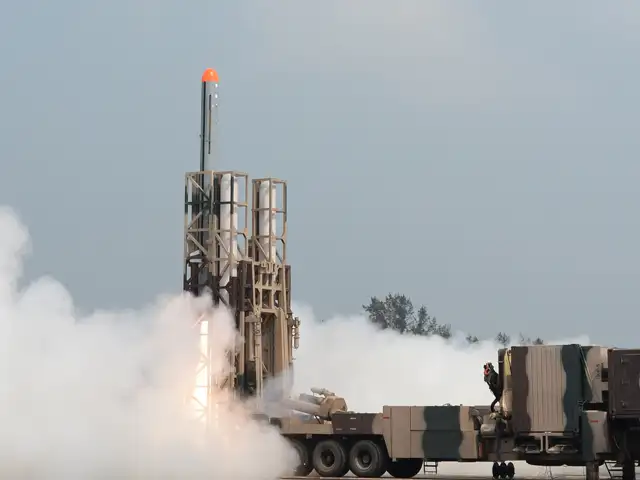
The need to have robust defence capabilities in today's day and age cannot be overstated. India has been aggressively pushing to enhance its ability to deter attacks and up its defence prowess.
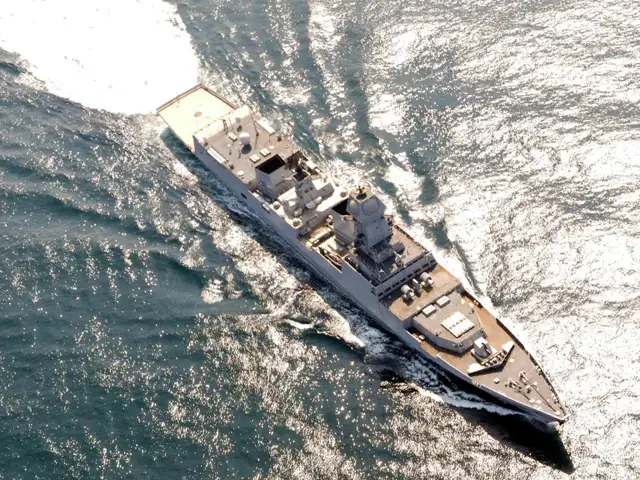
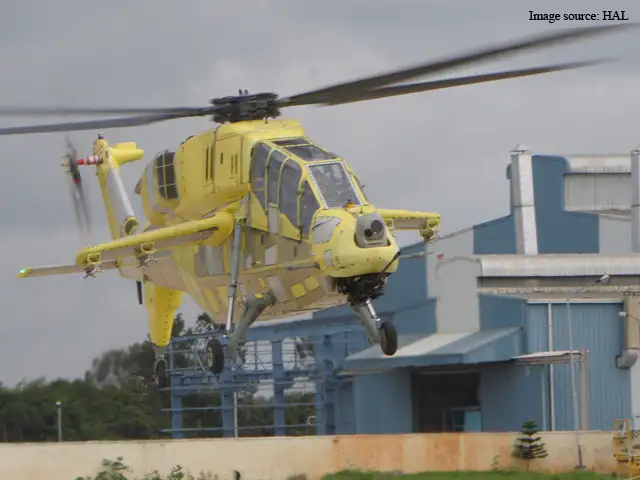
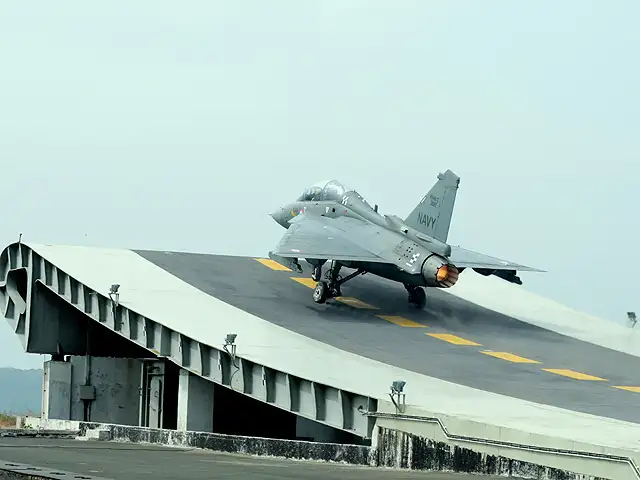
2014 saw multiple steps being taken in that direction and India saw many new additions to its defence fleet. We take a look at eight achievements that deserve a special mention:
The need to have robust defence capabilities in today's day and age cannot be overstated. India has been aggressively pushing to enhance its ability to deter attacks and up its defence prowess.
2014 saw multiple steps being taken in that direction and India saw many new additions to its defence fleet. We take a look at eight achievements that deserve a special mention:


ADVERTISEMENT


