Indigenously developed Prithvi-II missile successfully test-fired
The missile test was carried out from a mobile launcher from launch complex-3 of the Integrated Test Range (ITR) at about 1000 hrs, defence officials said.
By PTI | Updated:

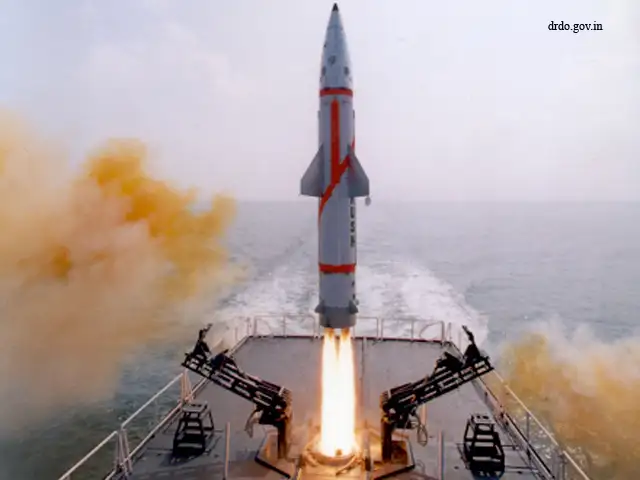
BALASORE: India today test-fired its indigenously developed Prithvi-II missile, which is capable of carrying 500 kg to 1000 kg of warheads, as part of a user trial by the army from a test range at Chandipur.
The missile test was carried out from a mobile launcher from launch complex-3 of the Integrated Test Range (ITR) at about 1000 hrs, defence officials said.
Follow @ETDefence Twitter handle for comprehensive coverage on other buzzing Defence stories
With a strike range of 350 km, the surface-to-surface Prithvi-II is capable of carrying 500 kg to 1,000 kg of warheads and is thrusted by liquid propulsion twin engines.
It uses advanced inertial guidance system with manoeuvring trajectory to hit its target.
The trial data of the missile trial conducted by the specially formed Strategic Force Command (SFC) were being analysed, they said.
The missile was randomly chosen from the production stock and the entire launch activities were carried out by the SFC and monitored by the scientists of Defence Research and Development Organisation ( DRDO) as part of training exercise, a defence scientist said.
The missile trajectory was tracked by DRDO radars, electro-optical tracking systems and telemetry stations located along the coast of Odisha.
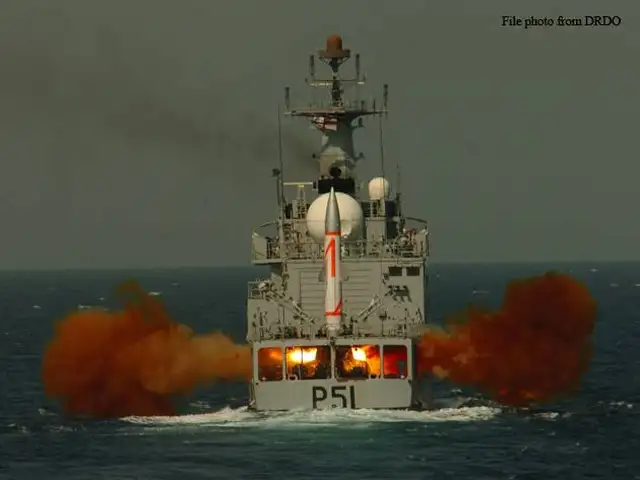
The downrange teams on board the ship deployed near the designated impact point in the Bay of Bengal monitored the terminal events and splashdown, they said.
Inducted into India's armed forces in 2003, Prithvi II, the first missile to be developed by DRDO under India's prestigious IGMDP (Integrated Guided Missile Development Program) is now a proven technology, they said.
Such training launches clearly indicate India's operational readiness to meet any eventuality and also establishes the reliability of this deterrent component of India's Strategic arsenal, they said.
The last user trial of Prithvi-II was successfully conducted on November 26, 2015 from the same test range in Odisha.
The missile test was carried out from a mobile launcher from launch complex-3 of the Integrated Test Range (ITR) at about 1000 hrs, defence officials said.
Follow @ETDefence Twitter handle for comprehensive coverage on other buzzing Defence stories
With a strike range of 350 km, the surface-to-surface Prithvi-II is capable of carrying 500 kg to 1,000 kg of warheads and is thrusted by liquid propulsion twin engines.
It uses advanced inertial guidance system with manoeuvring trajectory to hit its target.
The trial data of the missile trial conducted by the specially formed Strategic Force Command (SFC) were being analysed, they said.
ADVERTISEMENT
The missile was randomly chosen from the production stock and the entire launch activities were carried out by the SFC and monitored by the scientists of Defence Research and Development Organisation ( DRDO) as part of training exercise, a defence scientist said.
The missile trajectory was tracked by DRDO radars, electro-optical tracking systems and telemetry stations located along the coast of Odisha.
The downrange teams on board the ship deployed near the designated impact point in the Bay of Bengal monitored the terminal events and splashdown, they said.
Inducted into India's armed forces in 2003, Prithvi II, the first missile to be developed by DRDO under India's prestigious IGMDP (Integrated Guided Missile Development Program) is now a proven technology, they said.
ADVERTISEMENT
Such training launches clearly indicate India's operational readiness to meet any eventuality and also establishes the reliability of this deterrent component of India's Strategic arsenal, they said.
The last user trial of Prithvi-II was successfully conducted on November 26, 2015 from the same test range in Odisha.
Download
The Economic Times Business News App for the Latest News in Business, Sensex, Stock Market Updates & More.
The Economic Times Business News App for the Latest News in Business, Sensex, Stock Market Updates & More.
Download
The Economic Times News App for Quarterly Results, Latest News in ITR, Business, Share Market, Live Sensex News & More.
The Economic Times News App for Quarterly Results, Latest News in ITR, Business, Share Market, Live Sensex News & More.
Related Articles
 Indian Navy recovers unexploded missile warhead from tanker off Kochi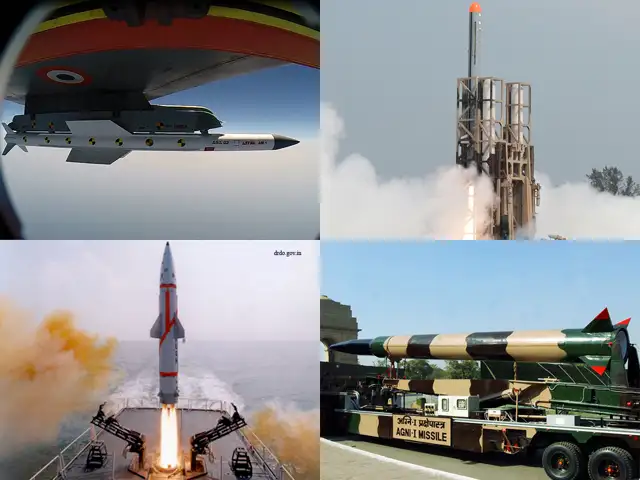
Text: TNN & Agencies
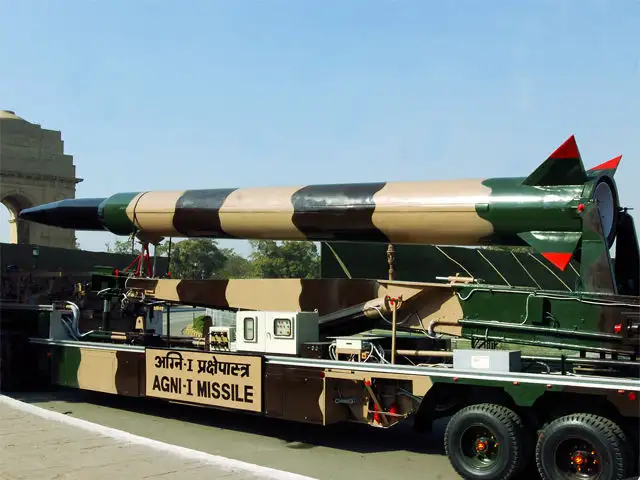
India may have developed surface-to-surface nuclear missiles like the Agni-V, which can strike targets over 5,000-km away, but has struggled to develop a complex BVR (beyond visual range) air combat missile like Astra for over a decade now.
Once the all-weather Astra is ready, India will join a handful of countries like the US, Russia, France and Israel which have developed such sleek missiles capable of detecting, tracking and destroying highly-agile, hostile supersonic fighters packed with “counter-measures” at long ranges.
Indian fighters are currently armed with Russian, French and Israeli BVR missiles, which cost a packet in the absence of a cheaper indigenous alternative.
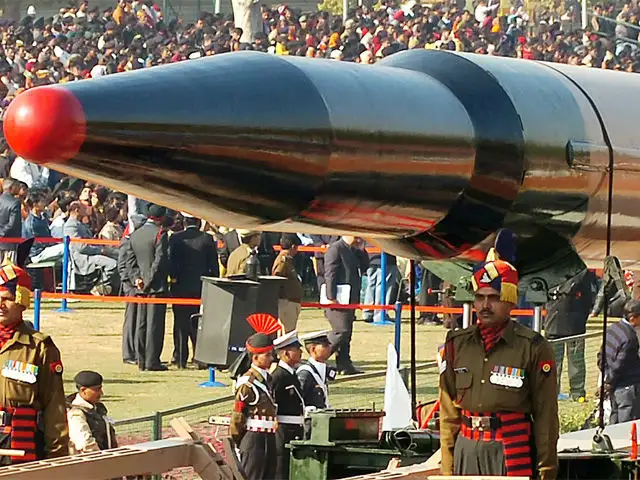
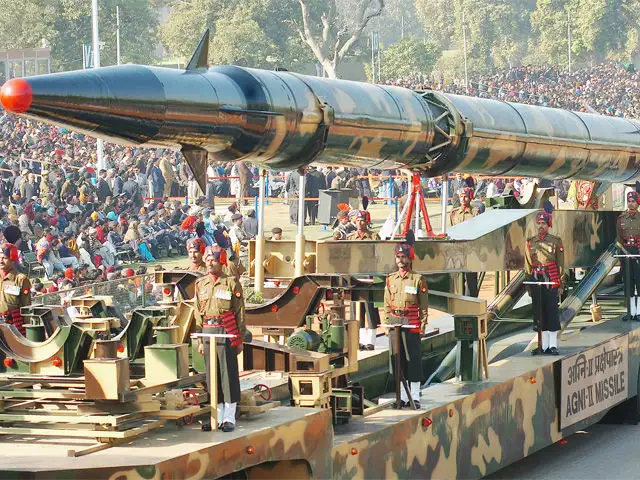
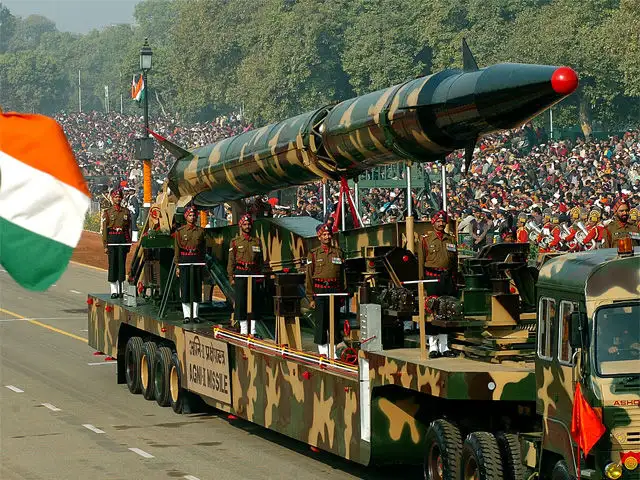
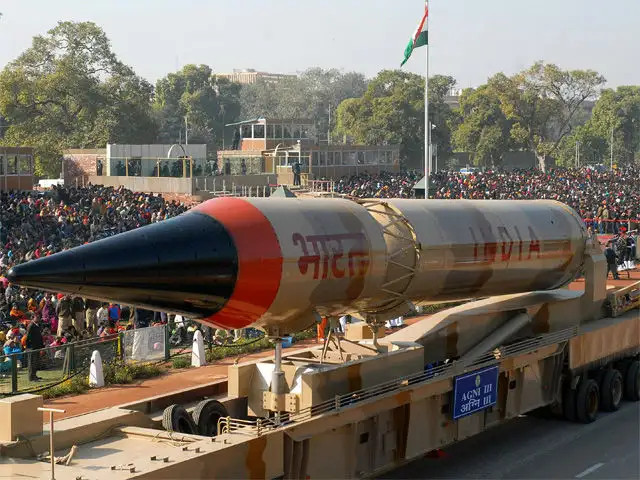
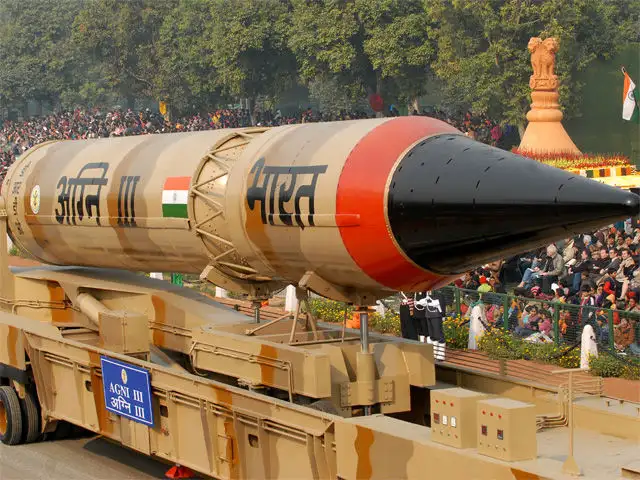
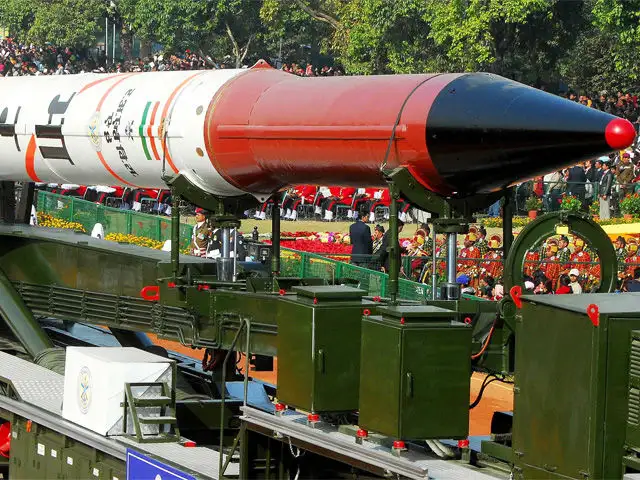
Here we take a look at the status of India’s indigenous missile power...
Image: DRDO
India may have developed surface-to-surface nuclear missiles like the Agni-V, which can strike targets over 5,000-km away, but has struggled to develop a complex BVR (beyond visual range) air combat missile like Astra for over a decade now.
Once the all-weather Astra is ready, India will join a handful of countries like the US, Russia, France and Israel which have developed such sleek missiles capable of detecting, tracking and destroying highly-agile, hostile supersonic fighters packed with “counter-measures” at long ranges.
Indian fighters are currently armed with Russian, French and Israeli BVR missiles, which cost a packet in the absence of a cheaper indigenous alternative.
Here we take a look at the status of India’s indigenous missile power...
Image: DRDO

ADVERTISEMENT


