Indian Navy bids adieu to TU 142M patrol and anti-sub aircraft
The Russian-made aircraft was bid adieu by the navy including its Chief Admiral Sunil Lanba at a ceremony at INS Rajali here, about 90 km from Chennai.
By PTI | Updated:

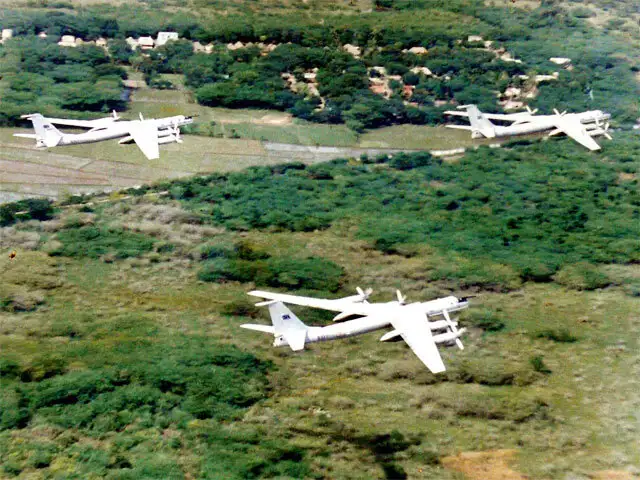
ARAKKONAM (TN): The Indian Navy's workhorse long-range maritime patrol aircraft TU 142M, which played a key role in operations including the IPKF mission in Sri Lanka, was today de-inducted after 29 years of accident-free service.
The Russian-made aircraft was bid adieu by the navy including its Chief Admiral Sunil Lanba at a ceremony at INS Rajali here, about 90 km from Chennai.
The de-induction marked the end of Tupolev 142M's illustrious career with the Navy.
Tupolev-142M fleet is being replaced by 12 P-8I maritime surveillance aircraft of Boeing which are equipped with harpoon anti-ship missiles, lightweight torpedoes, rockets and new generation sensors and radars.
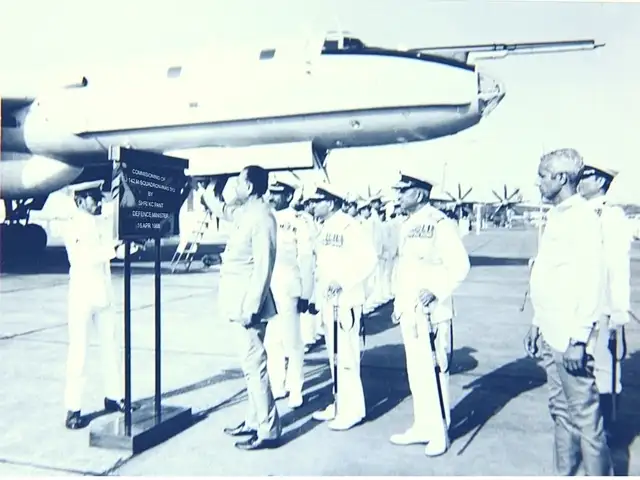
TU 142M was inducted in the Navy at Dabolim in Goa in 1998 from Russia. It shifted base to INS Rajali in 1992 and took part in several naval exercises and operations.
Praising the services of the TU 142M, Admiral Lanba said the aircraft played a key role in several operations involving the Indian Navy including the Indian Peace Keeping Force (IPKF) operations in Sri Lanka in the late 1980s.
"TU 142M stands as a proud symbol of pride and might," he said, adding the de-induction ceremony was an emotional moment for the personnel involved with it.
He said P-8i with its modern technology including sensors and radars will be a "force multiplier."
The Navy chief said the outgoing TU142M "has always inspired respect and admiration."
Tracing its journey, he recalled it was inducted in the Indian Navy in the late 80s and had empowered the force with "unprecedented long range maritime reconnaissance, anti- submarine warfare capability."
"At the time of their induction, their speed and endurance were among the best in the world. These qualities gave them considerable tactical advantage in the air. Till date they have served with distinction," Admiral Lanba said.
Besides the IPKF operations, it also played a "crucial role" in Operation Cactus in Maldives in 1988 where fleeing mercenaries were detected and tracked by the aircraft before they were apprehended by Navy ships, he recalled.
Even in this month's TROPEX 2017 exercise, the ageing squadron had "performed admirably" where they had put in 53 hours of flight, Lanba said.
On the new fleet of P8-I Boeing, the Navy chief said eight of the total 12 "state-of-the-art" aircraft have already been inducted while the rest will join the force in coming years.
"P8-I Boeing is a long range anti submarine warfare aircraft. It is a modern aircraft, but more importantly it has modern sensors and systems in it in the form of radars, electronics and weapons. There is quantum change in the technology" (compared to TU142M), he said.
"It is best in the world at the moment. We are the (one of the) first two navies to induct it simultaneously with the US. We have been operating it for three years. It is a force multiplier and a great capability enhancement in the navy," Lanba added.
The aircraft has been "fully integrated into Navy's operations and was the "most potent anti submarine platforms that the Indian Navy possesses today," he added.
INS Rajali also celebrated its silver jubilee today.
A special Postal Cover was released to mark the occasion while a plaque, containing the names of all the Commanding Officers of the station, and the various aircraft here, was unveiled by Lanba.
The Russian-made aircraft was bid adieu by the navy including its Chief Admiral Sunil Lanba at a ceremony at INS Rajali here, about 90 km from Chennai.
The de-induction marked the end of Tupolev 142M's illustrious career with the Navy.
Tupolev-142M fleet is being replaced by 12 P-8I maritime surveillance aircraft of Boeing which are equipped with harpoon anti-ship missiles, lightweight torpedoes, rockets and new generation sensors and radars.
TU 142M was inducted in the Navy at Dabolim in Goa in 1998 from Russia. It shifted base to INS Rajali in 1992 and took part in several naval exercises and operations.
Praising the services of the TU 142M, Admiral Lanba said the aircraft played a key role in several operations involving the Indian Navy including the Indian Peace Keeping Force (IPKF) operations in Sri Lanka in the late 1980s.
ADVERTISEMENT
"TU 142M stands as a proud symbol of pride and might," he said, adding the de-induction ceremony was an emotional moment for the personnel involved with it.
He said P-8i with its modern technology including sensors and radars will be a "force multiplier."
The Navy chief said the outgoing TU142M "has always inspired respect and admiration."
Tracing its journey, he recalled it was inducted in the Indian Navy in the late 80s and had empowered the force with "unprecedented long range maritime reconnaissance, anti- submarine warfare capability."
ADVERTISEMENT
"At the time of their induction, their speed and endurance were among the best in the world. These qualities gave them considerable tactical advantage in the air. Till date they have served with distinction," Admiral Lanba said.
Besides the IPKF operations, it also played a "crucial role" in Operation Cactus in Maldives in 1988 where fleeing mercenaries were detected and tracked by the aircraft before they were apprehended by Navy ships, he recalled.
ADVERTISEMENT
Even in this month's TROPEX 2017 exercise, the ageing squadron had "performed admirably" where they had put in 53 hours of flight, Lanba said.
On the new fleet of P8-I Boeing, the Navy chief said eight of the total 12 "state-of-the-art" aircraft have already been inducted while the rest will join the force in coming years.
"P8-I Boeing is a long range anti submarine warfare aircraft. It is a modern aircraft, but more importantly it has modern sensors and systems in it in the form of radars, electronics and weapons. There is quantum change in the technology" (compared to TU142M), he said.
"It is best in the world at the moment. We are the (one of the) first two navies to induct it simultaneously with the US. We have been operating it for three years. It is a force multiplier and a great capability enhancement in the navy," Lanba added.
The aircraft has been "fully integrated into Navy's operations and was the "most potent anti submarine platforms that the Indian Navy possesses today," he added.
INS Rajali also celebrated its silver jubilee today.
A special Postal Cover was released to mark the occasion while a plaque, containing the names of all the Commanding Officers of the station, and the various aircraft here, was unveiled by Lanba.
Download
The Economic Times Business News App for the Latest News in Business, Sensex, Stock Market Updates & More.
The Economic Times Business News App for the Latest News in Business, Sensex, Stock Market Updates & More.
Download
The Economic Times News App for Quarterly Results, Latest News in ITR, Business, Share Market, Live Sensex News & More.
The Economic Times News App for Quarterly Results, Latest News in ITR, Business, Share Market, Live Sensex News & More.
Related Articles
 B52 crashed: Why are jumbo jet sized bombers such as B-52, Tu-95 and H-6 still flying amid advanced air defenses and stealth fighter jets2026-06-17T04:46:23Z
- Russia’s Tu-22M3 and US B-52 crash on the same day in a strange coincidence as viral videos spark buzz on social media - Check cause of crash2026-06-16T06:57:57Z
- Jaane Tu... Ya Jaane Na actress Manjari Fadnnis alleges brutal killing of society dog, seeks justice, watch video2026-06-09T13:49:08Z
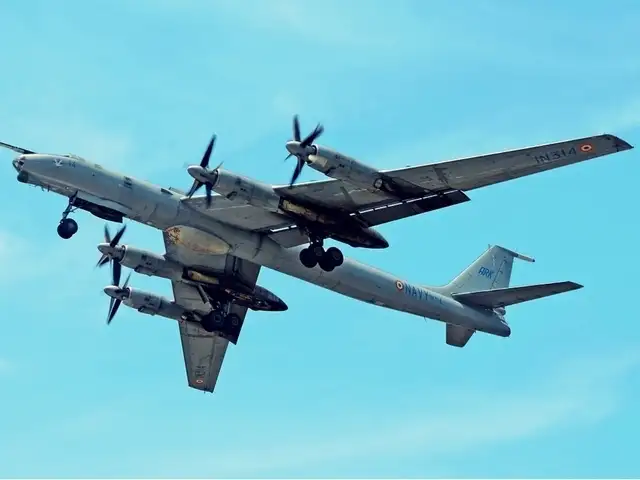
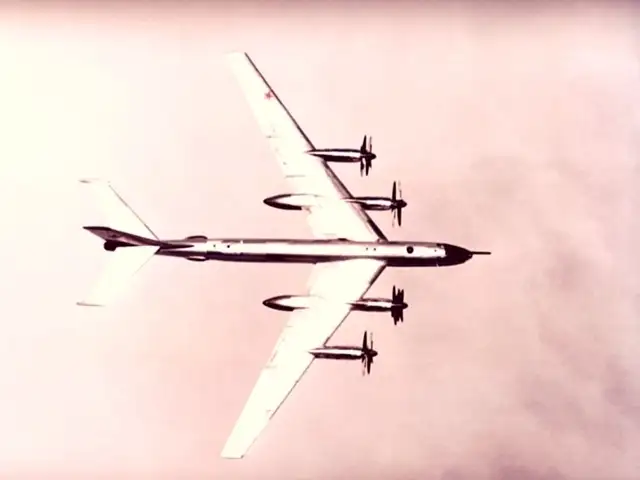
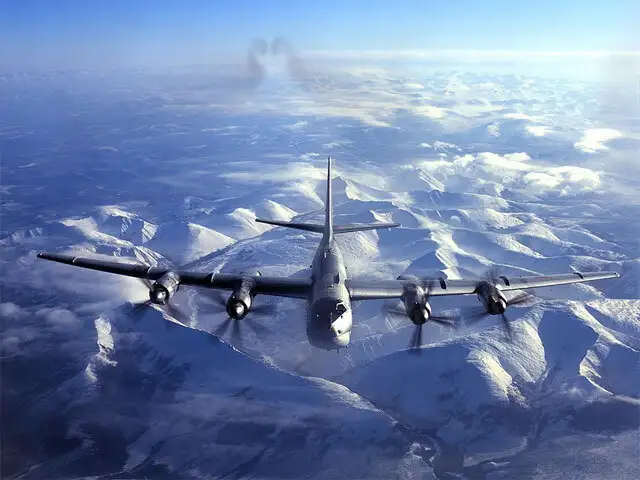
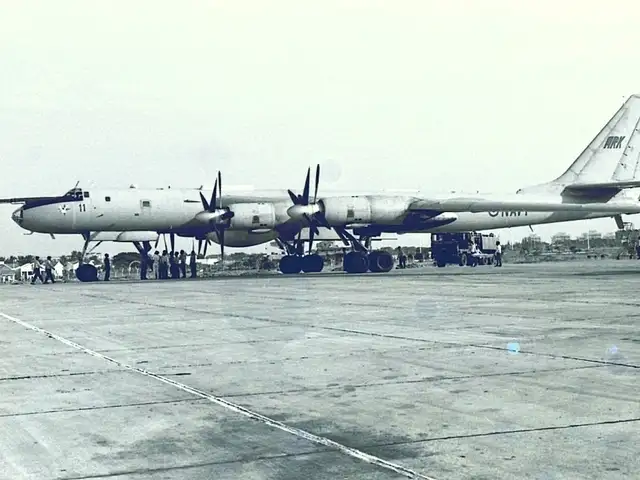
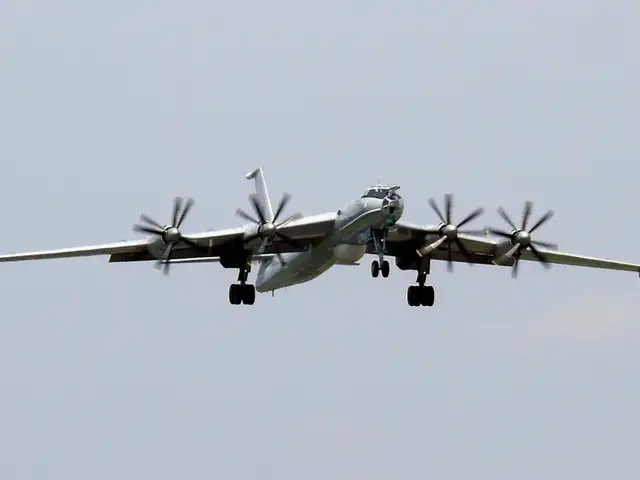
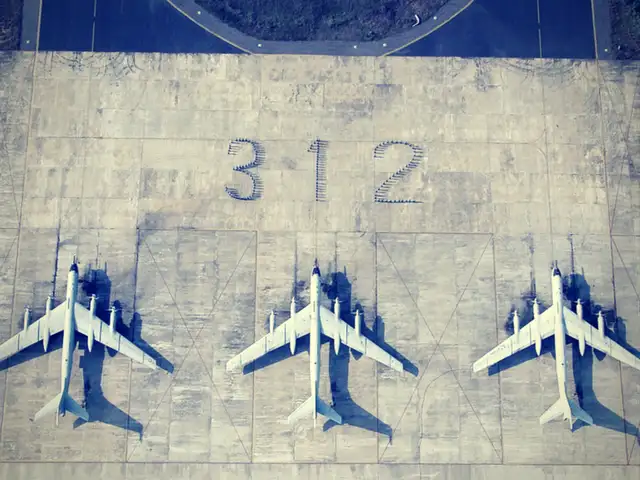
Also known as the ‘Bear’ by NATO and ‘Albatross’ by the Indian Navy, due to its long wingspan, the Soviet era aircraft provided India with the required surveillance and anti-submarine warfare capabilities. Making it a force to reckon with not only in the Indian Ocean Region, but across the world.
This is the story of this beast of a machine.

ADVERTISEMENT


