Indian Army successfully test-fires Brahmos land attack missile
The missile was test launched by a Mobile Autonomous Launcher (MAL) deployed in full configuration.
By PTI | Updated:

POKHRAN: Army on Saturday successfully test fired the nearly 300-km-range Brahmos supersonic land attack cruise missile here.
"At 1000 hrs today, the Indian Army fired Brahmos land- attack cruise missile successfully against a designated target at Pokhran test range in Rajasthan, demonstrating the weapon's supreme operational capability," defence officials said.
Follow @ETDefence Twitter handle for comprehensive coverage on other buzzing Defence stories
The missile was test launched by a Mobile Autonomous Launcher (MAL) deployed in full configuration.
The test-fire, carried out in the user-deployment configuration by trained army personnel, met all the mission objectives, they said.
Also read: BrahMos-missile "first of its kind" in the world to be integrated on fighter aircraft: HAL
"BRAHMOS missile system, the most lethal and potent weapon system for precision strike available with Indian Army, has proved again its effectiveness in today's successful launch," said Sudhir Mihra, Chief of BrahMos Aerospace.
The Army has already inducted three regiments of Brahmos in its arsenal. All are equipped with Block-III version of missile, which was tested on May 8 and 9 this year.
The land-attack version of Brahmos has been operationalised in the Army since 2007.
The fire-and-forget Missile has the capability to take on surface-based targets by flying a combined high-low trajectory, thus evading enemy air defence systems.
Inclusion of the powerful weapon system in Indian Army has given it a distinct operational advantage to knock down any enemy target even in the most difficult and hidden terrains, the officials said.
The missile, having a range of 290-km and a Mach 2.8 speed, is capable of being launched from land, sea, sub-sea and air against sea and land targets.
BrahMos is a joint venture between DRDO of India and NPOM of Russia.
"At 1000 hrs today, the Indian Army fired Brahmos land- attack cruise missile successfully against a designated target at Pokhran test range in Rajasthan, demonstrating the weapon's supreme operational capability," defence officials said.
Follow @ETDefence Twitter handle for comprehensive coverage on other buzzing Defence stories
The missile was test launched by a Mobile Autonomous Launcher (MAL) deployed in full configuration.
The test-fire, carried out in the user-deployment configuration by trained army personnel, met all the mission objectives, they said.
Also read: BrahMos-missile "first of its kind" in the world to be integrated on fighter aircraft: HAL
ADVERTISEMENT
"BRAHMOS missile system, the most lethal and potent weapon system for precision strike available with Indian Army, has proved again its effectiveness in today's successful launch," said Sudhir Mihra, Chief of BrahMos Aerospace.
The Army has already inducted three regiments of Brahmos in its arsenal. All are equipped with Block-III version of missile, which was tested on May 8 and 9 this year.
The land-attack version of Brahmos has been operationalised in the Army since 2007.
The fire-and-forget Missile has the capability to take on surface-based targets by flying a combined high-low trajectory, thus evading enemy air defence systems.
ADVERTISEMENT
Inclusion of the powerful weapon system in Indian Army has given it a distinct operational advantage to knock down any enemy target even in the most difficult and hidden terrains, the officials said.
The missile, having a range of 290-km and a Mach 2.8 speed, is capable of being launched from land, sea, sub-sea and air against sea and land targets.
ADVERTISEMENT
BrahMos is a joint venture between DRDO of India and NPOM of Russia.
Download
The Economic Times Business News App for the Latest News in Business, Sensex, Stock Market Updates & More.
The Economic Times Business News App for the Latest News in Business, Sensex, Stock Market Updates & More.
Download
The Economic Times News App for Quarterly Results, Latest News in ITR, Business, Share Market, Live Sensex News & More.
The Economic Times News App for Quarterly Results, Latest News in ITR, Business, Share Market, Live Sensex News & More.
Related Articles
 Indian Army plans largest-ever K9 Vajra acquisition with order for 300 additional guns; check its features2026-06-12T14:44:04Z
- Jammu and Kashmir: Joint anti-terror operation by Indian Army,Police and CRPF enters fourteenth day in Rajouri2026-06-06T04:45:09Z
- Indian Army soldiers participate in yoga session at 9,000 feet in Arunachal Pradesh2026-05-31T13:10:34Z
Text: TNN & Agencies
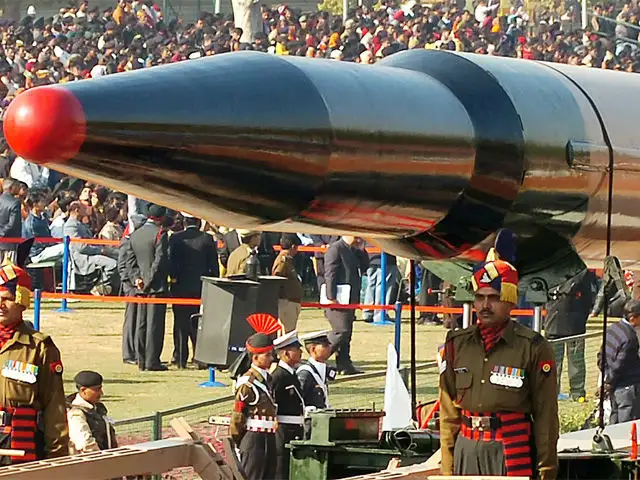
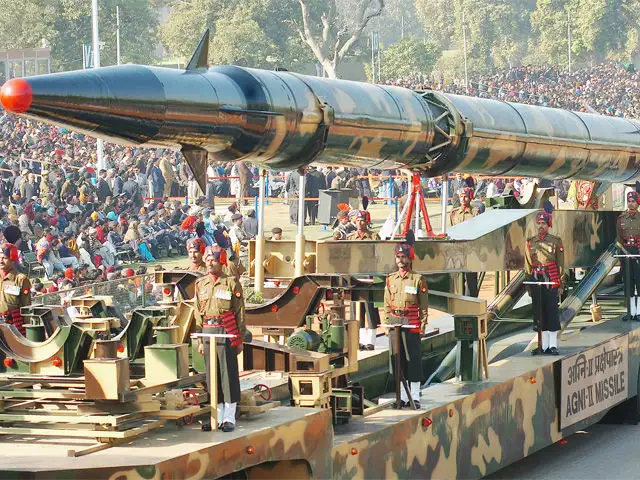
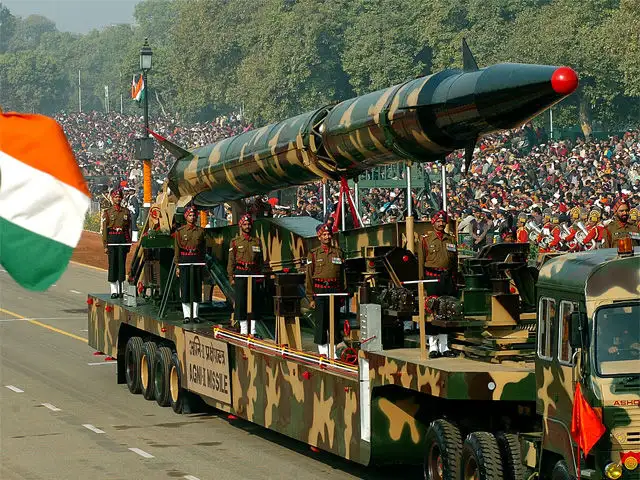
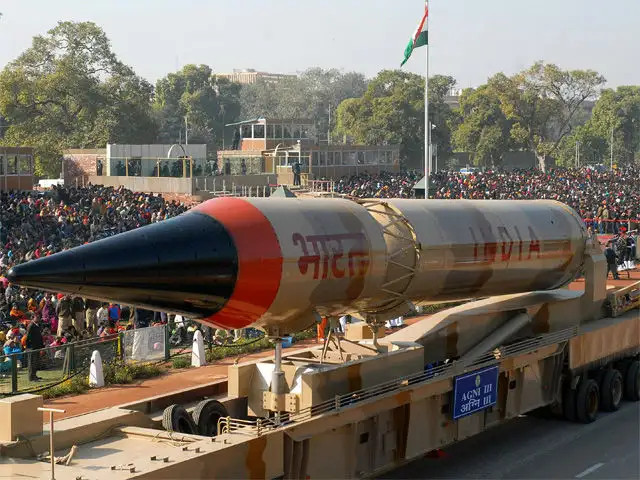
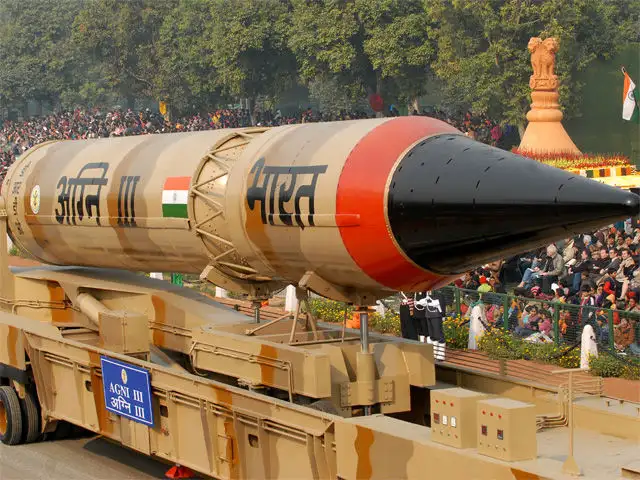
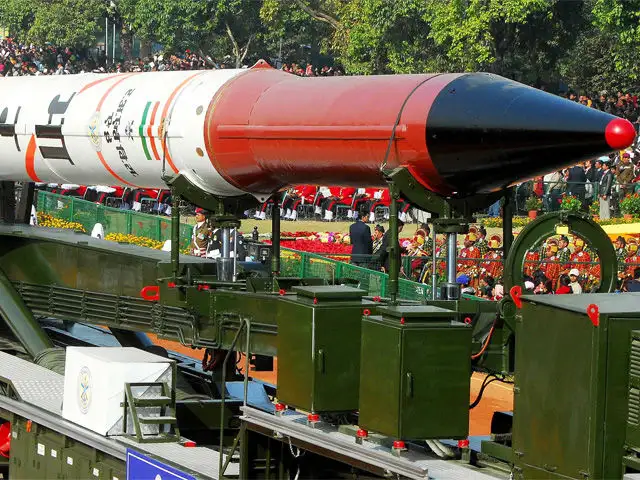
India may have developed surface-to-surface nuclear missiles like the Agni-V, which can strike targets over 5,000-km away, but has struggled to develop a complex BVR (beyond visual range) air combat missile like Astra for over a decade now.
Once the all-weather Astra is ready, India will join a handful of countries like the US, Russia, France and Israel which have developed such sleek missiles capable of detecting, tracking and destroying highly-agile, hostile supersonic fighters packed with “counter-measures” at long ranges.
Indian fighters are currently armed with Russian, French and Israeli BVR missiles, which cost a packet in the absence of a cheaper indigenous alternative.
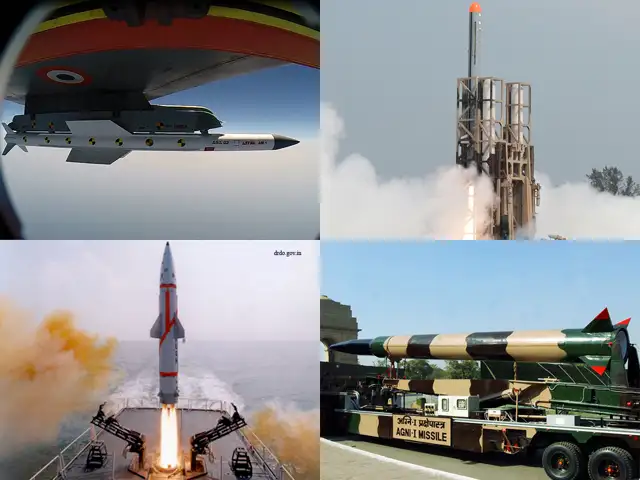
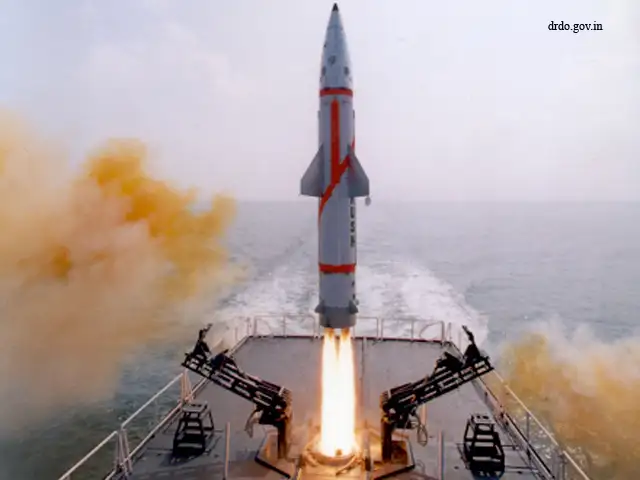
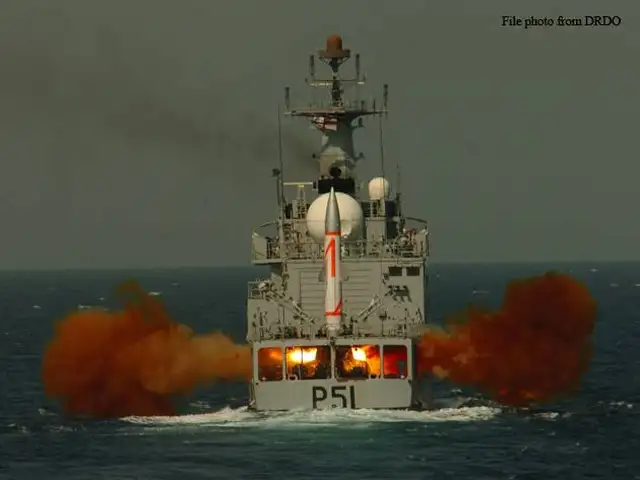
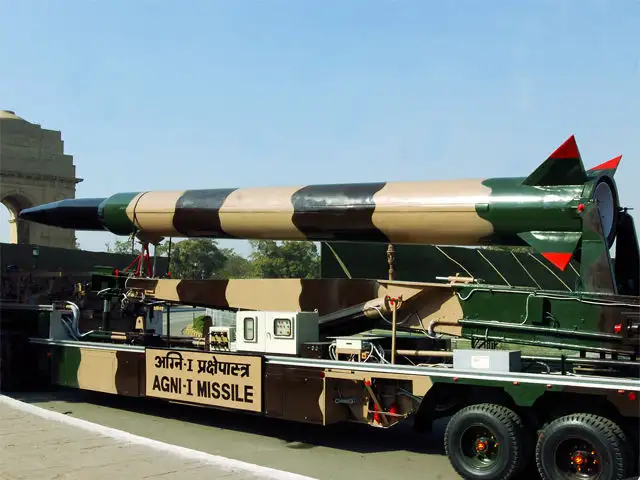
Here we take a look at the status of India’s indigenous missile power...
Image: DRDO
India may have developed surface-to-surface nuclear missiles like the Agni-V, which can strike targets over 5,000-km away, but has struggled to develop a complex BVR (beyond visual range) air combat missile like Astra for over a decade now.
Once the all-weather Astra is ready, India will join a handful of countries like the US, Russia, France and Israel which have developed such sleek missiles capable of detecting, tracking and destroying highly-agile, hostile supersonic fighters packed with “counter-measures” at long ranges.
Indian fighters are currently armed with Russian, French and Israeli BVR missiles, which cost a packet in the absence of a cheaper indigenous alternative.
Here we take a look at the status of India’s indigenous missile power...
Image: DRDO

ADVERTISEMENT


