Indian Air Force plans to create a separate UAV cadre for future wars
IAF is actively considering the creation of a separate cadre for UAVs, including the combat versions, missiles, air defence and other weapon systems.
By Chethan Kumar, TNN | Updated:

BANGALORE: With changing threat perceptions and anticipated future warfare scenarios, the Indian Air Force is actively considering the creation of a separate cadre for unmanned aerial vehicles (UAVs), including the combat versions (UCAVs), missiles, air defence and other weapon systems, a proposal for which is being vetted by the Air Headquarters.
This would mean that from the time of recruitment, candidates will be selected for these specific cadres just like fighter, transport and helicopter pilots are picked, increasing career options for aspirants.
With the IAF inducting the bulk of the over 200 UAVs and remotely piloted vehicles (RPVs) acquired by the Indian armed forces since 2000, the IAF Training Command, headquartered in Bengaluru, had taken the leading by asking for a separate UAV cadre in 2012.
Follow @ETDefence Twitter handle for comprehensive coverage on other buzzing Defence stories
Sources in South Block told TOI that the proposal has now been expanded to a "weapon systems branch", which will include drones, air defence missiles and other weapons systems, which are all headed and largely handled by officers from the flying branch as of now.
"This will be a role-specific cadre, so that the officers are trained for a specific role from the word go," a senior official said. The IAF is in the process of expanding its UAV fleet, which includes surveillance, precision-targeting and "armed" drones. The force has now even begun inducting micro-drones for its Garud Commando Force.
Former IAF training Command chief Air Marshal (retd) Dhiraj Kukreja, during whose tenure the specialised UAV cadre was first mooted, told TOI: "A lot of money and time is spent on training pilots, especially fighter pilots. Using them for other roles unless they are medically incapable of being pilots is a waste of resources. That's why this was first considered."
While pointing out the importance of the role of UAVs, as successfully demonstrated by Israel and the US (both have separate cadres for drones), another serving officer underlined the importance of the man behind the mission. "We will need this for the future," he said.
Adding that recruitment of officers or personnel for a specific role like operating drones will prove beneficial in the long run, given the assessed dynamics of future warfare, the officer said, "Although UAVs and missile systems may seem like video game screens, the men behind these screens or joy sticks are as important as other officers in the air force."
Air Marshal Kukreja, in turn, said, "It is not that today one is a civilian and tomorrow he is thrown into something like this. The IAF will look for the same kind of mind and body that any pilot is required to have. These officers will be as integral to combat operations as others."
Stating that all physical and mental abilities required in a pilot will be sought while getting new recruits for such a cadre, he said, "The UAVs will not be flying alone, and their role will not be independent of the IAF's scheme of things. So, the selection will be as tough."
Another senior officer said that the training for the new cadre, if the proposal is accepted, will include 30 to 40 hours of flying experience. "Although officers in this cadre will not go on to become traditional pilots, flying experience after the ab initio training is seen as necessary for them to understand the environment in which the UAVs or other weapons systems need to be used," the officer said.
This would mean that from the time of recruitment, candidates will be selected for these specific cadres just like fighter, transport and helicopter pilots are picked, increasing career options for aspirants.
With the IAF inducting the bulk of the over 200 UAVs and remotely piloted vehicles (RPVs) acquired by the Indian armed forces since 2000, the IAF Training Command, headquartered in Bengaluru, had taken the leading by asking for a separate UAV cadre in 2012.
Follow @ETDefence Twitter handle for comprehensive coverage on other buzzing Defence stories
Sources in South Block told TOI that the proposal has now been expanded to a "weapon systems branch", which will include drones, air defence missiles and other weapons systems, which are all headed and largely handled by officers from the flying branch as of now.
ADVERTISEMENT
"This will be a role-specific cadre, so that the officers are trained for a specific role from the word go," a senior official said. The IAF is in the process of expanding its UAV fleet, which includes surveillance, precision-targeting and "armed" drones. The force has now even begun inducting micro-drones for its Garud Commando Force.
Former IAF training Command chief Air Marshal (retd) Dhiraj Kukreja, during whose tenure the specialised UAV cadre was first mooted, told TOI: "A lot of money and time is spent on training pilots, especially fighter pilots. Using them for other roles unless they are medically incapable of being pilots is a waste of resources. That's why this was first considered."
While pointing out the importance of the role of UAVs, as successfully demonstrated by Israel and the US (both have separate cadres for drones), another serving officer underlined the importance of the man behind the mission. "We will need this for the future," he said.
Adding that recruitment of officers or personnel for a specific role like operating drones will prove beneficial in the long run, given the assessed dynamics of future warfare, the officer said, "Although UAVs and missile systems may seem like video game screens, the men behind these screens or joy sticks are as important as other officers in the air force."
ADVERTISEMENT
Air Marshal Kukreja, in turn, said, "It is not that today one is a civilian and tomorrow he is thrown into something like this. The IAF will look for the same kind of mind and body that any pilot is required to have. These officers will be as integral to combat operations as others."
Stating that all physical and mental abilities required in a pilot will be sought while getting new recruits for such a cadre, he said, "The UAVs will not be flying alone, and their role will not be independent of the IAF's scheme of things. So, the selection will be as tough."
ADVERTISEMENT
Another senior officer said that the training for the new cadre, if the proposal is accepted, will include 30 to 40 hours of flying experience. "Although officers in this cadre will not go on to become traditional pilots, flying experience after the ab initio training is seen as necessary for them to understand the environment in which the UAVs or other weapons systems need to be used," the officer said.
Download
The Economic Times Business News App for the Latest News in Business, Sensex, Stock Market Updates & More.
The Economic Times Business News App for the Latest News in Business, Sensex, Stock Market Updates & More.
Download
The Economic Times News App for Quarterly Results, Latest News in ITR, Business, Share Market, Live Sensex News & More.
The Economic Times News App for Quarterly Results, Latest News in ITR, Business, Share Market, Live Sensex News & More.
Related Articles
 Air Marshal Ashutosh Dixit appointed as next Indian Air Force Vice Chief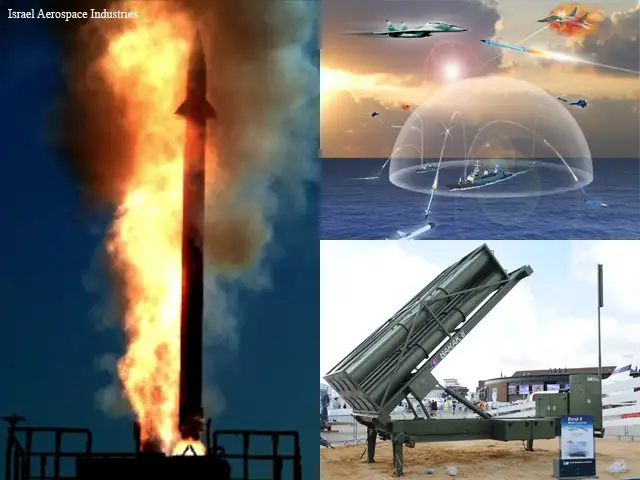
Economictimes.com & PTI
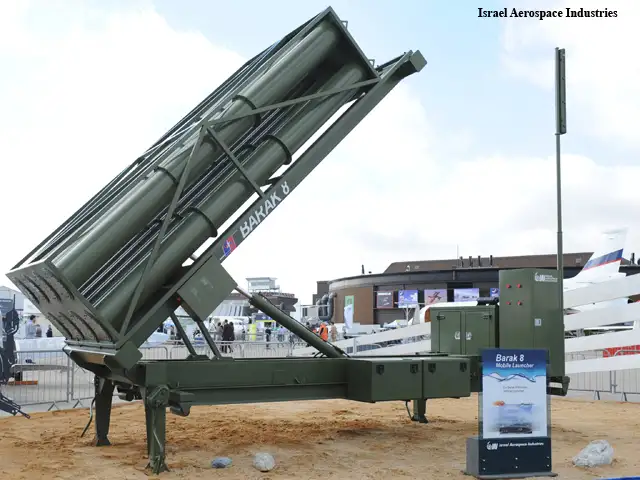
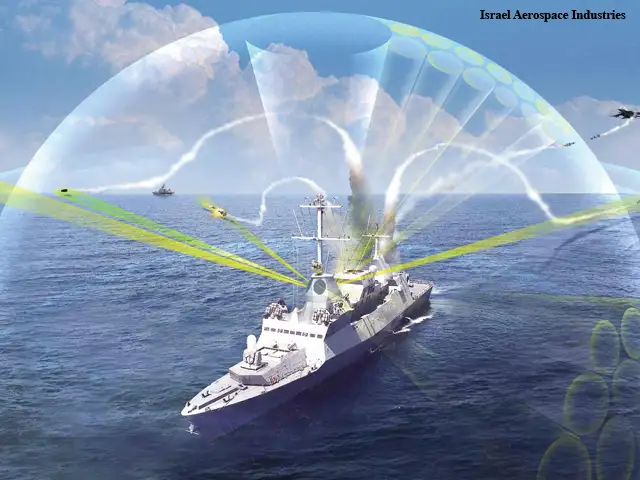
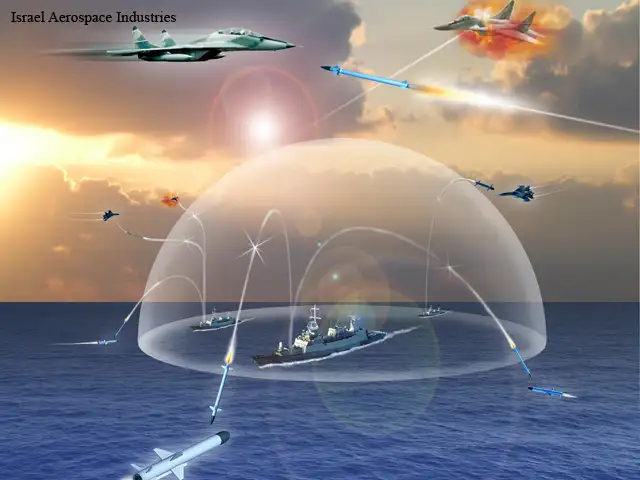
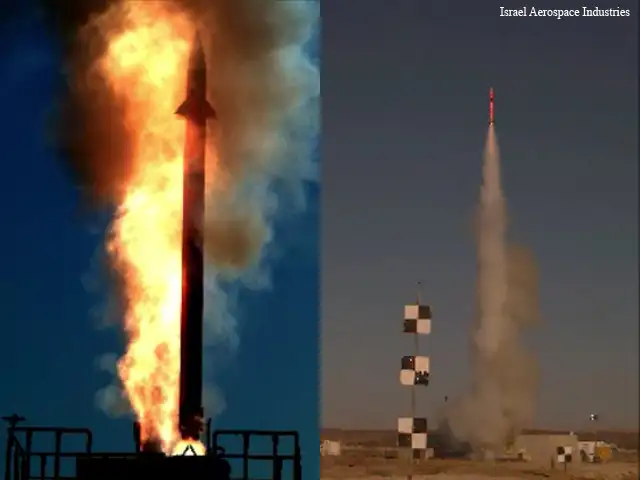
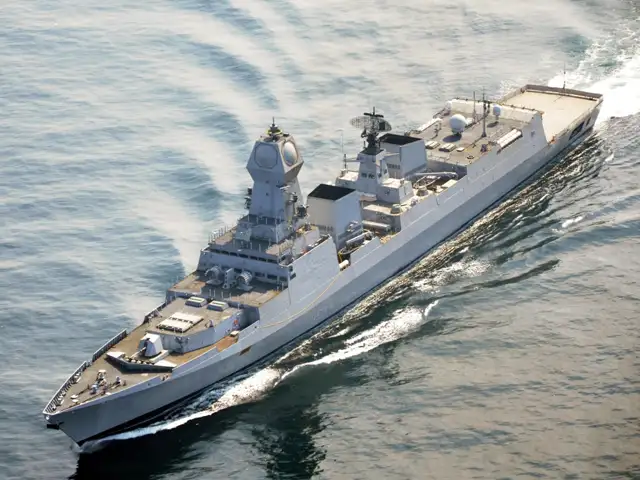
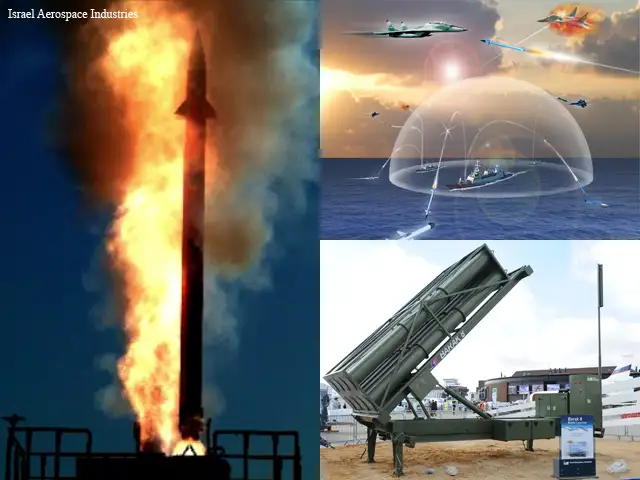
Indian Navy is set to test fire the long-range surface-to-air Barak 8 missile, jointly developed by India and Israel. The missile system aims to enhance the Navy's capabilities against incoming missiles, planes and drones.
If the test is successful, it will pave the way for final installation of Barak 8 missile on board Indian warships.
We take a look at the salient features of the missile system:
Indian Navy is set to test fire the long-range surface-to-air Barak 8 missile, jointly developed by India and Israel. The missile system aims to enhance the Navy's capabilities against incoming missiles, planes and drones.
If the test is successful, it will pave the way for final installation of Barak 8 missile on board Indian warships.
We take a look at the salient features of the missile system:

ADVERTISEMENT


