India 'won' 1965 war with Pakistan: New Army book
India was always more realistic, with its official war history recording that the 1965 war was more of a stalemate than anything else.
By Rajat Pandit, TNN | Updated:

NEW DELHI: Pakistan has long claimed victory over India in the 1965 war, celebrating September 6 as the 'Defence of Pakistan Day', when most objective assessments have held that the war ended more or less in a draw.
India was always more realistic, with its official war history recording that the 1965 war was more of a stalemate than anything else. Military gains were also lost on the negotiating table.
Follow @ETDefence Twitter handle for comprehensive coverage on other buzzing Defence stories
But with the Modi government deciding to celebrate the 1965 war as a "great victory" on its 50th anniversary, with even a "commemorative carnival" being planned, a new reader-friendly history of the war unabashedly concludes: "India won the war."
While IAF's new history of its operations in the 1965 war debunks accounts that its Pakistani counterpart was the victor since the former lost more aircraft, as was reported on Sunday, the Army book goes several steps further.
"It is clear India not only thwarted the Pakistani designs but also inflicted unacceptable losses on the Pakistani military, triggering many changes within that country's politico-military structure," argues the book, which will be released on September 1.
For one, India captured 1,920 sq km of Pakistani territory while losing 540 sq km of its own. For another, India lost 2,862 soldiers, while the toll for Pakistan was 5,800, says the book quoting the then defence minister Y B Chavan's statement in Rajya Sabha. Moreover, Pakistan lost over 450 tanks, while India lost less than 100. But the figures can vary, with the book itself acknowledging that Pakistan said only 1,033 of its soldiers died in the war.
Then Pakistani President Ayub Khan was forced to launch Operation Grand Slam, a full-fledged military assault to sever the Kashmir Valley from the rest of India. "It was a masterstroke in conception but faltered in execution," says the book.
It also dwells upon India's defensive mindset, cautious military leadership and intelligence failures during the war. India, as is well-known, committed a major blunder in accepting the ceasefire on September 22.
It was based on the then Army chief general J N Chaudhuri's advice to then PM Lal Bahadur Shastri that his force had used most of its frontline ammunition. Later, it was found that while Pakistan had almost exhausted its reserves by September 22, India had used only 14% of its frontline ammunition and still had twice the number of tanks. If the war had continued, India perhaps could have celebrated it as a decisive victory like the 1971 war.
India was always more realistic, with its official war history recording that the 1965 war was more of a stalemate than anything else. Military gains were also lost on the negotiating table.
Follow @ETDefence Twitter handle for comprehensive coverage on other buzzing Defence stories
But with the Modi government deciding to celebrate the 1965 war as a "great victory" on its 50th anniversary, with even a "commemorative carnival" being planned, a new reader-friendly history of the war unabashedly concludes: "India won the war."
ADVERTISEMENT
Commissioned by the Army's official think-tank Centre for Land Warfare Studies, the new book titled '1965, Turning the Tide: How India Won the War' has been written by defence analyst Nitin Gokhale. The book is part of the defence ministry's ongoing major project to rewrite histories of all wars and major operations to make them "simple and reader-friendly", as earlier reported by TOI.While IAF's new history of its operations in the 1965 war debunks accounts that its Pakistani counterpart was the victor since the former lost more aircraft, as was reported on Sunday, the Army book goes several steps further.
"It is clear India not only thwarted the Pakistani designs but also inflicted unacceptable losses on the Pakistani military, triggering many changes within that country's politico-military structure," argues the book, which will be released on September 1.
For one, India captured 1,920 sq km of Pakistani territory while losing 540 sq km of its own. For another, India lost 2,862 soldiers, while the toll for Pakistan was 5,800, says the book quoting the then defence minister Y B Chavan's statement in Rajya Sabha. Moreover, Pakistan lost over 450 tanks, while India lost less than 100. But the figures can vary, with the book itself acknowledging that Pakistan said only 1,033 of its soldiers died in the war.
ADVERTISEMENT
Statistics apart, the 280-page book says Pakistan miserably failed to achieve its strategic objectives. Operation Gibraltar, which sought to infiltrate mujahids and regular soldiers into J&K stood defeated when the Kashmiris did not rise up in revolt to support them.Then Pakistani President Ayub Khan was forced to launch Operation Grand Slam, a full-fledged military assault to sever the Kashmir Valley from the rest of India. "It was a masterstroke in conception but faltered in execution," says the book.
ADVERTISEMENT
"Finally, Pakistan's last shot at glory by sending its much-touted 1 Armoured Division into Khem Karan came a cropper... In the end, the so-called glorious war planned by Ayub turned into a military-politico-diplomatic defeat for Pakistan," the book adds.It also dwells upon India's defensive mindset, cautious military leadership and intelligence failures during the war. India, as is well-known, committed a major blunder in accepting the ceasefire on September 22.
It was based on the then Army chief general J N Chaudhuri's advice to then PM Lal Bahadur Shastri that his force had used most of its frontline ammunition. Later, it was found that while Pakistan had almost exhausted its reserves by September 22, India had used only 14% of its frontline ammunition and still had twice the number of tanks. If the war had continued, India perhaps could have celebrated it as a decisive victory like the 1971 war.
Download
The Economic Times Business News App for the Latest News in Business, Sensex, Stock Market Updates & More.
The Economic Times Business News App for the Latest News in Business, Sensex, Stock Market Updates & More.
Download
The Economic Times News App for Quarterly Results, Latest News in ITR, Business, Share Market, Live Sensex News & More.
The Economic Times News App for Quarterly Results, Latest News in ITR, Business, Share Market, Live Sensex News & More.
Related Articles
 Vice Chief Lt Gen Dhiraj Seth named next Army Chief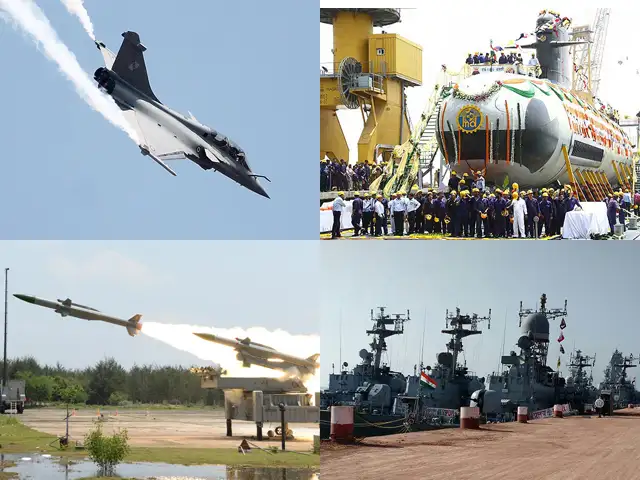
Economictimes.com
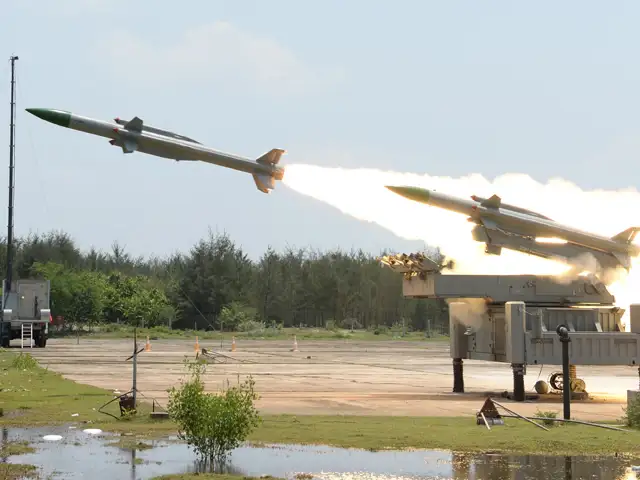
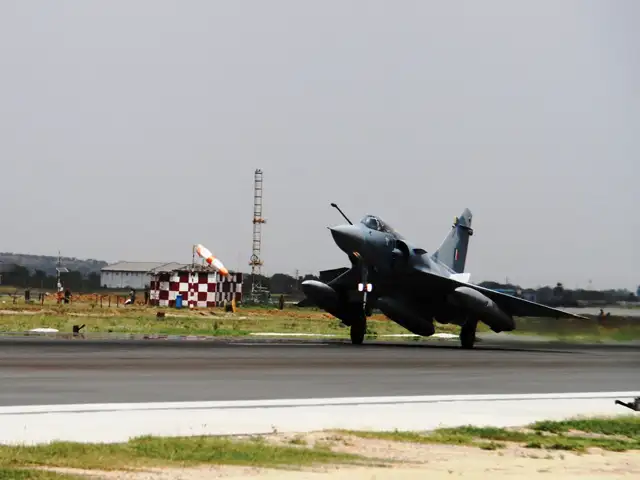
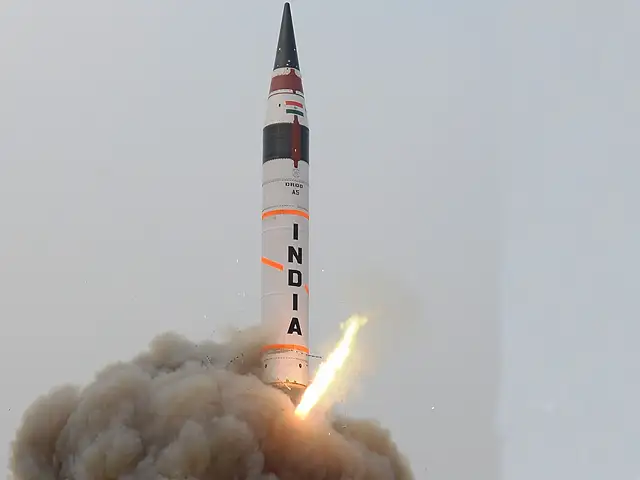
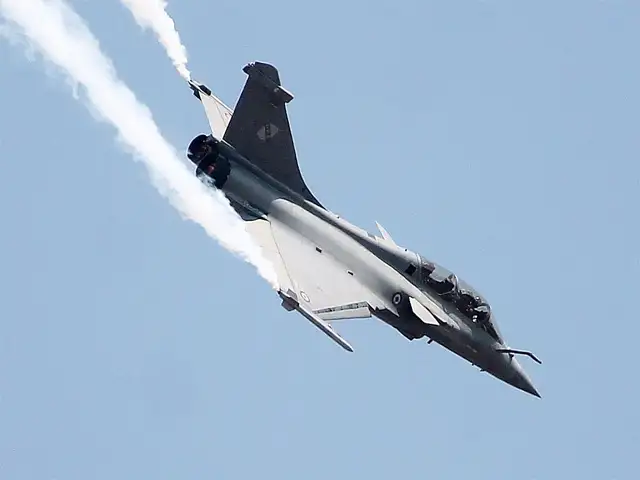
India's defence preparedness has received several boosts in the last few months, with new missile systems being inducted and successfully test fired. Adding to that, India is set to buy Rafale jets and has already received upgraded Mirage aircraft from France.
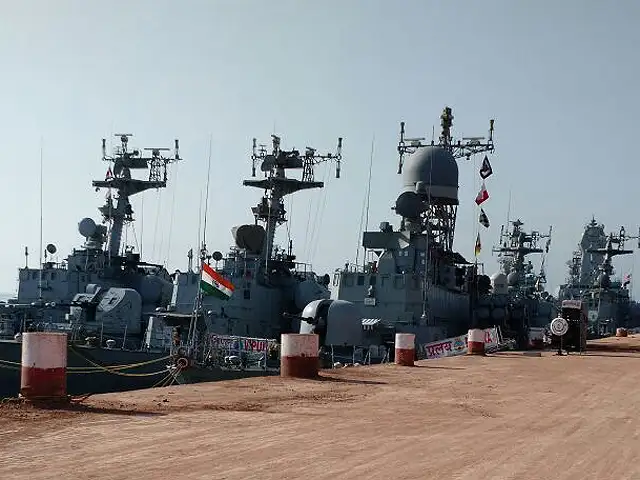
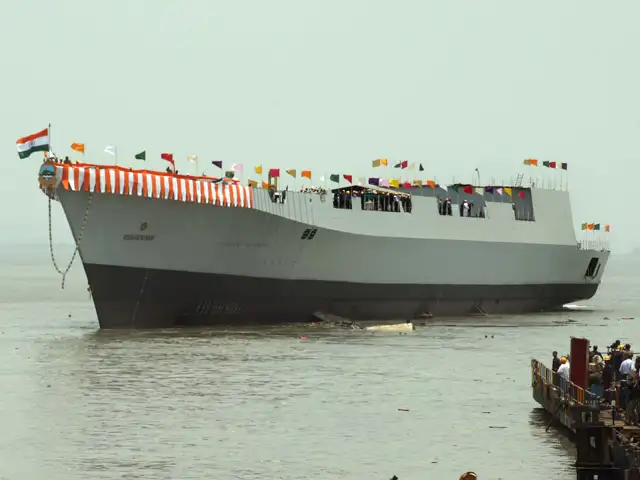
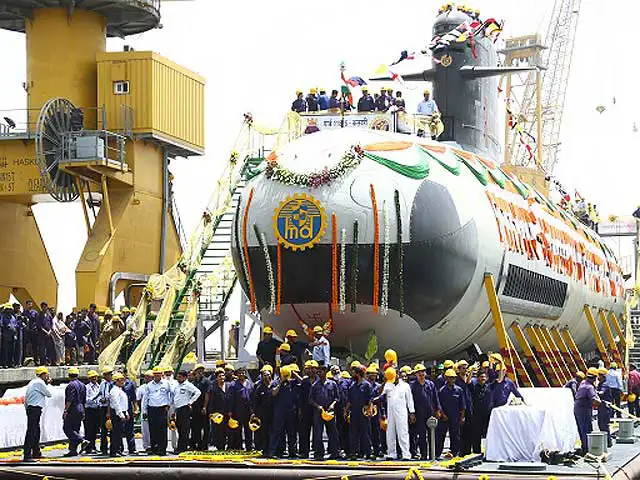
From stealth destroyers to submarines, we take a look at eight significant developments in India's defence, that have added to the country's fire power and combat capabilities:
India's defence preparedness has received several boosts in the last few months, with new missile systems being inducted and successfully test fired. Adding to that, India is set to buy Rafale jets and has already received upgraded Mirage aircraft from France.
From stealth destroyers to submarines, we take a look at eight significant developments in India's defence, that have added to the country's fire power and combat capabilities:

ADVERTISEMENT


