India to slowly but steadily boost military presence in Andaman and Nicobar Islands
India is going ahead with its plan to crank up military force-levels and infrastructure in the strategically-located Andaman and Nicobar Command
By Rajat Pandit, TNN | Updated:

NEW DELHI: India is going ahead with its plan to crank up military force-levels and infrastructure in the strategically-located Andaman and Nicobar Command (ANC) in a bid to effectively counter China's strategic moves in the Indian Ocean Region as well as ensure security of sea lanes converging towards Malacca Strait.
The ANC has largely failed to live up to its initial promise when it was established in 2001 as the country's first unified and till now only "theatre" command, with all the land, sea and air military forces under one operational commander.
The reasons vary from a fund crunch and lack of environmental clearances to build infrastructure to the internecine turf wars among Army, Navy and IAF. The ANC currently has just an infantry brigade (3,000 soldiers), 20 small warships and patrol vessels, and a handful of Mi-8 helicopters and Dornier-228 maritime patrol aircraft.
But "a very big plan" is underway to progressively bolster the country's last military outpost or easternmost bastion. "All the three services are involved. ANC will get better equipped in terms of force-levels and infrastructure over time. It has been given top priority by the defence ministry," said Admiral Robin Dhowan.
"There will be more jetties for warships, airstrips and extended runways for aircraft. The A&N Islands are, after all, a strategic asset located close to the Malacca Strait," added the Navy chief, talking exclusively to TOI.
Asked about expanding Chinese naval forays in the IOR, Admiral Dhowan said, "The increase in Chinese presence is not new. They have been conducting anti-piracy escort duties in the Gulf of Aden since 2008. They are here to protect their trade. Their nuclear and conventional submarines come from time to time but there is no exponential increase."
India, of course, also needs to strengthen the ANC to effectively protect its almost 6,00,000 sq km of Exclusive Economic Zone (EEZ) spread out in the region, which is around 30% of the country's total EEZ of 2.01 million sq km.
Sources say ANC should eventually have a division-level force (around 15,000 troops), a fighter squadron and some major warships after enhancing the support and maintenance infrastructure in the 572-island cluster with more "operational turn-around bases" and other facilities.
Under the overall "island development plan", which includes a new naval air station at Campbell Bay, the existing runways at Campbell Bay and Shibpur are to be extended, while more airstrips are proposed in the archipelago.
Incidentally, larger warships like destroyers and frigates as well as Sukhoi-30MKI fighters and C-130J Super Hercules aircraft configured for "special operations" have operated from the region for exercises over the last few years.
The ANC has largely failed to live up to its initial promise when it was established in 2001 as the country's first unified and till now only "theatre" command, with all the land, sea and air military forces under one operational commander.
The reasons vary from a fund crunch and lack of environmental clearances to build infrastructure to the internecine turf wars among Army, Navy and IAF. The ANC currently has just an infantry brigade (3,000 soldiers), 20 small warships and patrol vessels, and a handful of Mi-8 helicopters and Dornier-228 maritime patrol aircraft.
But "a very big plan" is underway to progressively bolster the country's last military outpost or easternmost bastion. "All the three services are involved. ANC will get better equipped in terms of force-levels and infrastructure over time. It has been given top priority by the defence ministry," said Admiral Robin Dhowan.
"There will be more jetties for warships, airstrips and extended runways for aircraft. The A&N Islands are, after all, a strategic asset located close to the Malacca Strait," added the Navy chief, talking exclusively to TOI.
Asked about expanding Chinese naval forays in the IOR, Admiral Dhowan said, "The increase in Chinese presence is not new. They have been conducting anti-piracy escort duties in the Gulf of Aden since 2008. They are here to protect their trade. Their nuclear and conventional submarines come from time to time but there is no exponential increase."
ADVERTISEMENT
India, of course, also needs to strengthen the ANC to effectively protect its almost 6,00,000 sq km of Exclusive Economic Zone (EEZ) spread out in the region, which is around 30% of the country's total EEZ of 2.01 million sq km.
Sources say ANC should eventually have a division-level force (around 15,000 troops), a fighter squadron and some major warships after enhancing the support and maintenance infrastructure in the 572-island cluster with more "operational turn-around bases" and other facilities.
Under the overall "island development plan", which includes a new naval air station at Campbell Bay, the existing runways at Campbell Bay and Shibpur are to be extended, while more airstrips are proposed in the archipelago.
ADVERTISEMENT
Incidentally, larger warships like destroyers and frigates as well as Sukhoi-30MKI fighters and C-130J Super Hercules aircraft configured for "special operations" have operated from the region for exercises over the last few years.
Download
The Economic Times Business News App for the Latest News in Business, Sensex, Stock Market Updates & More.
The Economic Times Business News App for the Latest News in Business, Sensex, Stock Market Updates & More.
Download
The Economic Times News App for Quarterly Results, Latest News in ITR, Business, Share Market, Live Sensex News & More.
The Economic Times News App for Quarterly Results, Latest News in ITR, Business, Share Market, Live Sensex News & More.
Economictimes.com & Agencies
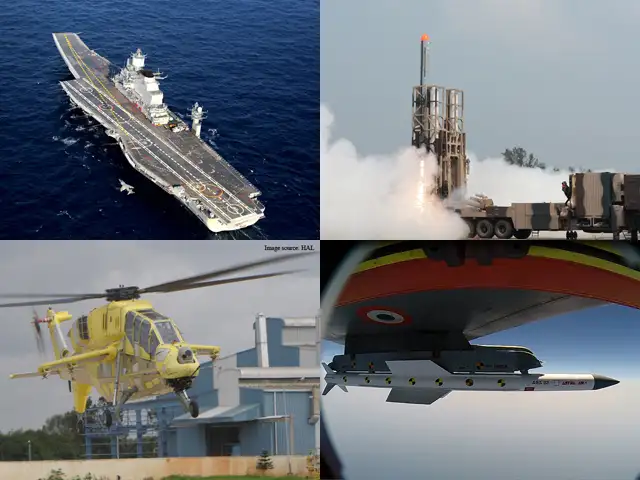
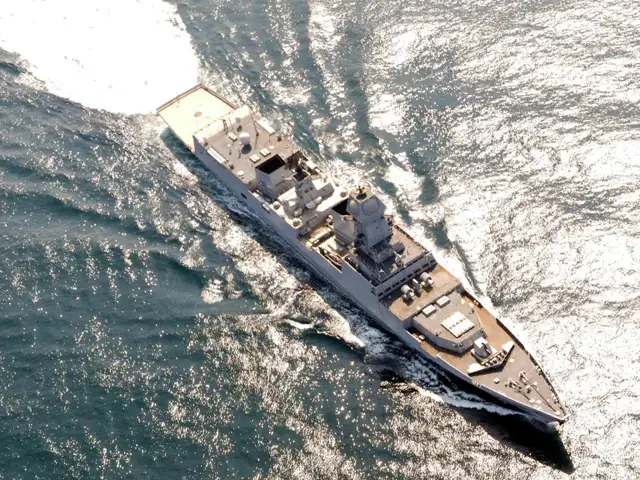
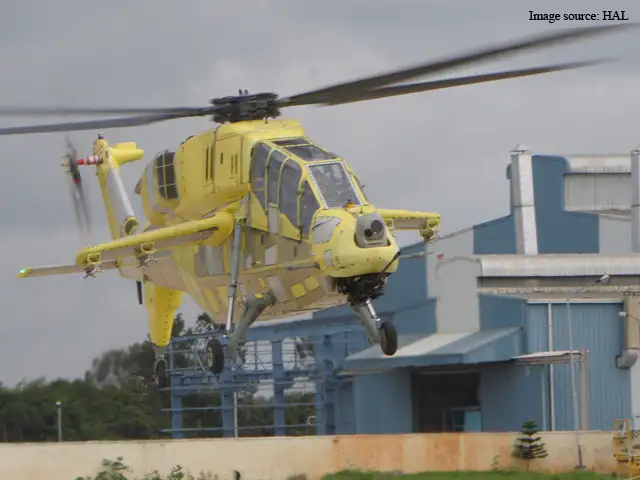
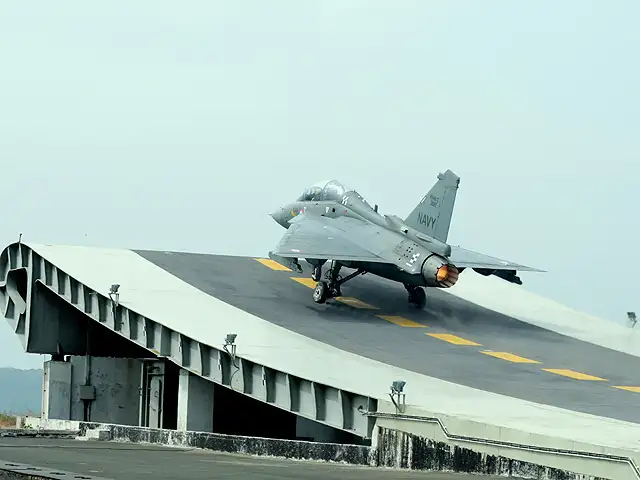
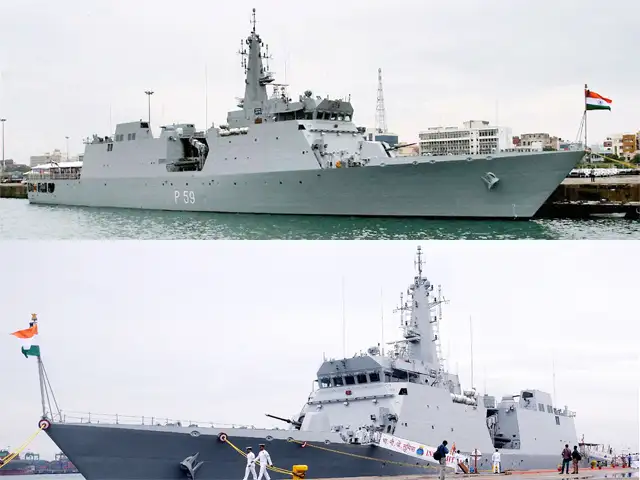
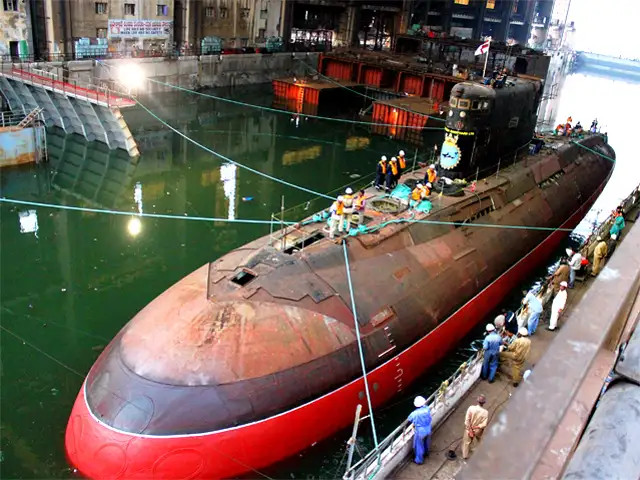
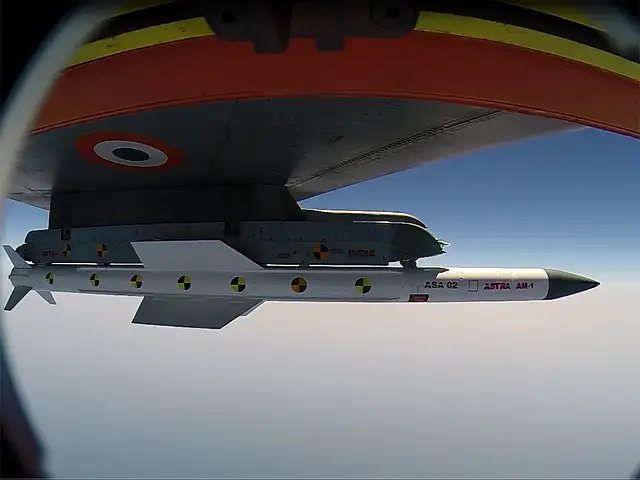
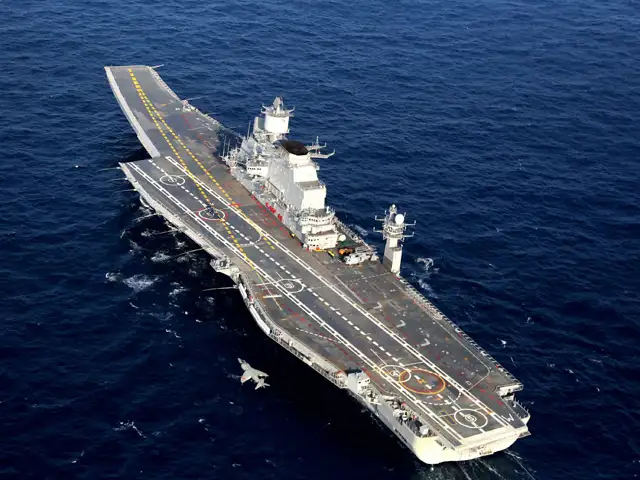
The need to have robust defence capabilities in today's day and age cannot be overstated. India has been aggressively pushing to enhance its ability to deter attacks and up its defence prowess.
2014 saw multiple steps being taken in that direction and India saw many new additions to its defence fleet. We take a look at eight achievements that deserve a special mention:
The need to have robust defence capabilities in today's day and age cannot be overstated. India has been aggressively pushing to enhance its ability to deter attacks and up its defence prowess.
2014 saw multiple steps being taken in that direction and India saw many new additions to its defence fleet. We take a look at eight achievements that deserve a special mention:

ADVERTISEMENT


