India test-fires nuclear-capable Agni-I ballistic missile
India today successfully test-fired its indigenously built nuclear-capable intermediate range Agni-I ballistic missile, capable of hitting a target 700 kms away.
By PTI | Updated:

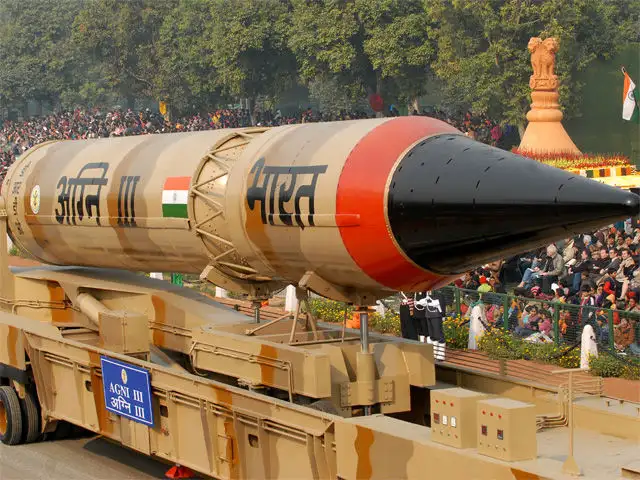
BALASORE (ODISHA): India today successfully test-fired its indigenously built nuclear-capable intermediate range Agni-I ballistic missile, capable of hitting a target 700 kms away, from a test range off Odisha coast as part of a user trial by the Army.
Follow @ETDefence Twitter handle for comprehensive coverage on other buzzing Defence stories
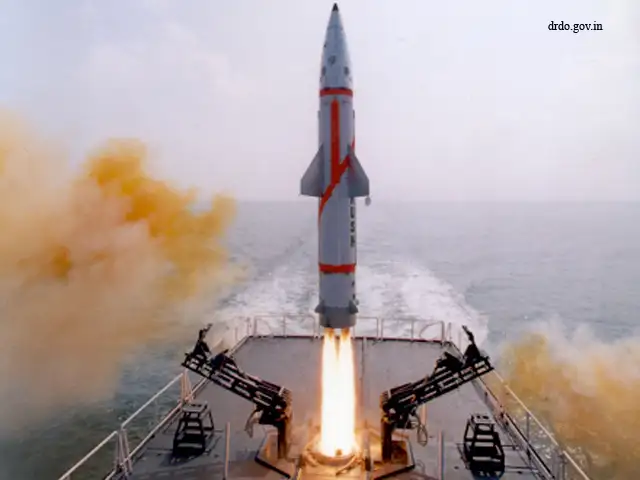
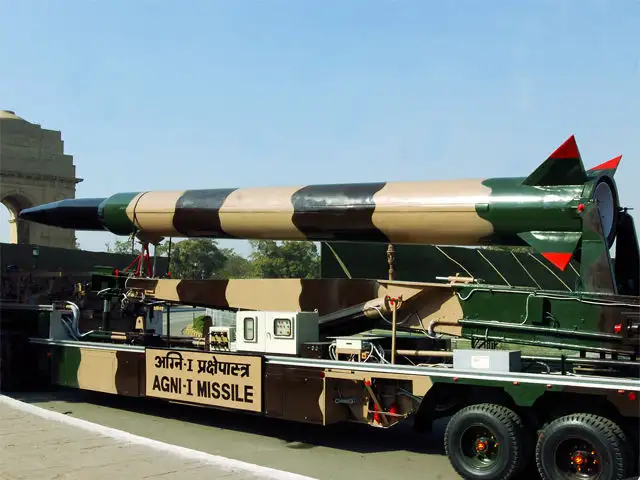
The surface-to-surface, single-stage missile, powered by solid propellants, was test-fired from a mobile launcher at 9.15 AM from launch pad-4 of the Integrated Test Range (ITR) at Abdul Kalam Island (Wheeler Island), a defence official said.
The trial, which formed part of training exercise by the Strategic Forces Command of Indian Army, was fully successful, he said.
The sophisticated missile covered 700 km distance within 9 minutes and 36 seconds, they said.
"The launch was undertaken as a part of periodic training activity by SFC to further consolidate operational readiness," the official said.
The trajectory of the trial was tracked by a battery of sophisticated radars, telemetry observation stations, electro-optic instruments and naval ships from its launch till the missile hit the target area with accuracy, they said.
Agni-I missile is equipped with sophisticated navigation system which ensures it reaches the target with a high degree of accuracy and precision.
The missile, which has already been inducted into armed forces, has proved its excellent performance in terms of range, accuracy and lethality, the sources said.
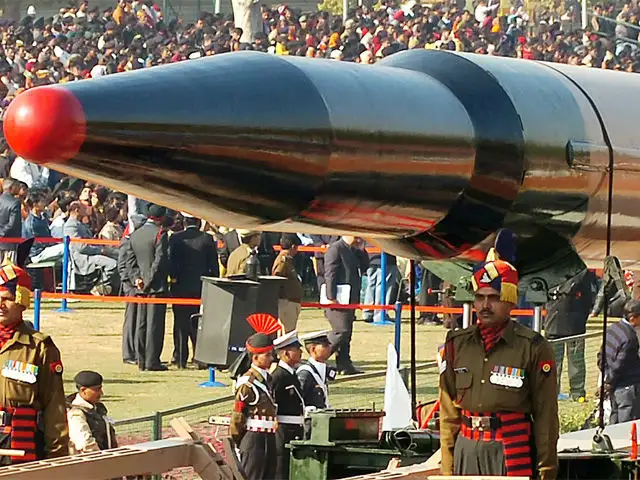
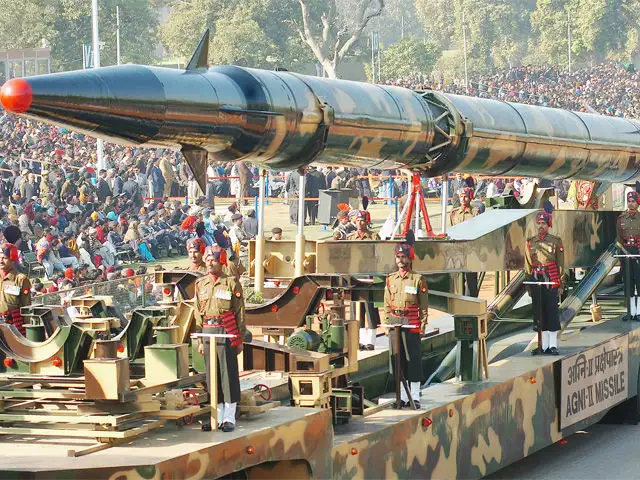
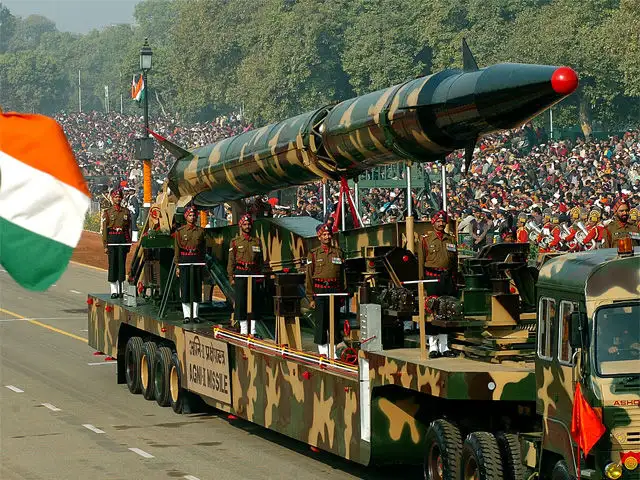
Weighing 12 tonnes, the 15-metre-long Agni-I, is designed to carry a payload of more than one tonne. Its strike range can be extended by reducing the payload.
Agni-I was developed by Advanced Systems Laboratory, the premier missile development laboratory of DRDO in collaboration with Defence Research Development Laboratory and Research Centre Imarat and integrated by Bharat Dynamics Limited, Hyderabad.
The last trial of Agni-I, conducted on November 27, 2015 from the same base, was also successful.
Follow @ETDefence Twitter handle for comprehensive coverage on other buzzing Defence stories
The surface-to-surface, single-stage missile, powered by solid propellants, was test-fired from a mobile launcher at 9.15 AM from launch pad-4 of the Integrated Test Range (ITR) at Abdul Kalam Island (Wheeler Island), a defence official said.
The trial, which formed part of training exercise by the Strategic Forces Command of Indian Army, was fully successful, he said.
The sophisticated missile covered 700 km distance within 9 minutes and 36 seconds, they said.
"The launch was undertaken as a part of periodic training activity by SFC to further consolidate operational readiness," the official said.
ADVERTISEMENT
The trajectory of the trial was tracked by a battery of sophisticated radars, telemetry observation stations, electro-optic instruments and naval ships from its launch till the missile hit the target area with accuracy, they said.
Agni-I missile is equipped with sophisticated navigation system which ensures it reaches the target with a high degree of accuracy and precision.
The missile, which has already been inducted into armed forces, has proved its excellent performance in terms of range, accuracy and lethality, the sources said.
Weighing 12 tonnes, the 15-metre-long Agni-I, is designed to carry a payload of more than one tonne. Its strike range can be extended by reducing the payload.
ADVERTISEMENT
Agni-I was developed by Advanced Systems Laboratory, the premier missile development laboratory of DRDO in collaboration with Defence Research Development Laboratory and Research Centre Imarat and integrated by Bharat Dynamics Limited, Hyderabad.
The last trial of Agni-I, conducted on November 27, 2015 from the same base, was also successful.
Download
The Economic Times Business News App for the Latest News in Business, Sensex, Stock Market Updates & More.
The Economic Times Business News App for the Latest News in Business, Sensex, Stock Market Updates & More.
Download
The Economic Times News App for Quarterly Results, Latest News in ITR, Business, Share Market, Live Sensex News & More.
The Economic Times News App for Quarterly Results, Latest News in ITR, Business, Share Market, Live Sensex News & More.
Related Articles
 India tests hypersonic demonstrator vehicle launched from Agni I platform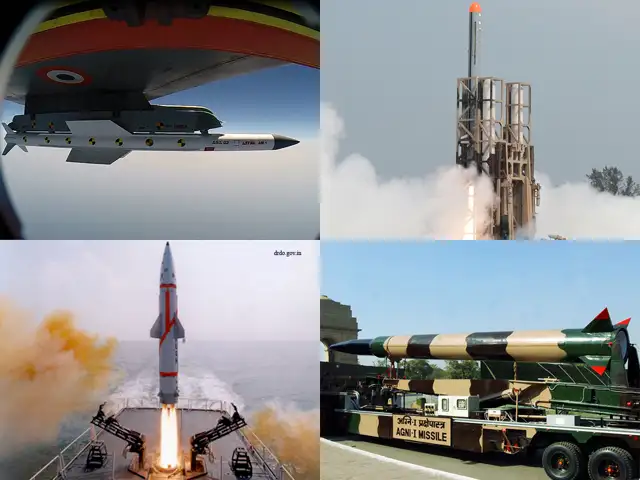
Text: TNN & Agencies
India may have developed surface-to-surface nuclear missiles like the Agni-V, which can strike targets over 5,000-km away, but has struggled to develop a complex BVR (beyond visual range) air combat missile like Astra for over a decade now.
Once the all-weather Astra is ready, India will join a handful of countries like the US, Russia, France and Israel which have developed such sleek missiles capable of detecting, tracking and destroying highly-agile, hostile supersonic fighters packed with “counter-measures” at long ranges.
Indian fighters are currently armed with Russian, French and Israeli BVR missiles, which cost a packet in the absence of a cheaper indigenous alternative.
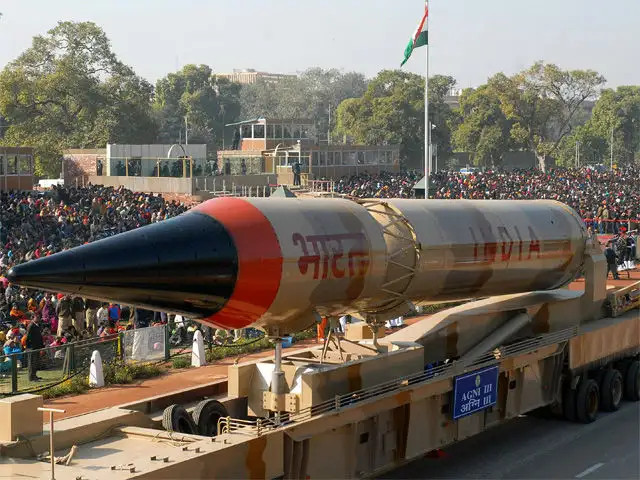
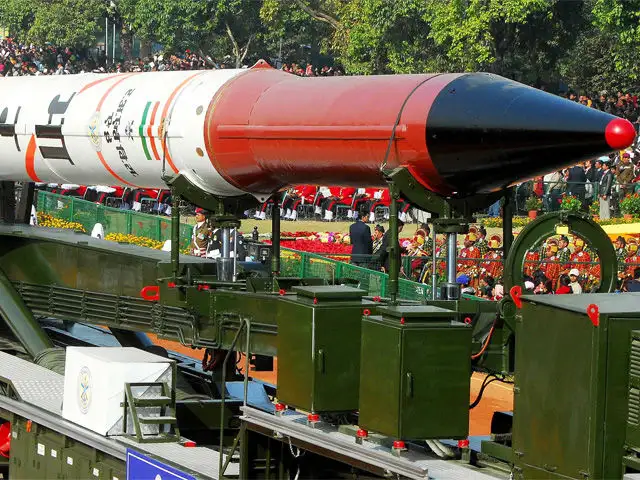
Here we take a look at the status of India’s indigenous missile power...
Image: DRDO
India may have developed surface-to-surface nuclear missiles like the Agni-V, which can strike targets over 5,000-km away, but has struggled to develop a complex BVR (beyond visual range) air combat missile like Astra for over a decade now.
Once the all-weather Astra is ready, India will join a handful of countries like the US, Russia, France and Israel which have developed such sleek missiles capable of detecting, tracking and destroying highly-agile, hostile supersonic fighters packed with “counter-measures” at long ranges.
Indian fighters are currently armed with Russian, French and Israeli BVR missiles, which cost a packet in the absence of a cheaper indigenous alternative.
Here we take a look at the status of India’s indigenous missile power...
Image: DRDO

ADVERTISEMENT


