India suspects nuclear security index a ploy to reveal country’s stockpile
Indian officials, who generally bristle at this report every couple of years, say this is intended to get India to "reveal" its stockpile.
By Indrani Bagchi, TNN | Updated:

NEW DELHI: Even though India moved up two places in a somewhat controversial international ranking on nuclear security, the 2016 Nuclear Threat Initiative ( NTI) security index was greeted here with derision. This biennial exercise, a joint effort between Washington-based Nuclear Threat Initiative and Economist Intelligence Unit (EIU) comes weeks before the nuclear security summit, this year to be held in Washington DC in March.
As in the past, the Indian government has refused to respond to the report officially.
In the past two reports India has featured near the bottom — this year it moved up to 21 but as the report itself states, is near the bottom in theft ranking.
Follow @ETDefence Twitter handle for comprehensive coverage on other buzzing Defence stories
"India improved by participating in bilateral assistance activities with the United States and putting in place the IAEA Additional Protocol. In the future, India's nuclear materials security conditions could be improved by strengthening laws and regulations for on-site physical protection, control and accounting, and mitigating the insider threat, and ensuring protection of materials during transport is in line with IAEA guidance."
India ratified the IAEA's Additional Protocol in 2014, having committed to it in 2006.
Indian officials take particular umbrage at the report's contention that "India's nuclear materials security conditions remain adversely affected by its continued increase in quantities of nuclear material". Indian officials say the report's description of weapons material also includes civilian material which has certainly increased in India following a number of nuclear agreements with different countries. That, they say, is no reason to conclude that more equals to less security.
Officials involved in India's nuclear programme told TOI on condition of anonymity that India has in place a robust security process, but that they would not make it public. Other countries in the same category of increased stockpiles include Japan, the Netherlands, North Korea, Pakistan, and the United Kingdom.
A new law to create an autonomous regulatory body is still to be cleared by Parliament. Indian officials, who generally bristle at this report every couple of years, say this is intended to get India to "reveal" its stockpile. In recent days, another report from the US Congress saying Pakistan possesses more nuclear weapons than India is, they feel, also intended for the same purpose.
That appears to be a major problem with the international NGO which has pushed for greater "openness". In 2014, Rajiv Nayan of IDSA had critiqued the NTI report thus: "The report is nothing but an anti-India Western non-proliferation document. Highly subjective indicators have neutralised objective steps. The Indian government has taken the right decision in ignoring the latest NTI report."
Since both the NGO and the Indian government appear to be occupying two different planets where this report is concerned, the gap has only widened, which will only impact the accuracy of the report since it can only work if both sides agree to work with each other.
As in the past, the Indian government has refused to respond to the report officially.
In the past two reports India has featured near the bottom — this year it moved up to 21 but as the report itself states, is near the bottom in theft ranking.
Follow @ETDefence Twitter handle for comprehensive coverage on other buzzing Defence stories
"India improved by participating in bilateral assistance activities with the United States and putting in place the IAEA Additional Protocol. In the future, India's nuclear materials security conditions could be improved by strengthening laws and regulations for on-site physical protection, control and accounting, and mitigating the insider threat, and ensuring protection of materials during transport is in line with IAEA guidance."
India ratified the IAEA's Additional Protocol in 2014, having committed to it in 2006.
ADVERTISEMENT
Indian officials take particular umbrage at the report's contention that "India's nuclear materials security conditions remain adversely affected by its continued increase in quantities of nuclear material". Indian officials say the report's description of weapons material also includes civilian material which has certainly increased in India following a number of nuclear agreements with different countries. That, they say, is no reason to conclude that more equals to less security.
Officials involved in India's nuclear programme told TOI on condition of anonymity that India has in place a robust security process, but that they would not make it public. Other countries in the same category of increased stockpiles include Japan, the Netherlands, North Korea, Pakistan, and the United Kingdom.
A new law to create an autonomous regulatory body is still to be cleared by Parliament. Indian officials, who generally bristle at this report every couple of years, say this is intended to get India to "reveal" its stockpile. In recent days, another report from the US Congress saying Pakistan possesses more nuclear weapons than India is, they feel, also intended for the same purpose.
That appears to be a major problem with the international NGO which has pushed for greater "openness". In 2014, Rajiv Nayan of IDSA had critiqued the NTI report thus: "The report is nothing but an anti-India Western non-proliferation document. Highly subjective indicators have neutralised objective steps. The Indian government has taken the right decision in ignoring the latest NTI report."
ADVERTISEMENT
Since both the NGO and the Indian government appear to be occupying two different planets where this report is concerned, the gap has only widened, which will only impact the accuracy of the report since it can only work if both sides agree to work with each other.
Download
The Economic Times Business News App for the Latest News in Business, Sensex, Stock Market Updates & More.
The Economic Times Business News App for the Latest News in Business, Sensex, Stock Market Updates & More.
Download
The Economic Times News App for Quarterly Results, Latest News in ITR, Business, Share Market, Live Sensex News & More.
The Economic Times News App for Quarterly Results, Latest News in ITR, Business, Share Market, Live Sensex News & More.
Text: TNN & Agencies
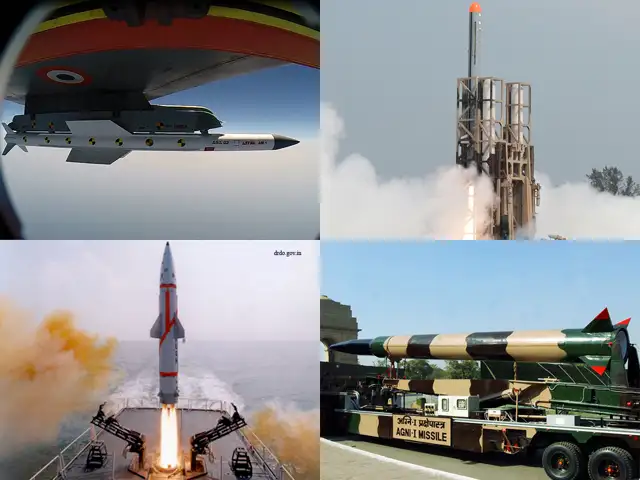
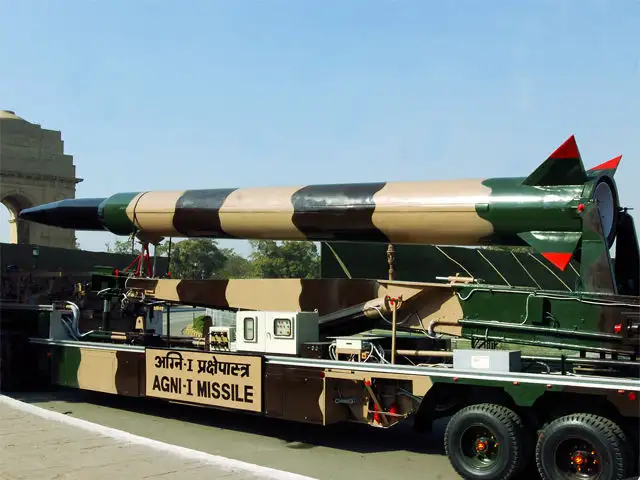
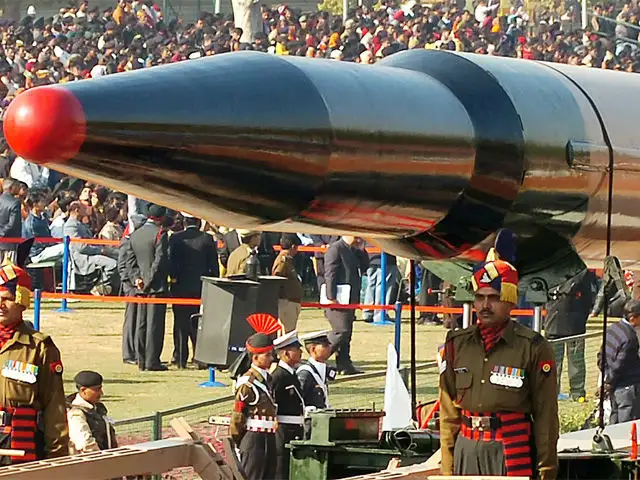
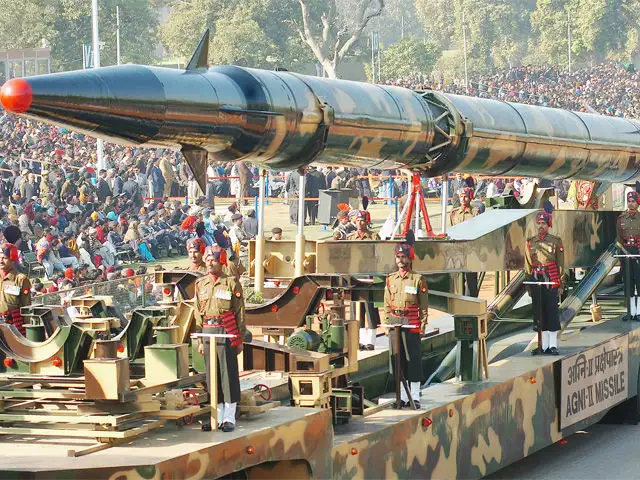
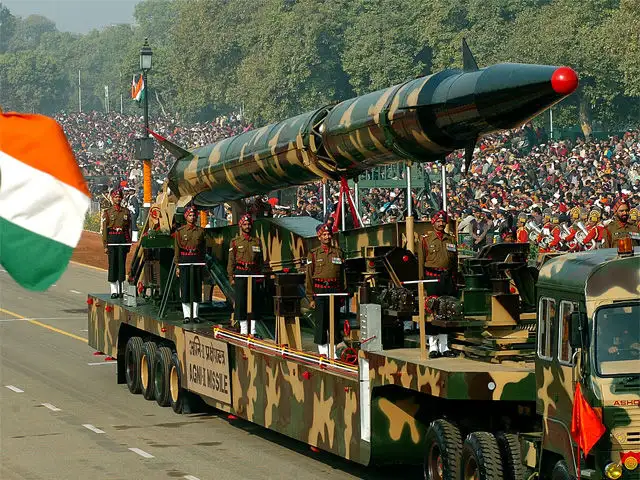
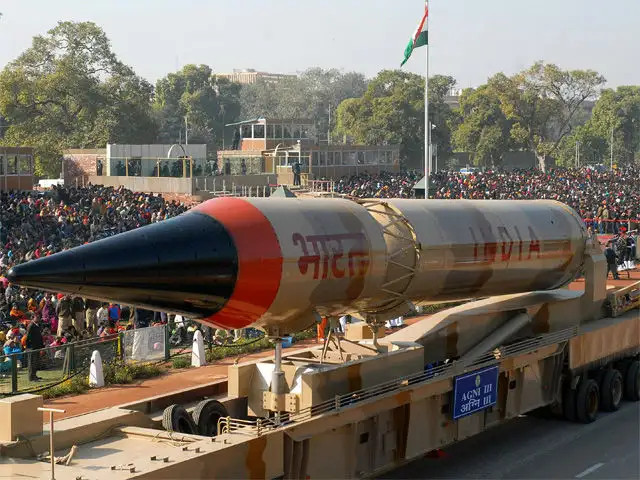
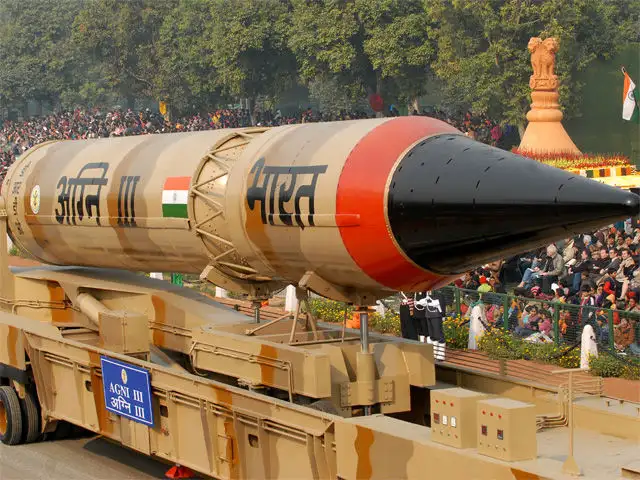
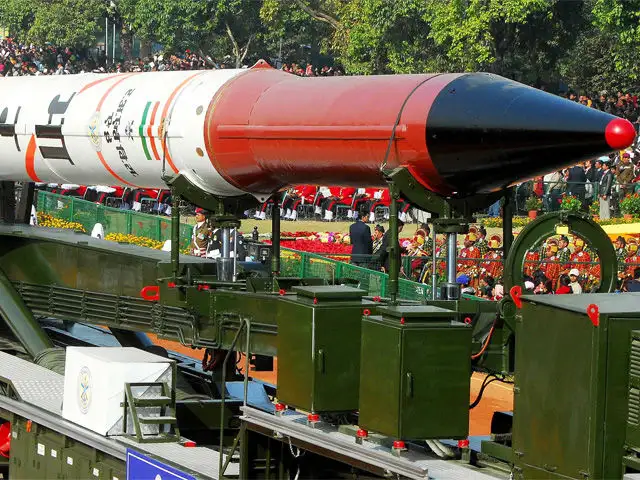
India may have developed surface-to-surface nuclear missiles like the Agni-V, which can strike targets over 5,000-km away, but has struggled to develop a complex BVR (beyond visual range) air combat missile like Astra for over a decade now.
Once the all-weather Astra is ready, India will join a handful of countries like the US, Russia, France and Israel which have developed such sleek missiles capable of detecting, tracking and destroying highly-agile, hostile supersonic fighters packed with “counter-measures” at long ranges.
Indian fighters are currently armed with Russian, French and Israeli BVR missiles, which cost a packet in the absence of a cheaper indigenous alternative.
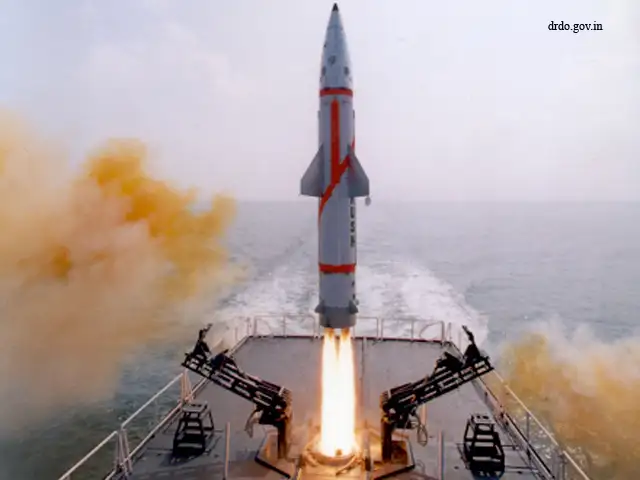
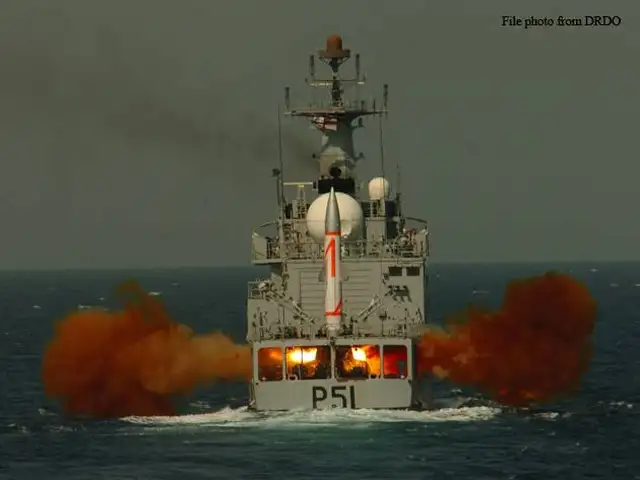
Here we take a look at the status of India’s indigenous missile power...
Image: DRDO
India may have developed surface-to-surface nuclear missiles like the Agni-V, which can strike targets over 5,000-km away, but has struggled to develop a complex BVR (beyond visual range) air combat missile like Astra for over a decade now.
Once the all-weather Astra is ready, India will join a handful of countries like the US, Russia, France and Israel which have developed such sleek missiles capable of detecting, tracking and destroying highly-agile, hostile supersonic fighters packed with “counter-measures” at long ranges.
Indian fighters are currently armed with Russian, French and Israeli BVR missiles, which cost a packet in the absence of a cheaper indigenous alternative.
Here we take a look at the status of India’s indigenous missile power...
Image: DRDO

ADVERTISEMENT


