India in talks with Russia to lease new modern, world-class nuclear attack submarine
Signaling a difference in approach by the Modi-led government, India is now looking to lease a newly built, customised submarine.
By Manu Pubby, ET Bureau | Updated:

NEW DELHI: India is in final talks with Russia to lease a new nuclear attack submarine, giving a much needed boost to its depleting underwater fleet. Signaling a difference in approach by the Modi-led government, India is now looking to lease a newly built, customised submarine, unlike in the past when older vessels were refurbished and handed over.
Several sources related to the project that ET spoke with confirmed that talks on leasing a new submarine under the ‘Chakra 3’ project are in advanced stages and that the issue will be discussed during Prime Minister Modi’s visit to Russia this week.
India has the ‘Chakra 2’ Akula class nuclear submarine in service that is considered to be one of the deadliest non-US attack boats in the world. This submarine – a refurbished Soviet era boat – has been taken on a 10-year lease from Russia in 2012. ‘Chakra 1’, India’s first nuclear submarine, was taken on a similar lease in the late 1980s.
While talks on leasing a third Chakra have been on for over two years, a change of stand has taken place after the Modi government took over, with the Indian side insisting on a modern, world-class submarine on lease. The only nuclear attack submarine of this kind being produced in Russia currently is the Yasen class, the quietest, least detectable submarine it has ever built.
It is still not clear, however, whether the final contract would specify a Yasen submarine or a modified boat of the same class to suit Indian requirements. "The final shape is yet to be decided, but it is now almost certain that a ‘greenfield’ submarine will be built," a source associated with the programme told ET.
What is clear is that India is embarking on a project to produce indigenous class of nuclear attack boats (SSNs) under new submarine programme. The plan, to build at least six SSNs in India, was given financial sanction in February and designers are already at work on the project that could cost upwards of Rs 90,000 crore.
These new submarines, to be fitted with the indigenous verticallylaunched Brahmos missile, are to be built at the Vizag-based ship building centre, with L&T expected to get a significant chunk of the work.
Work on making operational India’s first nuclear missile boat – different from a nuclear attack submarine is also underway with the first missile test from the submarine expected to take place this year.
Several sources related to the project that ET spoke with confirmed that talks on leasing a new submarine under the ‘Chakra 3’ project are in advanced stages and that the issue will be discussed during Prime Minister Modi’s visit to Russia this week.
India has the ‘Chakra 2’ Akula class nuclear submarine in service that is considered to be one of the deadliest non-US attack boats in the world. This submarine – a refurbished Soviet era boat – has been taken on a 10-year lease from Russia in 2012. ‘Chakra 1’, India’s first nuclear submarine, was taken on a similar lease in the late 1980s.
While talks on leasing a third Chakra have been on for over two years, a change of stand has taken place after the Modi government took over, with the Indian side insisting on a modern, world-class submarine on lease. The only nuclear attack submarine of this kind being produced in Russia currently is the Yasen class, the quietest, least detectable submarine it has ever built.
ADVERTISEMENT
It is still not clear, however, whether the final contract would specify a Yasen submarine or a modified boat of the same class to suit Indian requirements. "The final shape is yet to be decided, but it is now almost certain that a ‘greenfield’ submarine will be built," a source associated with the programme told ET.
What is clear is that India is embarking on a project to produce indigenous class of nuclear attack boats (SSNs) under new submarine programme. The plan, to build at least six SSNs in India, was given financial sanction in February and designers are already at work on the project that could cost upwards of Rs 90,000 crore.
ADVERTISEMENT
ADVERTISEMENT
These new submarines, to be fitted with the indigenous verticallylaunched Brahmos missile, are to be built at the Vizag-based ship building centre, with L&T expected to get a significant chunk of the work.
Work on making operational India’s first nuclear missile boat – different from a nuclear attack submarine is also underway with the first missile test from the submarine expected to take place this year.
Download
The Economic Times Business News App for the Latest News in Business, Sensex, Stock Market Updates & More.
The Economic Times Business News App for the Latest News in Business, Sensex, Stock Market Updates & More.
Download
The Economic Times News App for Quarterly Results, Latest News in ITR, Business, Share Market, Live Sensex News & More.
The Economic Times News App for Quarterly Results, Latest News in ITR, Business, Share Market, Live Sensex News & More.
Related Articles
 Russia tells Europe: Yes to talks, no to ultimatums2026-06-19T19:37:58Z
- India in talks with Russia's Rosneft to tap Siberian rare earth reserves2026-06-19T18:24:01Z
- Europe unveils a new tank to neutralise drones: Check how US, Russia, China and India are arming heavy armour for future warfare2026-06-19T07:08:11Z
Manu Pubby, ET Bureau
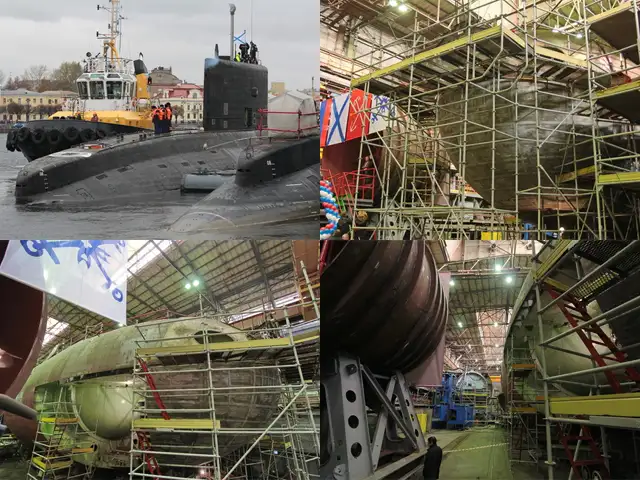
Most of the submarines operated by the Indian Navy were constructed at a strategic shipyard at the secretive heart of the cold war naval tussle between USSR and the US.
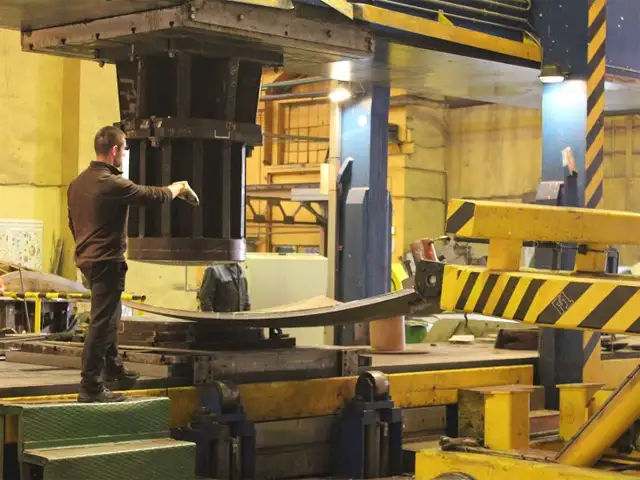
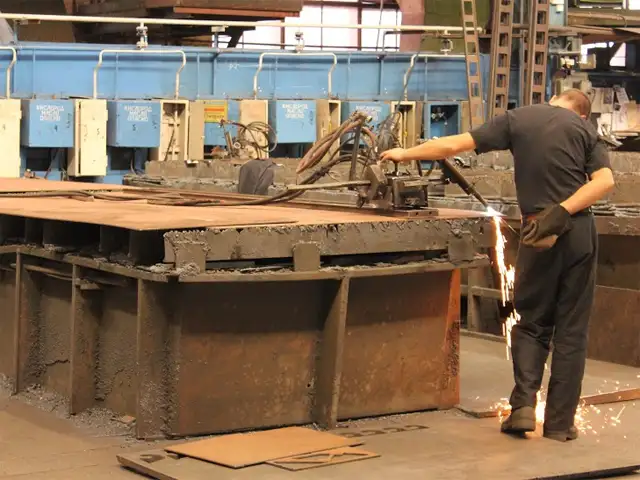
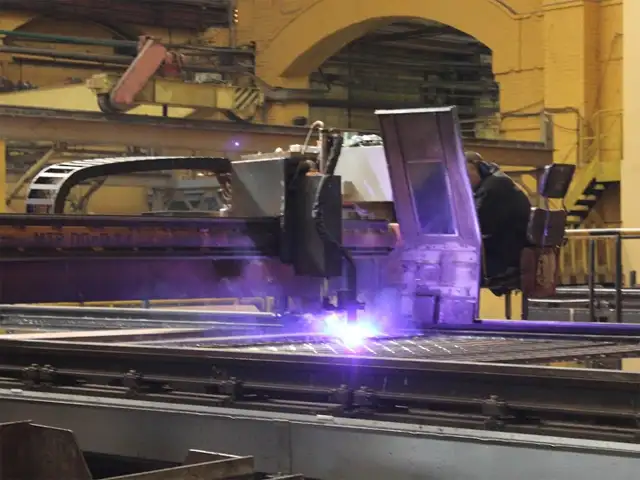
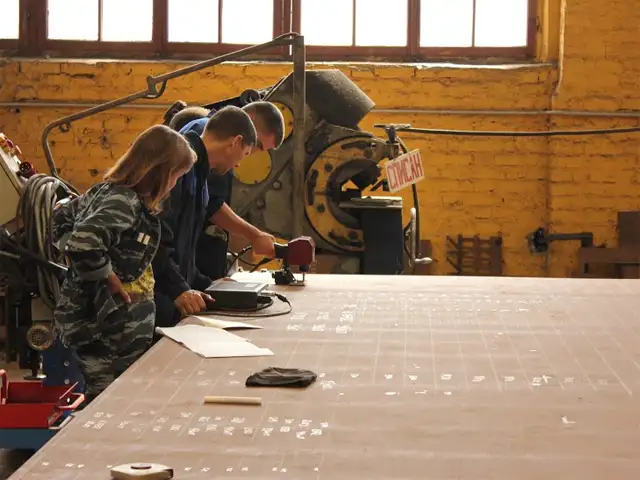
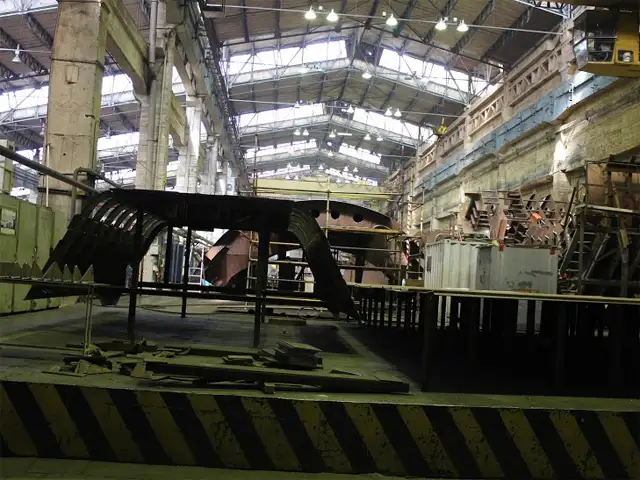
The Admiralty Shipyards, based in St Petersburg and founded in 1704, accounts for 16 out of the 23 submarines that were or are in service with India since independence. However, the facility itself has been shrouded in secrecy, given its cold war lineage.
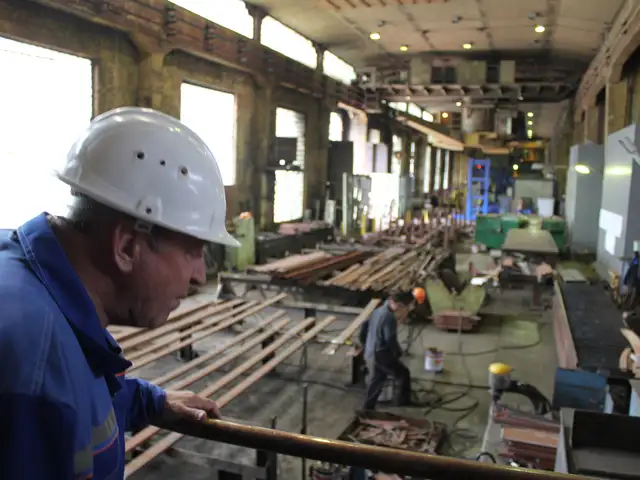
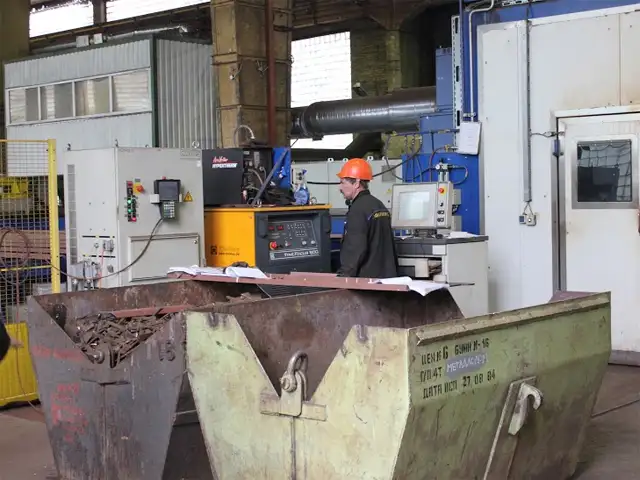
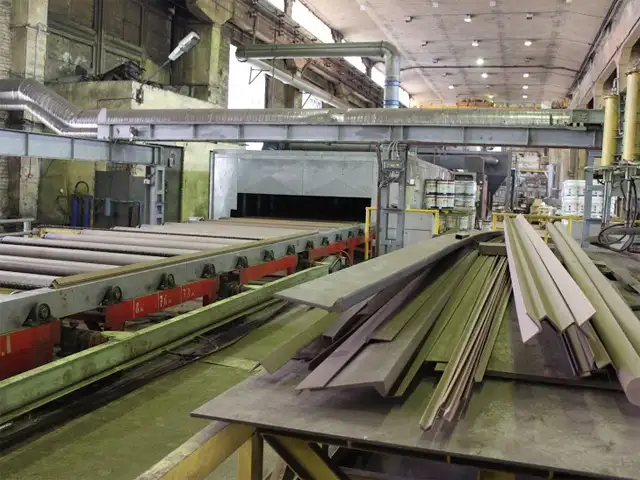
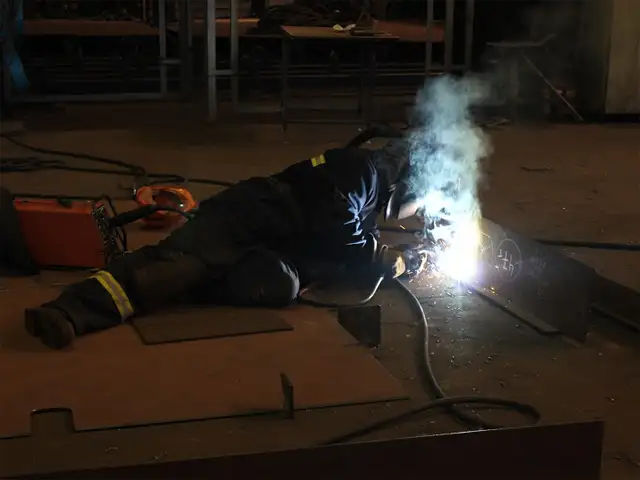
Now for the first time, an Indian publication has been given access to the shipyard – a rare peek into the art of submarine construction. We take a look at the historic Admiralty Shipyards, which has rolled out over 300 submarines since the last century, including 41 nuclear boats:
Image: Rubin Design Bureau
Most of the submarines operated by the Indian Navy were constructed at a strategic shipyard at the secretive heart of the cold war naval tussle between USSR and the US.
The Admiralty Shipyards, based in St Petersburg and founded in 1704, accounts for 16 out of the 23 submarines that were or are in service with India since independence. However, the facility itself has been shrouded in secrecy, given its cold war lineage.
Now for the first time, an Indian publication has been given access to the shipyard – a rare peek into the art of submarine construction. We take a look at the historic Admiralty Shipyards, which has rolled out over 300 submarines since the last century, including 41 nuclear boats:
Image: Rubin Design Bureau

ADVERTISEMENT


