India hopes to take forward counter terrorism steps with Pakistan: Foreign Secretary S Jaishankar
Jaishankar said Pak is part of the neighbourhood agenda, which has undergone a big shift symbolised by the invitation extended to their leaders when the govt was first sworn last May.
By PTI | Updated:

SINGAPORE: Noting that the relationship with Pakistan has its share of challenges, India today hoped to take forward steps agreed by the two prime ministers in Ufa to combat terrorism and strengthen peace along the border, days after tensions rose over ceasefire violations.
Foreign Secretary S Jaishankar said Pakistan is part of the neighbourhood agenda, which has undergone a big shift symbolised by the invitation extended to their leaders when the government was first sworn last May.
"To India's west, the relationship with Pakistan has its share of challenges but is part of the neighbourhood agenda that I mentioned earlier. Our Prime Ministers met a week ago and agreed on steps to counter terrorism and strengthen peace and tranquillity on the border. We hope to take that forward," he said while delivering 21st International Institute of Strategic Studies (IISS) Fullerton Lecture here.
Last week, heightened tension was witnessed between the two countries along their border resulting in casualties on both sides following which India had warned Pakistan of "effective and forceful" response to unprovoked firing and cross-border terrorism.
The ceasefire violations came within days of a meeting between Prime Minister Narendra Modi and his Pakistani counterpart Nawaz Sharif in Ufa, Russia on the sidelines of the SCO Summit on July 10 when they agreed on a number of steps to re-engage including early meetings of BSF Director General and his counterpart from Pakistan Rangers followed by that of DGMOs and a dialogue between the two NSAs.
Though the theme of the lecture was "India, the United States and China", the Foreign Secretary delved on the country's relationship with its immediate neighbours including Pakistan and Afghanistan.
"Where Afghanistan is concerned, managing the consequences of the draw-down of foreign forces is the primary exercise underway. India supports an Afghan-owned and Afghan-led reconciliation process within the framework of the Afghan Constitution and internationally accepted red-lines," he said.
He also noted that India's traditional friendship with the Afghan people has been reinforced through an effective development programme in that country.
The interplay of India with the US and China is among the key factors that will determine the strategic balance in Asia and beyond, India's top diplomat said while articulating the country's aspiration to be a leading power rather than just a balancing one.
"The transition in India is an expression of greater self-confidence. Its foreign policy dimension is to aspire to be a leading power, rather than just a balancing power. Consequently, there is also a willingness to shoulder greater global responsibilities," he said.
This was demonstrated recently in humanitarian assistance and disaster relief operations in Yemen and Nepal. It is also reflected in our role in peace-keeping and in keeping the maritime commons safe and secure. And it is affirmed by India's active participation in important global negotiations, Jaishankar said.
"The approach to India's neighbours has undergone a big shift, symbolised by the invitation extended to their leaders when the Government was first sworn in. Since then, we have seen the themes of greater connectivity, stronger cooperation and broader contacts dominate India's engagement with them. Even in a short span of time, some results are already evident," he said.
In the case of Bangladesh, it includes the settlement of the land boundary and major connectivity and infrastructure initiatives. With Nepal, the long-standing potential for hydro-electric power is beginning to be tapped. With Bhutan, a traditionally strong relationship has been further consolidated, he said.
Ties with Sri Lanka after elections in both countries have increasingly focused on their national reconstruction and reconciliation. Myanmar remains our gateway for "Look/Act East" and the possibilities for cooperation grow as they open up.
On India's relations with China, he said the changes are more nuanced, more complex but no less significant.
The standard narrative of Sino-Indian relations, however, remains focused on the border dispute and security issues, he said.
"The political settlement of the boundary question is obviously a complicated issue. But there is recognition today on both sides that peace and tranquillity on the border is an important guarantor for the development and continued growth of our bilateral relations," he said.
Recalling Prime Minister Modi's visit to China and his meeting with President Xi Jinping, he said the terminology agreed upon by the two countries to describe themselves were as "two major powers in the region and the world".
The task which they have set for themselves is to pursue their national development goals and security interests in a mutually supportive manner. Clearly, that would happen only if they showed respect and sensitivity to each others' concerns, interests and aspirations, he said.
He said after the Modi-Xi interaction in Xian, the mood today allows for frank and direct conversations between the leaderships.
"Their shared appearances - including the world's most powerful selfie - and utterances would have been difficult to envisage a year ago," he said.
Jaishankar spoke about efforts to enhance communication between the militaries, promote leadership level contacts, establish more hot-lines, expand border commanders' exchanges and create more meeting points to reduce tension.
"We are also moving to address the familiarity gap in the relationship, an outcome of the difficult parts of our shared history. The direction we are moving should be clear even if much work remains to be done," he said.
On ties with the US, Jaishankar spoke about a "convergence of interests" with India.
"There is little doubt that the US economy is in a recovery mode. It is probable that in pursuing its interests, the US will seek to leverage its comparative strengths that include technology, finance and its international partnership.
"The issue then is the extent to which those partners have a convergence of interests. In the case of India, that is quite significant. Let me illustrate that using some recent examples. When President Barack Obama came to India in January, the two countries agreed on a Joint Strategic Vision for the Asia-Pacific and the Indian Ocean Region.
"We affirmed our shared interest in safeguarding maritime security and ensuring freedom of navigation and over-flights throughout the region. We opposed terrorism, piracy and WMD proliferation.
And we urged all parties to avoid the threat or use of force and pursue resolution of disputes through peaceful means, in accordance with international law," he said.
The vast expanse of practical cooperation laid out on that occasion is also worth noting, he said.
On the economic side, he noted the promise of expanding investment flows, collaborating on skills development, furthering India's digital ambitions and expanding capabilities ranging from health to education.
In areas where the US has traditionally dominated such as space, nuclear energy and R&D, new collaborative initiatives were agreed upon, he said.
The entire spectrum from defence, counter-terrorism, homeland security, intelligence-sharing and law enforcement are being taken to a new level. In global economic, political, security and technology areas, the two nations are working together on a number of issues, he said.
The deepening and broadening of the Indo-US relationship has been among the key elements of a changing Asian calculus. This process, which has unfolded unevenly in the last two decades, has definitely acquired new energy in the last year, he said.
"Obviously, the two countries would not agree completely on all issues but their ability to work together is a factor worthy of serious consideration," he said.
India has a positive approach to ties with the US and China, and in doing so, the country "looks beyond 20th century orthodoxies," he said.
The foreign secretary told the audience his message was that "India engages the world with greater confidence and assurance. It does so with the intent of ensuring stronger growth, greater connectivity, closer integration and deeper harmony. It wants to expand its commonalities and manage its differences".
Jaishankar said India is prepared to shoulder greater responsibility and expects that this would be duly reflected in the structure of the international order, referring to India's bid for a permanent seat in a reformed UN Security Council.
Foreign Secretary S Jaishankar said Pakistan is part of the neighbourhood agenda, which has undergone a big shift symbolised by the invitation extended to their leaders when the government was first sworn last May.
"To India's west, the relationship with Pakistan has its share of challenges but is part of the neighbourhood agenda that I mentioned earlier. Our Prime Ministers met a week ago and agreed on steps to counter terrorism and strengthen peace and tranquillity on the border. We hope to take that forward," he said while delivering 21st International Institute of Strategic Studies (IISS) Fullerton Lecture here.
Last week, heightened tension was witnessed between the two countries along their border resulting in casualties on both sides following which India had warned Pakistan of "effective and forceful" response to unprovoked firing and cross-border terrorism.
The ceasefire violations came within days of a meeting between Prime Minister Narendra Modi and his Pakistani counterpart Nawaz Sharif in Ufa, Russia on the sidelines of the SCO Summit on July 10 when they agreed on a number of steps to re-engage including early meetings of BSF Director General and his counterpart from Pakistan Rangers followed by that of DGMOs and a dialogue between the two NSAs.
Though the theme of the lecture was "India, the United States and China", the Foreign Secretary delved on the country's relationship with its immediate neighbours including Pakistan and Afghanistan.
ADVERTISEMENT
"Where Afghanistan is concerned, managing the consequences of the draw-down of foreign forces is the primary exercise underway. India supports an Afghan-owned and Afghan-led reconciliation process within the framework of the Afghan Constitution and internationally accepted red-lines," he said.
He also noted that India's traditional friendship with the Afghan people has been reinforced through an effective development programme in that country.
The interplay of India with the US and China is among the key factors that will determine the strategic balance in Asia and beyond, India's top diplomat said while articulating the country's aspiration to be a leading power rather than just a balancing one.
"The transition in India is an expression of greater self-confidence. Its foreign policy dimension is to aspire to be a leading power, rather than just a balancing power. Consequently, there is also a willingness to shoulder greater global responsibilities," he said.
ADVERTISEMENT
This was demonstrated recently in humanitarian assistance and disaster relief operations in Yemen and Nepal. It is also reflected in our role in peace-keeping and in keeping the maritime commons safe and secure. And it is affirmed by India's active participation in important global negotiations, Jaishankar said.
"The approach to India's neighbours has undergone a big shift, symbolised by the invitation extended to their leaders when the Government was first sworn in. Since then, we have seen the themes of greater connectivity, stronger cooperation and broader contacts dominate India's engagement with them. Even in a short span of time, some results are already evident," he said.
ADVERTISEMENT
In the case of Bangladesh, it includes the settlement of the land boundary and major connectivity and infrastructure initiatives. With Nepal, the long-standing potential for hydro-electric power is beginning to be tapped. With Bhutan, a traditionally strong relationship has been further consolidated, he said.
Ties with Sri Lanka after elections in both countries have increasingly focused on their national reconstruction and reconciliation. Myanmar remains our gateway for "Look/Act East" and the possibilities for cooperation grow as they open up.
On India's relations with China, he said the changes are more nuanced, more complex but no less significant.
The standard narrative of Sino-Indian relations, however, remains focused on the border dispute and security issues, he said.
"The political settlement of the boundary question is obviously a complicated issue. But there is recognition today on both sides that peace and tranquillity on the border is an important guarantor for the development and continued growth of our bilateral relations," he said.
Recalling Prime Minister Modi's visit to China and his meeting with President Xi Jinping, he said the terminology agreed upon by the two countries to describe themselves were as "two major powers in the region and the world".
The task which they have set for themselves is to pursue their national development goals and security interests in a mutually supportive manner. Clearly, that would happen only if they showed respect and sensitivity to each others' concerns, interests and aspirations, he said.
He said after the Modi-Xi interaction in Xian, the mood today allows for frank and direct conversations between the leaderships.
"Their shared appearances - including the world's most powerful selfie - and utterances would have been difficult to envisage a year ago," he said.
Jaishankar spoke about efforts to enhance communication between the militaries, promote leadership level contacts, establish more hot-lines, expand border commanders' exchanges and create more meeting points to reduce tension.
"We are also moving to address the familiarity gap in the relationship, an outcome of the difficult parts of our shared history. The direction we are moving should be clear even if much work remains to be done," he said.
On ties with the US, Jaishankar spoke about a "convergence of interests" with India.
"There is little doubt that the US economy is in a recovery mode. It is probable that in pursuing its interests, the US will seek to leverage its comparative strengths that include technology, finance and its international partnership.
"The issue then is the extent to which those partners have a convergence of interests. In the case of India, that is quite significant. Let me illustrate that using some recent examples. When President Barack Obama came to India in January, the two countries agreed on a Joint Strategic Vision for the Asia-Pacific and the Indian Ocean Region.
"We affirmed our shared interest in safeguarding maritime security and ensuring freedom of navigation and over-flights throughout the region. We opposed terrorism, piracy and WMD proliferation.
And we urged all parties to avoid the threat or use of force and pursue resolution of disputes through peaceful means, in accordance with international law," he said.
The vast expanse of practical cooperation laid out on that occasion is also worth noting, he said.
On the economic side, he noted the promise of expanding investment flows, collaborating on skills development, furthering India's digital ambitions and expanding capabilities ranging from health to education.
In areas where the US has traditionally dominated such as space, nuclear energy and R&D, new collaborative initiatives were agreed upon, he said.
The entire spectrum from defence, counter-terrorism, homeland security, intelligence-sharing and law enforcement are being taken to a new level. In global economic, political, security and technology areas, the two nations are working together on a number of issues, he said.
The deepening and broadening of the Indo-US relationship has been among the key elements of a changing Asian calculus. This process, which has unfolded unevenly in the last two decades, has definitely acquired new energy in the last year, he said.
"Obviously, the two countries would not agree completely on all issues but their ability to work together is a factor worthy of serious consideration," he said.
India has a positive approach to ties with the US and China, and in doing so, the country "looks beyond 20th century orthodoxies," he said.
The foreign secretary told the audience his message was that "India engages the world with greater confidence and assurance. It does so with the intent of ensuring stronger growth, greater connectivity, closer integration and deeper harmony. It wants to expand its commonalities and manage its differences".
Jaishankar said India is prepared to shoulder greater responsibility and expects that this would be duly reflected in the structure of the international order, referring to India's bid for a permanent seat in a reformed UN Security Council.
Download
The Economic Times Business News App for the Latest News in Business, Sensex, Stock Market Updates & More.
The Economic Times Business News App for the Latest News in Business, Sensex, Stock Market Updates & More.
Download
The Economic Times News App for Quarterly Results, Latest News in ITR, Business, Share Market, Live Sensex News & More.
The Economic Times News App for Quarterly Results, Latest News in ITR, Business, Share Market, Live Sensex News & More.
Related Articles
 EAM S. Jaishankar to embark on two-day visit to Brussels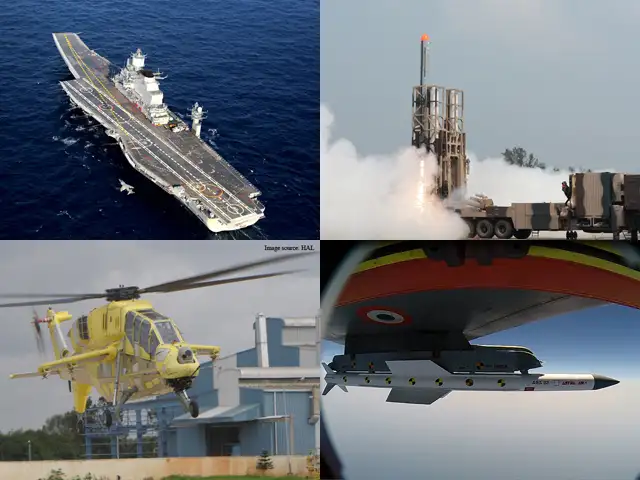
Economictimes.com & Agencies
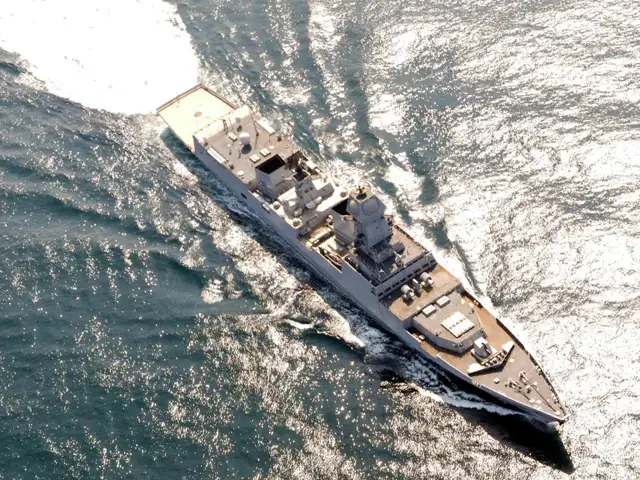
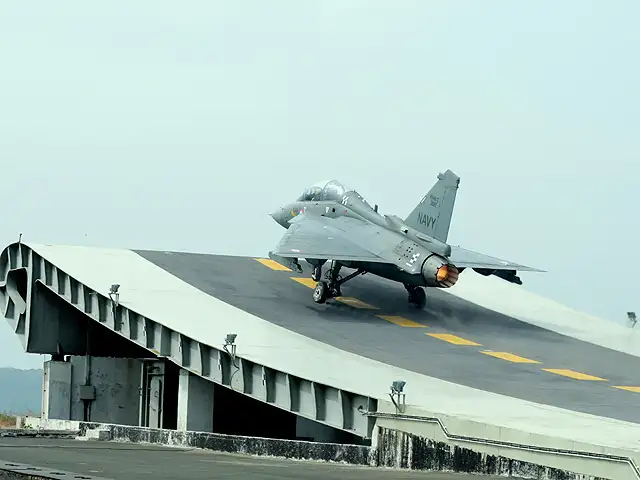
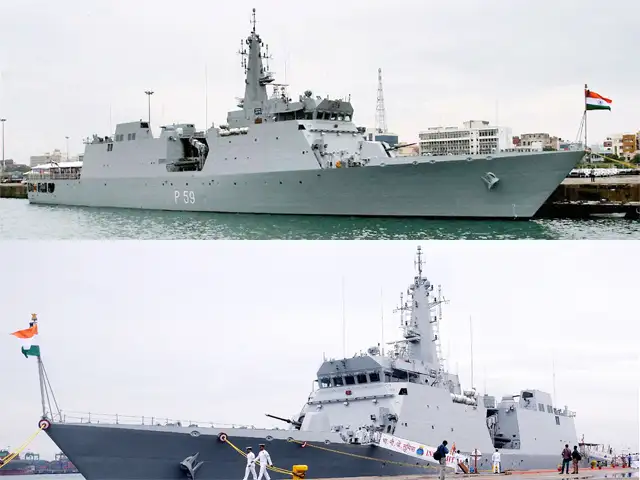
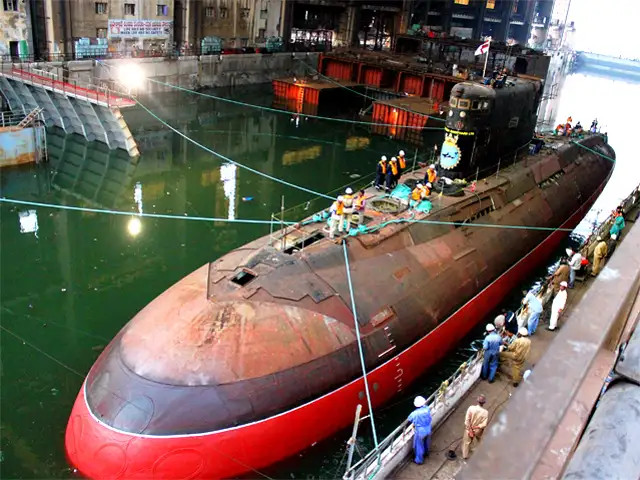
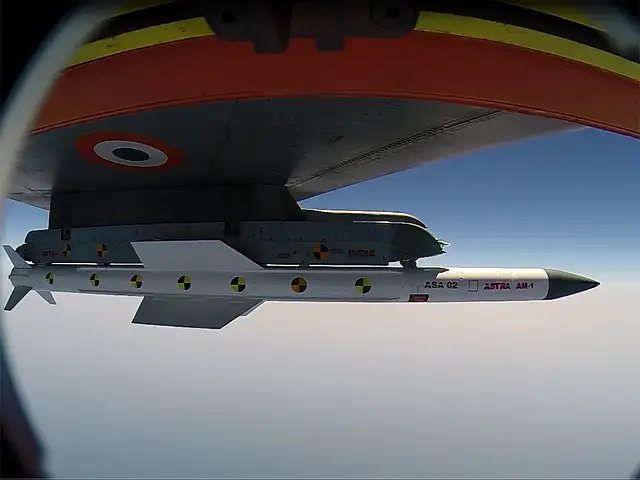
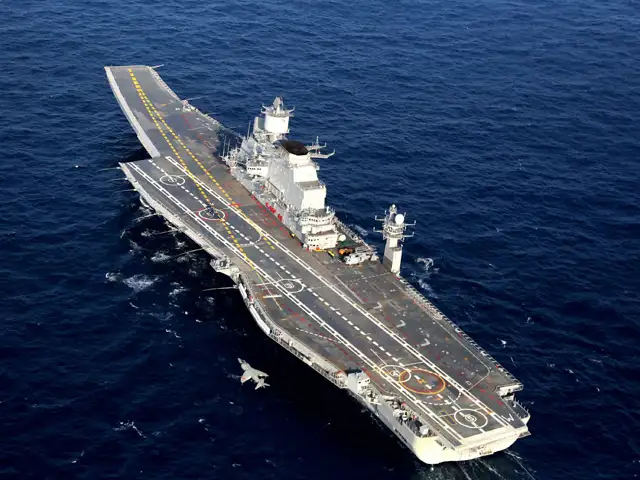
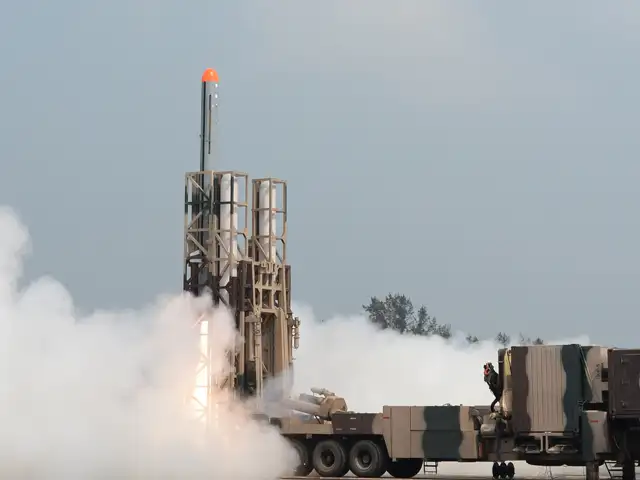
The need to have robust defence capabilities in today's day and age cannot be overstated. India has been aggressively pushing to enhance its ability to deter attacks and up its defence prowess.
2014 saw multiple steps being taken in that direction and India saw many new additions to its defence fleet. We take a look at eight achievements that deserve a special mention:
The need to have robust defence capabilities in today's day and age cannot be overstated. India has been aggressively pushing to enhance its ability to deter attacks and up its defence prowess.
2014 saw multiple steps being taken in that direction and India saw many new additions to its defence fleet. We take a look at eight achievements that deserve a special mention:


ADVERTISEMENT


