India has signed 182 defence deals over last 3 years and current year
The government has also accorded approval for acquiring new artillery guns through five procurement cases.
By PTI | Updated:

NEW DELHI: India has signed 182 contracts over the last three years and the current year with domestic and foreign vendors for the procurement of defence equipment for the three armed services.
Follow @ETDefence Twitter handle for comprehensive coverage on other buzzing Defence stories
In a written reply in Lok Sabha, Minister of State for Defence Rao Inderjit Singh said while 62 contracts were signed for the navy, 79 and 41 contracts were signed for the army and IAF respectively.
The defence equipment included ships, missiles, rockets, simulators, tanks, guns, aircraft, helicopters and radars.
Explaining the process, he said that the capital procurement proposals flow from the planning process.
The Long Term Integrated Perspective Plan (LTIPP) covers a period of 15 years and currently LTIPP 2012-27 is in vogue wherein the requirements specific to army, navy and air force include guns, rockets, missile systems, non-lethal weapons, flight control system, UAVs, amphibious aircraft, air-launched weapons and submarines, he said.
Replying to another question, Singh said 169 of procurement proposals have been approved during the last three financial years and the current financial year with total Acceptance of Necessity (AoN) cost of Rs 2,49,755 crore.
Requests for Proposals (RFPs) have been issued to private sector companies for cases falling in different categories, including procurement cases for simulators, field shelters and vehicles, he said.
Singh also said that during the last three years and the current year, indents have been placed for 105 mm light field guns and electronically upgraded 155 mm guns on Ordnance Factory Board.
The government has accorded approval for acquiring new artillery guns through five procurement cases, he said.
On Hawk advanced jet trainer planes, the minister said 91 out of 106 Hawk-132 have been inducted in Indian Air Force (IAF).
The Hawk-132 is an advanced jet trainer and can be used for ground attack, he added.
Follow @ETDefence Twitter handle for comprehensive coverage on other buzzing Defence stories
In a written reply in Lok Sabha, Minister of State for Defence Rao Inderjit Singh said while 62 contracts were signed for the navy, 79 and 41 contracts were signed for the army and IAF respectively.
The defence equipment included ships, missiles, rockets, simulators, tanks, guns, aircraft, helicopters and radars.
Explaining the process, he said that the capital procurement proposals flow from the planning process.
The Long Term Integrated Perspective Plan (LTIPP) covers a period of 15 years and currently LTIPP 2012-27 is in vogue wherein the requirements specific to army, navy and air force include guns, rockets, missile systems, non-lethal weapons, flight control system, UAVs, amphibious aircraft, air-launched weapons and submarines, he said.
ADVERTISEMENT
Replying to another question, Singh said 169 of procurement proposals have been approved during the last three financial years and the current financial year with total Acceptance of Necessity (AoN) cost of Rs 2,49,755 crore.
Requests for Proposals (RFPs) have been issued to private sector companies for cases falling in different categories, including procurement cases for simulators, field shelters and vehicles, he said.
Singh also said that during the last three years and the current year, indents have been placed for 105 mm light field guns and electronically upgraded 155 mm guns on Ordnance Factory Board.
The government has accorded approval for acquiring new artillery guns through five procurement cases, he said.
ADVERTISEMENT
On Hawk advanced jet trainer planes, the minister said 91 out of 106 Hawk-132 have been inducted in Indian Air Force (IAF).
The Hawk-132 is an advanced jet trainer and can be used for ground attack, he added.
Download
The Economic Times Business News App for the Latest News in Business, Sensex, Stock Market Updates & More.
The Economic Times Business News App for the Latest News in Business, Sensex, Stock Market Updates & More.
Download
The Economic Times News App for Quarterly Results, Latest News in ITR, Business, Share Market, Live Sensex News & More.
The Economic Times News App for Quarterly Results, Latest News in ITR, Business, Share Market, Live Sensex News & More.
Related Articles
 Indian Navy to get 20 advanced jammers under ₹449 crore defence deal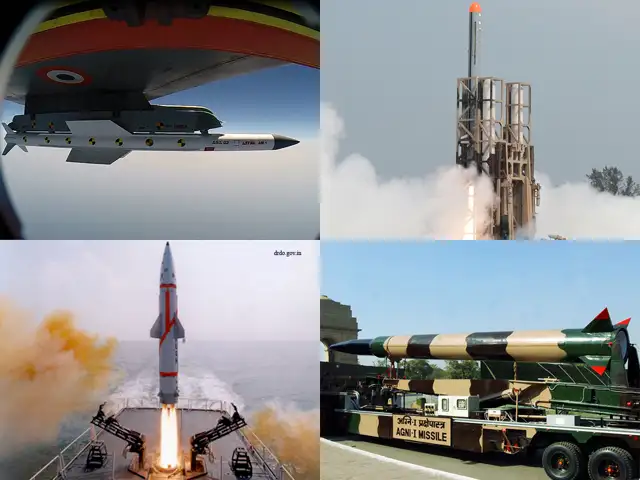
Text: TNN & Agencies
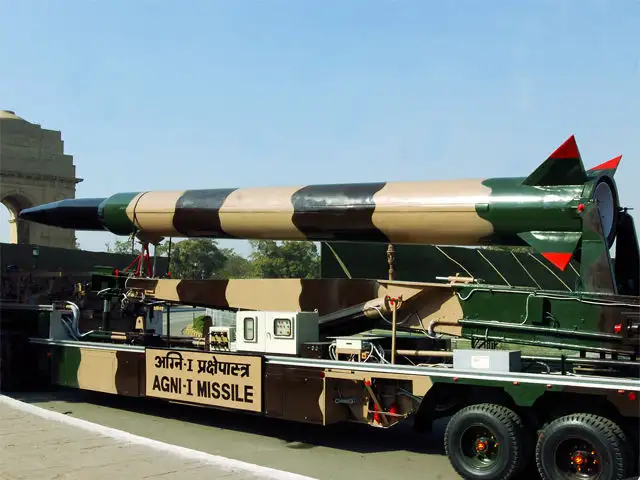
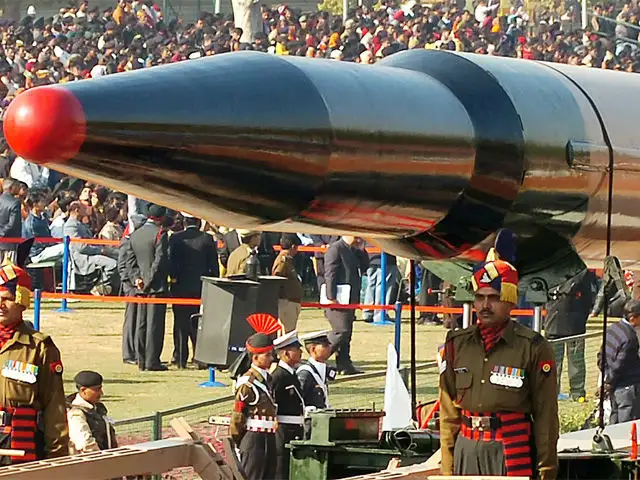
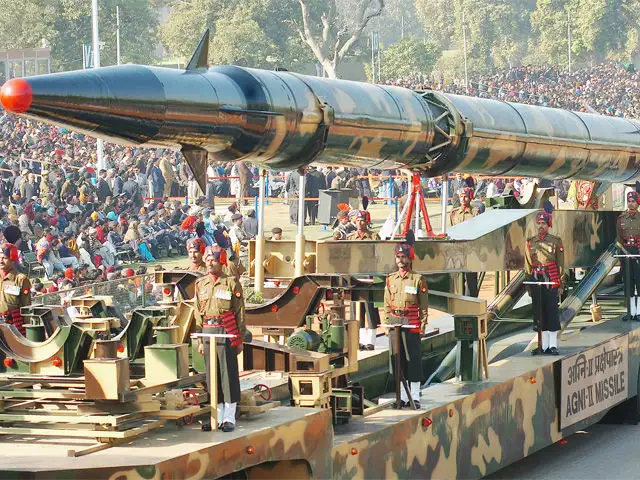
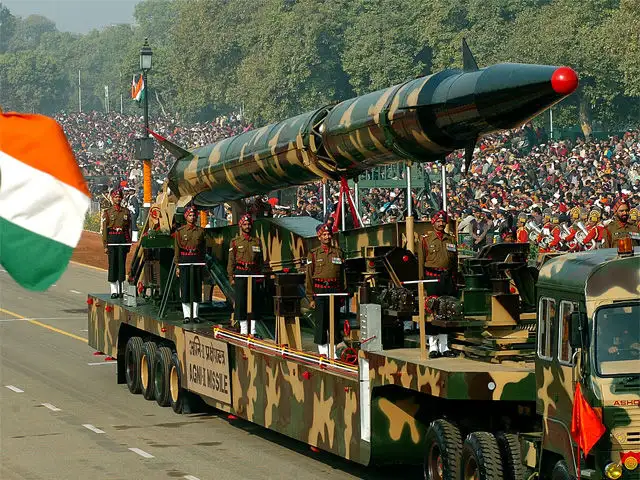
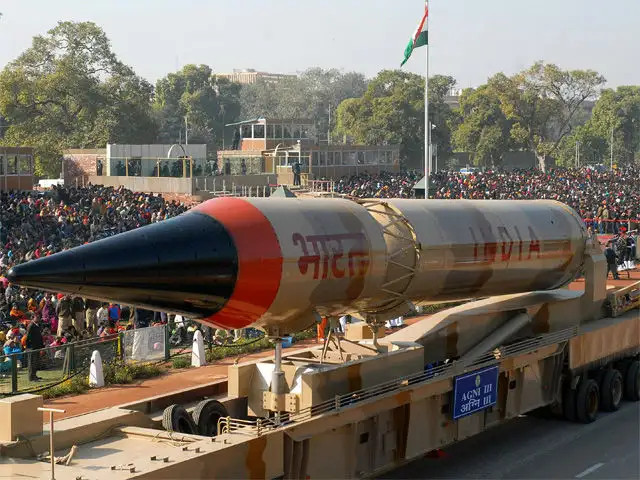
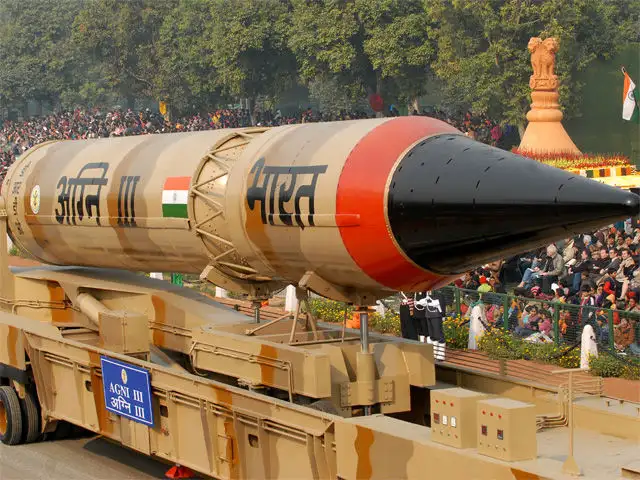
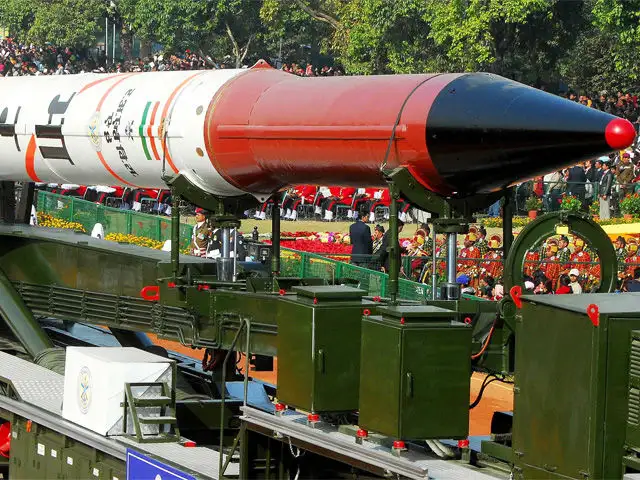
India may have developed surface-to-surface nuclear missiles like the Agni-V, which can strike targets over 5,000-km away, but has struggled to develop a complex BVR (beyond visual range) air combat missile like Astra for over a decade now.
Once the all-weather Astra is ready, India will join a handful of countries like the US, Russia, France and Israel which have developed such sleek missiles capable of detecting, tracking and destroying highly-agile, hostile supersonic fighters packed with “counter-measures” at long ranges.
Indian fighters are currently armed with Russian, French and Israeli BVR missiles, which cost a packet in the absence of a cheaper indigenous alternative.
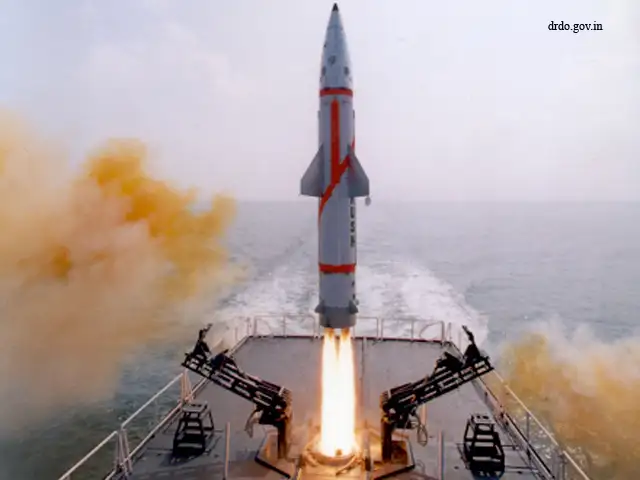
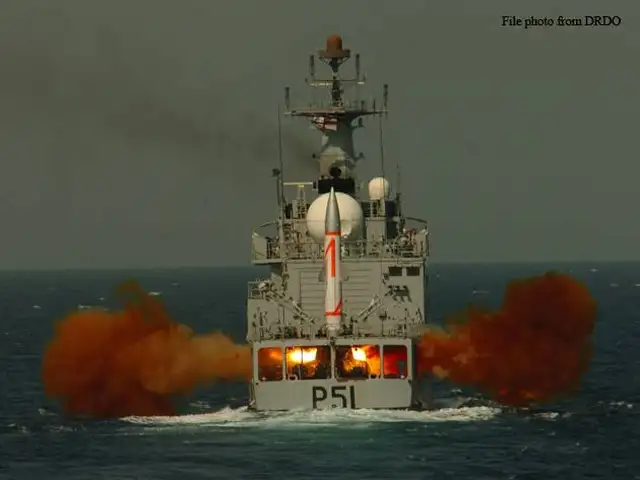
Here we take a look at the status of India’s indigenous missile power...
Image: DRDO
India may have developed surface-to-surface nuclear missiles like the Agni-V, which can strike targets over 5,000-km away, but has struggled to develop a complex BVR (beyond visual range) air combat missile like Astra for over a decade now.
Once the all-weather Astra is ready, India will join a handful of countries like the US, Russia, France and Israel which have developed such sleek missiles capable of detecting, tracking and destroying highly-agile, hostile supersonic fighters packed with “counter-measures” at long ranges.
Indian fighters are currently armed with Russian, French and Israeli BVR missiles, which cost a packet in the absence of a cheaper indigenous alternative.
Here we take a look at the status of India’s indigenous missile power...
Image: DRDO

ADVERTISEMENT


