India enhancing security in Andaman & Nicobar: Navy chief Admiral R K Dhowan
The aim is to ensure that the islands are not only well protected but also act as a strategic location so that it can be used to base aircraft, ships and submarines, he said.
By PTI | Updated:

NEW DELHI: India is beefing up security capacity in the "strategically important" Andaman and Nicobar Islands by building up assets and infrastructure there even as it monitors activities of Chinese Navy in the Indian Ocean region, Navy chief Admiral R K Dhowan said today.
The aim is to ensure that the islands are not only well protected but also act as a strategic location so that it can be used to base aircraft, ships and submarines, he said.
"Andaman and Nicobar islands are very strategically located. They overlook the entire sealines of communication and choke lines (in Indian Ocean region)," Dhowan said at his annual press conference here.
He said every year about 1,20,000 ships pass through the Indian Ocean and nearly 70,000 of them pass through the Malacca Strait.
"The proximity of the Andaman and Nicobar Islands to Malacca Strait makes them very strategic with regard to monitoring of the area and keeping the choke points under surveillance," he said.
Keeping security arrangements in mind, the Navy is carrying out enhancement of its assets and infrastructure in the islands, which come under a tri-service command, he said, adding that the enhancement of capacity of the ports, harbour airfield are being carried out, including extension of runway.
"All these are being given due importance and priority they require," he said.
The Navy chief said Andaman and Nicobar islands are "very very important aspect" in a security location and acts as the extended arms of the country.
He said it was necessary to deploy ships, submarines and aircraft there so that we can carry out our surveillance in important sea lines of communication.
Dhowan said that Navy takes into account the Chinese development of Gwadar port of Pakistan and Beijing's plan to set up a base in Djibouti while making its security and strategic policy.
He said the PLA Navy has been deploying its ships in the Indian Ocean region since 2008 as part of its anti-piracy drive.
"China has maritime interest and they have huge amount of trade and oil passing through this region and it is to protect their interest that they remain deployed here. Indian Navy monitors all activities of the Chinese Navy as indeed we monitor activities of any Navy, or any maritime movement as matter of requirement for an effective and comprehensive maritime domain awareness," he said.
Asked about China's concept of maritime 'Silk Route', Dhowan said India has its own policy to engage effectively with other navies in the region to create a favourable maritime environment around India.
He said India is following the concept of SAGAR - Security and growth for all.
Asked about how India will react to a possible conflict in the South China Sea, Dhowan said it is a hypothetical questions.
He added that Indian monitors South China Sea in peace time like today and would also monitor and take a decision if there is an armed conflict.
Asked about the three foundational agreements - CISMOA, BECA and LSA that US wants India to sign for transfer of higher technology, Dhowan said it is being considered "seriously".
The US has been pushing these three for the last few years but the UPA had refused to sign them.
Top Defence sources said that the matter was under consideration and India has sought clarifications on the matter from the US.
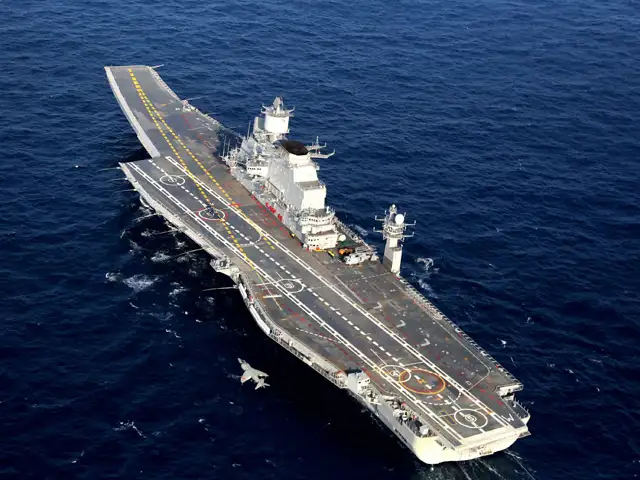
Talking about the India's bid to make another aircraft carrier, Dhowan said it is still in study stage and no decision has been taken on what kind of propulsion or take off and landing system would be deployed.
He added that the force has taken up the issue of heavy weight torpedoes for the Scorpene submarines with the Defence Ministry.
Asked about the P75(I) project for new six conventional submarines, the Navy chief said the Defence Ministry will take a call on it besides the amphibious ship 9LPD0 project for which the survey of possible shipyards have been completed.
He said that talks for the multi-role helicopter deal with American firm Sikorsky was at an "advanced stage". He also reiterated the Navy's faith in the country's Light Combat Aircraft programme.
Replying to questions on the sea trials of India's first indigenous nuclear submarine, Arihant, Dhowan said it was progressing satisfactorily. He steered away from more questions on the subject.
Asked by a reporter whether the issue of radicalisation, abetted by religious intolerance, is fast becoming a national and global threat, Dhowan said, he can only speak for the Navy. He said that the Navy was secular.
"I would like to talk about how it is in the Navy. Every ship of the Indian Navy is a microcosm of India, where we have personnel from every single state representing, including every religion as well. Therefore Navy is totally secular in nature and it starts from from our individual and smallest unit. That trend and that feeling, and that spirit is maintained."
The aim is to ensure that the islands are not only well protected but also act as a strategic location so that it can be used to base aircraft, ships and submarines, he said.
"Andaman and Nicobar islands are very strategically located. They overlook the entire sealines of communication and choke lines (in Indian Ocean region)," Dhowan said at his annual press conference here.
He said every year about 1,20,000 ships pass through the Indian Ocean and nearly 70,000 of them pass through the Malacca Strait.
"The proximity of the Andaman and Nicobar Islands to Malacca Strait makes them very strategic with regard to monitoring of the area and keeping the choke points under surveillance," he said.
Keeping security arrangements in mind, the Navy is carrying out enhancement of its assets and infrastructure in the islands, which come under a tri-service command, he said, adding that the enhancement of capacity of the ports, harbour airfield are being carried out, including extension of runway.
ADVERTISEMENT
"All these are being given due importance and priority they require," he said.
The Navy chief said Andaman and Nicobar islands are "very very important aspect" in a security location and acts as the extended arms of the country.
He said it was necessary to deploy ships, submarines and aircraft there so that we can carry out our surveillance in important sea lines of communication.
Dhowan said that Navy takes into account the Chinese development of Gwadar port of Pakistan and Beijing's plan to set up a base in Djibouti while making its security and strategic policy.
ADVERTISEMENT
He said the PLA Navy has been deploying its ships in the Indian Ocean region since 2008 as part of its anti-piracy drive.
"China has maritime interest and they have huge amount of trade and oil passing through this region and it is to protect their interest that they remain deployed here. Indian Navy monitors all activities of the Chinese Navy as indeed we monitor activities of any Navy, or any maritime movement as matter of requirement for an effective and comprehensive maritime domain awareness," he said.
ADVERTISEMENT
Asked about China's concept of maritime 'Silk Route', Dhowan said India has its own policy to engage effectively with other navies in the region to create a favourable maritime environment around India.
He said India is following the concept of SAGAR - Security and growth for all.
Asked about how India will react to a possible conflict in the South China Sea, Dhowan said it is a hypothetical questions.
He added that Indian monitors South China Sea in peace time like today and would also monitor and take a decision if there is an armed conflict.
Asked about the three foundational agreements - CISMOA, BECA and LSA that US wants India to sign for transfer of higher technology, Dhowan said it is being considered "seriously".
The US has been pushing these three for the last few years but the UPA had refused to sign them.
Top Defence sources said that the matter was under consideration and India has sought clarifications on the matter from the US.
Talking about the India's bid to make another aircraft carrier, Dhowan said it is still in study stage and no decision has been taken on what kind of propulsion or take off and landing system would be deployed.
He added that the force has taken up the issue of heavy weight torpedoes for the Scorpene submarines with the Defence Ministry.
Asked about the P75(I) project for new six conventional submarines, the Navy chief said the Defence Ministry will take a call on it besides the amphibious ship 9LPD0 project for which the survey of possible shipyards have been completed.
He said that talks for the multi-role helicopter deal with American firm Sikorsky was at an "advanced stage". He also reiterated the Navy's faith in the country's Light Combat Aircraft programme.
Replying to questions on the sea trials of India's first indigenous nuclear submarine, Arihant, Dhowan said it was progressing satisfactorily. He steered away from more questions on the subject.
Asked by a reporter whether the issue of radicalisation, abetted by religious intolerance, is fast becoming a national and global threat, Dhowan said, he can only speak for the Navy. He said that the Navy was secular.
"I would like to talk about how it is in the Navy. Every ship of the Indian Navy is a microcosm of India, where we have personnel from every single state representing, including every religion as well. Therefore Navy is totally secular in nature and it starts from from our individual and smallest unit. That trend and that feeling, and that spirit is maintained."
Download
The Economic Times Business News App for the Latest News in Business, Sensex, Stock Market Updates & More.
The Economic Times Business News App for the Latest News in Business, Sensex, Stock Market Updates & More.
Download
The Economic Times News App for Quarterly Results, Latest News in ITR, Business, Share Market, Live Sensex News & More.
The Economic Times News App for Quarterly Results, Latest News in ITR, Business, Share Market, Live Sensex News & More.
Related Articles
 Date to decommission INS Viraat yet to be finalised: Indian Navy Chief Admiral R K Dhowan2016-04-13T10:25:39Z
- Navy chief Admiral R K Dhowan on four-day visit to UK; to seek greater defence ties2016-03-07T16:29:59Z
- Fleet review highlights Naval unity across globe: Chief of Naval Staff Admiral R K Dhowan2016-02-05T16:36:21Z
Economictimes.com & Agencies
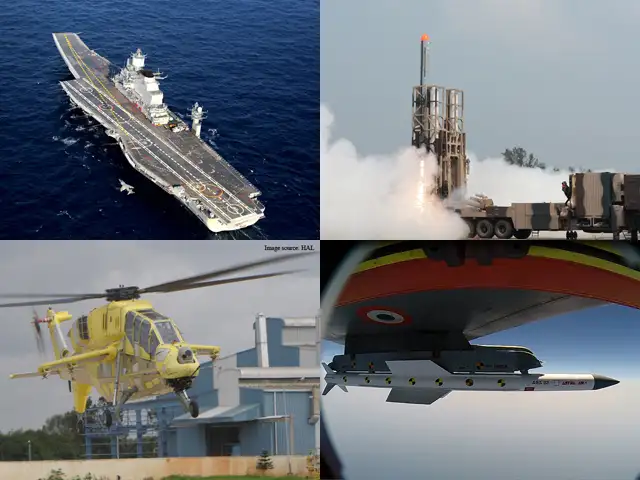
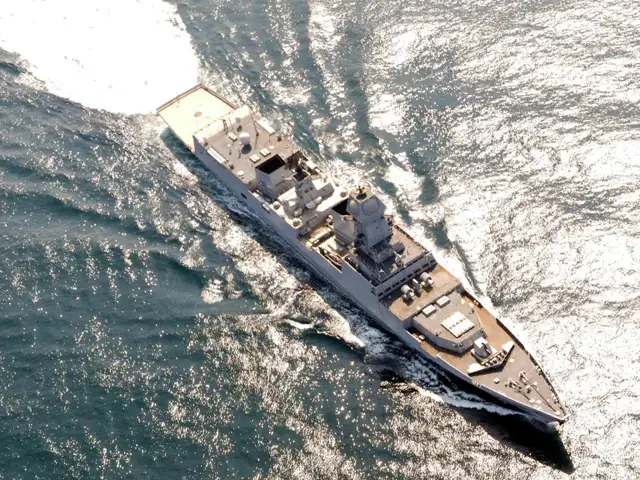
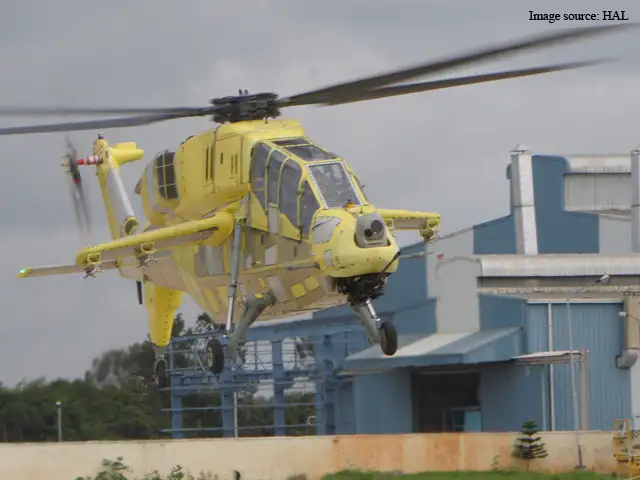
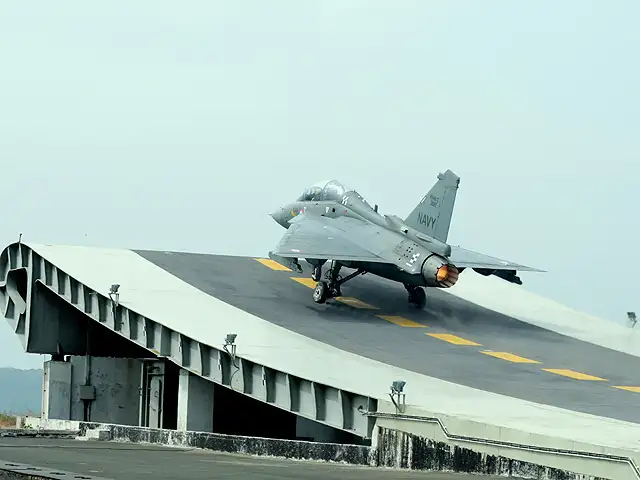
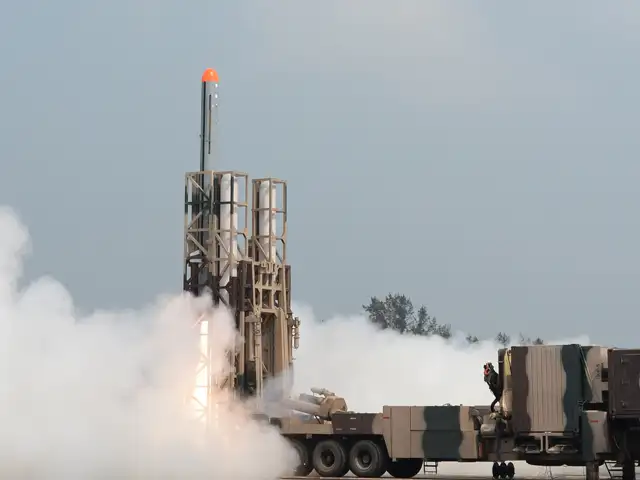
The need to have robust defence capabilities in today's day and age cannot be overstated. India has been aggressively pushing to enhance its ability to deter attacks and up its defence prowess.
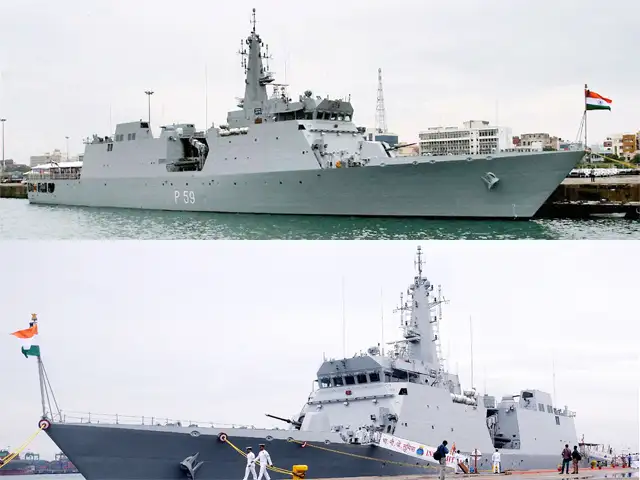
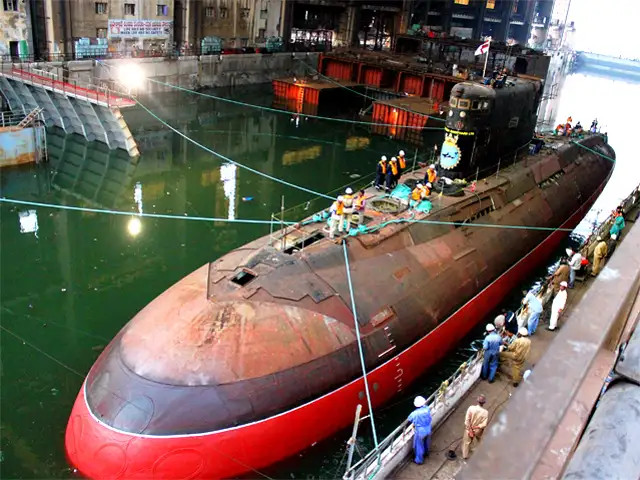
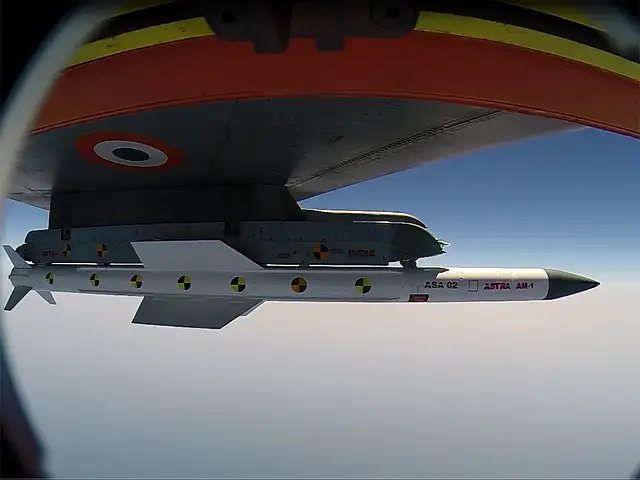
2014 saw multiple steps being taken in that direction and India saw many new additions to its defence fleet. We take a look at eight achievements that deserve a special mention:
The need to have robust defence capabilities in today's day and age cannot be overstated. India has been aggressively pushing to enhance its ability to deter attacks and up its defence prowess.
2014 saw multiple steps being taken in that direction and India saw many new additions to its defence fleet. We take a look at eight achievements that deserve a special mention:

ADVERTISEMENT


