India could have gone nuclear as early as 1964: US report
The report along with several others was published yesterday by the National Security Archive and the Nuclear Proliferation International History Project.
By PTI | Updated:

WASHINGTON: As early as 1964, the US intelligence community had concluded that India was in a position to develop nuclear weapons, a declassified State Department report said, citing frequent change of the fuel core of the Canada-supplied reactor at Trombay.
Follow @ETDefence Twitter handle for comprehensive coverage on other buzzing Defence stories
"The Indians are now in a position to begin nuclear weapons development if they chose to do so. We have no evidence, however, of a weapon research and development programme and would expect to see some if the programme existed," the State Department Bureau of Intelligence and Research (INR) said in a report on May 14, 1964.
The report along with several others was published yesterday by the National Security Archive and the Nuclear Proliferation International History Project.
Noting that the fuel core of the Canadian-Indian Reactor (CIR) at Trombay was being changed every six months, the US intelligence report had raised questions about India's nuclear objectives.
It said a six-month period was quite short for "normal research reactor operations," but it was the optimum time for using the CIR's spent fuel for producing weapons grade plutonium.
The report said the Canadians had not established specific safeguards when they made the reactor available to India thus giving the Indians a free hand in using the newly-built Phoenix plutonium separation plant to produce the fissile material.
According to the State Department report, "India's leadership might have had nationalistic motives for building the Phoenix plant but if it wanted a nuclear weapons capability it would seek such a capability".
INR report said it had no "direct evidence" of an Indian weapons programme and believed it was "unlikely" that India had made a decision to build a bomb.
Nevertheless, it was "probably no accident" that "everything the Indians (had) done so far would be compatible with a weapons programme if at some future date it appeared desirable to start one."
According to INR, India had taken the "first deliberate decision in the series leading to a nuclear weapon," which was to have "available, on demand, unsafeguarded weapons-grade plutonium or, at the least, the capacity to produce it."
The report said that a scholar characterised this as India's "proliferation drift, the slow but sure moves towards the development of nuclear weapons."
Follow @ETDefence Twitter handle for comprehensive coverage on other buzzing Defence stories
"The Indians are now in a position to begin nuclear weapons development if they chose to do so. We have no evidence, however, of a weapon research and development programme and would expect to see some if the programme existed," the State Department Bureau of Intelligence and Research (INR) said in a report on May 14, 1964.
The report along with several others was published yesterday by the National Security Archive and the Nuclear Proliferation International History Project.
Noting that the fuel core of the Canadian-Indian Reactor (CIR) at Trombay was being changed every six months, the US intelligence report had raised questions about India's nuclear objectives.
It said a six-month period was quite short for "normal research reactor operations," but it was the optimum time for using the CIR's spent fuel for producing weapons grade plutonium.
ADVERTISEMENT
The report said the Canadians had not established specific safeguards when they made the reactor available to India thus giving the Indians a free hand in using the newly-built Phoenix plutonium separation plant to produce the fissile material.
According to the State Department report, "India's leadership might have had nationalistic motives for building the Phoenix plant but if it wanted a nuclear weapons capability it would seek such a capability".
INR report said it had no "direct evidence" of an Indian weapons programme and believed it was "unlikely" that India had made a decision to build a bomb.
Nevertheless, it was "probably no accident" that "everything the Indians (had) done so far would be compatible with a weapons programme if at some future date it appeared desirable to start one."
ADVERTISEMENT
According to INR, India had taken the "first deliberate decision in the series leading to a nuclear weapon," which was to have "available, on demand, unsafeguarded weapons-grade plutonium or, at the least, the capacity to produce it."
The report said that a scholar characterised this as India's "proliferation drift, the slow but sure moves towards the development of nuclear weapons."
Download
The Economic Times Business News App for the Latest News in Business, Sensex, Stock Market Updates & More.
The Economic Times Business News App for the Latest News in Business, Sensex, Stock Market Updates & More.
Download
The Economic Times News App for Quarterly Results, Latest News in ITR, Business, Share Market, Live Sensex News & More.
The Economic Times News App for Quarterly Results, Latest News in ITR, Business, Share Market, Live Sensex News & More.
Related Articles
 Eight years on, from JCPOA to MoU: How Trump's Iran deal stacks up against Obama's nuclear pact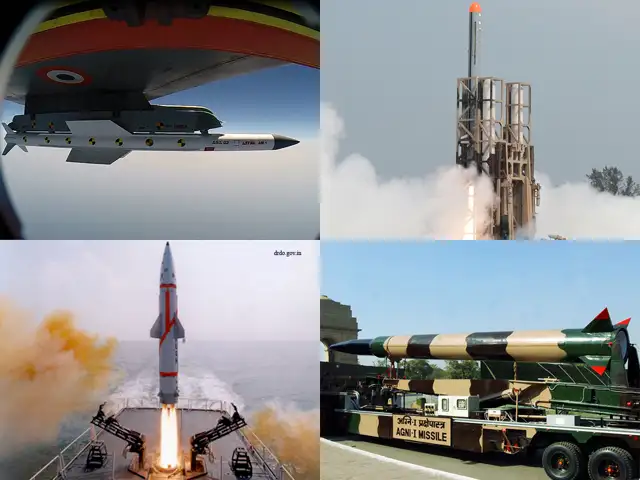
Text: TNN & Agencies
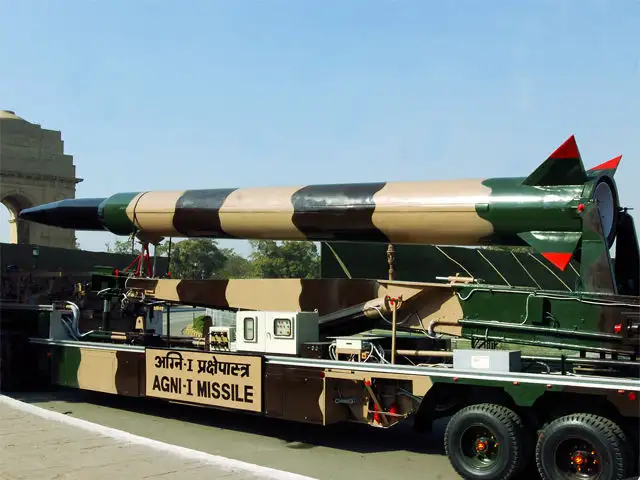
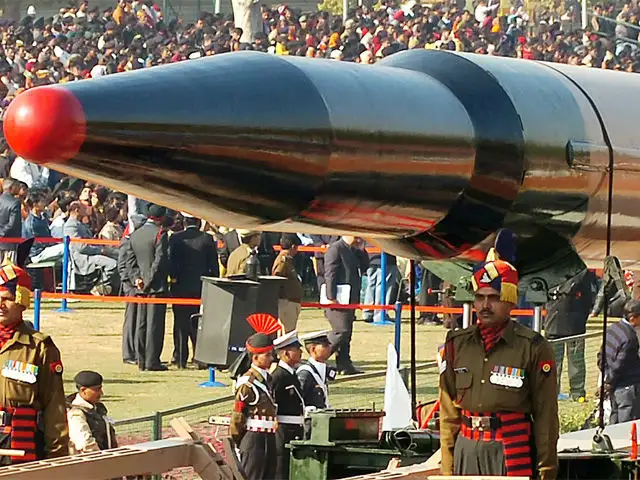
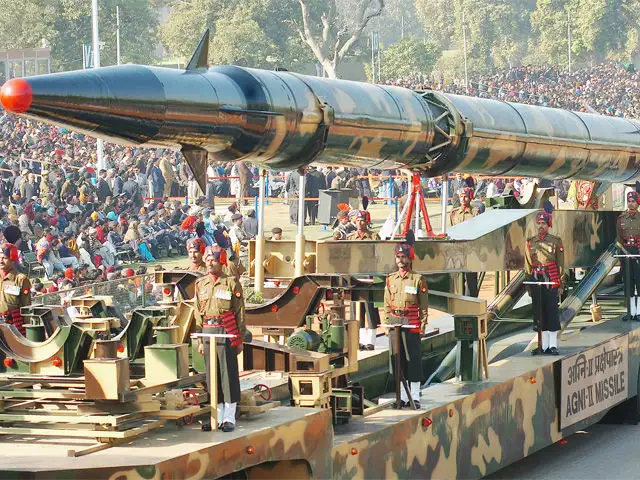
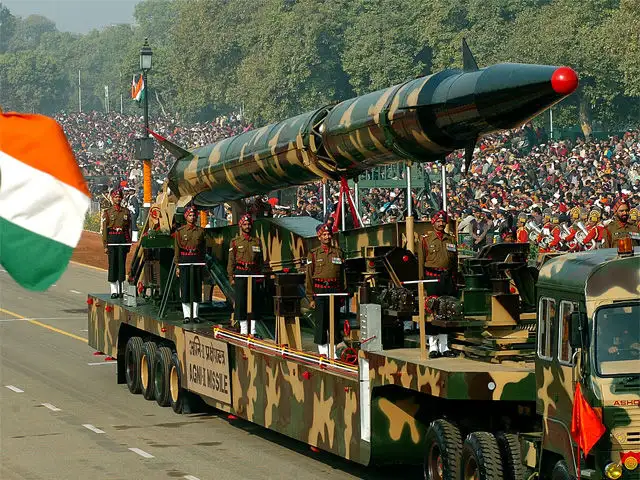
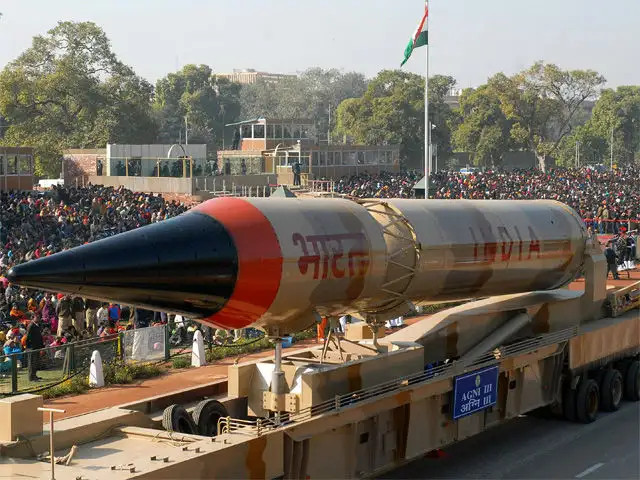
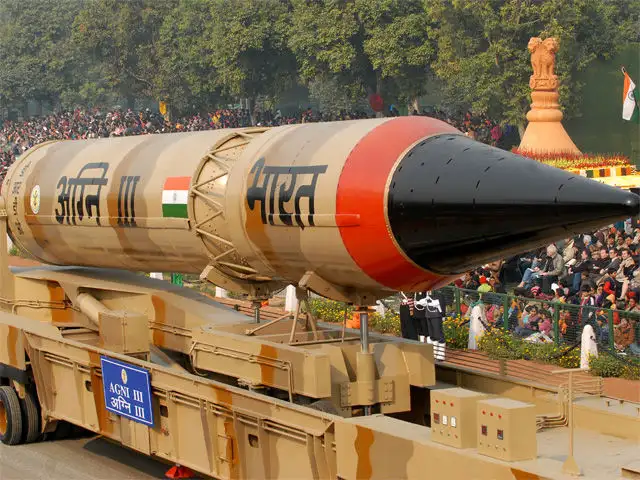
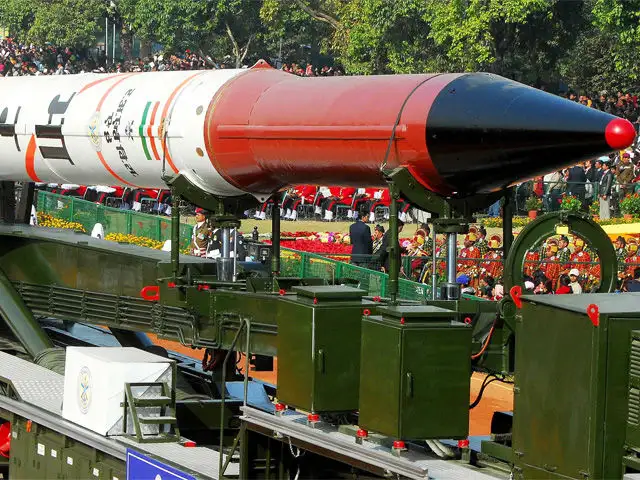
India may have developed surface-to-surface nuclear missiles like the Agni-V, which can strike targets over 5,000-km away, but has struggled to develop a complex BVR (beyond visual range) air combat missile like Astra for over a decade now.
Once the all-weather Astra is ready, India will join a handful of countries like the US, Russia, France and Israel which have developed such sleek missiles capable of detecting, tracking and destroying highly-agile, hostile supersonic fighters packed with “counter-measures” at long ranges.
Indian fighters are currently armed with Russian, French and Israeli BVR missiles, which cost a packet in the absence of a cheaper indigenous alternative.
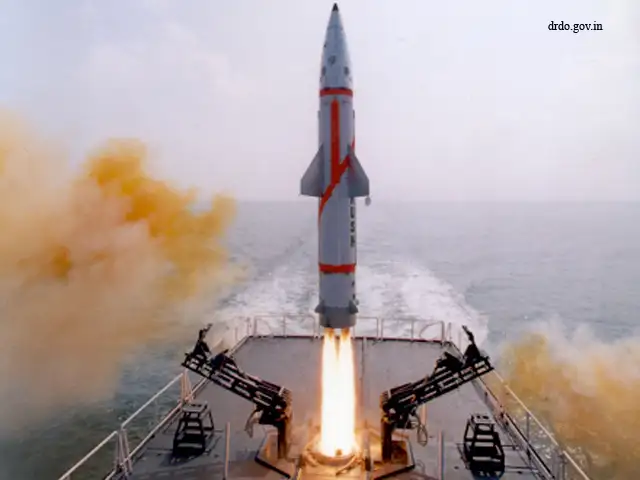
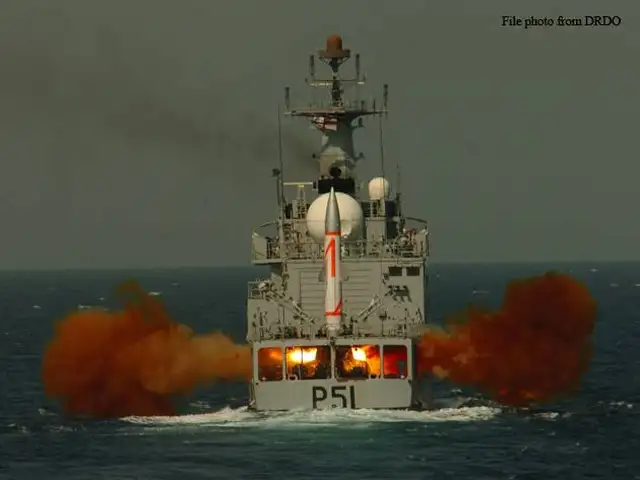
Here we take a look at the status of India’s indigenous missile power...
Image: DRDO
India may have developed surface-to-surface nuclear missiles like the Agni-V, which can strike targets over 5,000-km away, but has struggled to develop a complex BVR (beyond visual range) air combat missile like Astra for over a decade now.
Once the all-weather Astra is ready, India will join a handful of countries like the US, Russia, France and Israel which have developed such sleek missiles capable of detecting, tracking and destroying highly-agile, hostile supersonic fighters packed with “counter-measures” at long ranges.
Indian fighters are currently armed with Russian, French and Israeli BVR missiles, which cost a packet in the absence of a cheaper indigenous alternative.
Here we take a look at the status of India’s indigenous missile power...
Image: DRDO

ADVERTISEMENT


