India, China defence officials conclude talks
R K Mathur who headed the Indian delegation called on Chinese Defence Minister Chang Wanquan and discussed various aspects of military ties.
By PTI | Updated:

BEIJING: Indian and Chinese defence officials today wrapped up three-day talks here on a host of issues including identifying additional border points for interaction and CBMs to improve relations between the two forces on the borders, amid reports of fresh face offs at the LAC.
The seventh Annual Defence and Security Dialogue (ADSD) was held in the backdrop of China expressing a wish to link up its Maritime Silk Road (MSR) project with India's 'Mausam' plans and trilateral cooperation between India, China and Sri Lanka to address India's security concerns in the Indian Ocean.
The talks took place ahead of Prime Minister Narendra Modi's visit to China next month.
Defence Secretary, R K Mathur who headed the Indian delegation called on Chinese Defence Minister Chang Wanquan and discussed various aspects of military ties between the two countries, an Indian Embassy press release here said.
Mathur extended Defence Minister Manohar Parrikar's invitation to Chang to visit India.
Mathur who arrived here on April 8 held both formal and informal talks with Chinese officials in the last three days.
At today's talks co-chaired by Mathur and Deputy Chief of General Staff of PLA, Admiral Sun Jianguo, both sides recalled the substantive outcomes and understandings reached, including in the military sphere during the visit of President Xi Jinping to India last year.
"The two sides noted that the leadership of both countries had recognised the maintenance of peace and tranquillity on the borders as an important guarantor for the development and growth of the bilateral relationship between both countries.
"During the meeting, both sides exchanged views on a number of regional and global security issues of mutual interest including the security situation in the Asia-Pacific region," the press release said.
"They agreed on the need to expand military cooperation and for identifying new avenues of engagement. Indian side welcomed the proposed visit of Central Military Commission Vice Chairman Fan Changlong to India in the second half of 2015," it said.
Both sides took note of the successful conduct of the Joint Army exercise in India in 2014 and agreed to conduct the next exercise in China in 2015.
The talks took place in the back of reports that Indian and Chinese troops recently had two face-offs along the Line of Actual Control (LAC) in Ladakh, in the same area where People's Liberation Army had pitched camps in April, 2013 leading to a three-week long stalemate.
Indian officials say Chinese troops appeared at Burtse and Depsang areas north of Ladakh, first on March 20 and then on March 28, apparently as part of attempts to reach Old Patrol Point, the last established base of Indian security forces.
China says such incidents takes place because of different perceptions of the LAC.
The defence officials talks had an added significance as Modi is expected to visit China next month during which border issue would come up in his meetings with Chinese leaders.
About the ADSD talks, the Chinese defence ministry statement said there is in-depth exchange of views on the regional security situation, bilateral military relations and issues of common concern.
In his meeting with Mathur, Chang said China-India relations have maintained a good momentum of healthy and stable development.
China is committed to promote strategic cooperative partnership to achieve new development in bilateral relations and hoped that the two armies jointly implement the important consensus reached by the two heads of state, properly manage and control differences, enhance strategic mutual trust, deepen pragmatic cooperation and make positive efforts to safeguard regional and world peace and stability.
During the talks both sides agreed the border consultation mechanism has played positive role to enhance mutual trust and promote cooperation, the Chinese statement said.
The seventh Annual Defence and Security Dialogue (ADSD) was held in the backdrop of China expressing a wish to link up its Maritime Silk Road (MSR) project with India's 'Mausam' plans and trilateral cooperation between India, China and Sri Lanka to address India's security concerns in the Indian Ocean.
The talks took place ahead of Prime Minister Narendra Modi's visit to China next month.
Defence Secretary, R K Mathur who headed the Indian delegation called on Chinese Defence Minister Chang Wanquan and discussed various aspects of military ties between the two countries, an Indian Embassy press release here said.
Mathur extended Defence Minister Manohar Parrikar's invitation to Chang to visit India.
Mathur who arrived here on April 8 held both formal and informal talks with Chinese officials in the last three days.
ADVERTISEMENT
At today's talks co-chaired by Mathur and Deputy Chief of General Staff of PLA, Admiral Sun Jianguo, both sides recalled the substantive outcomes and understandings reached, including in the military sphere during the visit of President Xi Jinping to India last year.
"The two sides noted that the leadership of both countries had recognised the maintenance of peace and tranquillity on the borders as an important guarantor for the development and growth of the bilateral relationship between both countries.
"During the meeting, both sides exchanged views on a number of regional and global security issues of mutual interest including the security situation in the Asia-Pacific region," the press release said.
"They agreed on the need to expand military cooperation and for identifying new avenues of engagement. Indian side welcomed the proposed visit of Central Military Commission Vice Chairman Fan Changlong to India in the second half of 2015," it said.
ADVERTISEMENT
Both sides took note of the successful conduct of the Joint Army exercise in India in 2014 and agreed to conduct the next exercise in China in 2015.
The talks took place in the back of reports that Indian and Chinese troops recently had two face-offs along the Line of Actual Control (LAC) in Ladakh, in the same area where People's Liberation Army had pitched camps in April, 2013 leading to a three-week long stalemate.
ADVERTISEMENT
Indian officials say Chinese troops appeared at Burtse and Depsang areas north of Ladakh, first on March 20 and then on March 28, apparently as part of attempts to reach Old Patrol Point, the last established base of Indian security forces.
China says such incidents takes place because of different perceptions of the LAC.
The defence officials talks had an added significance as Modi is expected to visit China next month during which border issue would come up in his meetings with Chinese leaders.
About the ADSD talks, the Chinese defence ministry statement said there is in-depth exchange of views on the regional security situation, bilateral military relations and issues of common concern.
In his meeting with Mathur, Chang said China-India relations have maintained a good momentum of healthy and stable development.
China is committed to promote strategic cooperative partnership to achieve new development in bilateral relations and hoped that the two armies jointly implement the important consensus reached by the two heads of state, properly manage and control differences, enhance strategic mutual trust, deepen pragmatic cooperation and make positive efforts to safeguard regional and world peace and stability.
During the talks both sides agreed the border consultation mechanism has played positive role to enhance mutual trust and promote cooperation, the Chinese statement said.
Download
The Economic Times Business News App for the Latest News in Business, Sensex, Stock Market Updates & More.
The Economic Times Business News App for the Latest News in Business, Sensex, Stock Market Updates & More.
Download
The Economic Times News App for Quarterly Results, Latest News in ITR, Business, Share Market, Live Sensex News & More.
The Economic Times News App for Quarterly Results, Latest News in ITR, Business, Share Market, Live Sensex News & More.
Related Articles
 China company secures Kenya airport deal after Adani fallout2026-06-11T19:37:22Z
- Japanese investors are looking beyond China... India is key alternative: Tsutomu Takemura, Senior MD, Nomura2026-06-11T19:06:29Z
- Reliance, Vedanta, Adani join India's drive to cut China rare earth dependence, sources say2026-06-11T09:36:39Z
Economictimes.com & Agencies
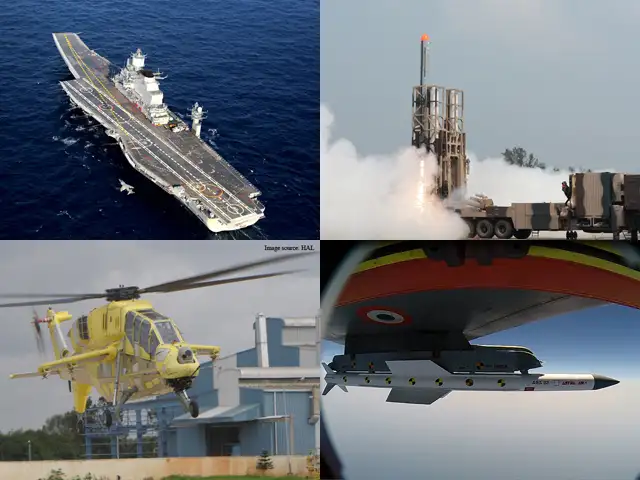
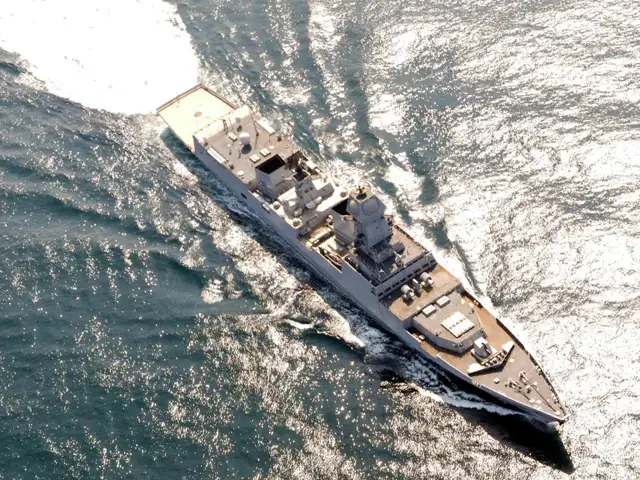
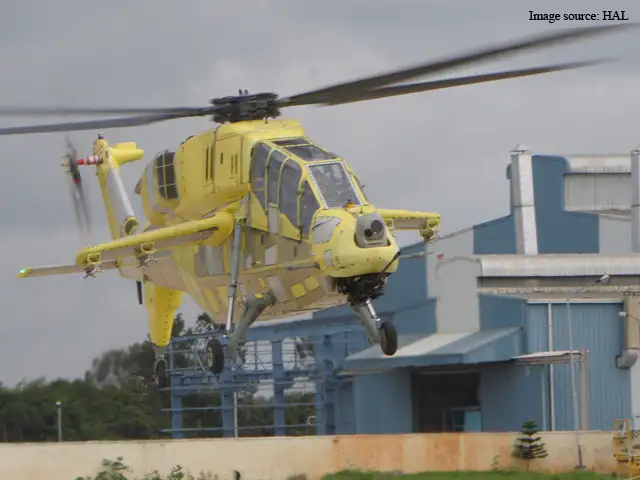
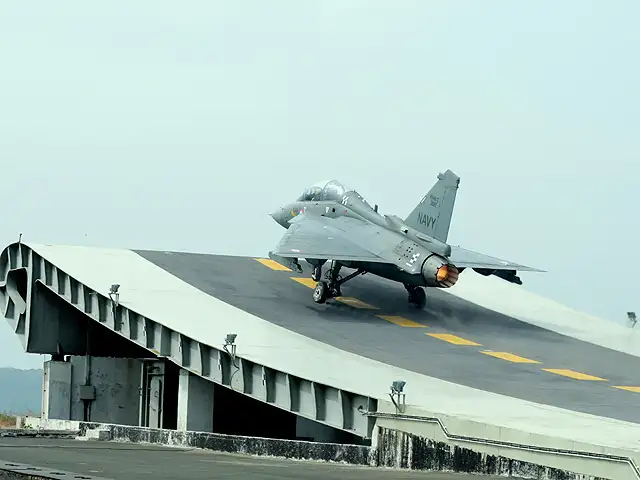
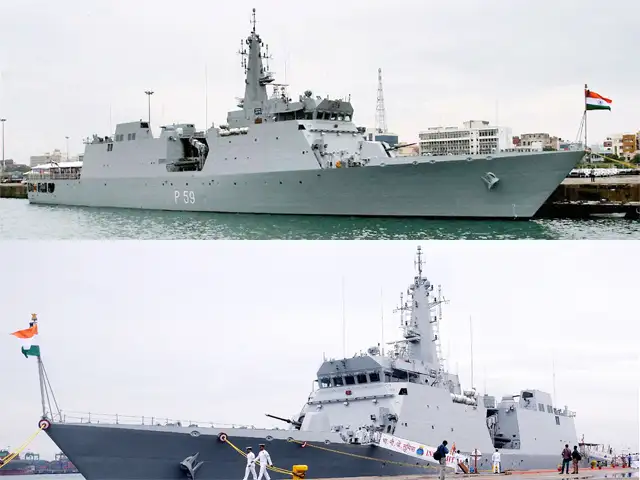
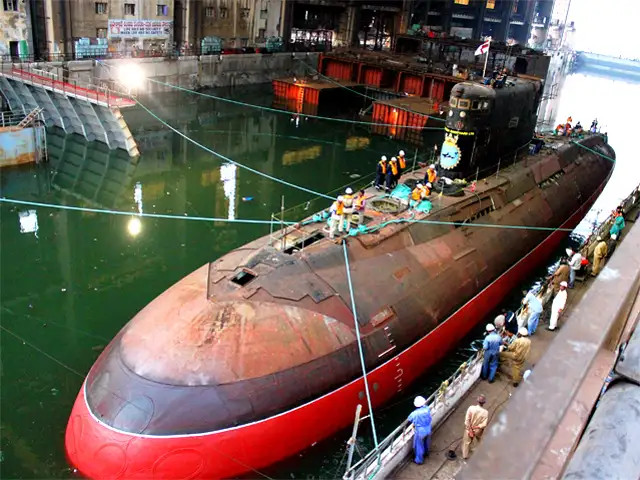
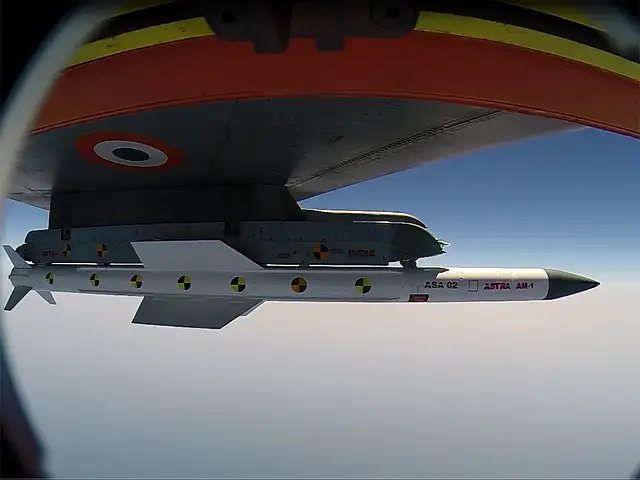
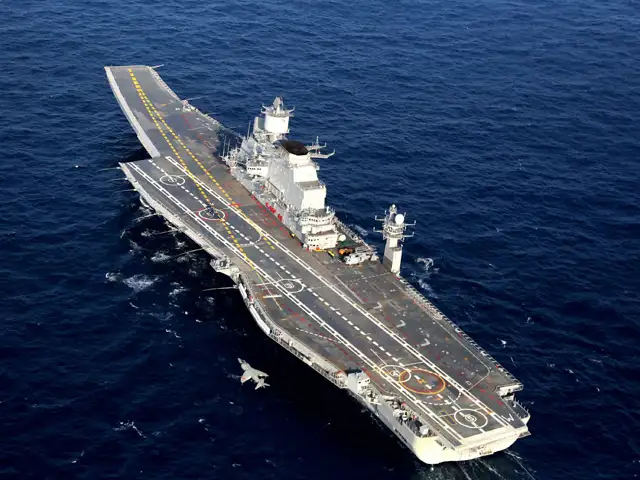
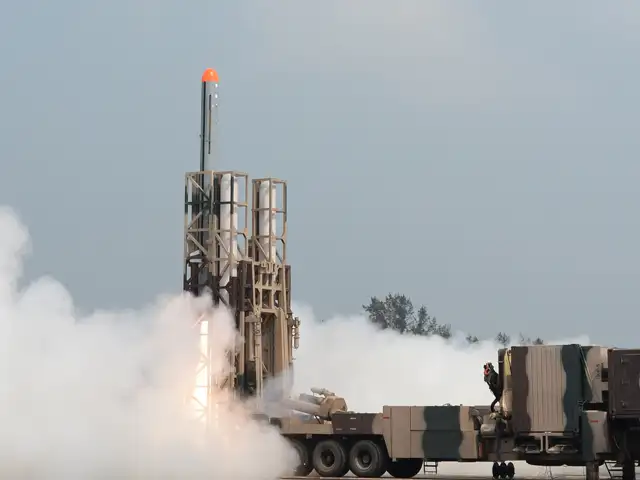
The need to have robust defence capabilities in today's day and age cannot be overstated. India has been aggressively pushing to enhance its ability to deter attacks and up its defence prowess.
2014 saw multiple steps being taken in that direction and India saw many new additions to its defence fleet. We take a look at eight achievements that deserve a special mention:
The need to have robust defence capabilities in today's day and age cannot be overstated. India has been aggressively pushing to enhance its ability to deter attacks and up its defence prowess.
2014 saw multiple steps being taken in that direction and India saw many new additions to its defence fleet. We take a look at eight achievements that deserve a special mention:

ADVERTISEMENT


