In first year, Modi government cleared defence proposals worth Rs 1 lakh crore
The govt has also revived several long-pending mega projects, which were virtually stuck in files during A K Antony's eight years at the helm.
By Rajat Pandit, TNN | Updated:

NEW DELHI: The NDA government has cleared around 40 new defence acquisition proposals, worth over Rs 1 lakh crore, setting a scorching pace over the last one year. It has also revived several long-pending mega projects, which were virtually stuck in files during A K Antony's eight years at the helm in the defence ministry.
But the follow-through has been relatively slow to ensure the proposals swiftly head towards inking of actual contracts or turn into concrete projects on the ground. The new much-touted defence procurement policy (DPP) is yet to be finalised, there is still some uncertainty over the entire "Make in India" thrust, and the annual defence budget has not registered any concrete
"There is much faster decision-making at the top, either in approving or scrapping modernisation proposals. But the bureaucratic bottle-necks remain and the procedures are yet to be streamlined," said a senior official.
But a committee of civil and military experts, which includes former home secretary Dhirendra Singh and former MoD director-general of acquisitions Satish Agnihotri, is now reviewing the changes in the new proposed DPP.
"Around 90% of the work has been done to drastically overhaul the DPP of 2013. It should be announced by July," said an official. The changes range from easing of norms for arms agents and blacklisting of armament companies to ways to simplify the cumbersome arms acquisition procedures and push the "Make in India" policy in defence production.
The MoD is also tightening screws on DRDO and its 50 labs, five defence PSUs, four shipyards and 39 ordnance factories to ensure they deliver on time in a cost-effective manner, apart from there being a determined push to encourage the private sector to enter defence production in a major way.
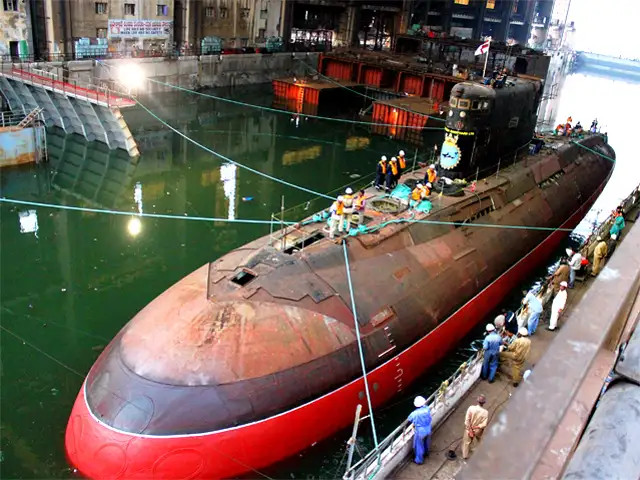
All this is certainly needed. Take, for instance, the long-pending project for construction of six new advanced stealth diesel-electric submarines in India with foreign collaboration. The defence acquisitions council in October last year gave the renewed green signal to this project, which had got "acceptance of necessity" for around Rs 50,000 crore way back in November 2007. The tender for the already long-delayed project is, however, still nowhere close to being issued seven months down the line.
But most agree there have also been some out-of-the-box solutions to address critical operational military deficiencies. The decision for outright purchase of 36 French Rafale fighters, which entailed the scrapping of the deadlocked $20 billion MMRCA (medium multi-role combat aircraft) project to acquire 126 such fighters, for instance, took many by surprise.
There is, however, still no clarity on whether the direct acquisition of 36 fighters will be followed by a "Make in India" component, as was originally envisaged in the MMRCA project. In fact, there are indications the government will just go in for around 20 more Rafales, and then stop at that. Defence minister Manohar Parrikar has himself held that acquisition of 126 fighters would have been "a very steep slope" to climb financially.
But the follow-through has been relatively slow to ensure the proposals swiftly head towards inking of actual contracts or turn into concrete projects on the ground. The new much-touted defence procurement policy (DPP) is yet to be finalised, there is still some uncertainty over the entire "Make in India" thrust, and the annual defence budget has not registered any concrete
"There is much faster decision-making at the top, either in approving or scrapping modernisation proposals. But the bureaucratic bottle-necks remain and the procedures are yet to be streamlined," said a senior official.
But a committee of civil and military experts, which includes former home secretary Dhirendra Singh and former MoD director-general of acquisitions Satish Agnihotri, is now reviewing the changes in the new proposed DPP.
"Around 90% of the work has been done to drastically overhaul the DPP of 2013. It should be announced by July," said an official. The changes range from easing of norms for arms agents and blacklisting of armament companies to ways to simplify the cumbersome arms acquisition procedures and push the "Make in India" policy in defence production.
The MoD is also tightening screws on DRDO and its 50 labs, five defence PSUs, four shipyards and 39 ordnance factories to ensure they deliver on time in a cost-effective manner, apart from there being a determined push to encourage the private sector to enter defence production in a major way.
ADVERTISEMENT
All this is certainly needed. Take, for instance, the long-pending project for construction of six new advanced stealth diesel-electric submarines in India with foreign collaboration. The defence acquisitions council in October last year gave the renewed green signal to this project, which had got "acceptance of necessity" for around Rs 50,000 crore way back in November 2007. The tender for the already long-delayed project is, however, still nowhere close to being issued seven months down the line.
But most agree there have also been some out-of-the-box solutions to address critical operational military deficiencies. The decision for outright purchase of 36 French Rafale fighters, which entailed the scrapping of the deadlocked $20 billion MMRCA (medium multi-role combat aircraft) project to acquire 126 such fighters, for instance, took many by surprise.
There is, however, still no clarity on whether the direct acquisition of 36 fighters will be followed by a "Make in India" component, as was originally envisaged in the MMRCA project. In fact, there are indications the government will just go in for around 20 more Rafales, and then stop at that. Defence minister Manohar Parrikar has himself held that acquisition of 126 fighters would have been "a very steep slope" to climb financially.
Download
The Economic Times Business News App for the Latest News in Business, Sensex, Stock Market Updates & More.
The Economic Times Business News App for the Latest News in Business, Sensex, Stock Market Updates & More.
Download
The Economic Times News App for Quarterly Results, Latest News in ITR, Business, Share Market, Live Sensex News & More.
The Economic Times News App for Quarterly Results, Latest News in ITR, Business, Share Market, Live Sensex News & More.
Related Articles
 Seven-fold rise in funds under externally aided projects in northeast under Modi government: Nirmala Sitharaman2026-06-19T15:04:44Z
- Modi government has belittled India's global standing and sovereignty: Mallikarjun Kharge2026-06-14T13:32:05Z
- 12 years of Modi government strengthened India's health sector through accessibility and digital innovation: Amit Shah2026-06-14T09:25:25Z
Economictimes.com & Agencies
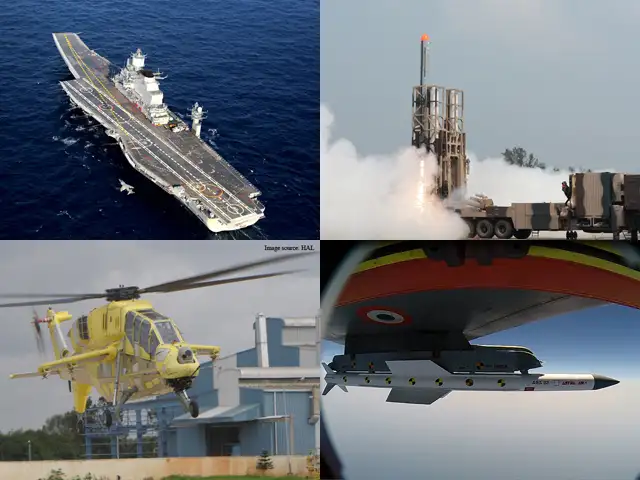
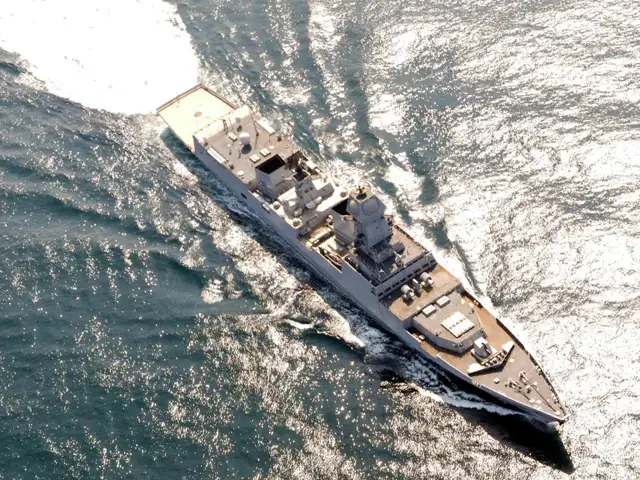
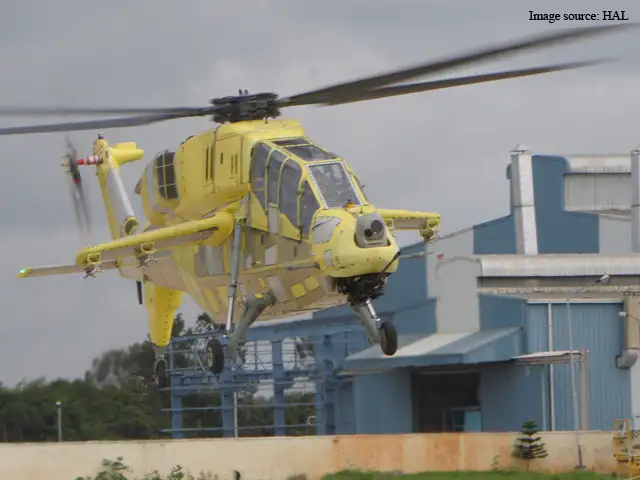
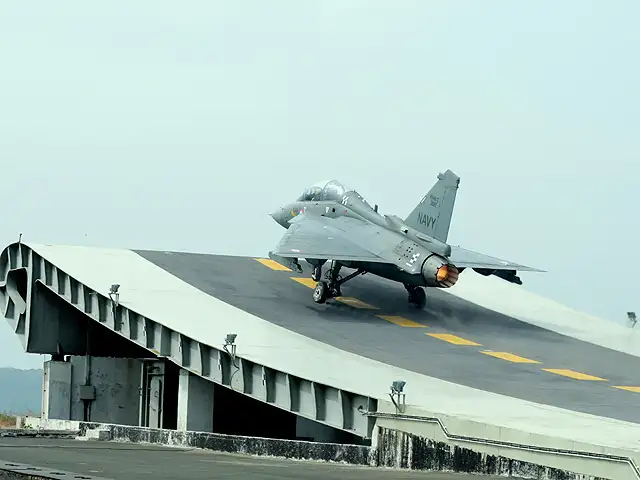
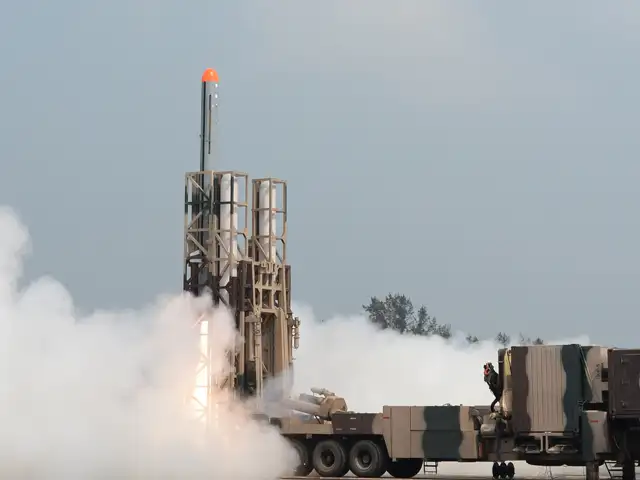
The need to have robust defence capabilities in today's day and age cannot be overstated. India has been aggressively pushing to enhance its ability to deter attacks and up its defence prowess.
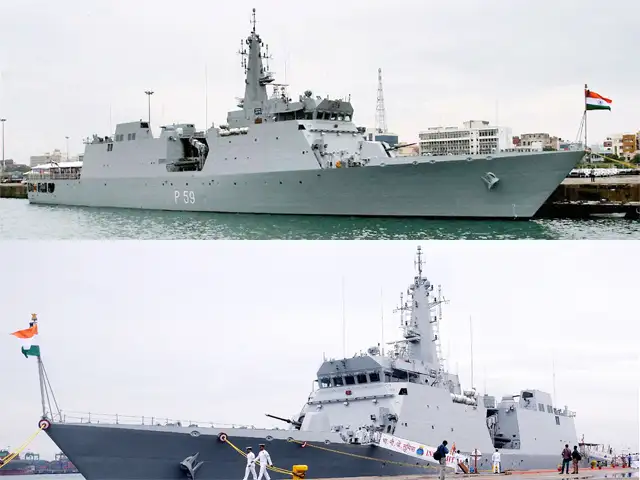
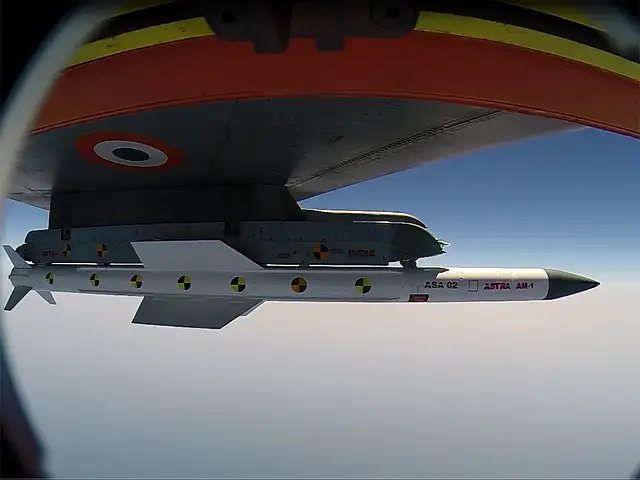
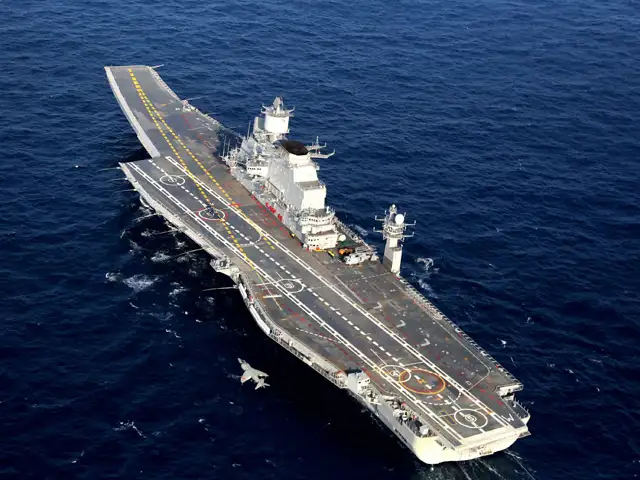
2014 saw multiple steps being taken in that direction and India saw many new additions to its defence fleet. We take a look at eight achievements that deserve a special mention:
The need to have robust defence capabilities in today's day and age cannot be overstated. India has been aggressively pushing to enhance its ability to deter attacks and up its defence prowess.
2014 saw multiple steps being taken in that direction and India saw many new additions to its defence fleet. We take a look at eight achievements that deserve a special mention:

ADVERTISEMENT


