IAF pilots complete Exercise Indradhanush in United Kingdom
The IAF team has flown combat training missions along with RAF, involving contemporary tactics.
By PTI | Updated:

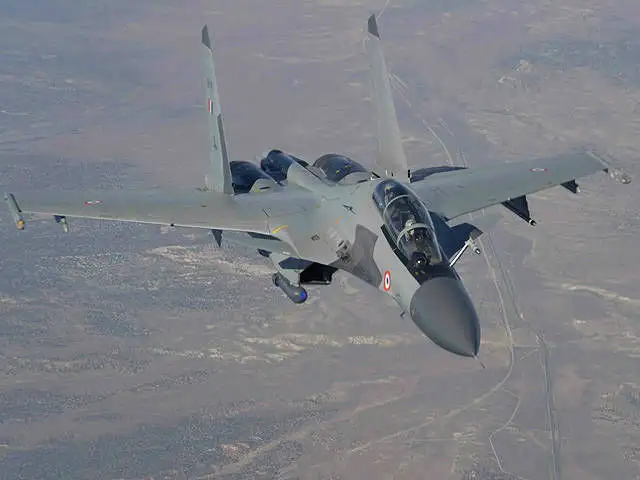
LONDON: A group of Indian Air Force personnel today successfully completed an India-UK air and ground exercise that saw Indian Sukhoi Su-30s pitted against their Royal Air Force counterparts flying Eurofighter Typhoon.
During the Exercise Indradhanush (Rainbow), which began on July 21, different elements of the IAF contingent operated from separate RAF bases - the Sukhois from Corningsby, combat support elements from Brize Norton and the Garud Special Forces from Hunnington.
The IAF team has flown combat training missions along with RAF, involving contemporary tactics.
The two air forces also operate common combat support platforms, namely the Globemaster and the Super Hercules, the defence ministry said in a statement.
"Mutual exchange of ideas as regards operational philosophy for tactical and strategic missions has provided invaluable learning for both sides. The IAF Garud regiment of Special Forces is operating with the RAF regiment in various aspects of training.
The troops practised various missions in urban warfare which also included combat missions in a near-realistic scenario," the statement added.
The ministry also hailed the bonhomie among personnel on both sides as "exceptional" and in the true spirit of a bilateral exercise.
The air warriors of the IAF have been performing exceptionally well, demonstrating their high standards of training, operational preparedness, flexibility and adaptability.
The RAF had been very forthcoming in meeting all operational, maintenance and administrative requirements of the IAF contingent.
During the Exercise Indradhanush (Rainbow), which began on July 21, different elements of the IAF contingent operated from separate RAF bases - the Sukhois from Corningsby, combat support elements from Brize Norton and the Garud Special Forces from Hunnington.
The IAF team has flown combat training missions along with RAF, involving contemporary tactics.
The two air forces also operate common combat support platforms, namely the Globemaster and the Super Hercules, the defence ministry said in a statement.
"Mutual exchange of ideas as regards operational philosophy for tactical and strategic missions has provided invaluable learning for both sides. The IAF Garud regiment of Special Forces is operating with the RAF regiment in various aspects of training.
The troops practised various missions in urban warfare which also included combat missions in a near-realistic scenario," the statement added.
ADVERTISEMENT
The ministry also hailed the bonhomie among personnel on both sides as "exceptional" and in the true spirit of a bilateral exercise.
The air warriors of the IAF have been performing exceptionally well, demonstrating their high standards of training, operational preparedness, flexibility and adaptability.
The RAF had been very forthcoming in meeting all operational, maintenance and administrative requirements of the IAF contingent.
Download
The Economic Times Business News App for the Latest News in Business, Sensex, Stock Market Updates & More.
The Economic Times Business News App for the Latest News in Business, Sensex, Stock Market Updates & More.
Download
The Economic Times News App for Quarterly Results, Latest News in ITR, Business, Share Market, Live Sensex News & More.
The Economic Times News App for Quarterly Results, Latest News in ITR, Business, Share Market, Live Sensex News & More.
Related Articles
 United Kingdom to consider easing steel tariff plan after industry warnings, say reports2026-06-10T11:15:40Z
- Fire breaks out at Tata Steel's United Kingdom plant2026-06-04T11:32:53Z
- UK tenancy rule change from May 1, 2026: Landlords can no longer evict tenants through no-fault evictions, Here’s four other changes for tenants in the United Kingdom2026-05-01T11:20:38Z
Rajat Pandit, TNN
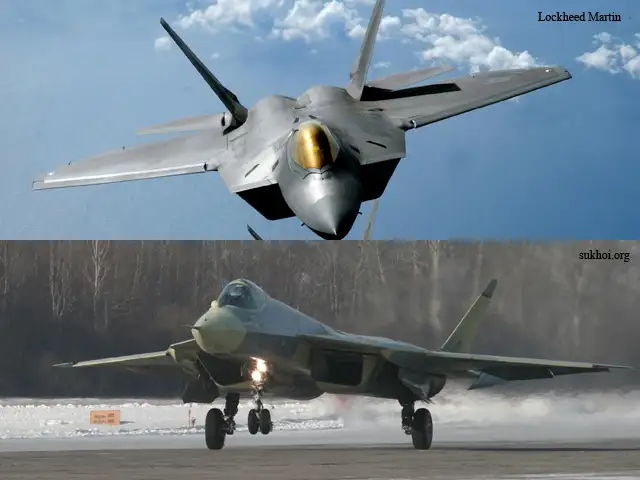
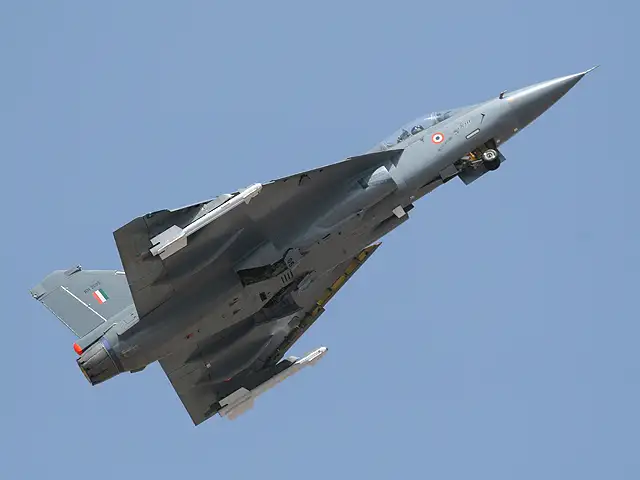
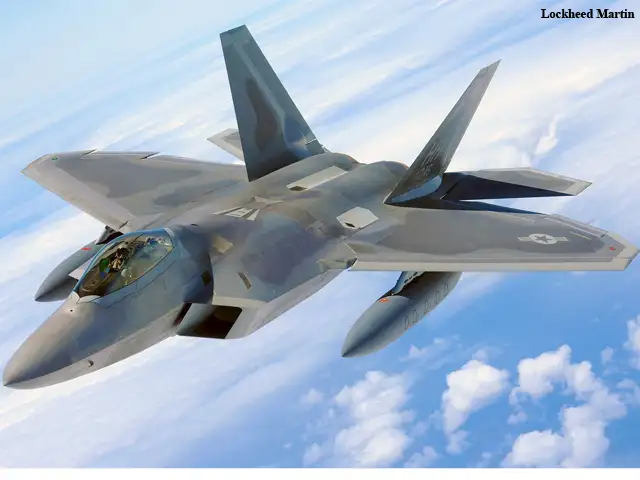
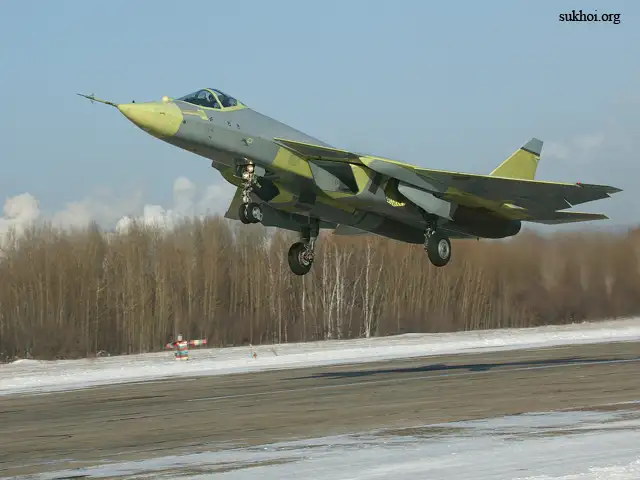
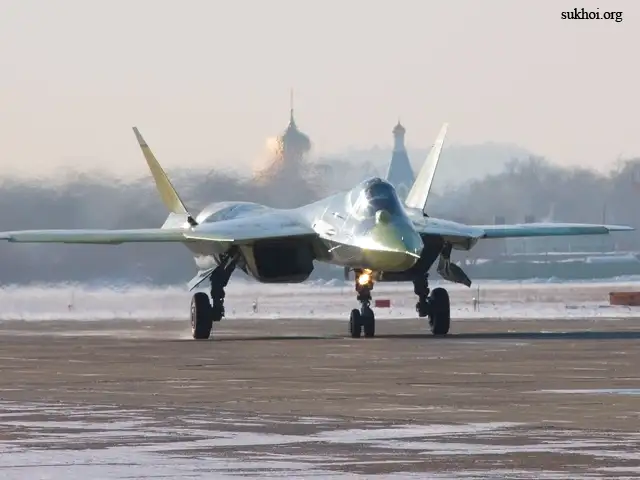
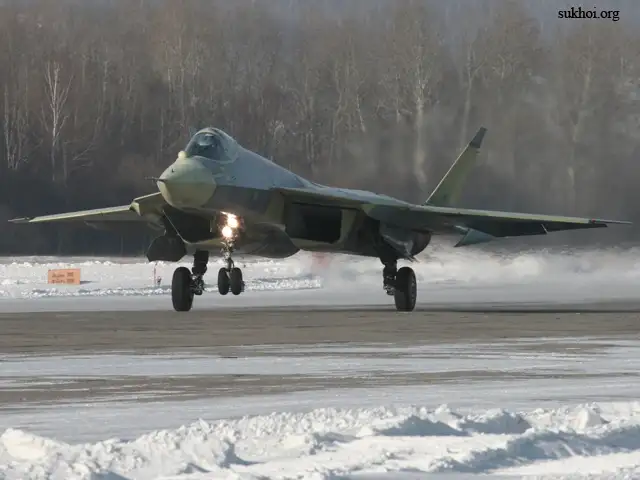
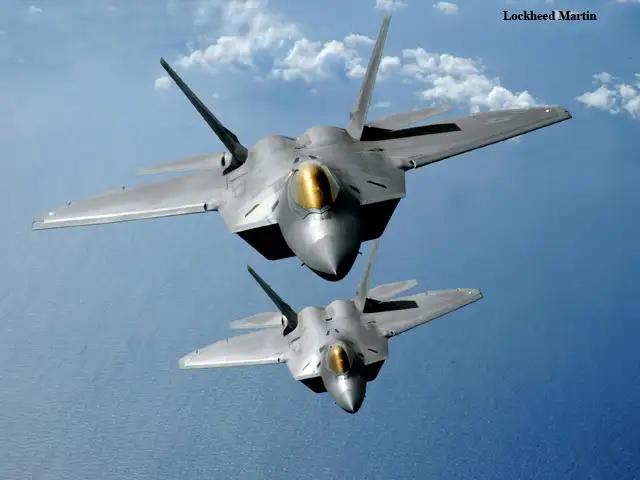
India plans to kick-off its own fifth-generation fighter aircraft (FGFA) development project this year to build on the expertise gained in the long developmental saga of the indigenous Tejas light combat aircraft.
The aim is to fly the first twin-engine AMCA prototype by 2023-2024, which will be around the time deliveries of Tejas Mark-II fighters will be underway.
India plans to kick-off its own fifth-generation fighter aircraft (FGFA) development project this year to build on the expertise gained in the long developmental saga of the indigenous Tejas light combat aircraft.
The aim is to fly the first twin-engine AMCA prototype by 2023-2024, which will be around the time deliveries of Tejas Mark-II fighters will be underway.

ADVERTISEMENT


