IAF frets over Russian fighter aircraft deal
The worries of the IAF on getting a capable fifth generation aircraft to counter the development of futuristic fighters by China are mounting.
By Manu Pubby, ET Bureau | Updated:

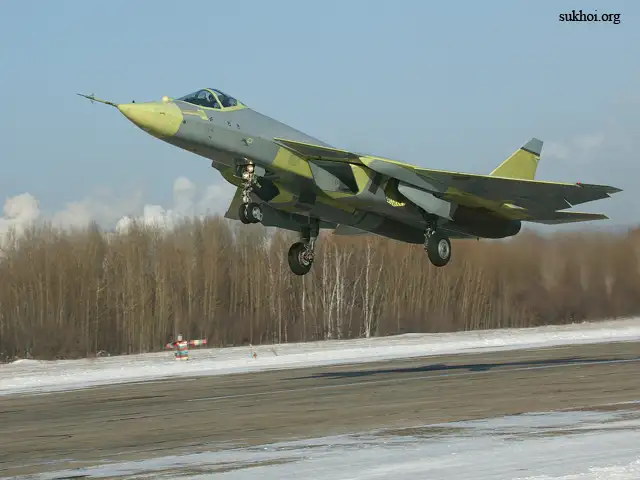
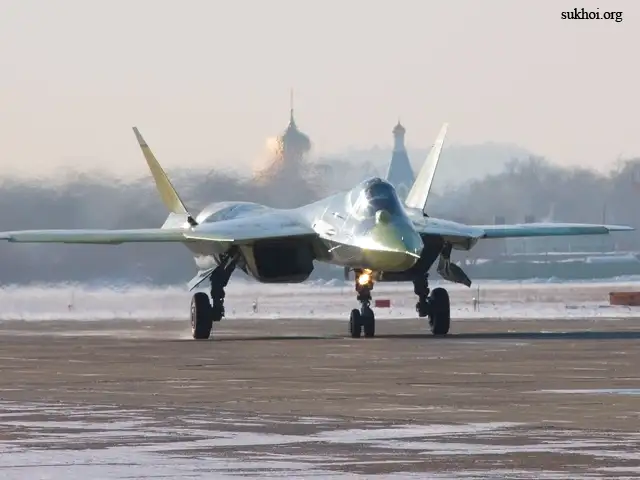
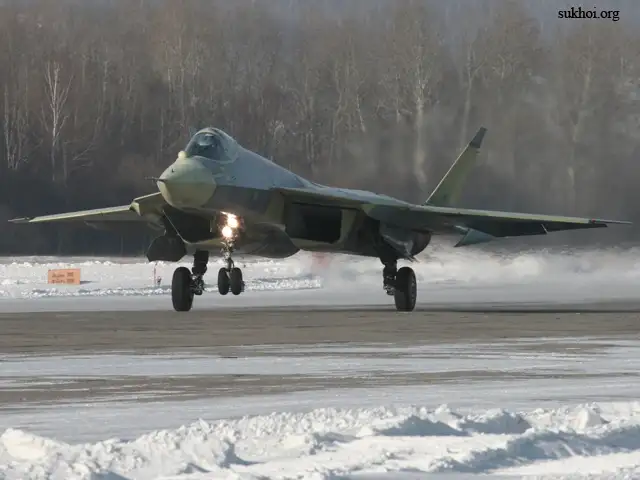
NEW DELHI: The worries of the air force on getting a capable fifth generation fighter aircraft to counter the development of two futuristic fighters by China are mounting with little clarity on the Russian program that New Delhi had signed onto in 2010.
As Defence Minister Manohar Parrikar heads to Russia later this month for bilateral military-technical consultations, top officers of the air force fear that the fifth generation fighter aircraft (FGFA) program may never take off if things continue at the present pace, foreclosing it as an option for a viable future fighter aircraft.
Follow @ETDefence Twitter handle for comprehensive coverage on other buzzing Defence stories
Senior IAF officials have told ET that several questions have been raised by India on the FGFA program, with little feedback or sharing of details by the Russian side. For starters, the IAF has not been given a tentative per unit production cost of the next generation fighter that is being developed by Sukhoi.
"It is impossible to sign on to anything with Russia till we have some clarity on the per unit cost of an aircraft. If the price turns out to be exorbitant, we may not even be able to afford it," a senior officer told ET. The air force's worry is not without merit, given that production costs for Russian aircraft in India have gone up tremendously in the past 10 years.
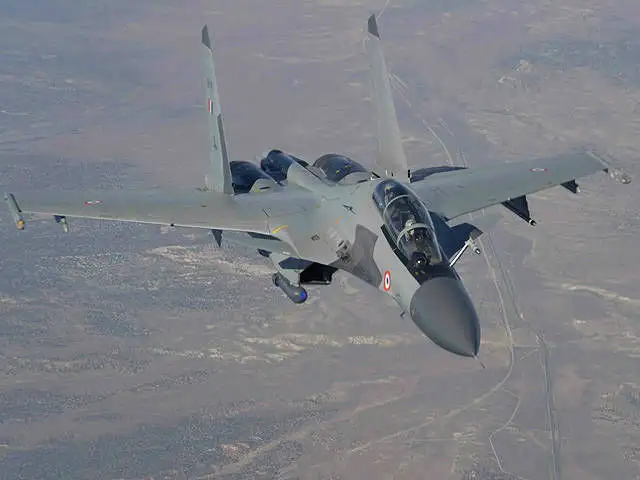
At present, a Sukhoi 30 MKI that would cost Rs 227 crores to manufacture in Russia, rolls out of HAL's Nashik plant for over Rs 440 crores. This considerable mark-up is due to the extra man hours that are required by HAL to manufacture an aircraft, the official explained.
Even if price could be sorted out, officials say that several basic questions on technical capabilities of the under development fighter exist with no reasonable explanation from Russia in sight. Besides the fact that Russia has not been able to develop a new engine for the aircraft that would give it super cruise capability - to fly faster than the speed of sound without going to afterburners - the IAF is worried about the weapons package for the fighter.
"Till now, all we see is that the weapons being offered by Russia for the FGFA are the same ones that are available for our Su 30 MKI fleet. A fifth generation aircraft is not just the platform but the entire package - from sensors to weapons, which we are yet to see," the officer said.
The IAF feels that as per the present design, the weapons on offer are too large to be fitted into the internal weapons bay of the FGFA. At present configuration this would end up with the weapons being loaded externally, taking away the most basic feature of a fifth generation fighter - stealth. "The weapons bay is too small and external weapons would show up the fighter on radar," the official told ET.
India has already invest $ 295 million in the Russian FGFA program with a design contract signed in 2010. However, a subsequent plan for a full fledged research and design program has not materialized, even as the intended Indian work share on the platform has depleted.
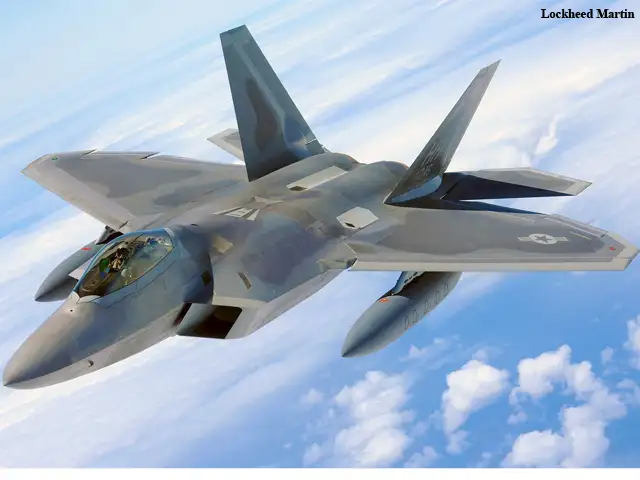
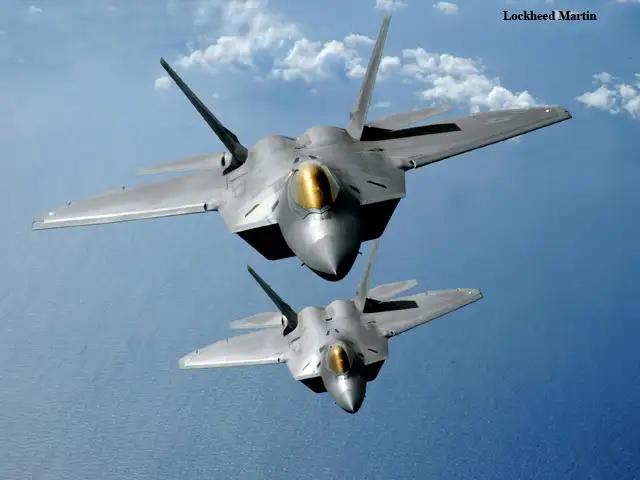
While the US has two fifth generation fighters operational - the F 22 and F 35, China is fast tracking its own next generation fighter programs -the J 20 air superiority fighter and the FC 31 medium fighter. India has also announced its plans for a future Advanced Medium Combat Aircraft (AMCA) with the air force looking at a 15 year induction plan if the project progresses on time.
As Defence Minister Manohar Parrikar heads to Russia later this month for bilateral military-technical consultations, top officers of the air force fear that the fifth generation fighter aircraft (FGFA) program may never take off if things continue at the present pace, foreclosing it as an option for a viable future fighter aircraft.
Follow @ETDefence Twitter handle for comprehensive coverage on other buzzing Defence stories
Senior IAF officials have told ET that several questions have been raised by India on the FGFA program, with little feedback or sharing of details by the Russian side. For starters, the IAF has not been given a tentative per unit production cost of the next generation fighter that is being developed by Sukhoi.
"It is impossible to sign on to anything with Russia till we have some clarity on the per unit cost of an aircraft. If the price turns out to be exorbitant, we may not even be able to afford it," a senior officer told ET. The air force's worry is not without merit, given that production costs for Russian aircraft in India have gone up tremendously in the past 10 years.
At present, a Sukhoi 30 MKI that would cost Rs 227 crores to manufacture in Russia, rolls out of HAL's Nashik plant for over Rs 440 crores. This considerable mark-up is due to the extra man hours that are required by HAL to manufacture an aircraft, the official explained.
ADVERTISEMENT
Even if price could be sorted out, officials say that several basic questions on technical capabilities of the under development fighter exist with no reasonable explanation from Russia in sight. Besides the fact that Russia has not been able to develop a new engine for the aircraft that would give it super cruise capability - to fly faster than the speed of sound without going to afterburners - the IAF is worried about the weapons package for the fighter.
"Till now, all we see is that the weapons being offered by Russia for the FGFA are the same ones that are available for our Su 30 MKI fleet. A fifth generation aircraft is not just the platform but the entire package - from sensors to weapons, which we are yet to see," the officer said.
The IAF feels that as per the present design, the weapons on offer are too large to be fitted into the internal weapons bay of the FGFA. At present configuration this would end up with the weapons being loaded externally, taking away the most basic feature of a fifth generation fighter - stealth. "The weapons bay is too small and external weapons would show up the fighter on radar," the official told ET.
India has already invest $ 295 million in the Russian FGFA program with a design contract signed in 2010. However, a subsequent plan for a full fledged research and design program has not materialized, even as the intended Indian work share on the platform has depleted.
ADVERTISEMENT
While the US has two fifth generation fighters operational - the F 22 and F 35, China is fast tracking its own next generation fighter programs -the J 20 air superiority fighter and the FC 31 medium fighter. India has also announced its plans for a future Advanced Medium Combat Aircraft (AMCA) with the air force looking at a 15 year induction plan if the project progresses on time.
Download
The Economic Times Business News App for the Latest News in Business, Sensex, Stock Market Updates & More.
The Economic Times Business News App for the Latest News in Business, Sensex, Stock Market Updates & More.
Download
The Economic Times News App for Quarterly Results, Latest News in ITR, Business, Share Market, Live Sensex News & More.
The Economic Times News App for Quarterly Results, Latest News in ITR, Business, Share Market, Live Sensex News & More.
Related Articles
 Trump thanks China's Xi, Russia's Putin for being 'neutral' in Iran war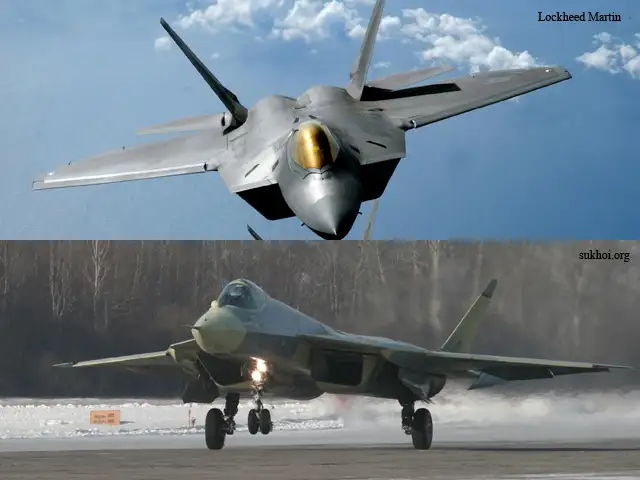
Rajat Pandit, TNN
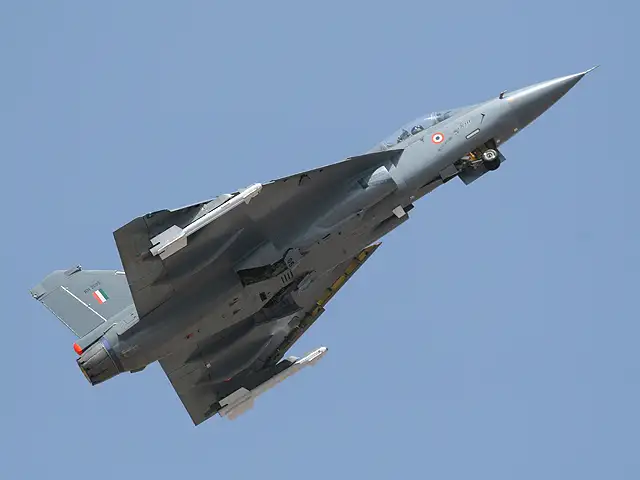
India plans to kick-off its own fifth-generation fighter aircraft (FGFA) development project this year to build on the expertise gained in the long developmental saga of the indigenous Tejas light combat aircraft.
The aim is to fly the first twin-engine AMCA prototype by 2023-2024, which will be around the time deliveries of Tejas Mark-II fighters will be underway.
India plans to kick-off its own fifth-generation fighter aircraft (FGFA) development project this year to build on the expertise gained in the long developmental saga of the indigenous Tejas light combat aircraft.
The aim is to fly the first twin-engine AMCA prototype by 2023-2024, which will be around the time deliveries of Tejas Mark-II fighters will be underway.

ADVERTISEMENT


