Government enhances defence industrial licence validity to seven years
The FDI limit in defence was raised to 49% to encourage foreign companies to produce locally.
By ET Bureau | Updated:

NEW DELHI: In a big boost to the ‘Make in India’ initiative in the defence sector, the government has extended the initial validity of industrial licences to seven years from three, keeping in mind the long gestation period of defence contracts.
The licence could further be extended by another three years, giving a decade’s time for companies to start manufacturing, the Department of Industrial Policy and Promotion said in a press release. This comes six months after government allowed extension of licence up to seven years, while keeping the initial validity three years.
“This is being done to further promote ease of doing business, in view of the long gestation period of defense contracts to mature,” the department said. “We do not want companies requiring to run around government ministries, but rather concentrate on manufacturing,” said an official at the department.
The BJP-led government is working to promote India as a manufacturing hub. The streamlining of procedure for licensing will also facilitate ease of doing business significantly, as India aims to break into the top 50 nations in the World Bank's ease of doing business index, from 142 currently.
“The move sends a strong signal that the government is committed to enhancing the ease of doing business in India,” said Chandrajit Banerjee, directorgeneral of the Confederation of Indian Industry. “Giving industry a clear operational horizon is critical for attracting serious, long-term investments,” he said.
In defence manufacturers with foreign direct investment, the government allowed more than one Indian company to hold the remaining stake that must be at least 51%. This cleared way for close to 100 proposals, some of which were pending with the government for years.
The FDI limit in defence was raised to 49% to encourage foreign companies to produce locally. India is one of the largest defense importers in the world. The government also allowed 24% portfolio investment through the automatic route, where no prior approval is needed. It also reduced the items requiring industrial licences by about 60% in June this year.
Dual-use items having military as well as civilian application do not require an industrial license from defence angle.
“make In India” splash
Foreign direct investment in the manufacturing sector rose nearly 45%between October last year and this February over the same period a year earlier, the government said. Total FDI inflows over this period were $6.9 billion, Commerce and Industry Minister Nirmala Sitharaman said in the Rajya Sabha during QuestionHour.
The licence could further be extended by another three years, giving a decade’s time for companies to start manufacturing, the Department of Industrial Policy and Promotion said in a press release. This comes six months after government allowed extension of licence up to seven years, while keeping the initial validity three years.
“This is being done to further promote ease of doing business, in view of the long gestation period of defense contracts to mature,” the department said. “We do not want companies requiring to run around government ministries, but rather concentrate on manufacturing,” said an official at the department.
The BJP-led government is working to promote India as a manufacturing hub. The streamlining of procedure for licensing will also facilitate ease of doing business significantly, as India aims to break into the top 50 nations in the World Bank's ease of doing business index, from 142 currently.
“The move sends a strong signal that the government is committed to enhancing the ease of doing business in India,” said Chandrajit Banerjee, directorgeneral of the Confederation of Indian Industry. “Giving industry a clear operational horizon is critical for attracting serious, long-term investments,” he said.
In defence manufacturers with foreign direct investment, the government allowed more than one Indian company to hold the remaining stake that must be at least 51%. This cleared way for close to 100 proposals, some of which were pending with the government for years.
ADVERTISEMENT
The FDI limit in defence was raised to 49% to encourage foreign companies to produce locally. India is one of the largest defense importers in the world. The government also allowed 24% portfolio investment through the automatic route, where no prior approval is needed. It also reduced the items requiring industrial licences by about 60% in June this year.
Dual-use items having military as well as civilian application do not require an industrial license from defence angle.
“make In India” splash
Foreign direct investment in the manufacturing sector rose nearly 45%between October last year and this February over the same period a year earlier, the government said. Total FDI inflows over this period were $6.9 billion, Commerce and Industry Minister Nirmala Sitharaman said in the Rajya Sabha during QuestionHour.
Download
The Economic Times Business News App for the Latest News in Business, Sensex, Stock Market Updates & More.
The Economic Times Business News App for the Latest News in Business, Sensex, Stock Market Updates & More.
Download
The Economic Times News App for Quarterly Results, Latest News in ITR, Business, Share Market, Live Sensex News & More.
The Economic Times News App for Quarterly Results, Latest News in ITR, Business, Share Market, Live Sensex News & More.
Related Articles
 India's defence output hits ₹1.78 lakh crore: Rajnath Singh pushes self-reliance to stay future-ready2026-06-19T18:50:08Z
- CBSE to NEET: Centre asks ministries to boost defences against AI threats2026-06-19T18:31:01Z
- Bharat Forge bags Rs 425 crore Ministry of Defence contract for Navy generators2026-06-19T13:44:16Z
Text: PTI & Agencies
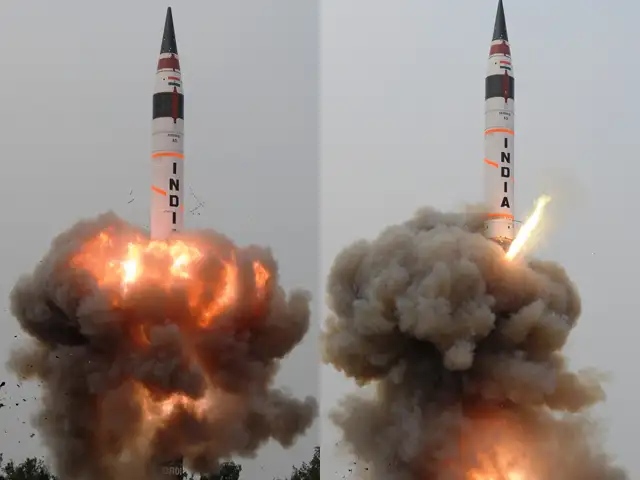
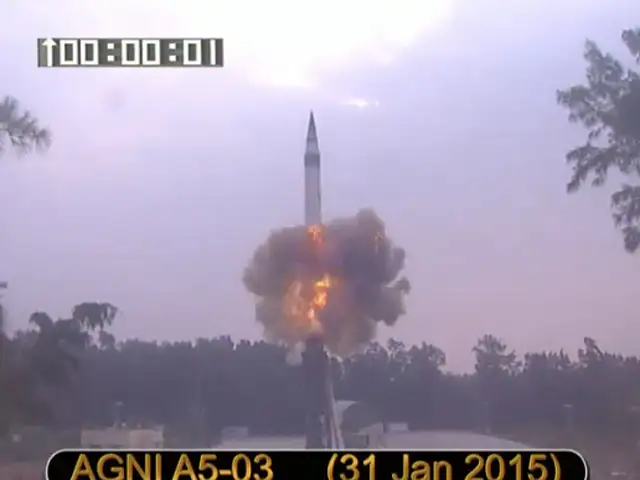
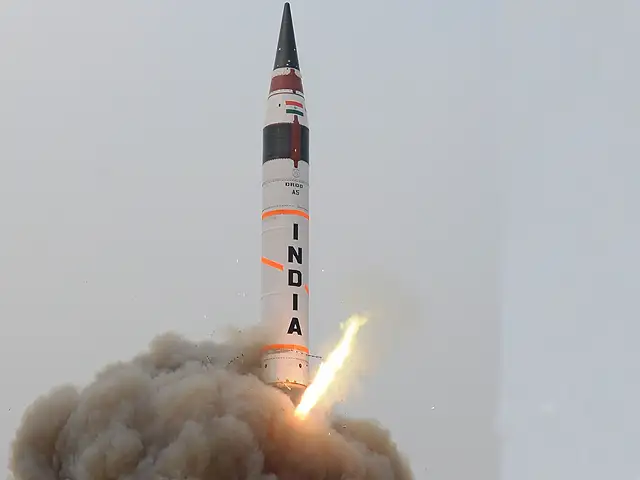
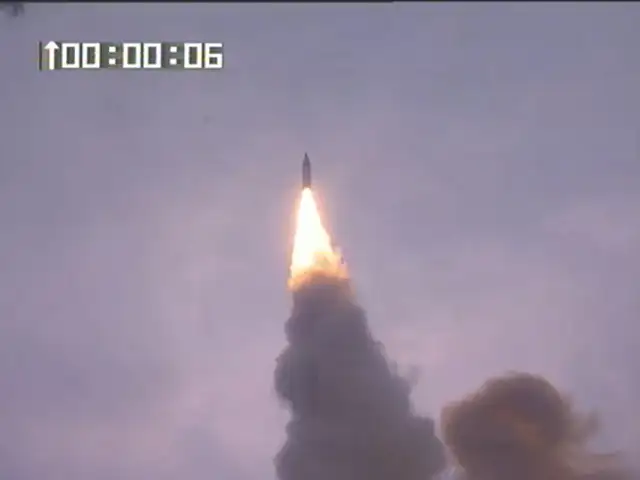
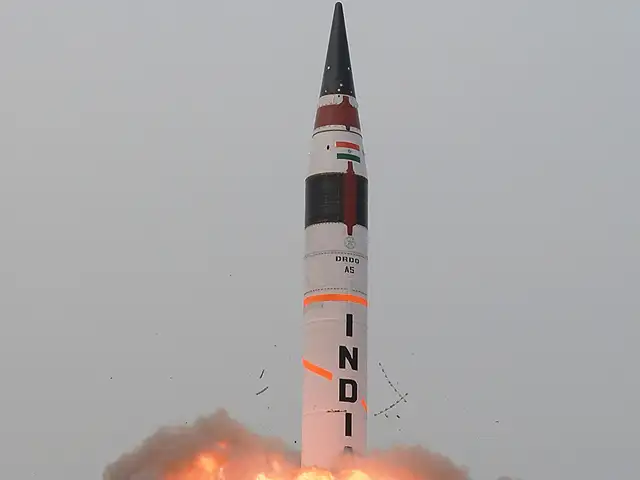
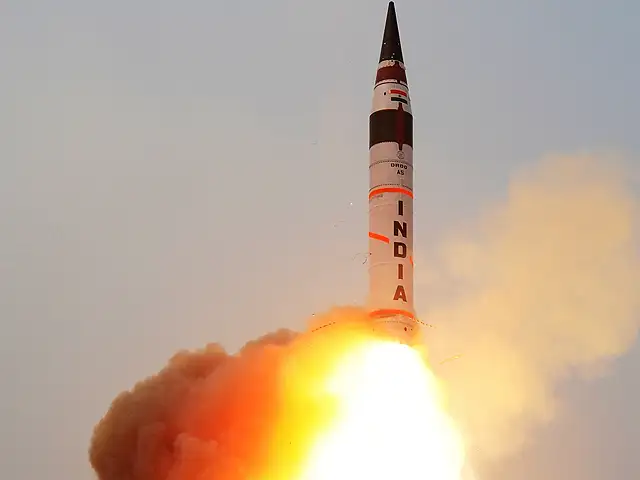
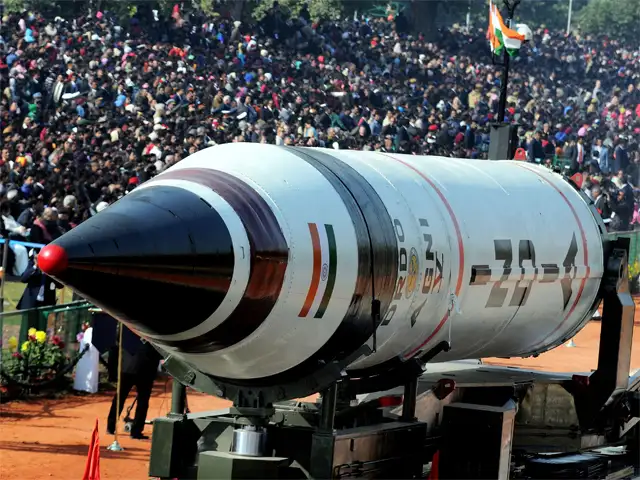
In a huge boost to India's defence sector, the maiden canister-based trial of the country's most potent missile Agni-V was conducted.
Image by DRDO
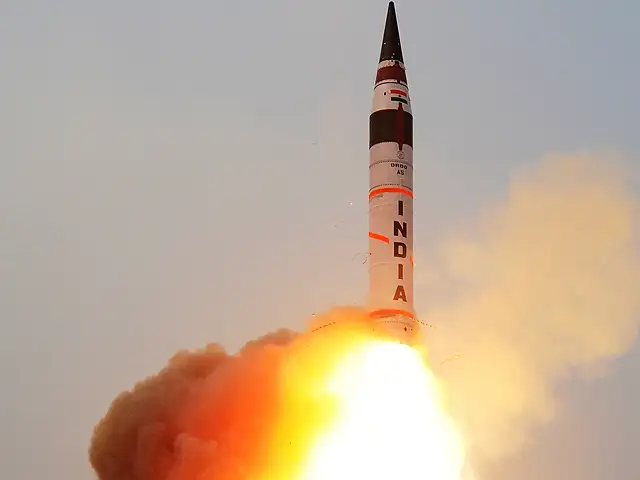
In a huge boost to India's defence sector, the maiden canister-based trial of the country's most potent missile Agni-V was conducted.
Image by DRDO

ADVERTISEMENT


