Government approves $400-million plan to procure armed Heron TP drones from Israel
Heron drones can carry a 1,000-kg payload and will be equipped with air-to-ground missiles that detect, track and take down targets deep in enemy territory.
By Manu Pubby, ET Bureau | Updated:

NEW DELHI: The government has quietly approved the purchase of 10 missile-armed drones from Israel — a crucial acquisition that will enhance India’s cross-border military strike capability. The $400-million proposal for buying armed Heron TP drones from Israel was cleared last week.
These drones will be operated by the Indian Air Force, which has a fleet of reconnaissance drones. IAF also has a fleet of Harpy UAVs from Israel, which are self-destructing systems primarily tasked with taking out enemy radar positions.
Follow @ETDefence Twitter handle for comprehensive coverage on other buzzing Defence stories
Senior defence ministry officials told ET on the condition of anonymity that the project has been accelerated under directions from the highest levels of government and that armed drones may join service within a year. The armed forces had proposed buying the same armed drones in 2012.
But that proposal did not get political backing in UPA-2, senior officials said. Officials ET spoke with said the project was revived and fasttracked by the Modi government earlier this year. Israel’s armed Heron drones are similar to the Predator unmanned aerial vehicles (UAVs) that are capable of reconnaissance, combat and support roles.
Heron drones can carry a payload of over 1,000 kg and will be equipped with air-to-ground missiles that detect, track and take down targets deep in enemy territory.
India already operates a fleet of unarmed Heron and Searcher UAVs for surveillance and intelligence gathering.
The addition of armed UAVs will be a big capability enhancer for India and give it the option of taking out large terrorist camps or individual targets in hostile territory with minimal risk. Former Air Chief PV Naik said the acquisition of armed drones would be a significant addition to India’s air power. “It is very good if something like this is happening. Instead of sending a pilot in a high-risk area, it is best to use an armed drone. The system can also be used for a surprise, sneak attack,” he said.
Another official said the lack of capability to target terror camps across the border was also felt after the Manipur attack in June, which resulted in the deaths of 18 soldiers. While a covert cross-border raid was carried out in retaliation, the lack of a low-risk, quick reaction platform to take out cross-border targets was severely felt.
While India is pursuing an indigenous drone programme – Rustom 2 – being developed by the Defence Research and Development Organisation, the project is several years away from weaponised induction. Armed flight trials are yet to be carried out.
A senior team from Israel Aerospace Industries is in New Delhi currently. Israelis are exploring joint production of drones with India.
These drones will be operated by the Indian Air Force, which has a fleet of reconnaissance drones. IAF also has a fleet of Harpy UAVs from Israel, which are self-destructing systems primarily tasked with taking out enemy radar positions.
Follow @ETDefence Twitter handle for comprehensive coverage on other buzzing Defence stories
Senior defence ministry officials told ET on the condition of anonymity that the project has been accelerated under directions from the highest levels of government and that armed drones may join service within a year. The armed forces had proposed buying the same armed drones in 2012.
But that proposal did not get political backing in UPA-2, senior officials said. Officials ET spoke with said the project was revived and fasttracked by the Modi government earlier this year. Israel’s armed Heron drones are similar to the Predator unmanned aerial vehicles (UAVs) that are capable of reconnaissance, combat and support roles.
ADVERTISEMENT
Heron drones can carry a payload of over 1,000 kg and will be equipped with air-to-ground missiles that detect, track and take down targets deep in enemy territory.
India already operates a fleet of unarmed Heron and Searcher UAVs for surveillance and intelligence gathering.
The addition of armed UAVs will be a big capability enhancer for India and give it the option of taking out large terrorist camps or individual targets in hostile territory with minimal risk. Former Air Chief PV Naik said the acquisition of armed drones would be a significant addition to India’s air power. “It is very good if something like this is happening. Instead of sending a pilot in a high-risk area, it is best to use an armed drone. The system can also be used for a surprise, sneak attack,” he said.
Another official said the lack of capability to target terror camps across the border was also felt after the Manipur attack in June, which resulted in the deaths of 18 soldiers. While a covert cross-border raid was carried out in retaliation, the lack of a low-risk, quick reaction platform to take out cross-border targets was severely felt.
ADVERTISEMENT
While India is pursuing an indigenous drone programme – Rustom 2 – being developed by the Defence Research and Development Organisation, the project is several years away from weaponised induction. Armed flight trials are yet to be carried out.
A senior team from Israel Aerospace Industries is in New Delhi currently. Israelis are exploring joint production of drones with India.
Download
The Economic Times Business News App for the Latest News in Business, Sensex, Stock Market Updates & More.
The Economic Times Business News App for the Latest News in Business, Sensex, Stock Market Updates & More.
Download
The Economic Times News App for Quarterly Results, Latest News in ITR, Business, Share Market, Live Sensex News & More.
The Economic Times News App for Quarterly Results, Latest News in ITR, Business, Share Market, Live Sensex News & More.
Related Articles
 US-Iran deal a 'catastrophe' for Israel, analysts say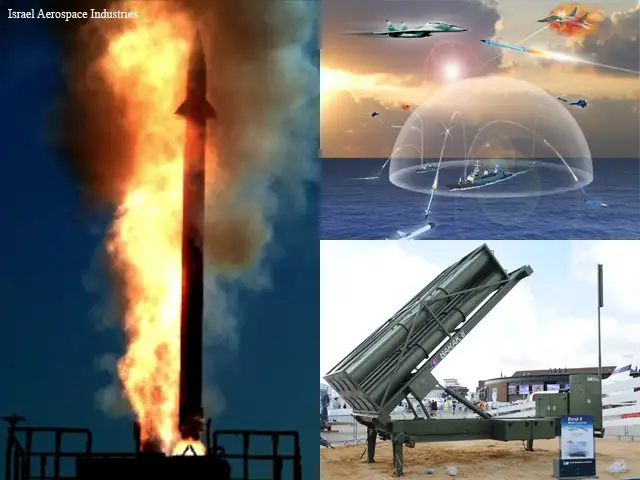
Economictimes.com & PTI
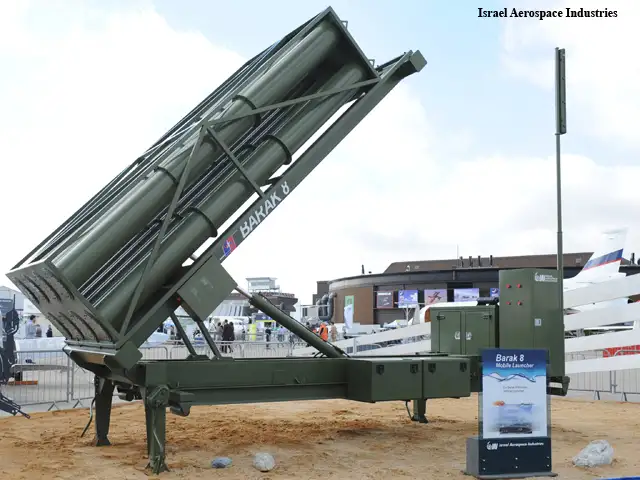
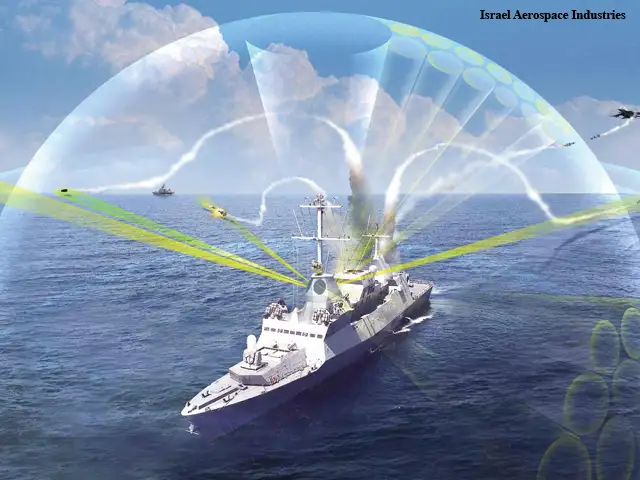
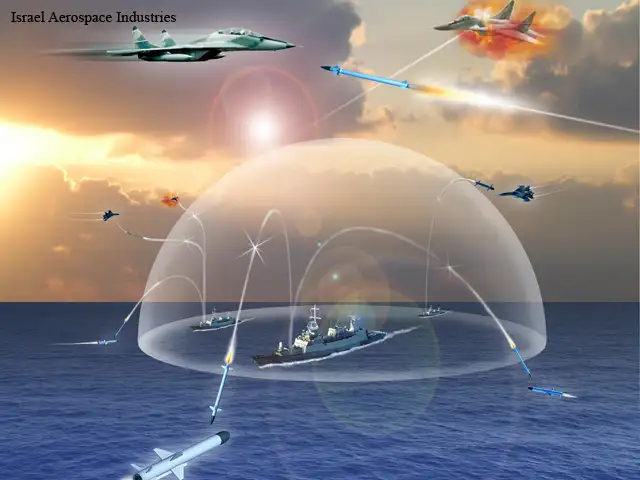
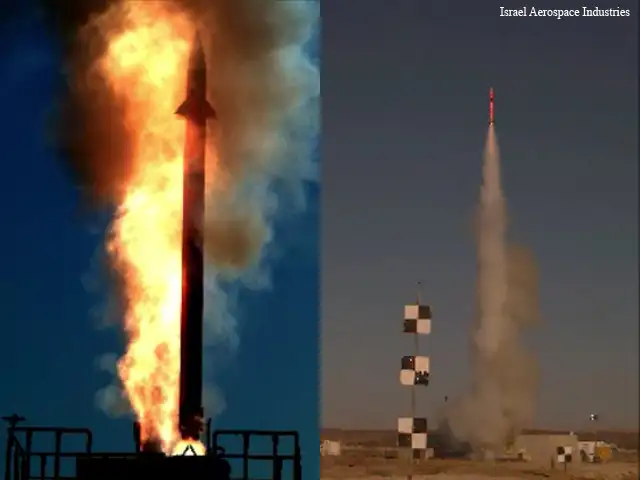
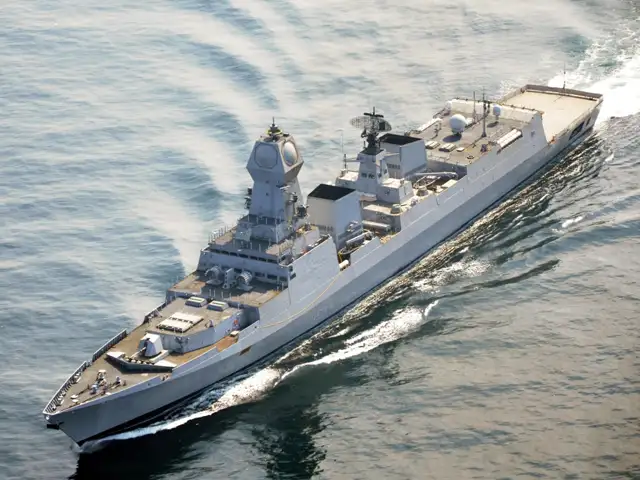
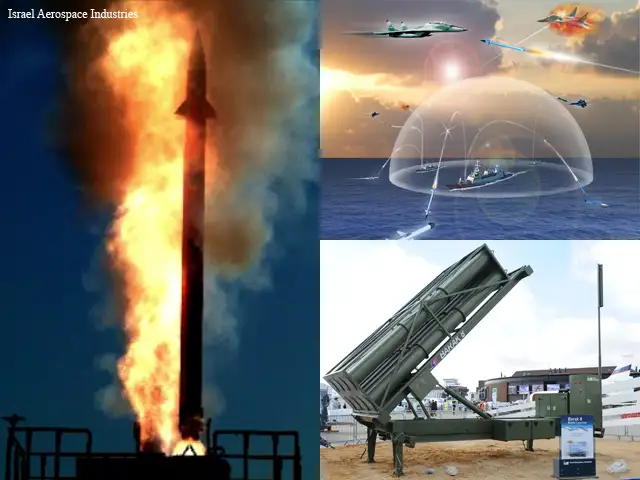
Indian Navy is set to test fire the long-range surface-to-air Barak 8 missile, jointly developed by India and Israel. The missile system aims to enhance the Navy's capabilities against incoming missiles, planes and drones.
If the test is successful, it will pave the way for final installation of Barak 8 missile on board Indian warships.
We take a look at the salient features of the missile system:
Indian Navy is set to test fire the long-range surface-to-air Barak 8 missile, jointly developed by India and Israel. The missile system aims to enhance the Navy's capabilities against incoming missiles, planes and drones.
If the test is successful, it will pave the way for final installation of Barak 8 missile on board Indian warships.
We take a look at the salient features of the missile system:

ADVERTISEMENT


