Geo-strategic push: Quietly, but surely, India has launched its own One Road-One Rail
India took an important step aimed at building the ‘One Rail’ link from the Iranian port of Chabahar going towards Afghanistan & Central Asia.
Updated:

By Sanjaya Baru
If China has its One Belt-One Road (Obor), India could have its One Road-One Rail (Oror). Last month India took an important step aimed at building the ‘One Rail’ link from the Iranian port of Chabahar going inland towards Afghanistan and Central Asia.
Earlier this week on Monday, Bangladesh, Bhutan, India and Nepal (BBIN) signed a motor vehicles pact that could, in the first instance, ease road transportation across the eastern edges of the subcontinent, eventually linking in to roads in Myanmar and Thailand and onward to the Pacific.
The only missing link is the land access across Pakistan. If Pakistan wishes to also benefit from this trans-Asian rail-road link, cutting across the Gangetic plain, then it should help convert the BBIN motor vehicles agreement into the already-penned South Asian Association for Regional Cooperation (Saarc) motor vehicles agreement, a document waiting to be signed.
Pakistan chooses not to, merely to deny India land access to Afghanistan and beyond. That is why the rail project in Iran is important.
Iran’s new leadership shares with South Asian and South-east Asian leaders the view that connectivity is key to both intra-regional trade and to regional economic development. At their last summit, the leaders of the Saarc and the Association of Southeast Asian Nations (Asean) adopted joint statements that emphasised the importance of ‘connectivity’.
It is the first C, connectivity, that Asia needs in order to promote the other C, cooperation. BBIN leaders have agreed to place equal emphasis on all forms of connectivity, including digital. But the first step is building road connectivity.
Interestingly, the portfolio of Bangladesh’s minister for roads is ‘minister of road transport and bridges’. His Indian counterpart’s title is ‘minister of road transport, highways and shipping’ and that of the Nepalese minister is ‘minister of physical infrastructure and transport’.
Infrastructure, highways, bridges, shipping all get connected facilitating the movement of goods and people. The missing minister at the BBIN gathering was the minister of railways. The joint statement adopted by BBIN’s road ministers on June 15 recalls the commitment of Saarc leaders to “deepen regional integration for peace, stability and prosperity in South Asia by intensifying cooperation inter alia in trade, investment, finance, energy, security, infrastructure, connectivity and culture”.
The Saarc leaders had agreed at their last summit to enhance regional connectivity “in a seamless manner” through building and upgrading roads, railways, waterways, energy grids, communication and air links, to “ensure smooth cross-border flow of goods, services, capital, technology and people”.
If BBIN can upgrade their road, rail and port infrastructure and link these to Asean’s, the integration of the Indian subcontinent with Indochina would be enhanced. Turning West, better land linkages to ports in Gujarat and then rail and road links from Chabahar inwards into Central Asia, would link the subcontinent to the Eurasian region.
Taken together, these two initiatives of this past month would be India’s Oror response to China’s Obor. The only difference is that China has pots of money to fund its infrastructure proposals. India has some money, but not enough. That is where Japan can and should step in.
If China has its One Belt-One Road (Obor), India could have its One Road-One Rail (Oror). Last month India took an important step aimed at building the ‘One Rail’ link from the Iranian port of Chabahar going inland towards Afghanistan and Central Asia.
Earlier this week on Monday, Bangladesh, Bhutan, India and Nepal (BBIN) signed a motor vehicles pact that could, in the first instance, ease road transportation across the eastern edges of the subcontinent, eventually linking in to roads in Myanmar and Thailand and onward to the Pacific.
The only missing link is the land access across Pakistan. If Pakistan wishes to also benefit from this trans-Asian rail-road link, cutting across the Gangetic plain, then it should help convert the BBIN motor vehicles agreement into the already-penned South Asian Association for Regional Cooperation (Saarc) motor vehicles agreement, a document waiting to be signed.
Pakistan chooses not to, merely to deny India land access to Afghanistan and beyond. That is why the rail project in Iran is important.
Iran’s new leadership shares with South Asian and South-east Asian leaders the view that connectivity is key to both intra-regional trade and to regional economic development. At their last summit, the leaders of the Saarc and the Association of Southeast Asian Nations (Asean) adopted joint statements that emphasised the importance of ‘connectivity’.
ADVERTISEMENT
It is the first C, connectivity, that Asia needs in order to promote the other C, cooperation. BBIN leaders have agreed to place equal emphasis on all forms of connectivity, including digital. But the first step is building road connectivity.
Interestingly, the portfolio of Bangladesh’s minister for roads is ‘minister of road transport and bridges’. His Indian counterpart’s title is ‘minister of road transport, highways and shipping’ and that of the Nepalese minister is ‘minister of physical infrastructure and transport’.
Infrastructure, highways, bridges, shipping all get connected facilitating the movement of goods and people. The missing minister at the BBIN gathering was the minister of railways. The joint statement adopted by BBIN’s road ministers on June 15 recalls the commitment of Saarc leaders to “deepen regional integration for peace, stability and prosperity in South Asia by intensifying cooperation inter alia in trade, investment, finance, energy, security, infrastructure, connectivity and culture”.
The Saarc leaders had agreed at their last summit to enhance regional connectivity “in a seamless manner” through building and upgrading roads, railways, waterways, energy grids, communication and air links, to “ensure smooth cross-border flow of goods, services, capital, technology and people”.
ADVERTISEMENT
If BBIN can upgrade their road, rail and port infrastructure and link these to Asean’s, the integration of the Indian subcontinent with Indochina would be enhanced. Turning West, better land linkages to ports in Gujarat and then rail and road links from Chabahar inwards into Central Asia, would link the subcontinent to the Eurasian region.
Taken together, these two initiatives of this past month would be India’s Oror response to China’s Obor. The only difference is that China has pots of money to fund its infrastructure proposals. India has some money, but not enough. That is where Japan can and should step in.
ADVERTISEMENT
The BBIN initiative was, in fact, aided by the Asian Development Bank’s South Asian Sub-regional Economic Cooperation (Sasec) programme and is the product of the Sasec road connectivity programme. Japan should also step in to fund India’s road-rail projects in Iran. After all, the Oror project can link Iran to coasts along the Pacific, enabling Japan to use a parallel land-based route to energy rich West and Central Asia, and reduce its vital dependence on the Indo-Pacific route.
A word of caution. The ‘seamless’ integration that Saarc leaders conceptualised requires not just good infrastructure but also an efficient administration, trade facilitation systems and simple procedures. At the end of the day, bureaucracy can ruin all plans if the systems that facilitate movement of goods, services, capital and people are not rational, simple and transparent.
Already, sceptics in BBIN capitals have expressed concern about the ability of their respective bureaucracies to translate the enthusiasm of their leaders into efficient systems.
So, even as BBIN invest in the creation of infrastructure, they must move quickly to improve the efficiency of their border controls and procedures. The BBIN can learn from the countries of the European Union that have created efficient systems in this regard. On this score, the Asean nations are no better than the BBIN given mutual suspicions within the region and the difficulties associated with intra-regional movement of goods and people.
On the western side, it is reasonable to assume that Pakistan will take a long time before opening up its borders to the free movement of vehicles and goods going from India to Iran and Central Asia. Hence, the importance of the India-Iran agreement on Chabahar and the Indian government’s decision to speed up port, road and rail infrastructure development there. Quietly, but surely, India has launched its own Oror.
ADVERTISEMENT
The writer is Honorary Senior Fellow, Centre for Policy Research, New DelhiDownload
The Economic Times Business News App for the Latest News in Business, Sensex, Stock Market Updates & More.
The Economic Times Business News App for the Latest News in Business, Sensex, Stock Market Updates & More.
Download
The Economic Times News App for Quarterly Results, Latest News in ITR, Business, Share Market, Live Sensex News & More.
The Economic Times News App for Quarterly Results, Latest News in ITR, Business, Share Market, Live Sensex News & More.
Text: Agencies
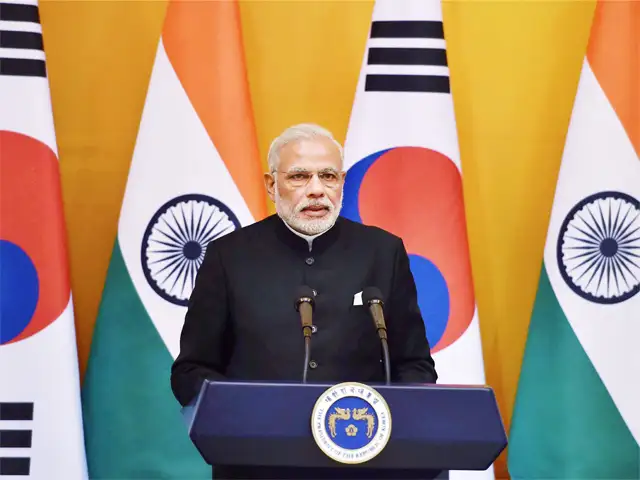
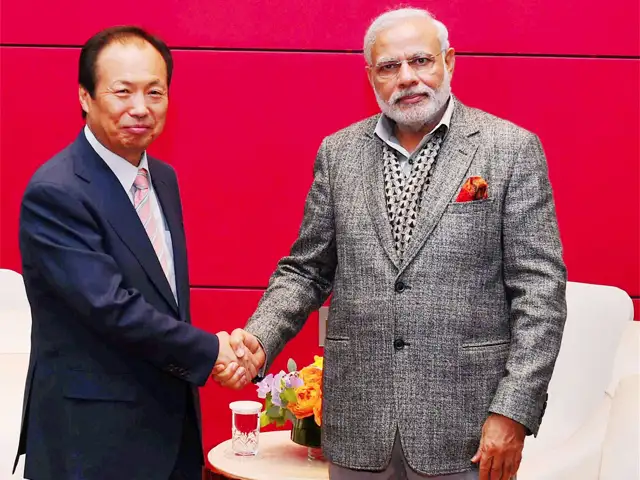
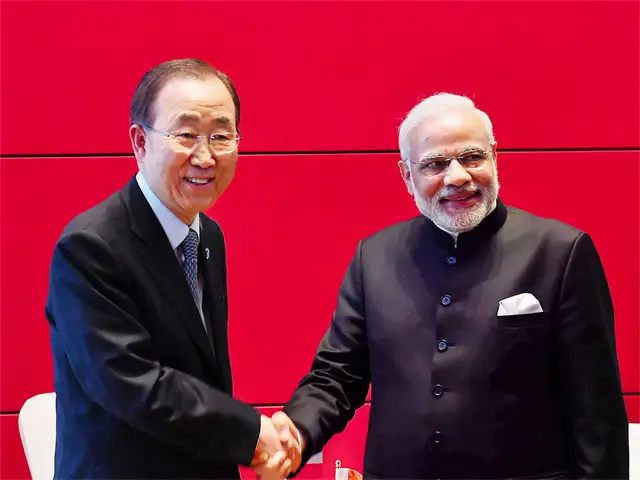
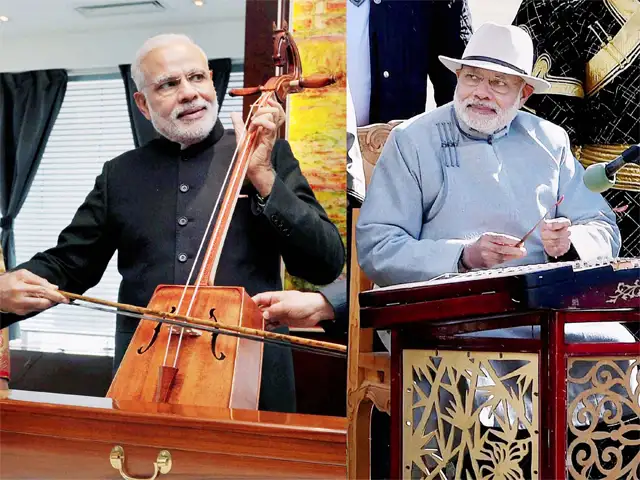
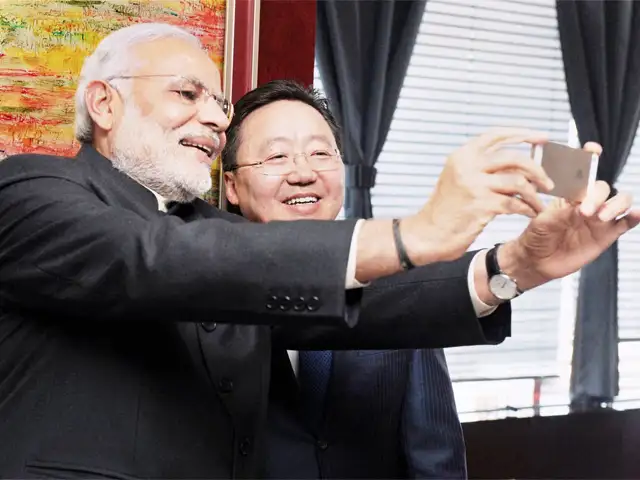
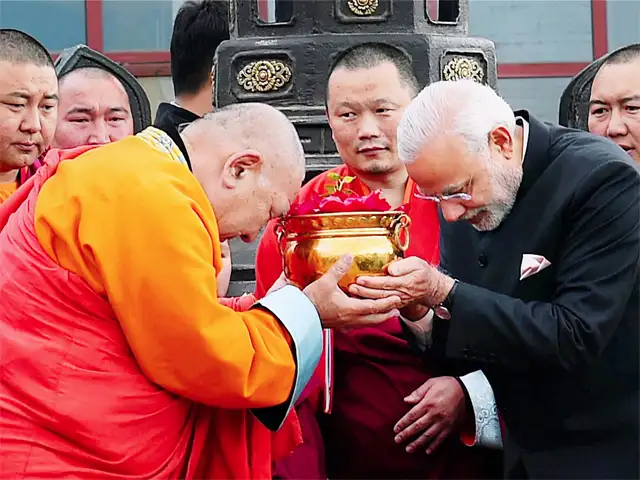
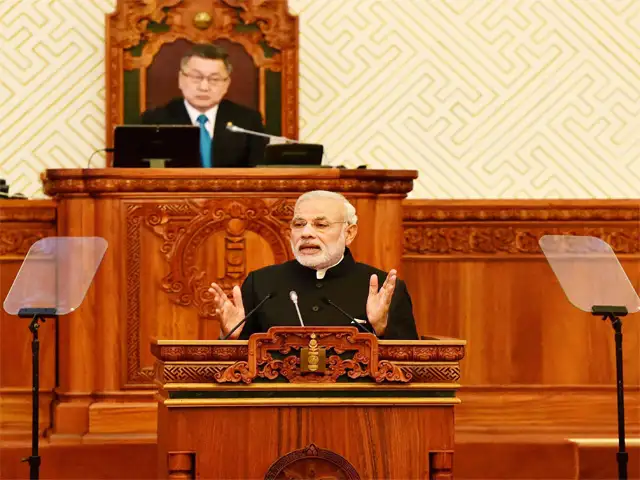
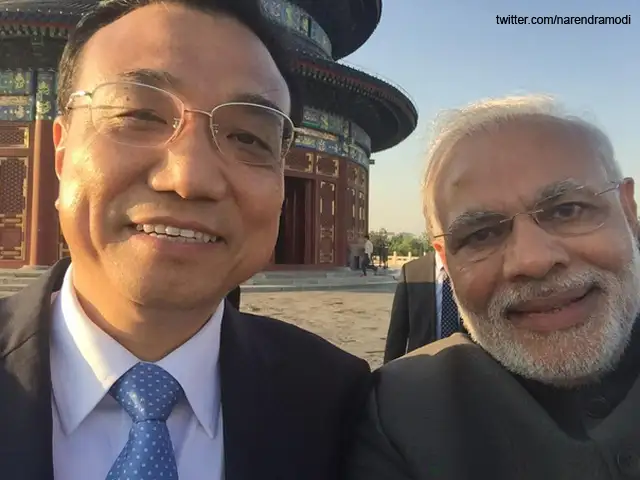
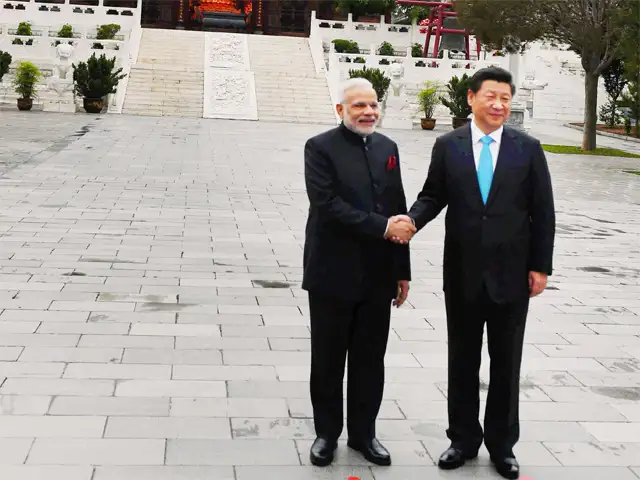
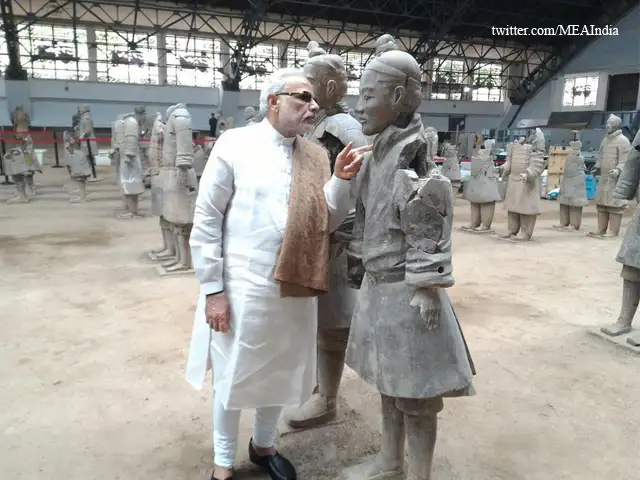
Having travelled to a whopping 18 countries over the last 12 months, Narendra Modi has set a record as a roving prime minister who prioritises international engagement through ever multiplying personal footfalls.
With PM Narendra Modi completing a stunning debut year in international affairs we take a look at some 75 images from his foreign policy push:
Having travelled to a whopping 18 countries over the last 12 months, Narendra Modi has set a record as a roving prime minister who prioritises international engagement through ever multiplying personal footfalls.
With PM Narendra Modi completing a stunning debut year in international affairs we take a look at some 75 images from his foreign policy push:

ADVERTISEMENT


