Fund crunch hits Army's proposed mountain strike corps
"We will have to work out the size of the corps. It cannot be the size initially approved. It will have to be trimmed down" Manohar Parrikar said.
By Rajat Pandit, TNN | Updated:

NEW DELHI: The Army is struggling to raise its new mountain strike corps, which was supposed to give it some concrete "quick-reaction ground offensive punch" against China, in the absence of dedicated funding for it.
Slamming the previous UPA regime for "arbitrarily" approving the raising of the new 90,000-strong corps at a cost of Rs 64,678 crore spread over seven years, the Modi government is now re-examining the ongoing project.
Defence minister Manohar Parrikar, before leaving for South Korea late on Tuesday night, told journalists that the UPA did not do due diligence about cost implications while clearing the plan in 2013. "We will have to work out the size of the corps. It cannot be the size initially approved. It will have to be trimmed down," he said.
The 1.13-million strong Army, in fact, has been cannibalizing from its existing war reserves to equip the new units being gradually raised under the new XVII Corps since its flag was raised at its "temporary" headquarters in Ranchi on January 1, 2014.
The Army for long has had three 'strike' corps among the 13 such formations but they are largely geared for an offensive towards Pakistan. Confronted with China's massive military infrastructure build-up all along the 4,057-km Long of Actual Control, the Army in 2013 pushed for approval of the new mountain strike corps for "swift counter-offensive capabilities" in case of an attack by the People's Liberation Army, as was reported by TOI.
The logic was to have "requisite deterrence" since China could move over 30 divisions (each with over 15,000 soldiers) to the LAC, outnumbering Indian forces by at least 3:1 there. With two new infantry divisions geared for high altitude warfare as well as armoured, artillery, air defence, engineer brigades spread from Ladakh to Sikkim, the XVII Corps was slated to have its headquarters at Panagarh in West Bengal and be fully in place by 2018-19.
But the NDA government now intends to tweak the plan for the XVII Corps, which is still headquartered at Ranchi while infrastructure slowly comes up at Panagarh.
"There are huge sums of money involved. Of the Rs 64,678 crore plan approved by the UPA's Cabinet Committee on Security, Rs 39,209 crore was meant for capital expenditure. But there has been no special allocation or big hike in the Army's budget since then," said an official.
Slamming the previous UPA regime for "arbitrarily" approving the raising of the new 90,000-strong corps at a cost of Rs 64,678 crore spread over seven years, the Modi government is now re-examining the ongoing project.
Defence minister Manohar Parrikar, before leaving for South Korea late on Tuesday night, told journalists that the UPA did not do due diligence about cost implications while clearing the plan in 2013. "We will have to work out the size of the corps. It cannot be the size initially approved. It will have to be trimmed down," he said.
The 1.13-million strong Army, in fact, has been cannibalizing from its existing war reserves to equip the new units being gradually raised under the new XVII Corps since its flag was raised at its "temporary" headquarters in Ranchi on January 1, 2014.
The Army for long has had three 'strike' corps among the 13 such formations but they are largely geared for an offensive towards Pakistan. Confronted with China's massive military infrastructure build-up all along the 4,057-km Long of Actual Control, the Army in 2013 pushed for approval of the new mountain strike corps for "swift counter-offensive capabilities" in case of an attack by the People's Liberation Army, as was reported by TOI.
The logic was to have "requisite deterrence" since China could move over 30 divisions (each with over 15,000 soldiers) to the LAC, outnumbering Indian forces by at least 3:1 there. With two new infantry divisions geared for high altitude warfare as well as armoured, artillery, air defence, engineer brigades spread from Ladakh to Sikkim, the XVII Corps was slated to have its headquarters at Panagarh in West Bengal and be fully in place by 2018-19.
ADVERTISEMENT
But the NDA government now intends to tweak the plan for the XVII Corps, which is still headquartered at Ranchi while infrastructure slowly comes up at Panagarh.
"There are huge sums of money involved. Of the Rs 64,678 crore plan approved by the UPA's Cabinet Committee on Security, Rs 39,209 crore was meant for capital expenditure. But there has been no special allocation or big hike in the Army's budget since then," said an official.
Download
The Economic Times Business News App for the Latest News in Business, Sensex, Stock Market Updates & More.
The Economic Times Business News App for the Latest News in Business, Sensex, Stock Market Updates & More.
Download
The Economic Times News App for Quarterly Results, Latest News in ITR, Business, Share Market, Live Sensex News & More.
The Economic Times News App for Quarterly Results, Latest News in ITR, Business, Share Market, Live Sensex News & More.
Related Articles
 Nagrasu gurdwara crisis enters 4th day: Army deployed, drones monitoring; here's what's happening2026-06-23T08:57:53Z
- Nihang-admin standoff continues at Uttarakhand gurudwara; Army deployed2026-06-22T10:07:31Z
- Israel army chief in south Lebanon, says Hezbollah in 'difficult position'2026-06-21T15:03:32Z
Economictimes.com & Agencies
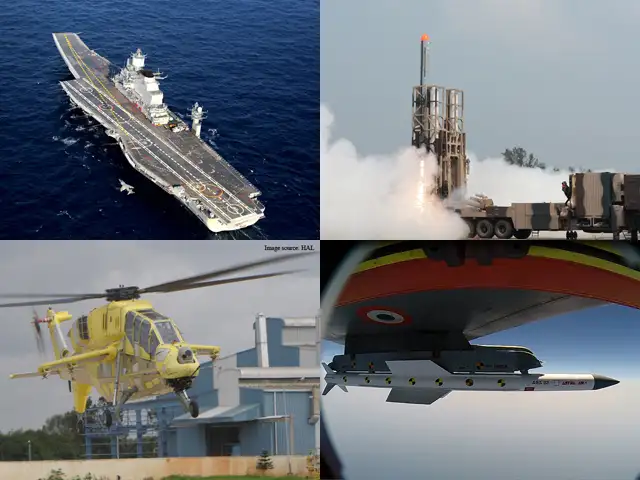
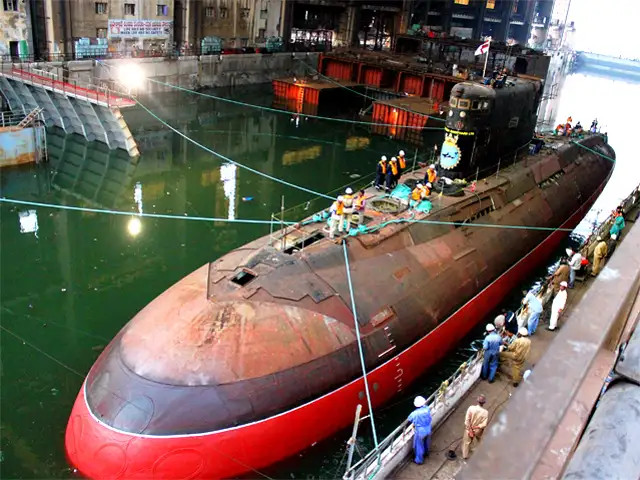
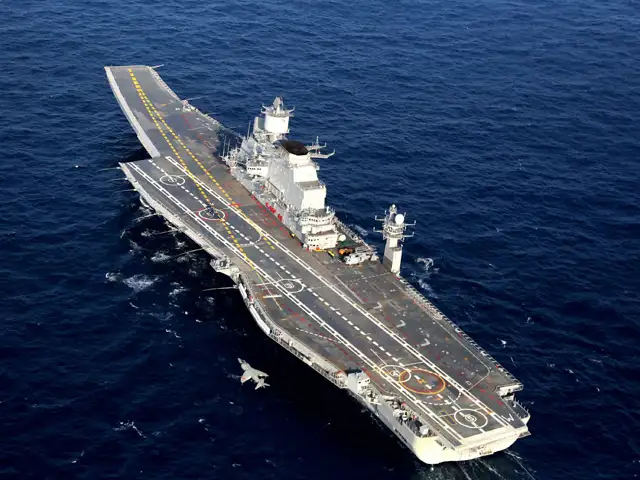
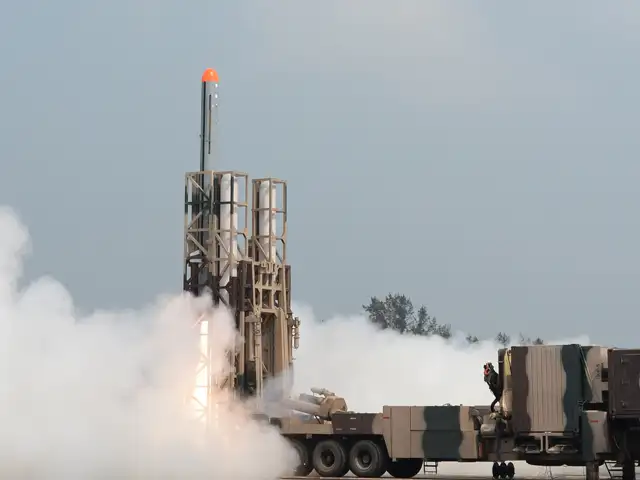
The need to have robust defence capabilities in today's day and age cannot be overstated. India has been aggressively pushing to enhance its ability to deter attacks and up its defence prowess.
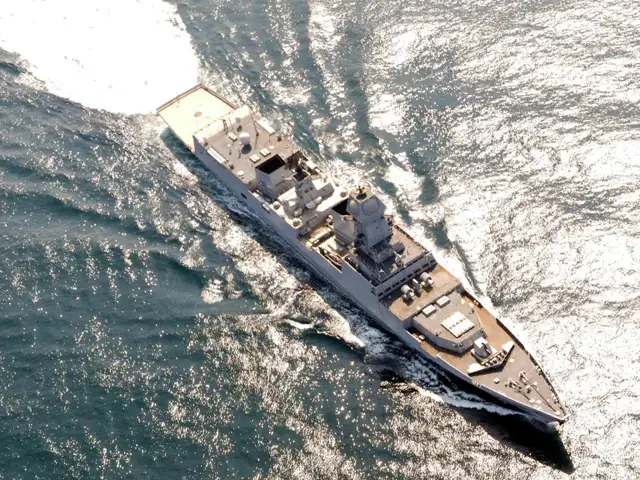
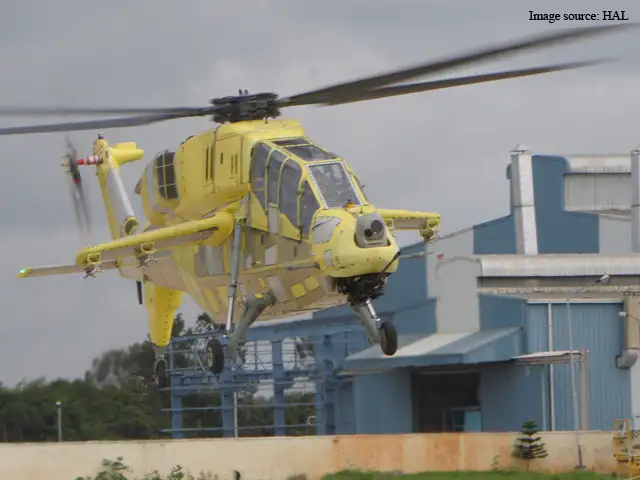
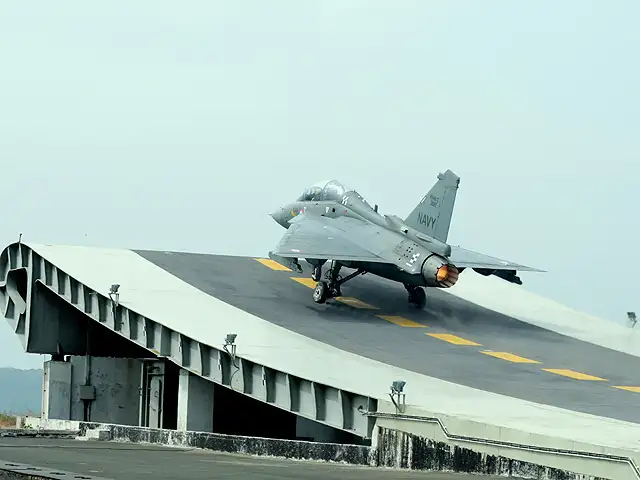
2014 saw multiple steps being taken in that direction and India saw many new additions to its defence fleet. We take a look at eight achievements that deserve a special mention:
The need to have robust defence capabilities in today's day and age cannot be overstated. India has been aggressively pushing to enhance its ability to deter attacks and up its defence prowess.
2014 saw multiple steps being taken in that direction and India saw many new additions to its defence fleet. We take a look at eight achievements that deserve a special mention:



ADVERTISEMENT


