Delhi University students turn scientists at DRDO labs
Two groups of students at DU's Cluster Innovation Centre are working in the Defence Terrain Research Laboratory (DTRL) and Scientific Analysis Group (SAG) laboratory.
By PTI | Updated:

NEW DELHI: Young scientists at Delhi University are busy working at Defence Research and Development Organisation ( DRDO) laboratories this summer, programming robots to be used in warfare and developing an image encryption scheme for secure communication.
Two groups of students at DU's Cluster Innovation Centre are working in the Defence Terrain Research Laboratory (DTRL) and Scientific Analysis Group (SAG) laboratory.
"The first group which includes 10 students pursuing BTech in Mathematical Innovation is working at DTRL to learn the know-hows of artificial intelligence. The team is programming the robots for using them in warfare," a CIC professor mentoring the students said.
"Military decision-making is a complex process especially in pursuit division scenario where autonomous agents are artificially equipped with intelligence.
"The situation further gets difficult when deception is employed. Students are working on decision-making model that will look into this problem," she added.
The second group, which includes three students from the same course, is working at the SAG laboratory to develop an encryption scheme.
"With a large number of digital images and media devices all over the world, the importance of image security has been noticed and emphasised in recent years.
"The students developed a new and efficient algorithm for image encryption. The results of several experiments and statistical analysis show that the proposed image encryption scheme provide an efficient and secure way for communication and storage of visual data. The work was also presented in the national workshop on cryptology in Delhi," the professor said.
The varsity officials claimed it is a first-of-its kind initiative taken by an educational institution in the country.
"DU and the DRDO had entered into a mutually complementary collaboration for undertaking scientific projects as well as exchange of know-how between DRDO scientists and the faculty. Students have taken up different projects under the scheme, " CIC Director MM Chaturvedi said.
Two groups of students at DU's Cluster Innovation Centre are working in the Defence Terrain Research Laboratory (DTRL) and Scientific Analysis Group (SAG) laboratory.
"The first group which includes 10 students pursuing BTech in Mathematical Innovation is working at DTRL to learn the know-hows of artificial intelligence. The team is programming the robots for using them in warfare," a CIC professor mentoring the students said.
"Military decision-making is a complex process especially in pursuit division scenario where autonomous agents are artificially equipped with intelligence.
"The situation further gets difficult when deception is employed. Students are working on decision-making model that will look into this problem," she added.
The second group, which includes three students from the same course, is working at the SAG laboratory to develop an encryption scheme.
ADVERTISEMENT
"With a large number of digital images and media devices all over the world, the importance of image security has been noticed and emphasised in recent years.
"The students developed a new and efficient algorithm for image encryption. The results of several experiments and statistical analysis show that the proposed image encryption scheme provide an efficient and secure way for communication and storage of visual data. The work was also presented in the national workshop on cryptology in Delhi," the professor said.
The varsity officials claimed it is a first-of-its kind initiative taken by an educational institution in the country.
"DU and the DRDO had entered into a mutually complementary collaboration for undertaking scientific projects as well as exchange of know-how between DRDO scientists and the faculty. Students have taken up different projects under the scheme, " CIC Director MM Chaturvedi said.
Download
The Economic Times Business News App for the Latest News in Business, Sensex, Stock Market Updates & More.
The Economic Times Business News App for the Latest News in Business, Sensex, Stock Market Updates & More.
Download
The Economic Times News App for Quarterly Results, Latest News in ITR, Business, Share Market, Live Sensex News & More.
The Economic Times News App for Quarterly Results, Latest News in ITR, Business, Share Market, Live Sensex News & More.
Related Articles
 Alavandar Murder Case: Half head that still teaches medical students more than 70 years later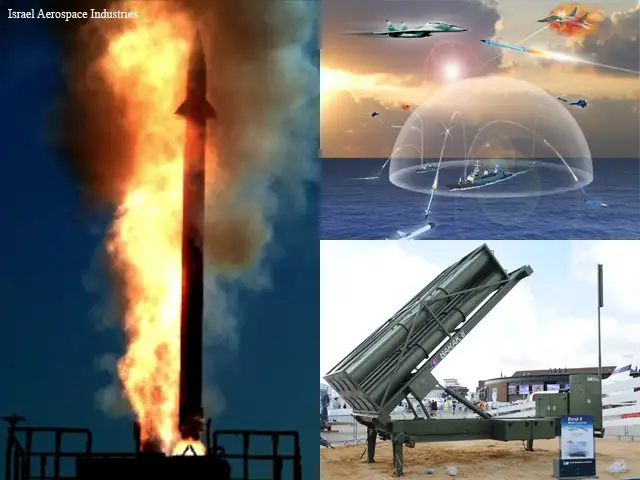
Economictimes.com & PTI
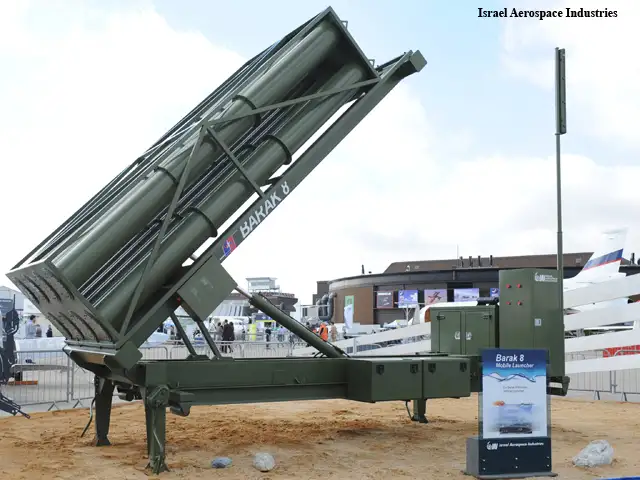
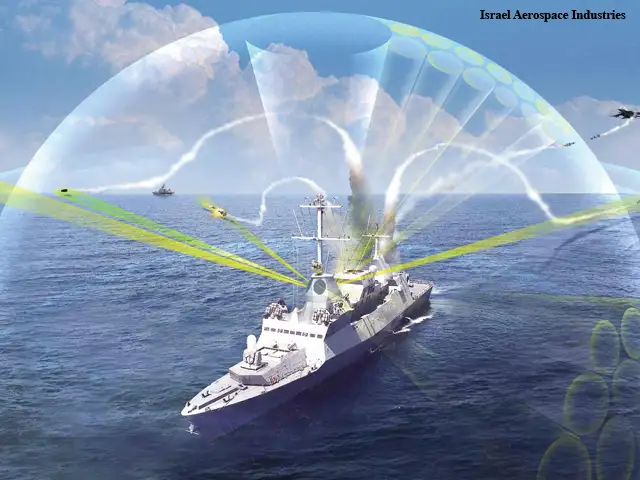
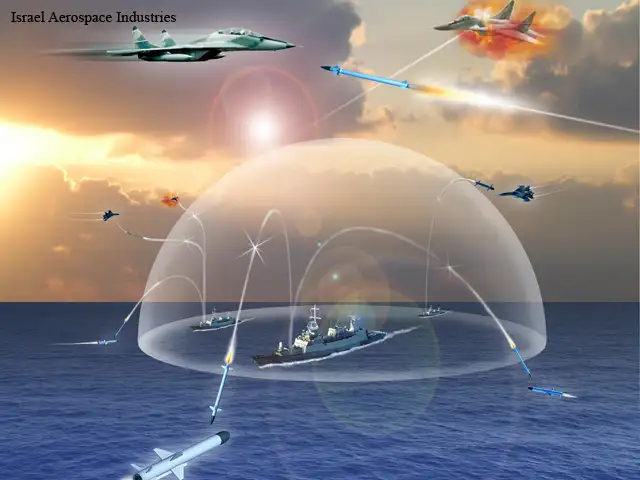
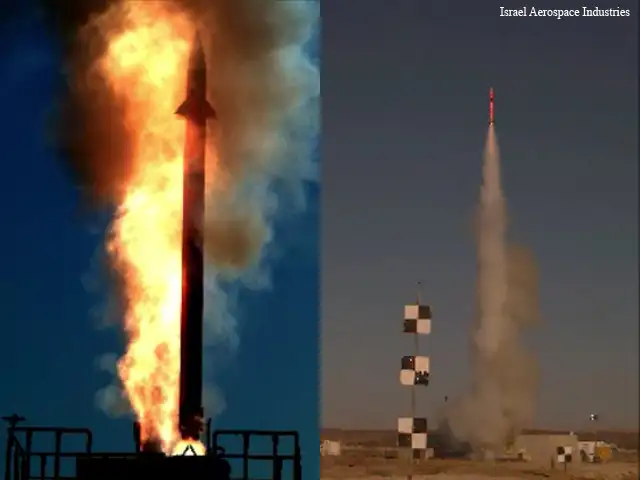
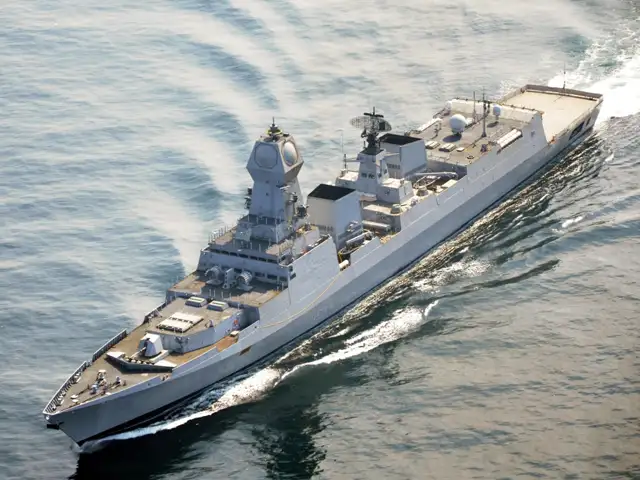
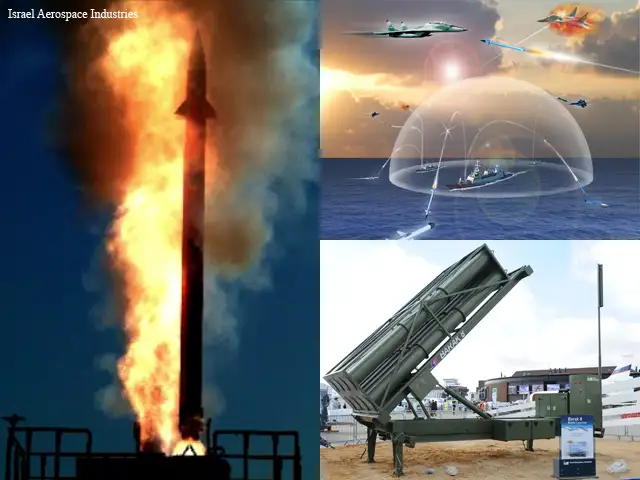
Indian Navy is set to test fire the long-range surface-to-air Barak 8 missile, jointly developed by India and Israel. The missile system aims to enhance the Navy's capabilities against incoming missiles, planes and drones.
If the test is successful, it will pave the way for final installation of Barak 8 missile on board Indian warships.
We take a look at the salient features of the missile system:
Indian Navy is set to test fire the long-range surface-to-air Barak 8 missile, jointly developed by India and Israel. The missile system aims to enhance the Navy's capabilities against incoming missiles, planes and drones.
If the test is successful, it will pave the way for final installation of Barak 8 missile on board Indian warships.
We take a look at the salient features of the missile system:

ADVERTISEMENT


