Defence Ministry struggles to spend capital funds budgeted for modernisation projects
The Air Force has done well to spend more than 54% of the capital budget of Rs 33,657 cr earmarked for purchase of equipment and weapon systems.
By Manu Pubby, ET Bureau | Updated:

NEW DELHI: The defense ministry has been unable to fully utilise the capital funds budgeted for modernisation projects, even as expenditure on routine items like salary, administration and transportation training has swelled, latest data on the finances of the Ministry of Defence suggest.
Worryingly, areas considered as critical by the Modi government, including funding development of military systems by the private sector and research by the Defence Research and Development Organisation, are the worst performers in terms of money spent.
Follow @ETDefence Twitter handle for comprehensive coverage on other buzzing Defence stories
An account of the MoD’s budget for the current fiscal year reviewed by ET reveals that under the two heads of ‘prototype development – for which Rs 144 crore was allocated - and assistance to Small and Medium Enterprises for Technology Development, not a single rupee was spent in the first seven months through October.
According to the data, the Army in particular is likely to shoot above its projections for revenue expenditure with 56 per cent of the funds allocated already spent, with the major overflow being pay and allowances. This follows a trend for the Army that eventually leads to ‘borrowing’ from its capital funds to meet expenses. Until October, the Army has spent only 35 per cent of its Rs 27,227 cr capital budget. In comparison, the navy has used just 31 per cent of its Rs 25,000 crore capital budget.
For the DRDO, it has been a struggle to spend money on R&D with just 24 per cent of the Rs 869-crore budget being utilised. Capital budget tends to get exhausted faster towards the last quarter but the numbers are an indication that though incremental policy reforms have taken place, very few significant contracts have actually been inked by the ministry this year.
The two major contracts signed are for the Apache and Chinook choppers that would cost upwards of $2.5 billion (Rs 16,500 crore). This has led to concern in the private sector that has been investing heavily in defence manufacturing, given that the government is the only customer.
Worryingly, areas considered as critical by the Modi government, including funding development of military systems by the private sector and research by the Defence Research and Development Organisation, are the worst performers in terms of money spent.
Follow @ETDefence Twitter handle for comprehensive coverage on other buzzing Defence stories
An account of the MoD’s budget for the current fiscal year reviewed by ET reveals that under the two heads of ‘prototype development – for which Rs 144 crore was allocated - and assistance to Small and Medium Enterprises for Technology Development, not a single rupee was spent in the first seven months through October.
ADVERTISEMENT
While the Air Force has done well till October to spend more than 54 per cent of the capital budget of Rs 33,657 crore that is earmarked for purchase of equipment and weapon systems, the Navy and Army have utilised just around a third of their modernisation funds. According to the data, the Army in particular is likely to shoot above its projections for revenue expenditure with 56 per cent of the funds allocated already spent, with the major overflow being pay and allowances. This follows a trend for the Army that eventually leads to ‘borrowing’ from its capital funds to meet expenses. Until October, the Army has spent only 35 per cent of its Rs 27,227 cr capital budget. In comparison, the navy has used just 31 per cent of its Rs 25,000 crore capital budget.
For the DRDO, it has been a struggle to spend money on R&D with just 24 per cent of the Rs 869-crore budget being utilised. Capital budget tends to get exhausted faster towards the last quarter but the numbers are an indication that though incremental policy reforms have taken place, very few significant contracts have actually been inked by the ministry this year.
The two major contracts signed are for the Apache and Chinook choppers that would cost upwards of $2.5 billion (Rs 16,500 crore). This has led to concern in the private sector that has been investing heavily in defence manufacturing, given that the government is the only customer.
ADVERTISEMENT
While there have been numerous announcements of major military purchases, most pertain to acceptance of necessity (AON) – a nod by the ministry to start the long procurement process that lasts at least 3 years – or repeat orders placed on public sector units. Download
The Economic Times Business News App for the Latest News in Business, Sensex, Stock Market Updates & More.
The Economic Times Business News App for the Latest News in Business, Sensex, Stock Market Updates & More.
Download
The Economic Times News App for Quarterly Results, Latest News in ITR, Business, Share Market, Live Sensex News & More.
The Economic Times News App for Quarterly Results, Latest News in ITR, Business, Share Market, Live Sensex News & More.
Related Articles
 Assam: Defence ministry to acquire 333.662 acres for Artillery Brigade location plan2026-06-16T15:03:49Z
- Defence Ministry clears 250 MW solar project with battery storage in Uttar Pradesh's Sitapur2026-06-09T08:07:44Z
- Defence ministry expects 24 Tejas Mk1A jets to be ready by end of year2026-06-08T11:23:23Z
Text: TNN & Agencies
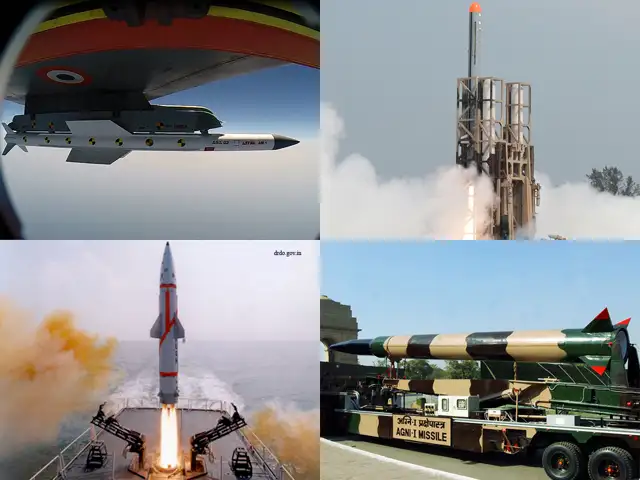
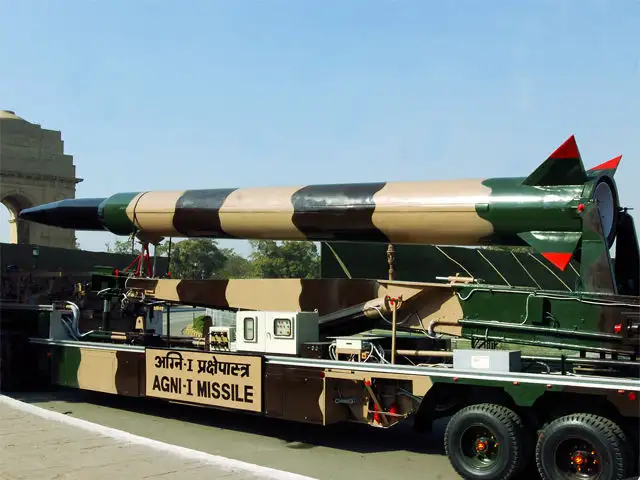
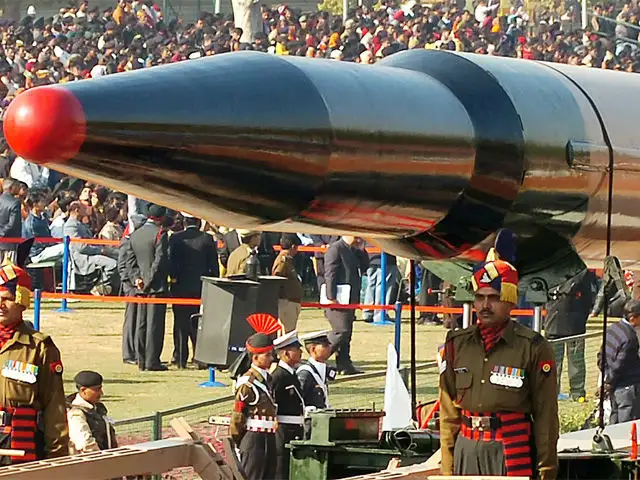
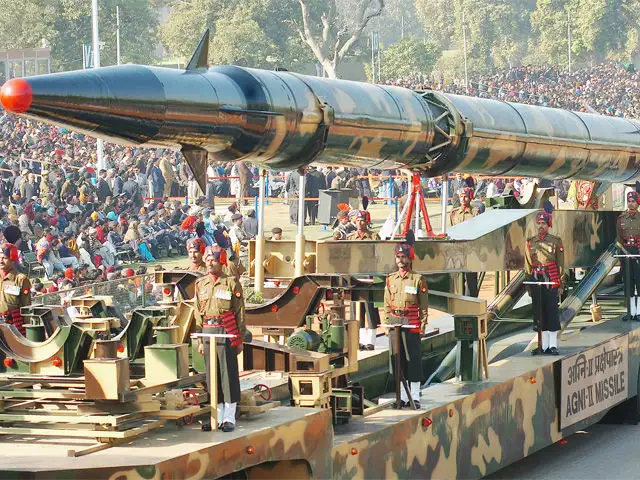
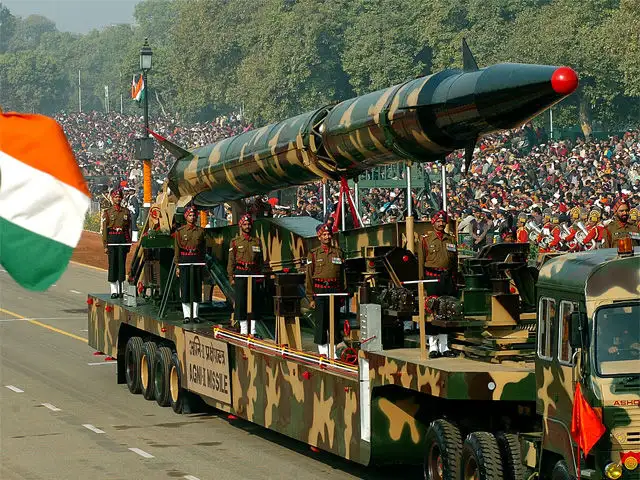
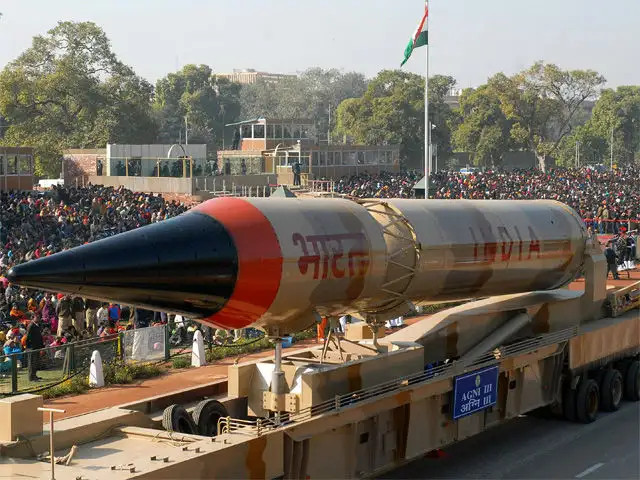
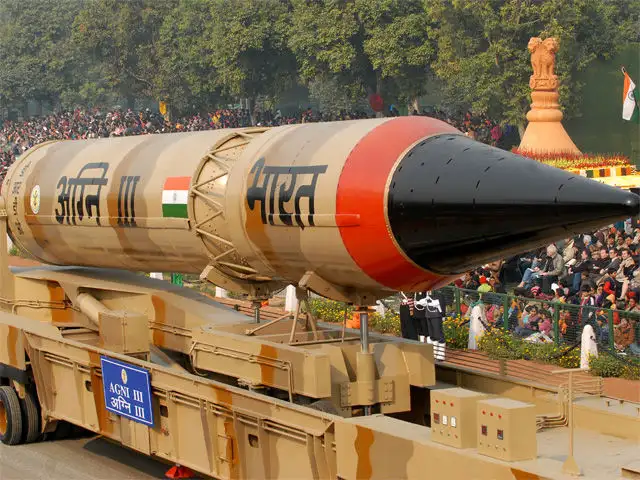
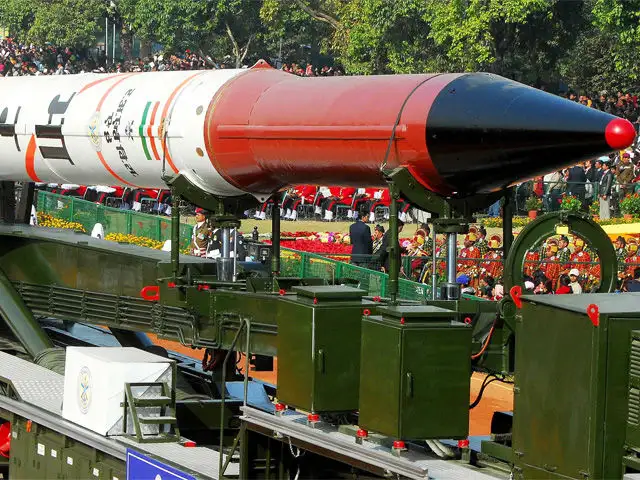
India may have developed surface-to-surface nuclear missiles like the Agni-V, which can strike targets over 5,000-km away, but has struggled to develop a complex BVR (beyond visual range) air combat missile like Astra for over a decade now.
Once the all-weather Astra is ready, India will join a handful of countries like the US, Russia, France and Israel which have developed such sleek missiles capable of detecting, tracking and destroying highly-agile, hostile supersonic fighters packed with “counter-measures” at long ranges.
Indian fighters are currently armed with Russian, French and Israeli BVR missiles, which cost a packet in the absence of a cheaper indigenous alternative.
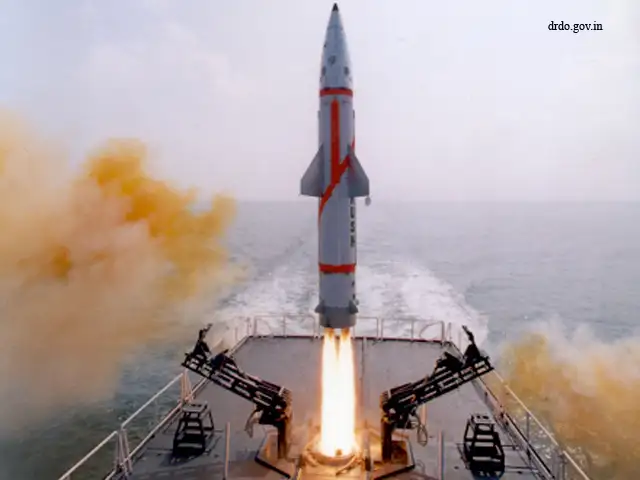
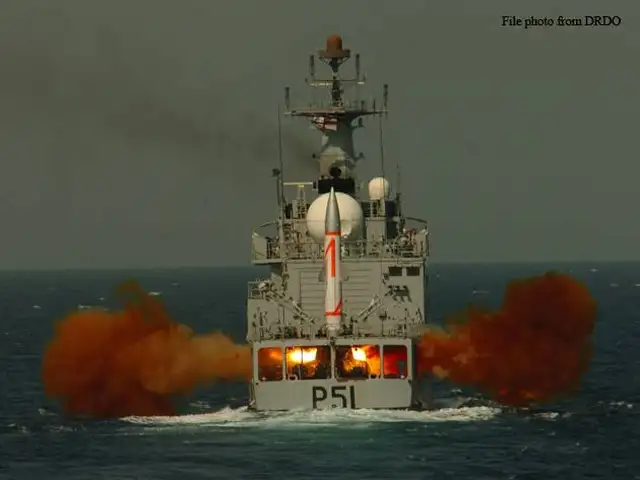
Here we take a look at the status of India’s indigenous missile power...
Image: DRDO
India may have developed surface-to-surface nuclear missiles like the Agni-V, which can strike targets over 5,000-km away, but has struggled to develop a complex BVR (beyond visual range) air combat missile like Astra for over a decade now.
Once the all-weather Astra is ready, India will join a handful of countries like the US, Russia, France and Israel which have developed such sleek missiles capable of detecting, tracking and destroying highly-agile, hostile supersonic fighters packed with “counter-measures” at long ranges.
Indian fighters are currently armed with Russian, French and Israeli BVR missiles, which cost a packet in the absence of a cheaper indigenous alternative.
Here we take a look at the status of India’s indigenous missile power...
Image: DRDO

ADVERTISEMENT


