Defence ministry changes rules to incentivize foreign firms to form JVs in India
Procurement process amended to give flexibility to choose offset partners; Indigenous content in JV to be treated as offsets.
By Manu Pubby, ET Bureau | Updated:

NEW DELHI: Private players in the defence manufacturing sector are likely to get a boost with the defence ministry amending procurement rules to encourage global manufacturers to set up Joint Ventures (JVs) in India to compete for multi-billion dollar military deals.
In a fresh round of policy changes, the Defence Ministry has approved a level playing field for Indian entities as well as the Joint Ventures they form with foreign vendors for capital acquisitions under the `Buy Global’ route that is used primarily for big ticket purchases.
Follow @ETDefence Twitter handle for comprehensive coverage on other buzzing Defence stories
ET has learnt that under the new rules recently approved by the MoD (Ministry of Defence), JVs that can achieve a minimum of 30 percent indigenous content for their products, will be exempt from offset obligations. These obligations mandate that 30 percent of the value of the deal has to be invested in India by a winning foreign vendor.
The amendment will make it simpler for JVs to participate in these contracts and also encourage foreign vendors to form partnerships in India even within the 49 percent cap if it means doing away with the cumbersome offset obligations discharge process.
“This will be a big incentive to OEMs (Original Equipment Manufacturers) who struggling to deal with India's offset policy and should spur more Joint Ventures,” Ankur Gupta of Ernst and Young India told ET. The new policy states that in case the indigenous content in the JV product is less than 30 percent, the shortfall would be converted into their offset obligation.
Among other changes, the MoD has made the implementation of offsets more flexible with two major amendments. Foreign players will now be able to submit their detailed offset plans at a later stage, instead of the pre contract bid as has been the norm.
Also, the offset partners or product can now be chosen just one year prior to the discharge. The new rules also give flexibility to vendors to change offset partners as well as products by rephrasing the offset schedule.
It is still not clear however whether these flexibilities will be applicable retrospectively as billions of dollars of signed offsets are currently not flowing due to execution issues that the amendments are aimed to addressing.
In a fresh round of policy changes, the Defence Ministry has approved a level playing field for Indian entities as well as the Joint Ventures they form with foreign vendors for capital acquisitions under the `Buy Global’ route that is used primarily for big ticket purchases.
Follow @ETDefence Twitter handle for comprehensive coverage on other buzzing Defence stories
ET has learnt that under the new rules recently approved by the MoD (Ministry of Defence), JVs that can achieve a minimum of 30 percent indigenous content for their products, will be exempt from offset obligations. These obligations mandate that 30 percent of the value of the deal has to be invested in India by a winning foreign vendor.
The amendment will make it simpler for JVs to participate in these contracts and also encourage foreign vendors to form partnerships in India even within the 49 percent cap if it means doing away with the cumbersome offset obligations discharge process.
“This will be a big incentive to OEMs (Original Equipment Manufacturers) who struggling to deal with India's offset policy and should spur more Joint Ventures,” Ankur Gupta of Ernst and Young India told ET. The new policy states that in case the indigenous content in the JV product is less than 30 percent, the shortfall would be converted into their offset obligation.
ADVERTISEMENT
Among other changes, the MoD has made the implementation of offsets more flexible with two major amendments. Foreign players will now be able to submit their detailed offset plans at a later stage, instead of the pre contract bid as has been the norm.
Also, the offset partners or product can now be chosen just one year prior to the discharge. The new rules also give flexibility to vendors to change offset partners as well as products by rephrasing the offset schedule.
It is still not clear however whether these flexibilities will be applicable retrospectively as billions of dollars of signed offsets are currently not flowing due to execution issues that the amendments are aimed to addressing.
Download
The Economic Times Business News App for the Latest News in Business, Sensex, Stock Market Updates & More.
The Economic Times Business News App for the Latest News in Business, Sensex, Stock Market Updates & More.
Download
The Economic Times News App for Quarterly Results, Latest News in ITR, Business, Share Market, Live Sensex News & More.
The Economic Times News App for Quarterly Results, Latest News in ITR, Business, Share Market, Live Sensex News & More.
Related Articles
 Defence Ministry clears 250 MW solar project with battery storage in Uttar Pradesh's Sitapur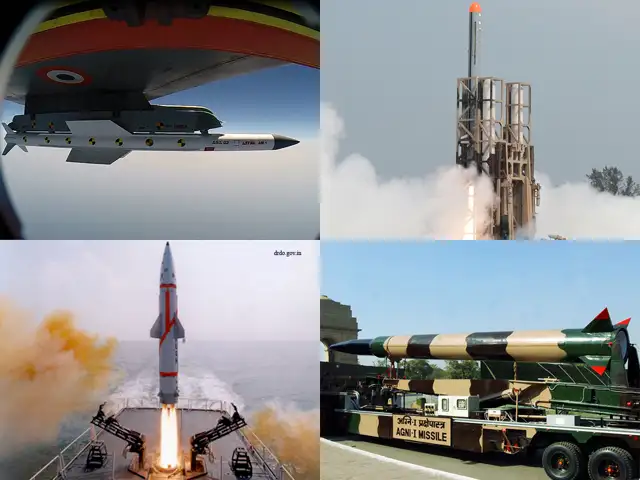
Text: TNN & Agencies
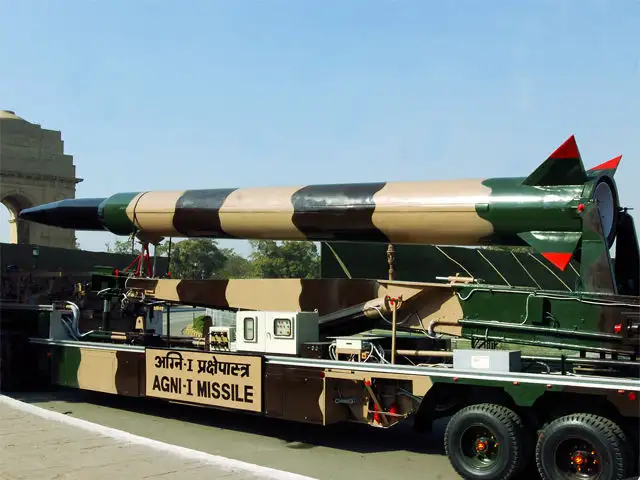
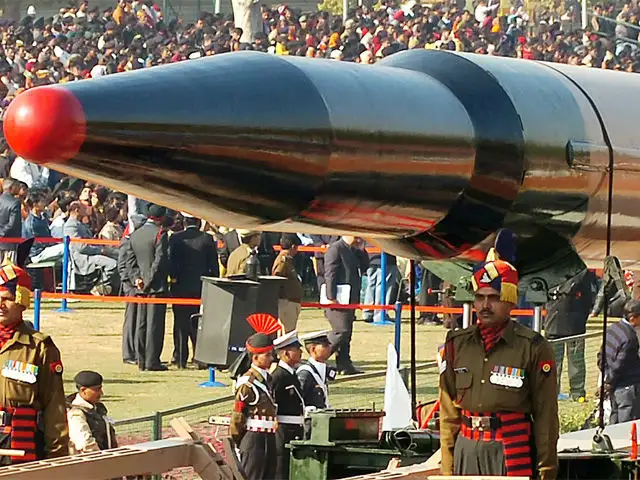
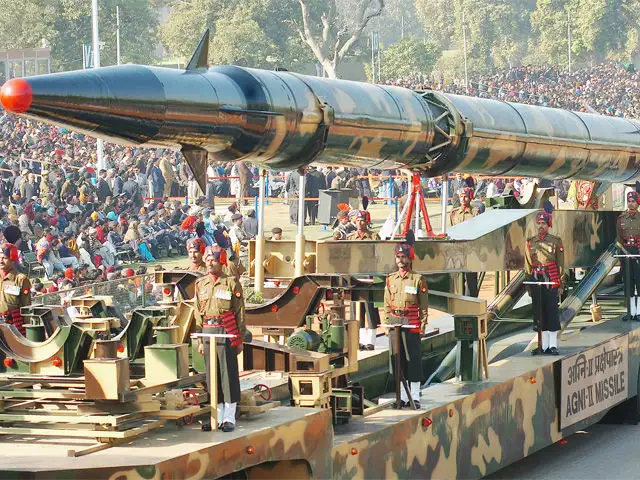
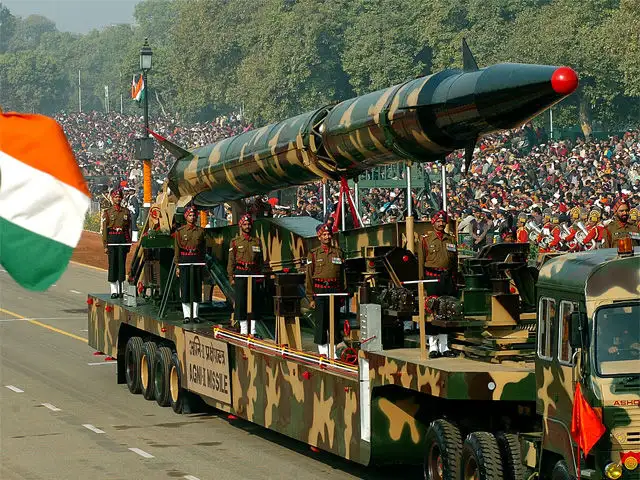
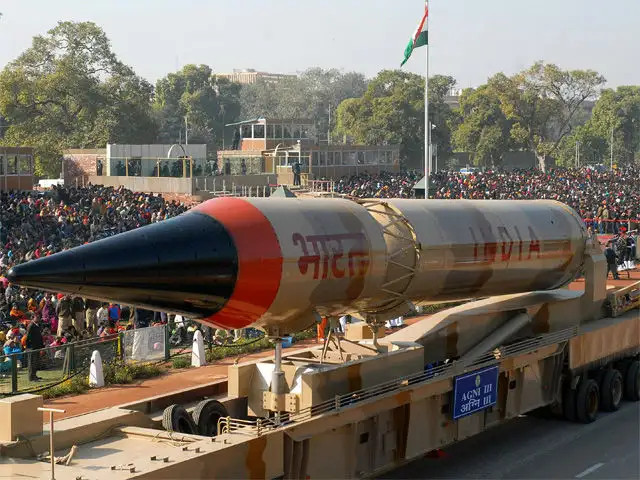
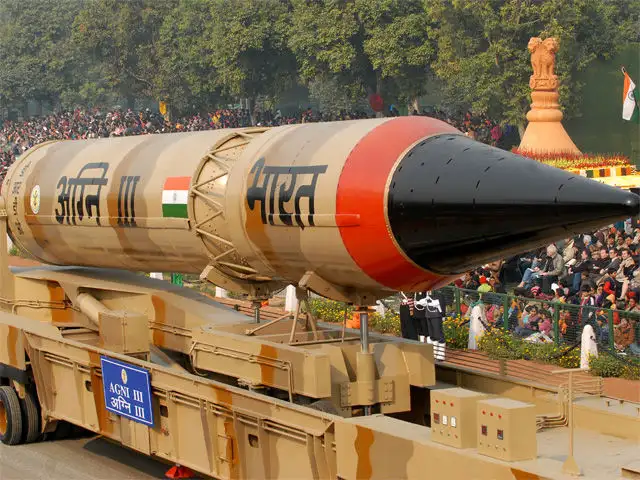
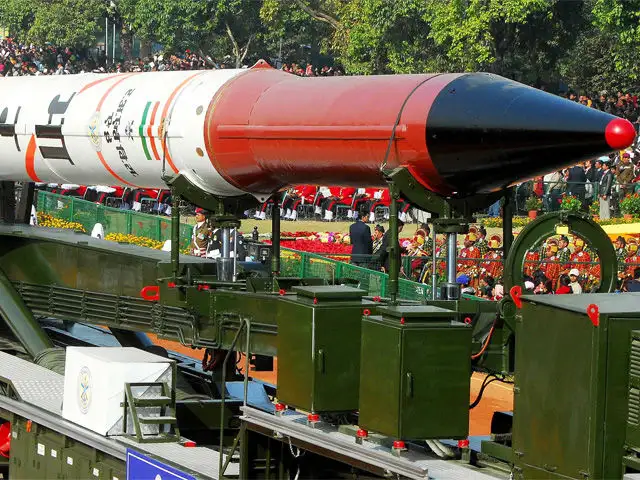
India may have developed surface-to-surface nuclear missiles like the Agni-V, which can strike targets over 5,000-km away, but has struggled to develop a complex BVR (beyond visual range) air combat missile like Astra for over a decade now.
Once the all-weather Astra is ready, India will join a handful of countries like the US, Russia, France and Israel which have developed such sleek missiles capable of detecting, tracking and destroying highly-agile, hostile supersonic fighters packed with “counter-measures” at long ranges.
Indian fighters are currently armed with Russian, French and Israeli BVR missiles, which cost a packet in the absence of a cheaper indigenous alternative.
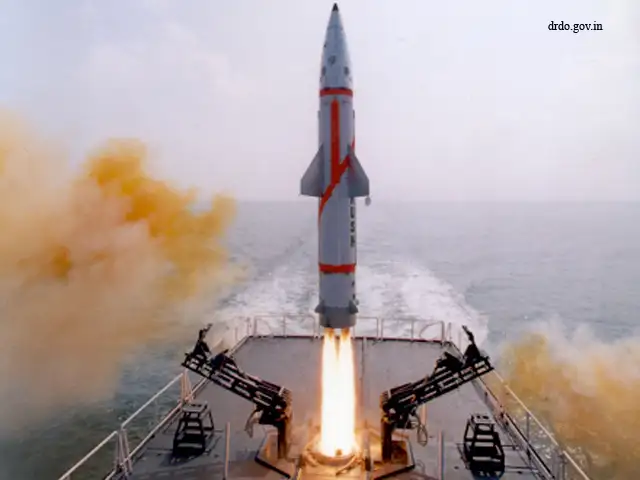
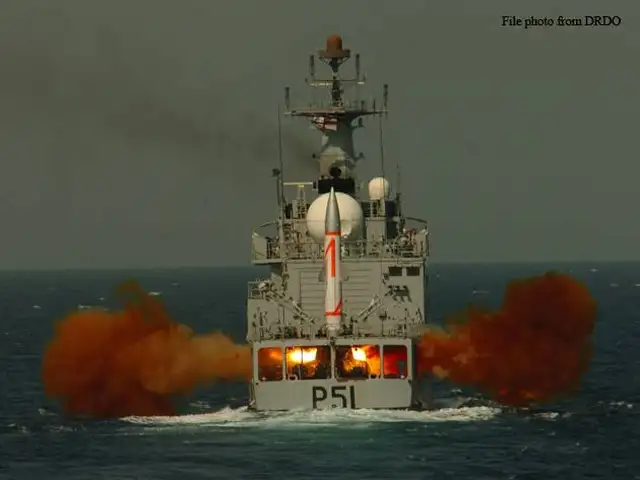
Here we take a look at the status of India’s indigenous missile power...
Image: DRDO
India may have developed surface-to-surface nuclear missiles like the Agni-V, which can strike targets over 5,000-km away, but has struggled to develop a complex BVR (beyond visual range) air combat missile like Astra for over a decade now.
Once the all-weather Astra is ready, India will join a handful of countries like the US, Russia, France and Israel which have developed such sleek missiles capable of detecting, tracking and destroying highly-agile, hostile supersonic fighters packed with “counter-measures” at long ranges.
Indian fighters are currently armed with Russian, French and Israeli BVR missiles, which cost a packet in the absence of a cheaper indigenous alternative.
Here we take a look at the status of India’s indigenous missile power...
Image: DRDO

ADVERTISEMENT


