Defence Acquisition Council likely to meet on Monday, Avro replacement project on agenda
Parrikar will chair the meeting of Defence Acquisition Council next week during which the issue of the $2.5 billion Avro replacement programme is likely to be discussed among others.
By PTI | Updated:

NEW DELHI: Defence Minister Manohar Parrikar will chair the meeting of Defence Acquisition Council next week during which the issue of the USD 2.5 billion Avro replacement programme is likely to be discussed among others.
Defence sources said that the DAC is likely to meet on Monday. "The tentative date for DAC is Monday," the sources said.
One of the main issues that are likely to be discussed is the lone bid of Airbus-TATA consortium to replace IAF's ageing fleet of 56 Avro aircraft with C-295 transport carriers.
A final decision was anticipated in November last year but Parrikar had then sought more information about the necessity of the aircraft and the bidding process.
Under the current defence procurement policy, single- vendor situation is not entertained unless cleared by the DAC.
One of the options, besides selecting the consortium, is to go in for re-tendering in which the Indian companies become the main player rather than the foreign ones.
Another option is putting the project on hold and go ahead with the joint development and production of 'Multi-role Transport Aircraft' with Russia, defence analysts said.
Interestingly, two foreign firms have written to the Defence Ministry expressing their interest to be part of the Avro replacement programme even though they had stayed away from the original bidding process.
Both the companies have offered to set up their respective platforms in India with local partners to meet the IAF requirement for the replacement of the ageing fleet of 56 Avro transport aircraft, the defence sources said.
A committee set up by Parrikar to look into the lone bid has already submitted its report.
The committee was looking into the details and procedures of the bid since only one consortium responded to the Request for Proposal (RFP) for the Avro replacement programme.
The defence sources said that the committee in its report last month suggested various changes to attract greater private sector participation.
In May, 2013, the ministry had issued an RFP to original equipment manufacturers, including US firms Boeing and Lockheed Martin, European multinational Airbus Defence and Space and Antonov of Ukraine, among others.
They were required to tie-up with an Indian private firm to produce 40 of the aircraft in the country while the remaining 16 were to be bought off the shelf.
However, only a single bidder -- the Airbus Defence and Space and Tata Advanced Systems Ltd (TASL) consortium -- had shown an interest in the proposal in October last year.
Defence sources said that the DAC is likely to meet on Monday. "The tentative date for DAC is Monday," the sources said.
One of the main issues that are likely to be discussed is the lone bid of Airbus-TATA consortium to replace IAF's ageing fleet of 56 Avro aircraft with C-295 transport carriers.
A final decision was anticipated in November last year but Parrikar had then sought more information about the necessity of the aircraft and the bidding process.
Under the current defence procurement policy, single- vendor situation is not entertained unless cleared by the DAC.
One of the options, besides selecting the consortium, is to go in for re-tendering in which the Indian companies become the main player rather than the foreign ones.
ADVERTISEMENT
Another option is putting the project on hold and go ahead with the joint development and production of 'Multi-role Transport Aircraft' with Russia, defence analysts said.
Interestingly, two foreign firms have written to the Defence Ministry expressing their interest to be part of the Avro replacement programme even though they had stayed away from the original bidding process.
Both the companies have offered to set up their respective platforms in India with local partners to meet the IAF requirement for the replacement of the ageing fleet of 56 Avro transport aircraft, the defence sources said.
A committee set up by Parrikar to look into the lone bid has already submitted its report.
ADVERTISEMENT
The committee was looking into the details and procedures of the bid since only one consortium responded to the Request for Proposal (RFP) for the Avro replacement programme.
The defence sources said that the committee in its report last month suggested various changes to attract greater private sector participation.
ADVERTISEMENT
In May, 2013, the ministry had issued an RFP to original equipment manufacturers, including US firms Boeing and Lockheed Martin, European multinational Airbus Defence and Space and Antonov of Ukraine, among others.
They were required to tie-up with an Indian private firm to produce 40 of the aircraft in the country while the remaining 16 were to be bought off the shelf.
However, only a single bidder -- the Airbus Defence and Space and Tata Advanced Systems Ltd (TASL) consortium -- had shown an interest in the proposal in October last year.
Download
The Economic Times Business News App for the Latest News in Business, Sensex, Stock Market Updates & More.
The Economic Times Business News App for the Latest News in Business, Sensex, Stock Market Updates & More.
Download
The Economic Times News App for Quarterly Results, Latest News in ITR, Business, Share Market, Live Sensex News & More.
The Economic Times News App for Quarterly Results, Latest News in ITR, Business, Share Market, Live Sensex News & More.
Related Articles
 Defence stocks HAL, BEL, others in focus ahead Defence Acquisition Council meet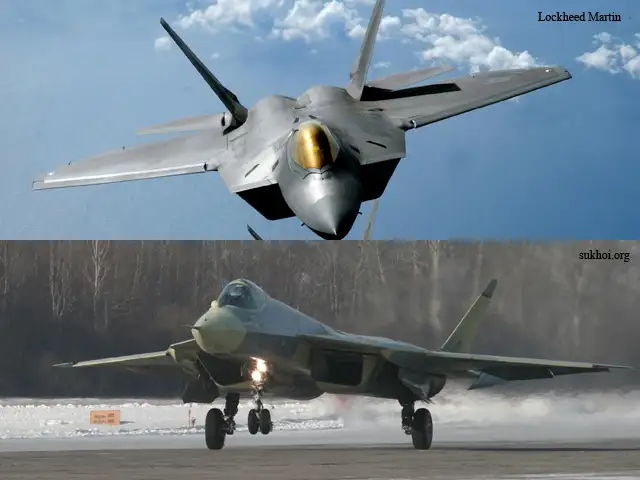
Rajat Pandit, TNN
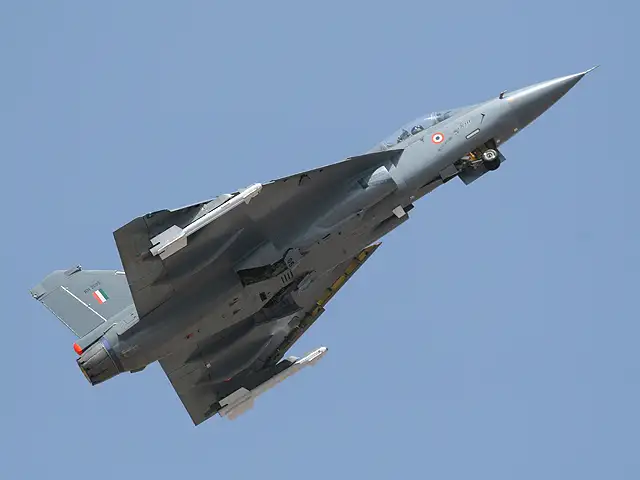
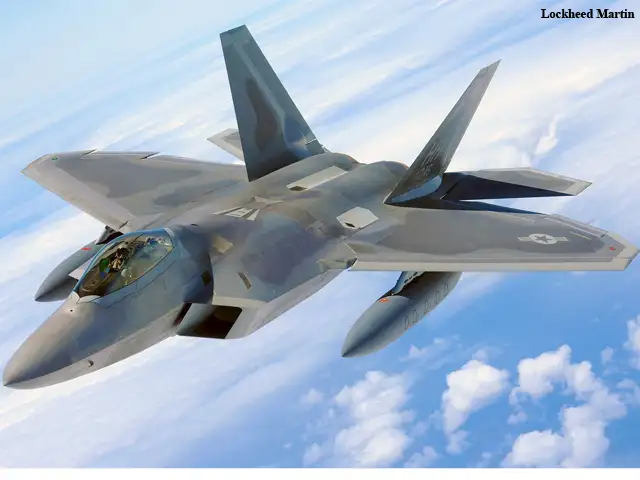
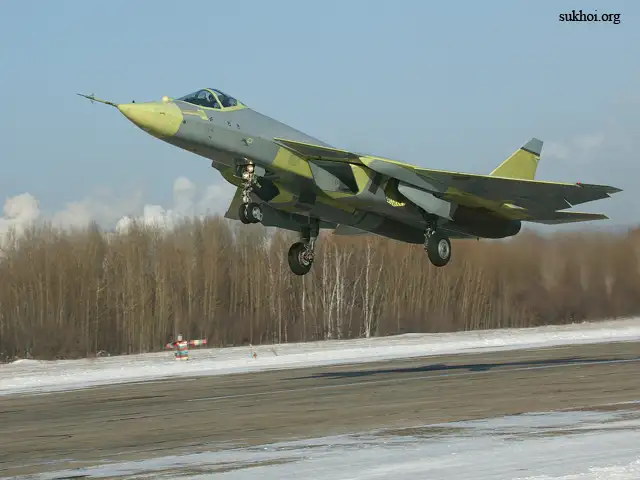
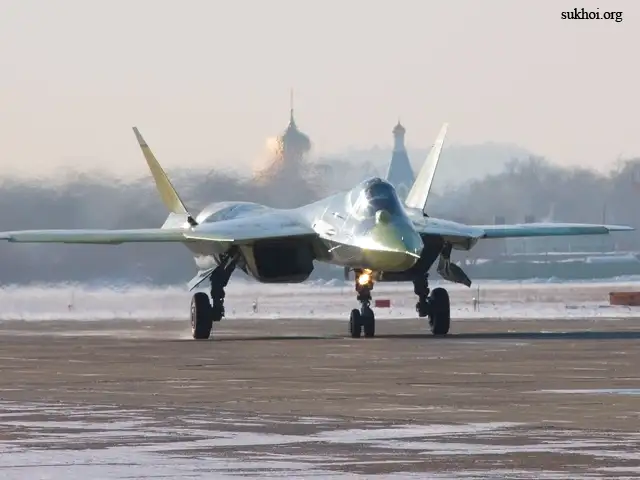
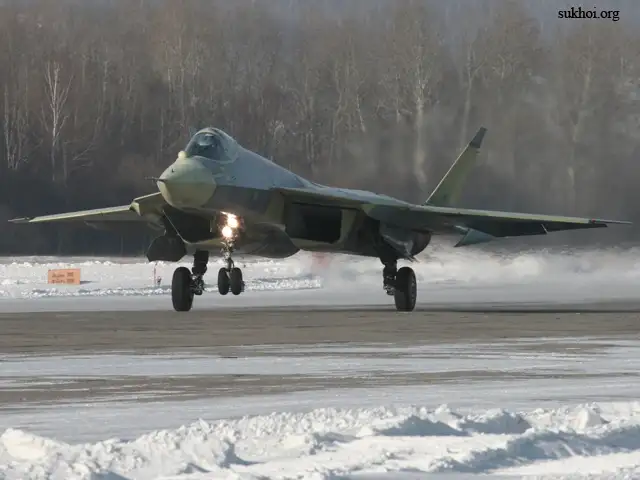
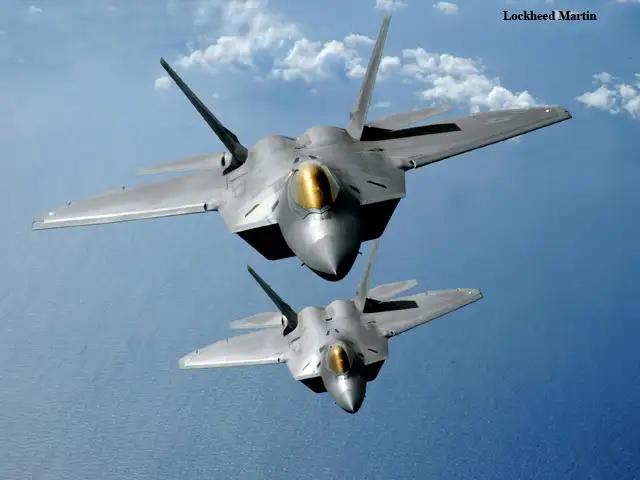
India plans to kick-off its own fifth-generation fighter aircraft (FGFA) development project this year to build on the expertise gained in the long developmental saga of the indigenous Tejas light combat aircraft.
The aim is to fly the first twin-engine AMCA prototype by 2023-2024, which will be around the time deliveries of Tejas Mark-II fighters will be underway.
India plans to kick-off its own fifth-generation fighter aircraft (FGFA) development project this year to build on the expertise gained in the long developmental saga of the indigenous Tejas light combat aircraft.
The aim is to fly the first twin-engine AMCA prototype by 2023-2024, which will be around the time deliveries of Tejas Mark-II fighters will be underway.

ADVERTISEMENT


