Controversy over Air Chief's 'comments' on China trying to contain India & communalism as threat to internal security
A recording of the event has brought out that Raha was touching on several interesting strategic security implications of China’s rise and investment in the region for India.
By Manu Pubby, ET Bureau | Updated:

NEW DELHI: Controversy has erupted over comments attributed to India’s senior most military commander linking Chinese investments in Sri Lanka, Nepal and Pakistan to Beijing’s desire to contain 'India’ and communalism still being one of the main threats to India’s internal security.
Air Chief Marshal Arup Raha, who is also the Chairman of the Chiefs of Staff Committee – the senior most military commander of the country – was to deliver an address at the air force’s think tank Center for Air Power Studies (CAPS) on Monday morning which was cut short due to the sudden passing away of former Air Chief OP Mehra.
However, the prepared address was read out by Air Marshal KK Nohwar (Retd.), Additional Director General, CAPS on the request of the Air Chief who left early for the funeral. While a release on the address was hastily withdrawn by CAPS late in the evening, a recording of the event in possession with ET has brought out that Raha was touching on several interesting strategic security implications of China’s rise and investment in the region for India.
“The world's highest airport at Daocheng Yading , the highest railway line in Tibet, the development of Gwadar port and the economic corridor through Pakistan Occupied Kashmir that is being developed right upto the Indian border and increasing economic ties with Sri Lanka, Nepal, Bhutan and Myanmar are strategic moves by China to contain India,” the address read out at the seminar of CAPS said.
Military leaders in India have in the recent past been wary on commenting on China and Air Chief Raha’s observations are a rare insight into how the government perceives Beijing and its activities in the neighbourhood.
Raha’s address also referred to China’s activities in the Indian Ocean region, particularly the recent trend of deployment of submarines. “China has been making sustained efforts to make its presence felt in the Indian Ocean Region, including dispatching of submarines in the name of piracy control, a strange logic,” the address read.
Raha speech came down hard on China’s provocations on the border and accused Beijing of departing from the Panchsheel agreement. “In the border stand offs in the north, issuances of paper visa to the residents of Arunachal and the claiming of Aksai Chin and Arunachal as parts of China have diluted the agreement of the five principles of Pancsheel signed way back in 1954,” it said.
Raha’s address said that “Chinese growing influence in the world in general and the sub continent in particular is with a strategic goal in mind’.
On challenges to internal security, Raha said that communalism is still one of the major areas of concern. “It is becoming increasingly difficult to separate the internal threat to India’s security to the external threat to India’s security. The threat to India’s internal security ranges from communalism to sectarianism to Jihadi terrorism,” the address read.
It is still unclear why the release of CAPS on the event was withdrawn. While no explanation was given, a press release was issued saying that a `fresh one would be available by tomorrow morning’.
Air Chief Marshal Arup Raha, who is also the Chairman of the Chiefs of Staff Committee – the senior most military commander of the country – was to deliver an address at the air force’s think tank Center for Air Power Studies (CAPS) on Monday morning which was cut short due to the sudden passing away of former Air Chief OP Mehra.
However, the prepared address was read out by Air Marshal KK Nohwar (Retd.), Additional Director General, CAPS on the request of the Air Chief who left early for the funeral. While a release on the address was hastily withdrawn by CAPS late in the evening, a recording of the event in possession with ET has brought out that Raha was touching on several interesting strategic security implications of China’s rise and investment in the region for India.
“The world's highest airport at Daocheng Yading , the highest railway line in Tibet, the development of Gwadar port and the economic corridor through Pakistan Occupied Kashmir that is being developed right upto the Indian border and increasing economic ties with Sri Lanka, Nepal, Bhutan and Myanmar are strategic moves by China to contain India,” the address read out at the seminar of CAPS said.
Military leaders in India have in the recent past been wary on commenting on China and Air Chief Raha’s observations are a rare insight into how the government perceives Beijing and its activities in the neighbourhood.
Raha’s address also referred to China’s activities in the Indian Ocean region, particularly the recent trend of deployment of submarines. “China has been making sustained efforts to make its presence felt in the Indian Ocean Region, including dispatching of submarines in the name of piracy control, a strange logic,” the address read.
ADVERTISEMENT
Raha speech came down hard on China’s provocations on the border and accused Beijing of departing from the Panchsheel agreement. “In the border stand offs in the north, issuances of paper visa to the residents of Arunachal and the claiming of Aksai Chin and Arunachal as parts of China have diluted the agreement of the five principles of Pancsheel signed way back in 1954,” it said.
Raha’s address said that “Chinese growing influence in the world in general and the sub continent in particular is with a strategic goal in mind’.
On challenges to internal security, Raha said that communalism is still one of the major areas of concern. “It is becoming increasingly difficult to separate the internal threat to India’s security to the external threat to India’s security. The threat to India’s internal security ranges from communalism to sectarianism to Jihadi terrorism,” the address read.
It is still unclear why the release of CAPS on the event was withdrawn. While no explanation was given, a press release was issued saying that a `fresh one would be available by tomorrow morning’.
Download
The Economic Times Business News App for the Latest News in Business, Sensex, Stock Market Updates & More.
The Economic Times Business News App for the Latest News in Business, Sensex, Stock Market Updates & More.
Download
The Economic Times News App for Quarterly Results, Latest News in ITR, Business, Share Market, Live Sensex News & More.
The Economic Times News App for Quarterly Results, Latest News in ITR, Business, Share Market, Live Sensex News & More.
Related Articles
 IAF’s made-in-India C-295 ready for flight trials, deputy air chief inspects aircraft at Tata-Airbus Vadodara facility2026-05-17T07:06:53Z
- Drones, UAS no longer just eyes in sky, but like 'claws in the sky': Air Chief Marshal A P Singh2026-05-15T12:09:53Z
- India-US defence ties pick up as Air Chief Marshal AP Singh visits US to strengthen partnership2026-04-06T05:07:26Z
Economictimes.com & Agencies
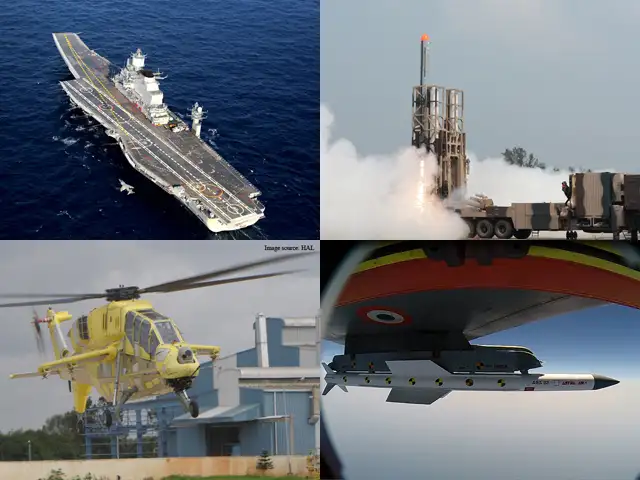
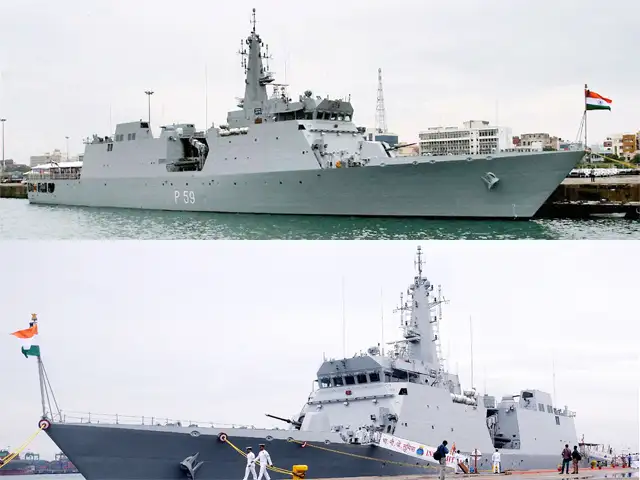
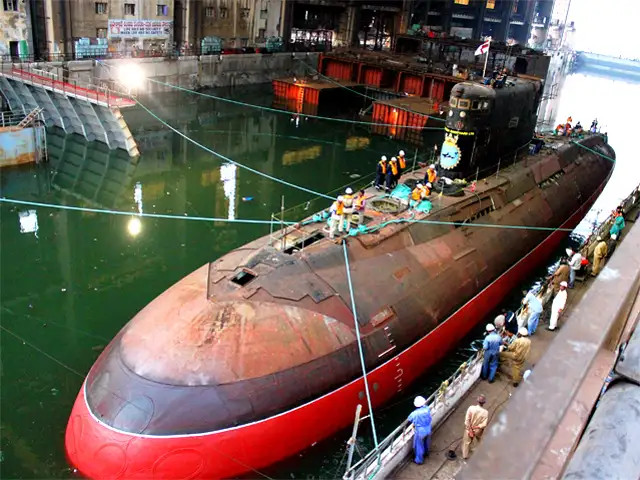
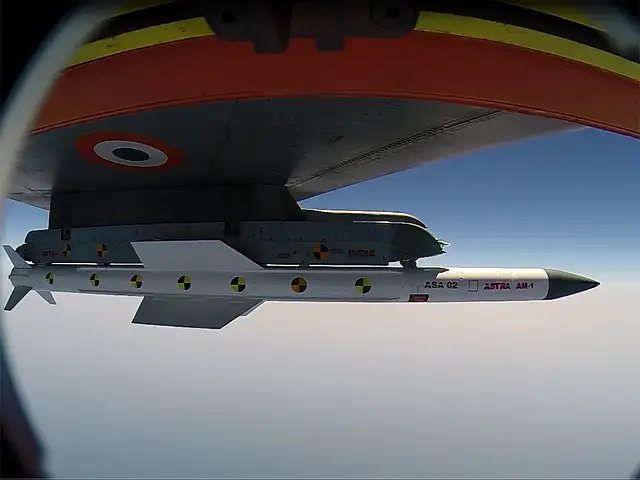
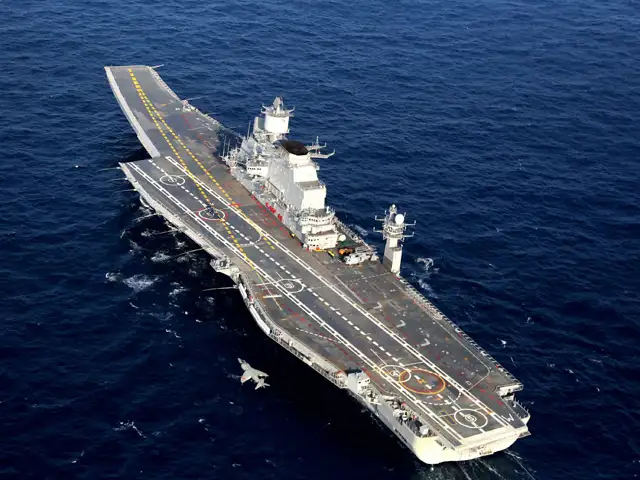
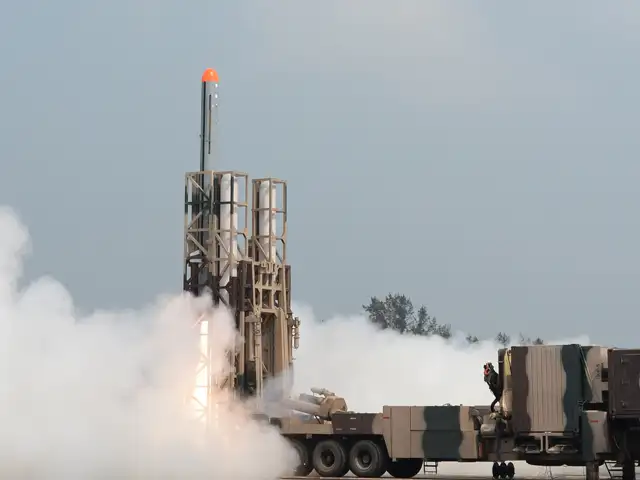
The need to have robust defence capabilities in today's day and age cannot be overstated. India has been aggressively pushing to enhance its ability to deter attacks and up its defence prowess.
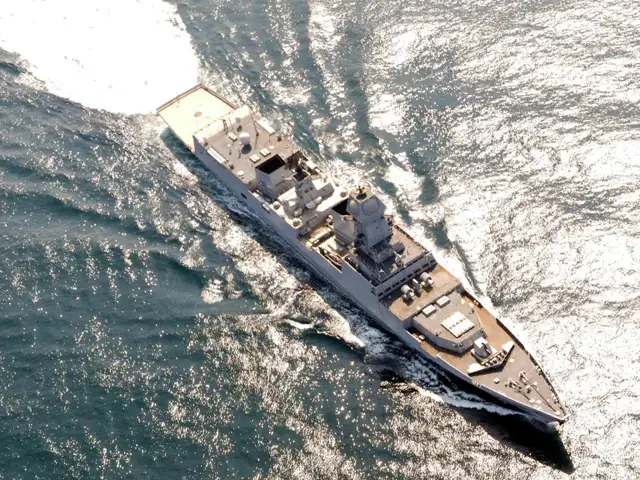
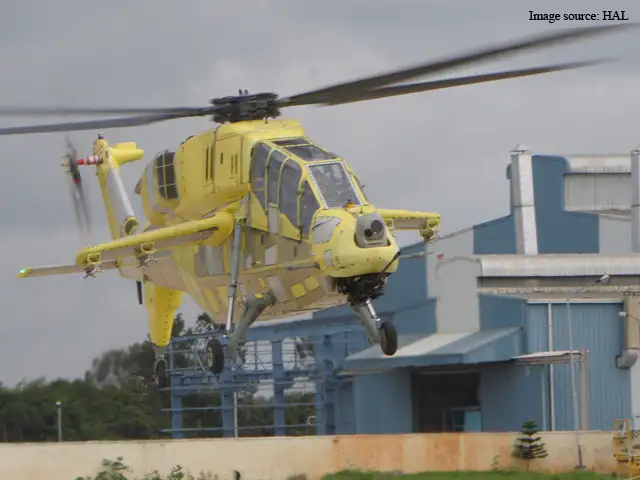
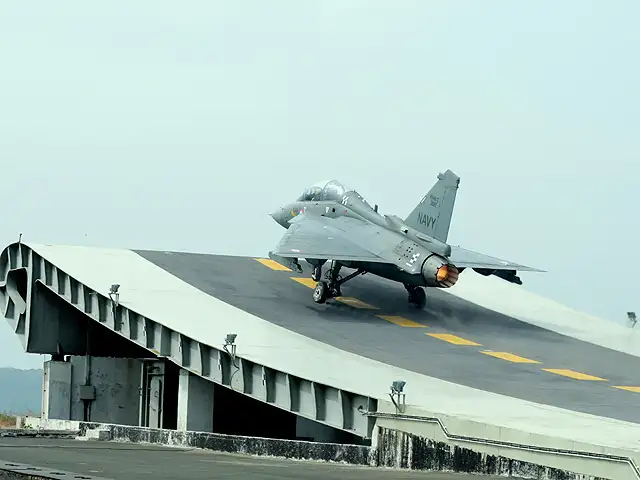
2014 saw multiple steps being taken in that direction and India saw many new additions to its defence fleet. We take a look at eight achievements that deserve a special mention:
The need to have robust defence capabilities in today's day and age cannot be overstated. India has been aggressively pushing to enhance its ability to deter attacks and up its defence prowess.
2014 saw multiple steps being taken in that direction and India saw many new additions to its defence fleet. We take a look at eight achievements that deserve a special mention:

ADVERTISEMENT


