China growing military power; India, Japan following through: US
"It's not the only one. Japan is increasing its defence rollout here, so is India. Many, many countries are asking us to work with them" Carter said.
By PTI | Updated:

WASHINGTON: China is a growing military power but countries like India and Japan are also following through in the region by increasing their defence rollout, the US has said as it voiced concern over Beijing's activities in the disputed South China Sea.
"China is a growing military power in this region. That's natural. It's a big country. It's a country that's trying to develop itself economically," US Defence Secretary Ashton Carter said in response to a question from an American soldier in Hawaii on his way back from his Asia trip.
Follow @ETDefence Twitter handle for comprehensive coverage on other buzzing Defence stories
"It's not the only one. Japan is increasing its defence rollout here, so is India. Many, many countries are asking us to work with them, because they want to be part of this regional architecture that keeps the peace, and we welcome all of them to include China," Carter said.
As the US and China engaged in a standoff last week over an American guided missile destroyer in Chinese-claimed waters in the South China Sea, Carter said there is no question that the US has some points of contention with China and objections to things they're doing.
"We, as many countries out here, are concerned about their activities in the South China Sea. We've called on China and others who are doing things in the South China Sea, reclaiming land, militarising features, to hold that permanently, all of them. We think everybody ought to just stop that, and that these are things to be resolved diplomatically," he said.
"I have certainly said, and will continue to demonstrate, that for our part, the US will continue to fly, sail and operate anywhere international law permits -- South China Sea to the Arctic -- that's not going to change," Carter said.
The US move to send USS Lassen to the SCS brought angry denunciations from China, which said its sovereignty had been violated and warned America not to take "dangerous actions".
In his remarks, the Defence Secretary reiterated that the presence of the US in the region ensured peace for decades and this played a key role in the rise of China.
"Look what's happened out here. Japan rose and prospered from the ashes of World War II. Then Taiwan, South Korea, Southeast Asia, now China and India.
"They're able to do that, to follow their own destiny, dream their own dreams, live their own lives, because of the environment of peace and stability, and that has been a very important measure underwritten by the role the United States. We intend to keep going back," he said.
"That in a sentence is the rebalancing. You, right here, are the heart of that. So you're playing a role in history that you'll look back on later in your lives and recognise and be able to tell your children the value of," he said.
"China is a growing military power in this region. That's natural. It's a big country. It's a country that's trying to develop itself economically," US Defence Secretary Ashton Carter said in response to a question from an American soldier in Hawaii on his way back from his Asia trip.
Follow @ETDefence Twitter handle for comprehensive coverage on other buzzing Defence stories
"It's not the only one. Japan is increasing its defence rollout here, so is India. Many, many countries are asking us to work with them, because they want to be part of this regional architecture that keeps the peace, and we welcome all of them to include China," Carter said.
As the US and China engaged in a standoff last week over an American guided missile destroyer in Chinese-claimed waters in the South China Sea, Carter said there is no question that the US has some points of contention with China and objections to things they're doing.
"We, as many countries out here, are concerned about their activities in the South China Sea. We've called on China and others who are doing things in the South China Sea, reclaiming land, militarising features, to hold that permanently, all of them. We think everybody ought to just stop that, and that these are things to be resolved diplomatically," he said.
ADVERTISEMENT
"I have certainly said, and will continue to demonstrate, that for our part, the US will continue to fly, sail and operate anywhere international law permits -- South China Sea to the Arctic -- that's not going to change," Carter said.
The US move to send USS Lassen to the SCS brought angry denunciations from China, which said its sovereignty had been violated and warned America not to take "dangerous actions".
In his remarks, the Defence Secretary reiterated that the presence of the US in the region ensured peace for decades and this played a key role in the rise of China.
"Look what's happened out here. Japan rose and prospered from the ashes of World War II. Then Taiwan, South Korea, Southeast Asia, now China and India.
ADVERTISEMENT
"They're able to do that, to follow their own destiny, dream their own dreams, live their own lives, because of the environment of peace and stability, and that has been a very important measure underwritten by the role the United States. We intend to keep going back," he said.
"That in a sentence is the rebalancing. You, right here, are the heart of that. So you're playing a role in history that you'll look back on later in your lives and recognise and be able to tell your children the value of," he said.
Download
The Economic Times Business News App for the Latest News in Business, Sensex, Stock Market Updates & More.
The Economic Times Business News App for the Latest News in Business, Sensex, Stock Market Updates & More.
Download
The Economic Times News App for Quarterly Results, Latest News in ITR, Business, Share Market, Live Sensex News & More.
The Economic Times News App for Quarterly Results, Latest News in ITR, Business, Share Market, Live Sensex News & More.
Related Articles
 India imposes anti-dumping duty on chemical imported from China, EU, US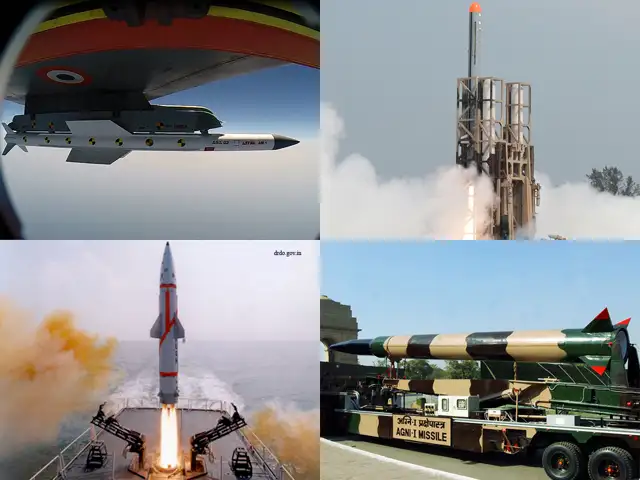
Text: TNN & Agencies
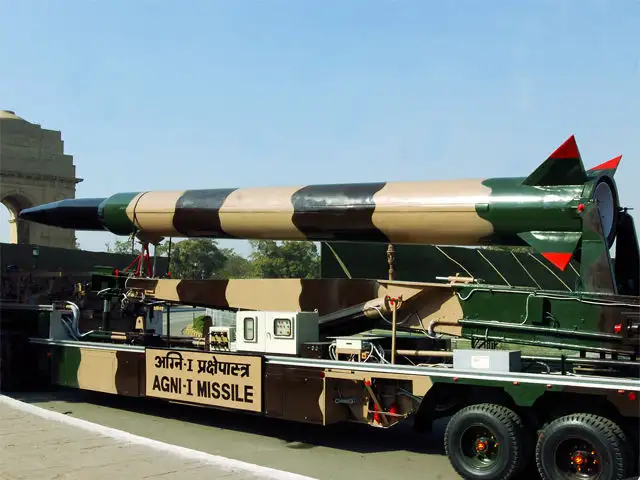
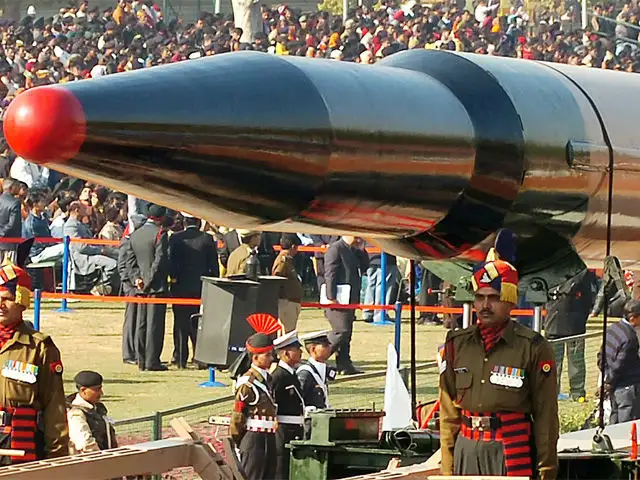
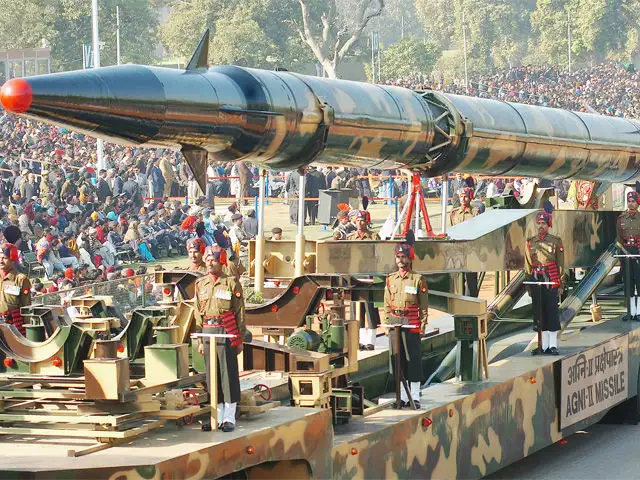
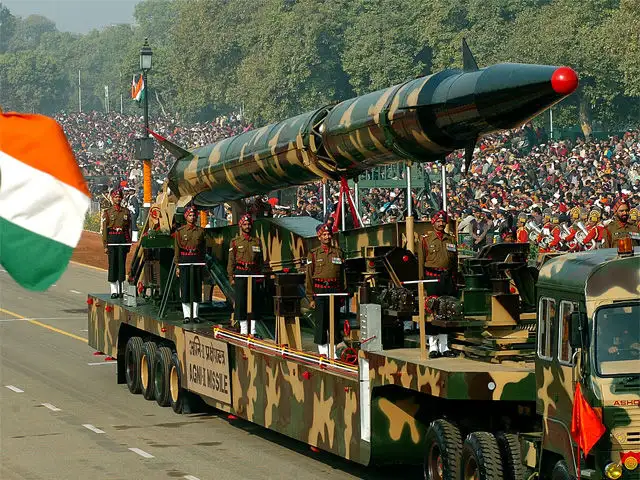
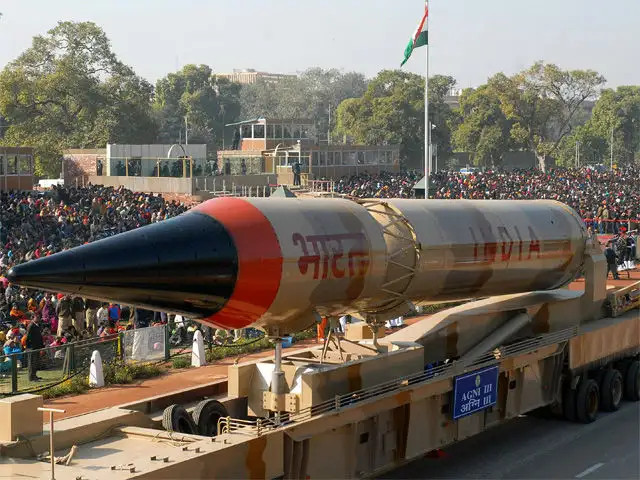
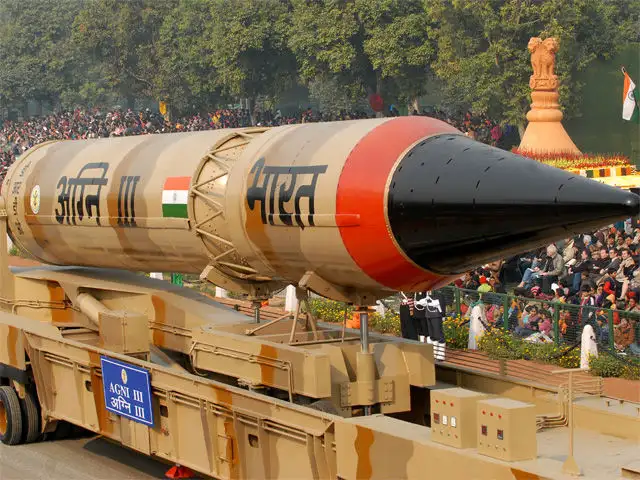
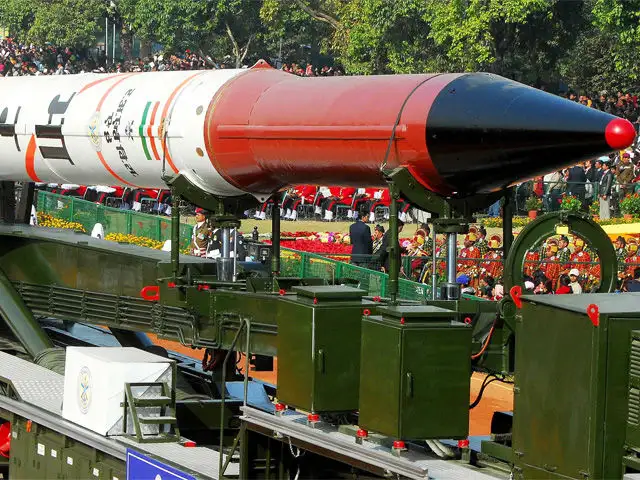
India may have developed surface-to-surface nuclear missiles like the Agni-V, which can strike targets over 5,000-km away, but has struggled to develop a complex BVR (beyond visual range) air combat missile like Astra for over a decade now.
Once the all-weather Astra is ready, India will join a handful of countries like the US, Russia, France and Israel which have developed such sleek missiles capable of detecting, tracking and destroying highly-agile, hostile supersonic fighters packed with “counter-measures” at long ranges.
Indian fighters are currently armed with Russian, French and Israeli BVR missiles, which cost a packet in the absence of a cheaper indigenous alternative.
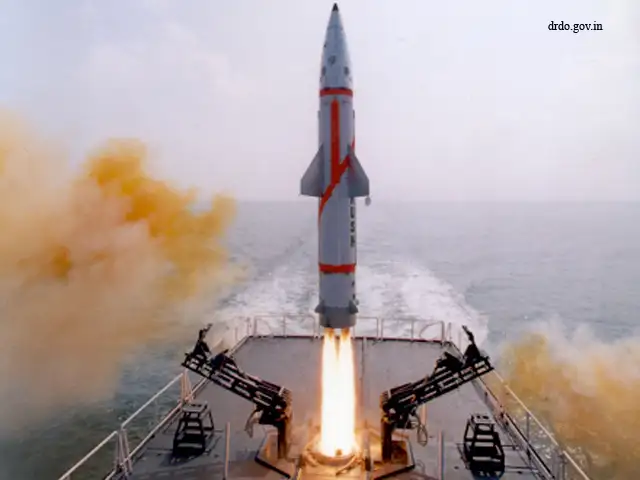
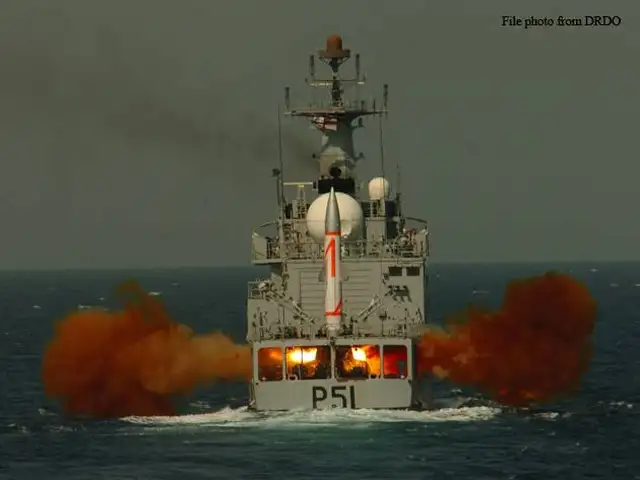
Here we take a look at the status of India’s indigenous missile power...
Image: DRDO
India may have developed surface-to-surface nuclear missiles like the Agni-V, which can strike targets over 5,000-km away, but has struggled to develop a complex BVR (beyond visual range) air combat missile like Astra for over a decade now.
Once the all-weather Astra is ready, India will join a handful of countries like the US, Russia, France and Israel which have developed such sleek missiles capable of detecting, tracking and destroying highly-agile, hostile supersonic fighters packed with “counter-measures” at long ranges.
Indian fighters are currently armed with Russian, French and Israeli BVR missiles, which cost a packet in the absence of a cheaper indigenous alternative.
Here we take a look at the status of India’s indigenous missile power...
Image: DRDO

ADVERTISEMENT


