China developing new STOVL fighter for Navy, similar to America's F 35B aircraft
A detailed article on the PLA website on Wednesday says that China’s aviation industry is working on a new short takeoff and vertical landing.
By Manu Pubby, ET Bureau | Updated:

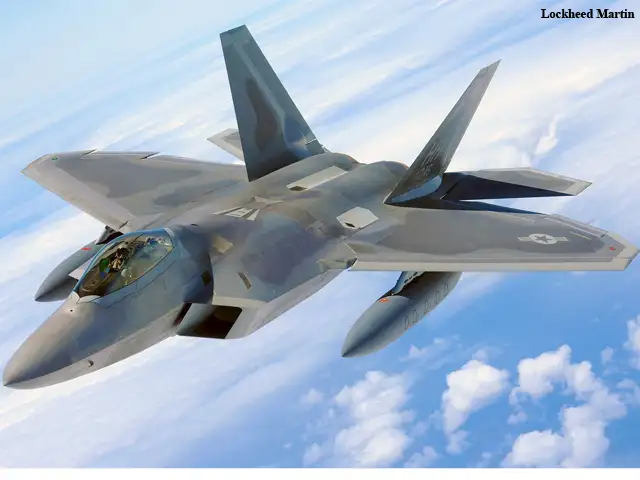
NEW DELHI: Seeking to boost its maritime firepower, Beijing has announced that it is developing a new naval fighter that will be able to operate from amphibious warships and would be able to land vertically, similar to the F 35 B fifth generation aircraft. This is the third, new generation fighter program being under taken by China in the last five years, with the J 20 and J 31 being the others.
PLA website on Wednesday says that China’s aviation industry is working on a new short takeoff and vertical landing aircraft that is `needed for an important role in the Chinese navy’s future operations’ and has revealed that research and development of the fighter’s engine and other components has started.A detailed article on the People’s Liberation Army (PLA) website on Wednesday says that China’s aviation industry is working on a new short takeoff and vertical landing ( STOVL) aircraft that is `needed for an important role in the Chinese navy’s future operations’ and has revealed that research and development of the fighter’s engine and other components has started.
A STOVL fighter gives a significant edge to a military due to its capability to operate from small surfaces, like an amphibious warship or an helicopter carrier, which are comparatively low cost platforms as compared to an aircraft carrier. While China is operationalizing its first aircraft carrier, the CNS Liaoning, it will take considerable time before more such warships are put into operation.
The PLA article explains that the STOVL aircraft will cover this gap in the Navy’s combat capabilities and aims to “strengthen the People's Liberation Army navy's amphibious combat capability and address the absence of such a weapon in the PLA's arsenal”.
At present, the F 35 B , developed primarily by the US, is the most capable STOVL fighter and is being inducted by the UK as well as the US Marine Corps. India also operates the Harrier fighters with STOVL capability from the INS Viraat aircraft carrier but these planes are on their last legs and are likely to be decommissioned shortly.
The PLA article says that this is not the first attempt by China to developed a STOVL fighter and in the late 1960s such a project was attempted but could not take off due to technical issues.
"Let's assume that a conflict breaks out between China and another nation in the near future; the PLA navy's limited number of carrier-borne fighter jets, the J-15s, would have to engage in long-distance strikes as well as air defense for the carrier battle group, and they would have to be divided into small groups to perform these tasks simultaneously,” the PLA website quotes Wang Ya'nan, deputy editor-in-chief of Aerospace Knowledge magazine as saying.
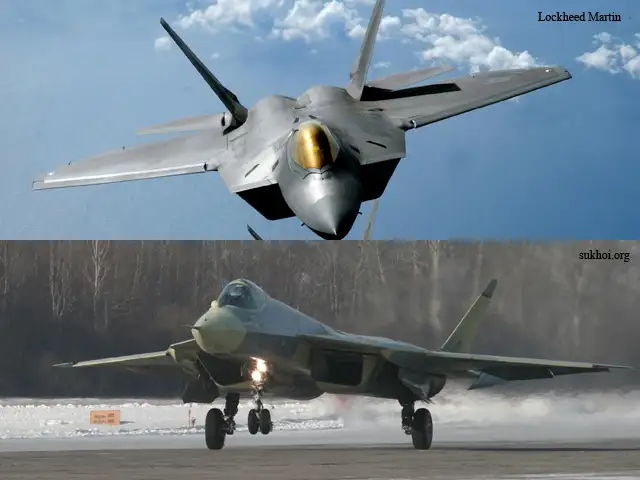
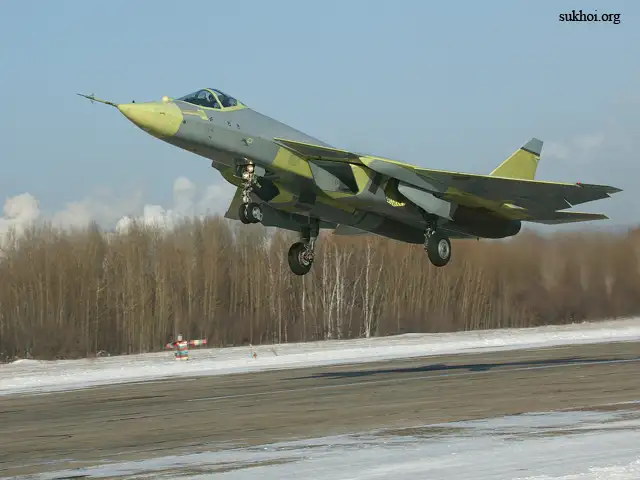
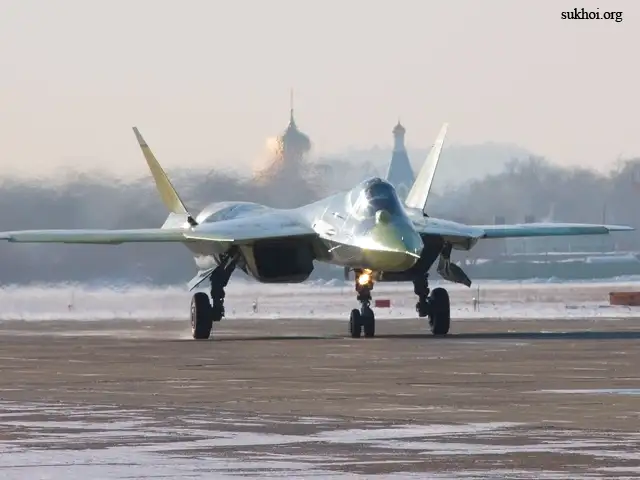
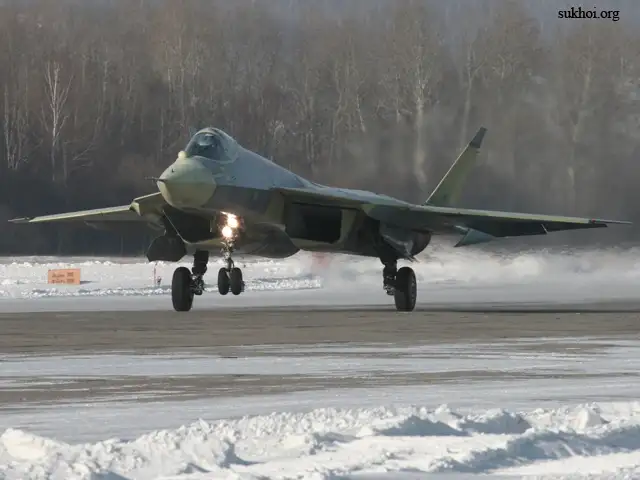
While India is depending on Russia for its next generation fighter aircraft, the PAK FA that is under developmental trials, Beijing has gone ahead alone on at least two fifth generation fighter programs – the develop the J 20 and J 31 fighters. In addition, the J 15 carrier borne fighter has also been developed for the Liaoning. India will be basing its Russian made MiG 29 K fighters on its aircraft carriers as well as the naval version of the Light Combat Aircraft (NLCA) in the future.
PLA website on Wednesday says that China’s aviation industry is working on a new short takeoff and vertical landing aircraft that is `needed for an important role in the Chinese navy’s future operations’ and has revealed that research and development of the fighter’s engine and other components has started.A detailed article on the People’s Liberation Army (PLA) website on Wednesday says that China’s aviation industry is working on a new short takeoff and vertical landing ( STOVL) aircraft that is `needed for an important role in the Chinese navy’s future operations’ and has revealed that research and development of the fighter’s engine and other components has started.
A STOVL fighter gives a significant edge to a military due to its capability to operate from small surfaces, like an amphibious warship or an helicopter carrier, which are comparatively low cost platforms as compared to an aircraft carrier. While China is operationalizing its first aircraft carrier, the CNS Liaoning, it will take considerable time before more such warships are put into operation.
The PLA article explains that the STOVL aircraft will cover this gap in the Navy’s combat capabilities and aims to “strengthen the People's Liberation Army navy's amphibious combat capability and address the absence of such a weapon in the PLA's arsenal”.
At present, the F 35 B , developed primarily by the US, is the most capable STOVL fighter and is being inducted by the UK as well as the US Marine Corps. India also operates the Harrier fighters with STOVL capability from the INS Viraat aircraft carrier but these planes are on their last legs and are likely to be decommissioned shortly.
The PLA article says that this is not the first attempt by China to developed a STOVL fighter and in the late 1960s such a project was attempted but could not take off due to technical issues.
ADVERTISEMENT
"Let's assume that a conflict breaks out between China and another nation in the near future; the PLA navy's limited number of carrier-borne fighter jets, the J-15s, would have to engage in long-distance strikes as well as air defense for the carrier battle group, and they would have to be divided into small groups to perform these tasks simultaneously,” the PLA website quotes Wang Ya'nan, deputy editor-in-chief of Aerospace Knowledge magazine as saying.
While India is depending on Russia for its next generation fighter aircraft, the PAK FA that is under developmental trials, Beijing has gone ahead alone on at least two fifth generation fighter programs – the develop the J 20 and J 31 fighters. In addition, the J 15 carrier borne fighter has also been developed for the Liaoning. India will be basing its Russian made MiG 29 K fighters on its aircraft carriers as well as the naval version of the Light Combat Aircraft (NLCA) in the future.
Download
The Economic Times Business News App for the Latest News in Business, Sensex, Stock Market Updates & More.
The Economic Times Business News App for the Latest News in Business, Sensex, Stock Market Updates & More.
Download
The Economic Times News App for Quarterly Results, Latest News in ITR, Business, Share Market, Live Sensex News & More.
The Economic Times News App for Quarterly Results, Latest News in ITR, Business, Share Market, Live Sensex News & More.
Rajat Pandit, TNN
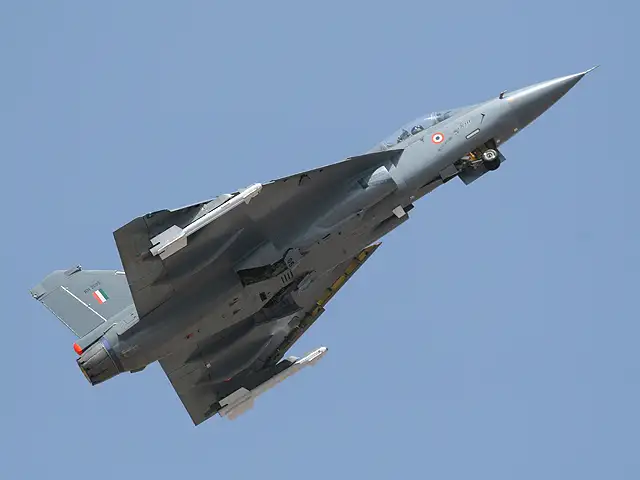
India plans to kick-off its own fifth-generation fighter aircraft (FGFA) development project this year to build on the expertise gained in the long developmental saga of the indigenous Tejas light combat aircraft.
The aim is to fly the first twin-engine AMCA prototype by 2023-2024, which will be around the time deliveries of Tejas Mark-II fighters will be underway.
India plans to kick-off its own fifth-generation fighter aircraft (FGFA) development project this year to build on the expertise gained in the long developmental saga of the indigenous Tejas light combat aircraft.
The aim is to fly the first twin-engine AMCA prototype by 2023-2024, which will be around the time deliveries of Tejas Mark-II fighters will be underway.

ADVERTISEMENT


