China calls for talks among NSG members to admit India, others
Foreign Ministry spokesperson Hua Chunying said, "We quite understand the aspiration of the Indian side of taking part in the NSG."
By PTI | Updated:

BEIJING: China on Monday called for discussions on whether "India and other countries" who have not signed the Non-Proliferation Treaty (NPT) can join the Nuclear Suppliers Group (NSG), amid new diplomatic push by influential members of the 48-member grouping to admit India.
Follow @ETDefence Twitter handle for comprehensive coverage on other buzzing Defence stories
Replying to a question about a media report in Pakistan stating that China has assured that it will push for Islamabad's membership into the group if India is admitted, Foreign Ministry spokesperson Hua Chunying said that whether or not Non-NPT countries be admitted should be subjected to "through discussion" among the NSG members.
"We quite understand the aspiration of the Indian side of taking part in the NSG," she said.
"China's principle is that the NSG is an important part of the non-proliferation regime. This regime is built upon the NPT" following a long time consensus by the international community, she said. China is part of 48-member NSG group.
NSG chairman Rafael Grossi had visited India this month and held talks with top leaders there about India's admission as part of efforts to build consensus to admit New Delhi.
India's case is being pressed by the US and other influential countries based on its record in non-proliferation and the India-US civil nuclear accord.
China's call for talks among NSG members about "India and other Non-NPT" members indicate that Beijing may push for the case of Pakistan, which in the past has been accused of passing of nuclear technology to Iran and other countries.
China has been carrying on with its own civil nuclear technology collaboration with Pakistan, building many nuclear plants including a new 1100 mw plant with USD 6.5 billion assistance in Karachi which drew criticism from NSG members. It earlier assisted Pakistan building 4 nuclear power plants, two with 300 mw capacity and two other with 320 mw capacity.
Besides seeking US and others countries' support, Prime Minister Narendra Modi has urged China to back India's case for admission in the NSG during his visit here in May.
Justifying China's stand, Hua said, "the NPT review conference this year reaffirmed this consensus" about its importance to global non-proliferation of nuclear technology.
"That is the reason why whether a country is a state party to the NPT is prerequisite of joining the NSG."
"We have noted that apart from India, there (are) other countries (who have) expressed the willingness to join the NSG," Hua said, without directly mentioning Pakistan.
"It has raised the question to the international community whether or not the non-NPT country can join the NSG. We have also noted efforts by India and other non-NPT parties in the process of international non-proliferation.
"But the issue concerning whether the non-NPT countries can join the NSG should be subjected to thorough discussion by NSG members in accordance with the relevant rules so as to make a decision on based on consensus through consultation," Hua said.
"I need to stress that China's position is not targeted against specific country. It applies to all the non-NPT countries," she said.
Pressed further whether an assurance has been given to Pakistan in this regard, the spokesperson said, "I would like (to) stress that India and other non-NPT countries expressed their aspiration of joining the NSG."
Follow @ETDefence Twitter handle for comprehensive coverage on other buzzing Defence stories
Replying to a question about a media report in Pakistan stating that China has assured that it will push for Islamabad's membership into the group if India is admitted, Foreign Ministry spokesperson Hua Chunying said that whether or not Non-NPT countries be admitted should be subjected to "through discussion" among the NSG members.
"We quite understand the aspiration of the Indian side of taking part in the NSG," she said.
"China's principle is that the NSG is an important part of the non-proliferation regime. This regime is built upon the NPT" following a long time consensus by the international community, she said. China is part of 48-member NSG group.
NSG chairman Rafael Grossi had visited India this month and held talks with top leaders there about India's admission as part of efforts to build consensus to admit New Delhi.
ADVERTISEMENT
India's case is being pressed by the US and other influential countries based on its record in non-proliferation and the India-US civil nuclear accord.
China's call for talks among NSG members about "India and other Non-NPT" members indicate that Beijing may push for the case of Pakistan, which in the past has been accused of passing of nuclear technology to Iran and other countries.
China has been carrying on with its own civil nuclear technology collaboration with Pakistan, building many nuclear plants including a new 1100 mw plant with USD 6.5 billion assistance in Karachi which drew criticism from NSG members. It earlier assisted Pakistan building 4 nuclear power plants, two with 300 mw capacity and two other with 320 mw capacity.
Besides seeking US and others countries' support, Prime Minister Narendra Modi has urged China to back India's case for admission in the NSG during his visit here in May.
ADVERTISEMENT
Justifying China's stand, Hua said, "the NPT review conference this year reaffirmed this consensus" about its importance to global non-proliferation of nuclear technology.
"That is the reason why whether a country is a state party to the NPT is prerequisite of joining the NSG."
ADVERTISEMENT
"We have noted that apart from India, there (are) other countries (who have) expressed the willingness to join the NSG," Hua said, without directly mentioning Pakistan.
"It has raised the question to the international community whether or not the non-NPT country can join the NSG. We have also noted efforts by India and other non-NPT parties in the process of international non-proliferation.
"But the issue concerning whether the non-NPT countries can join the NSG should be subjected to thorough discussion by NSG members in accordance with the relevant rules so as to make a decision on based on consensus through consultation," Hua said.
"I need to stress that China's position is not targeted against specific country. It applies to all the non-NPT countries," she said.
Pressed further whether an assurance has been given to Pakistan in this regard, the spokesperson said, "I would like (to) stress that India and other non-NPT countries expressed their aspiration of joining the NSG."
"Pakistan has taken steps towards its mainstreaming into the global non-proliferation regime," she had said when asked about Pakistan's aspiration to join NSG.
"We support Pakistan's engagement with the NSG, and hope such efforts could be conducive to the authority and effectiveness of the international non-proliferation regime. We wish to strengthen communication and coordination with Pakistan," she had said on June 4.
Download
The Economic Times Business News App for the Latest News in Business, Sensex, Stock Market Updates & More.
The Economic Times Business News App for the Latest News in Business, Sensex, Stock Market Updates & More.
Download
The Economic Times News App for Quarterly Results, Latest News in ITR, Business, Share Market, Live Sensex News & More.
The Economic Times News App for Quarterly Results, Latest News in ITR, Business, Share Market, Live Sensex News & More.
Related Articles
 Attack on Farooq Abdullah: NSG to undertake security audit of Z-plus category dignitaries2026-03-12T14:25:23Z
- MHA allows enhanced 7-year deputation for central police forces, Assam Rifles personnel joining NSG2026-03-06T11:28:03Z
- From 26/11 hero to Rajasthan's Pablo Escobar: Police arrest ex-NSG commando for running drug racket in 'Operation Gaanjaney'2025-10-03T11:14:36Z
Text: TNN & Agencies
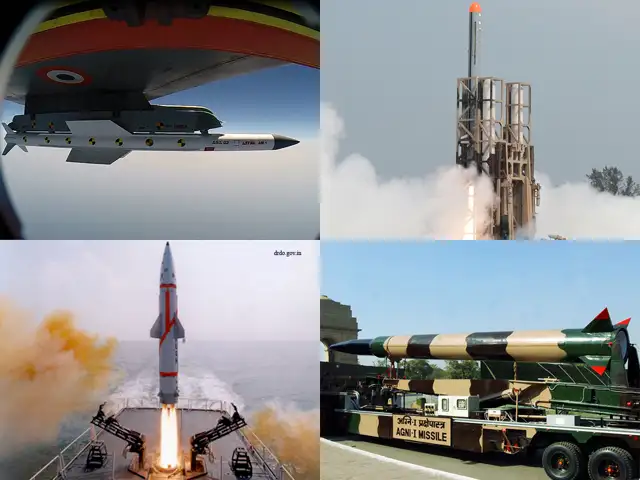
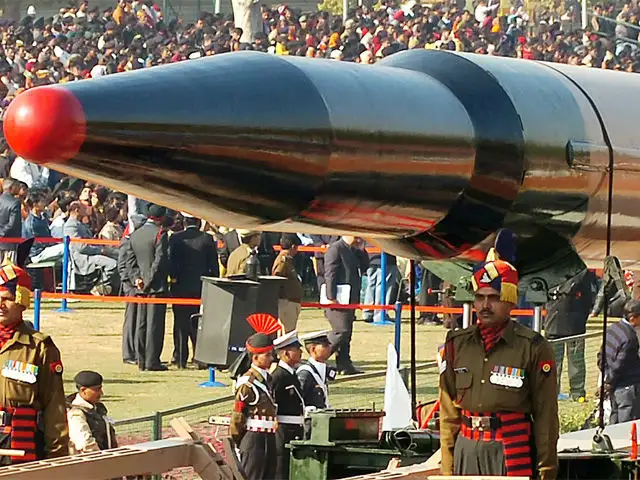
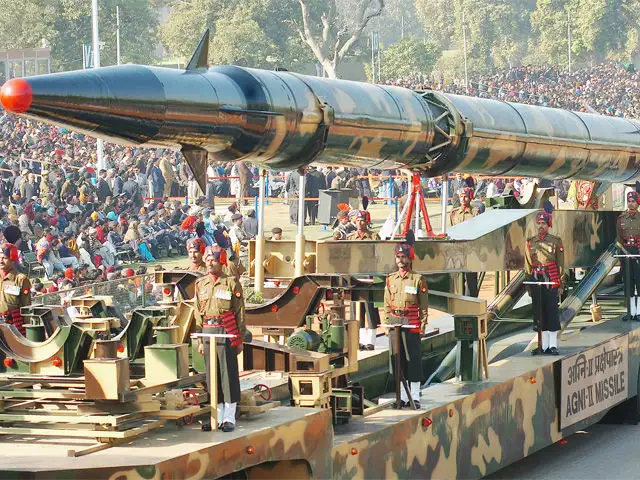
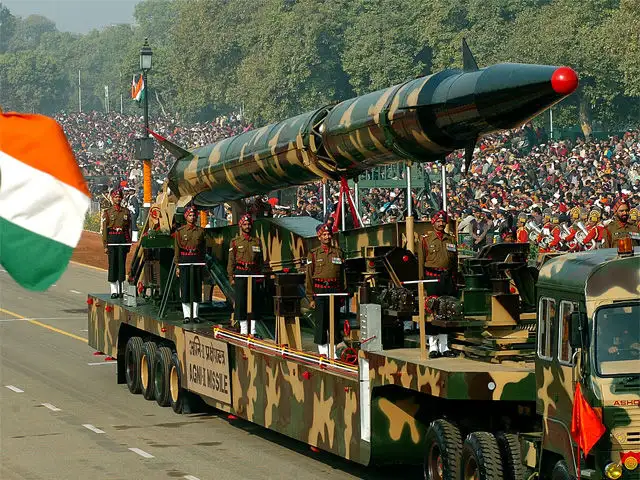
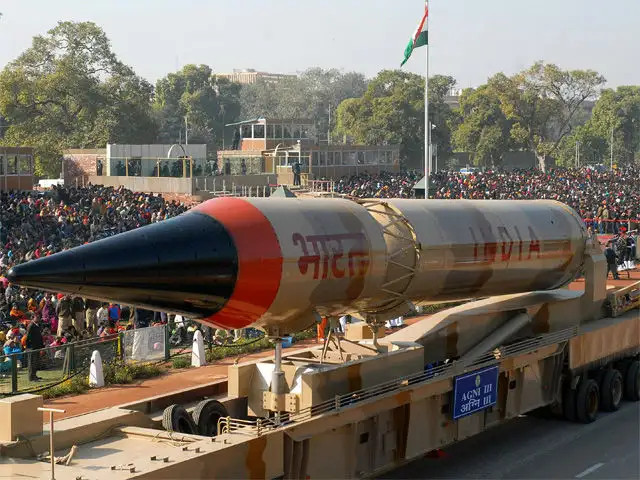
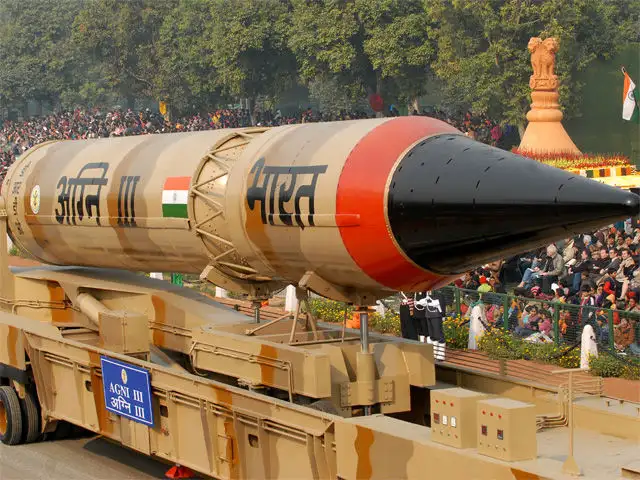
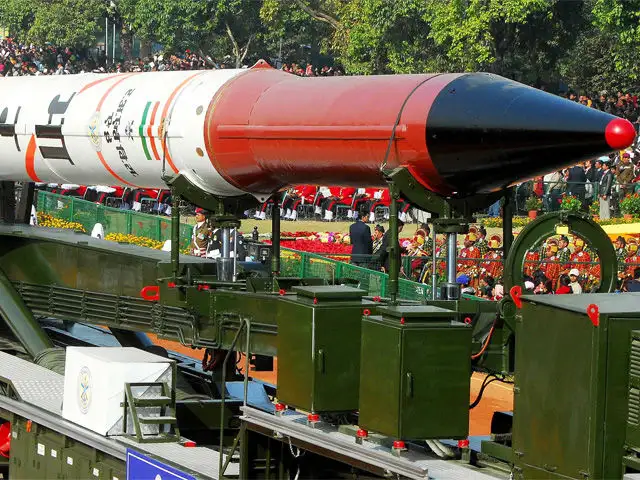
India may have developed surface-to-surface nuclear missiles like the Agni-V, which can strike targets over 5,000-km away, but has struggled to develop a complex BVR (beyond visual range) air combat missile like Astra for over a decade now.
Once the all-weather Astra is ready, India will join a handful of countries like the US, Russia, France and Israel which have developed such sleek missiles capable of detecting, tracking and destroying highly-agile, hostile supersonic fighters packed with “counter-measures” at long ranges.
Indian fighters are currently armed with Russian, French and Israeli BVR missiles, which cost a packet in the absence of a cheaper indigenous alternative.
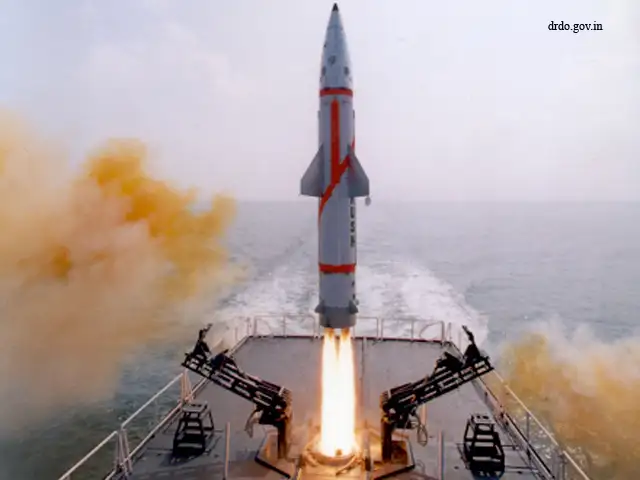
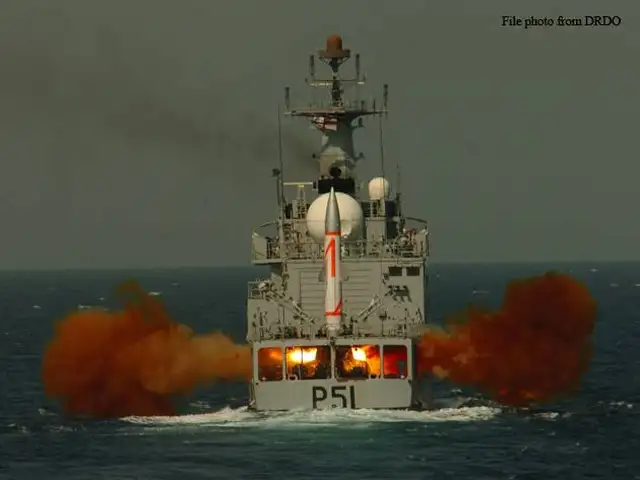
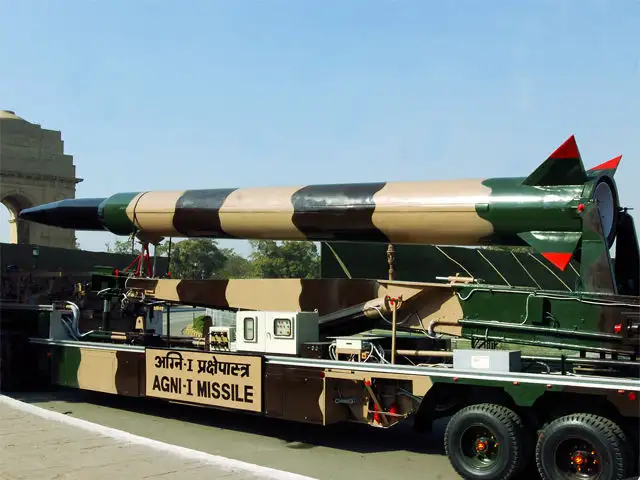
Here we take a look at the status of India’s indigenous missile power...
Image: DRDO
India may have developed surface-to-surface nuclear missiles like the Agni-V, which can strike targets over 5,000-km away, but has struggled to develop a complex BVR (beyond visual range) air combat missile like Astra for over a decade now.
Once the all-weather Astra is ready, India will join a handful of countries like the US, Russia, France and Israel which have developed such sleek missiles capable of detecting, tracking and destroying highly-agile, hostile supersonic fighters packed with “counter-measures” at long ranges.
Indian fighters are currently armed with Russian, French and Israeli BVR missiles, which cost a packet in the absence of a cheaper indigenous alternative.
Here we take a look at the status of India’s indigenous missile power...
Image: DRDO

ADVERTISEMENT


