CAG picks holes in LCA project, says it fails to meet IAF requirements
Not only that, IAF would be "constrained" to induct the fighter LCA without availability of a trainer model, thereby "adversely impacting pilot training."
By PTI | Updated:

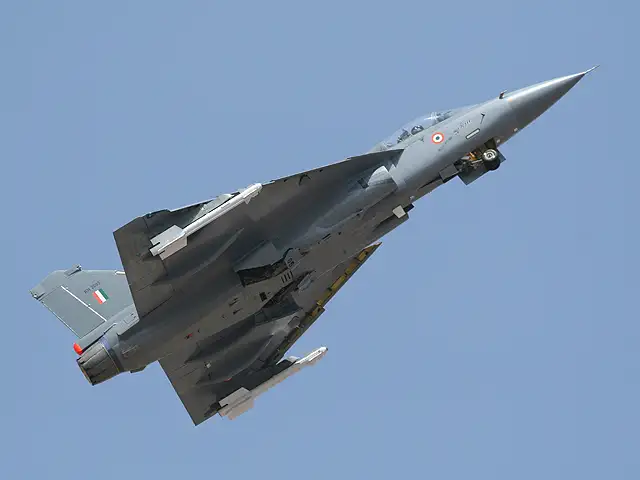
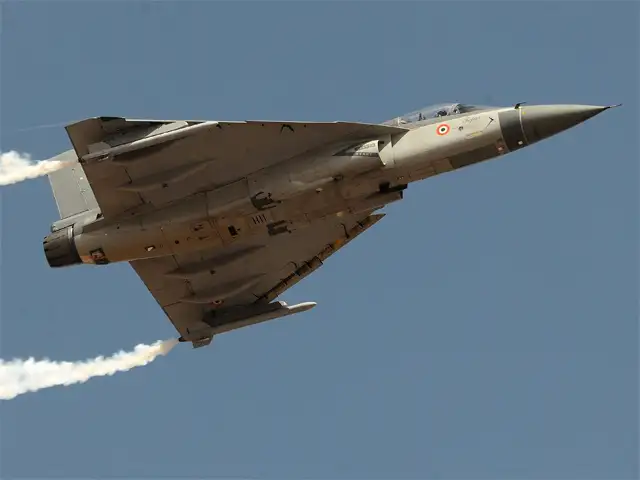
NEW DELHI: India's Tejas Light Combat Aircraft project, in the works for over three decades, came under severe criticism from CAG today as it pointed out that its Mark-I version has 53 "significant shortfalls" which have reduced its operational capabilities as well as survivability.
Not only that, IAF would be "constrained" to induct the fighter LCA without availability of a trainer model, thereby "adversely impacting pilot training", the audit body said in a report tabled in Parliament.
The CAG noted that it was due to the delay in the manufacture and supply of LCA that IAF had to go for alternative temporary measures such as upgrading its MIG BIS, MiG-29, Jaguar, and Mirage aircraft at a cost of Rs 20,037 crore and revise the phasing out of MiG-21s.
"LCA Mark-I, which achieved Initial Operational Clearance (December, 2013) has significant shortfalls (53 permanent waivers/concessions" in meeting ASR (Air Staff Requirements) as a result of which it will have reduced operational capabilities and reduced survivability, thereby limiting its operational employability when inducted into IAF squadrons," the report said.
Listing the shortcomings, the CAG said that the LCA Mark- I fails to meet the electronic warfare capabilities sought by IAF as the Self-Protection Jammer could not be fitted on the aircraft due to space constraints.
Also, it said that the Radar Warning Receiver/Counter Measure Dispensing System fitted on the aircraft had raised performance concerns which are yet to be overcome till January this year.
It added that the shortcomings in the Mark-I (increased weight, reduced internal fuel capacity, non-compliance of fuel system protection, pilot protection from front, reduced speed) are expected to be overcome in the Mark-II model.
"LCA Mark-I does not meet the ASR. The deficiencies are now expected to be met in LCA Mark-II by December 2018," the CAG said.
While DRDO has always showcased LCA, christened Tejas, as an indigenously-developed aircraft and the indigenous content of the LCA was estimated by ADA to be 70 per cent, the CAG said it "actually worked out to about 35 per cent" as of January this year.
Systems such as Kaveri engine, Multi-Mode Radar, Radome, Multi-Functional Display System and Flight Control System Actuators taken up for indigenous development could not be developed successfully, resulting in LCA's continued dependence on the import of these systems, CAG said.
IAF had proposed in the early 1980s that a new aircraft be developed to replace the MiG-21 fleet, manufactured during 1966 and 1987, after its phasing out in the 1990s.
The project for indigenous design and development of LCA was sanctioned in 1983 at a cost of Rs 560 crore, which was enhanced from time to time up to Rs 10,397.11 crore.
The government in June, 1984, constituted an Aeronautical Development Agency (ADA) as a dedicated institution for the management of the LCA project.
Not only that, IAF would be "constrained" to induct the fighter LCA without availability of a trainer model, thereby "adversely impacting pilot training", the audit body said in a report tabled in Parliament.
The CAG noted that it was due to the delay in the manufacture and supply of LCA that IAF had to go for alternative temporary measures such as upgrading its MIG BIS, MiG-29, Jaguar, and Mirage aircraft at a cost of Rs 20,037 crore and revise the phasing out of MiG-21s.
"LCA Mark-I, which achieved Initial Operational Clearance (December, 2013) has significant shortfalls (53 permanent waivers/concessions" in meeting ASR (Air Staff Requirements) as a result of which it will have reduced operational capabilities and reduced survivability, thereby limiting its operational employability when inducted into IAF squadrons," the report said.
Listing the shortcomings, the CAG said that the LCA Mark- I fails to meet the electronic warfare capabilities sought by IAF as the Self-Protection Jammer could not be fitted on the aircraft due to space constraints.
Also, it said that the Radar Warning Receiver/Counter Measure Dispensing System fitted on the aircraft had raised performance concerns which are yet to be overcome till January this year.
ADVERTISEMENT
It added that the shortcomings in the Mark-I (increased weight, reduced internal fuel capacity, non-compliance of fuel system protection, pilot protection from front, reduced speed) are expected to be overcome in the Mark-II model.
"LCA Mark-I does not meet the ASR. The deficiencies are now expected to be met in LCA Mark-II by December 2018," the CAG said.
While DRDO has always showcased LCA, christened Tejas, as an indigenously-developed aircraft and the indigenous content of the LCA was estimated by ADA to be 70 per cent, the CAG said it "actually worked out to about 35 per cent" as of January this year.
Systems such as Kaveri engine, Multi-Mode Radar, Radome, Multi-Functional Display System and Flight Control System Actuators taken up for indigenous development could not be developed successfully, resulting in LCA's continued dependence on the import of these systems, CAG said.
ADVERTISEMENT
IAF had proposed in the early 1980s that a new aircraft be developed to replace the MiG-21 fleet, manufactured during 1966 and 1987, after its phasing out in the 1990s.
The project for indigenous design and development of LCA was sanctioned in 1983 at a cost of Rs 560 crore, which was enhanced from time to time up to Rs 10,397.11 crore.
ADVERTISEMENT
The government in June, 1984, constituted an Aeronautical Development Agency (ADA) as a dedicated institution for the management of the LCA project.
The projected requirement was for 220 Light Combat Aircraft (200 Fighters, 20 trainers) to be inducted by 1994.
However, LCA could only achieve Initial Operational Clearance in December, 2013, as against the earlier scheduled date of December, 2005.
The Full Operational Clearance (FOC), which was scheduled to be completed by December, 2008, is now slated to be achieved by December this year although experts said even that could be delayed.
The CAG said that ADA's decision to advance the building of two prototypes from Full-Scale Engineering Development (FSED) Phase-II to FSED Phase-I so as to utilise its savings on the grounds of accelerating the development process of LCA had failed to yield the desired results.
This, the report said, was because preponed prototypes were deficient in terms of critical onboard systems (Multi- Mode Radar, Self-Protection Jammer, Radar Warning Receiver) and led to ADA using the Limited Series Production (LSP) aircraft (meant for IAF use) towards flight testing/evaluation of these critical on board systems.
ADVERTISEMENT
"This was in contravention of the Cabinet approval (November, 2001) for phased development of the prototypes in FSED Phase-II after Technical Demonstrators had been built and flight tested for 210 hours," CAG said.
Talking about lack of trainer aircraft, the audit body said that IAF was in the interim using an upgraded Full Mission Simulator (FMS) at ADA for pilot training, pending supply of an FMS by HAL at the LCA operating base.
It said that the long gestation period led to a change of weapon systems on LCA, necessitating the acquisition of new ones.
The audit body also had a word of appreciation for the ADA, saying its work centres on the indigenous development of the LCA, "which is comparable to many contemporary aircraft in the world".
ADVERTISEMENT
CAG said that the manufacturing facilities at HAL cater presently to the production of only four aircraft per annum as against the envisaged requirement of eight due to delays in procuring plant and machinery, tools and also construction of production hangars, which would further impact production of LCA and induction into IAF squadrons.
Repair and Overhaul (ROH) facility for LCA, as specified in the ASR, has not been created fully at HAL, the CAG said.
ADVERTISEMENT
Of the 344 Line Replaceable Units of LCA, 90 LRUs were considered non-repairable, it said. Of the remaining 254 LRUs, while ROH facilities in respect of 185 were available, the same was yet to be established for 69 LRUs as of January this year, the report added.
The CAG stressed on the need for more efficient management of planning and execution of aircraft development programmes, closer interaction and coordinated efforts among all the stakeholders involved.
"In view of the complexity of the technology involved, while deviating from the approved plan of development, ADA should consult the user (Air HQ) and obtain prior approval of sanctioning authority/ministry for such deviations so as to minimise waivers and concessions at the time of acceptance by the user (IAF)," it said.
The agencies -- DRDO, ADA and HAL -- should undertake the projects strictly in conformity with the specifications projected by IAF, who should be involved right from the planning stage so as to ensure timely achievement of their requirements.
Indigenisation efforts should be made in coordination with all the agencies involved by having a well-defined indigenisation plan and a clear roadmap for developing a quality product as per the requirement so as to avoid import substitution, it said.
"MoD should award contract to production agency at an appropriate stage of development of a system/equipment in order to avoid the necessity of extending delivery schedule due to a delay in the development of the system, apart from the resultant blocking of funds/inventory and to overcome obsolescence of the components procured by the production agency," the CAG said.
Download
The Economic Times Business News App for the Latest News in Business, Sensex, Stock Market Updates & More.
The Economic Times Business News App for the Latest News in Business, Sensex, Stock Market Updates & More.
Download
The Economic Times News App for Quarterly Results, Latest News in ITR, Business, Share Market, Live Sensex News & More.
The Economic Times News App for Quarterly Results, Latest News in ITR, Business, Share Market, Live Sensex News & More.
Related Articles
 CAG asks states to disclose off-budget borrowings in A/Cs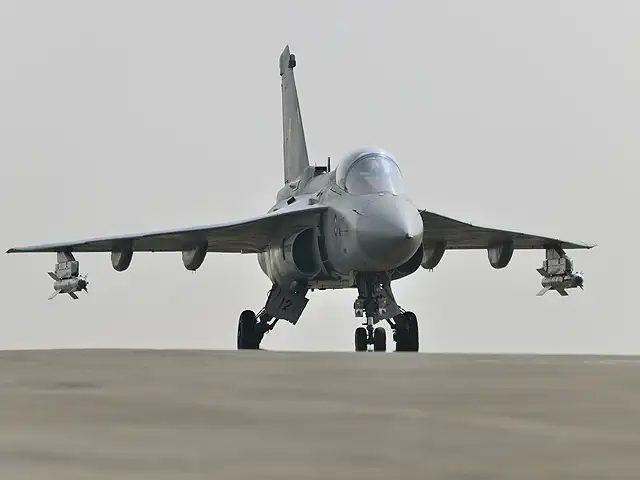
Economictimes.com; Smriti Jain & Tarun Bhardwaj
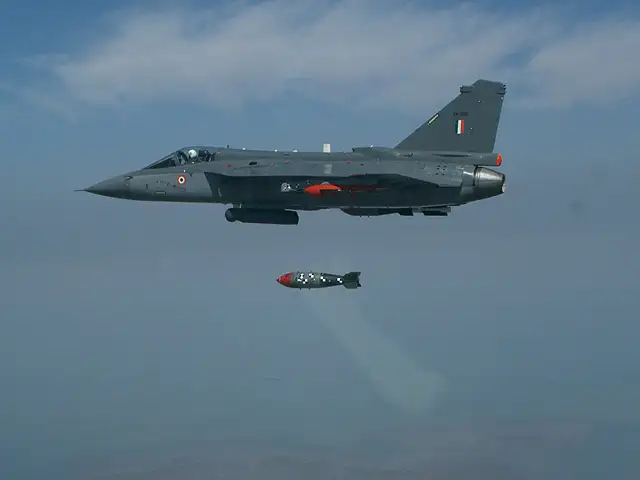
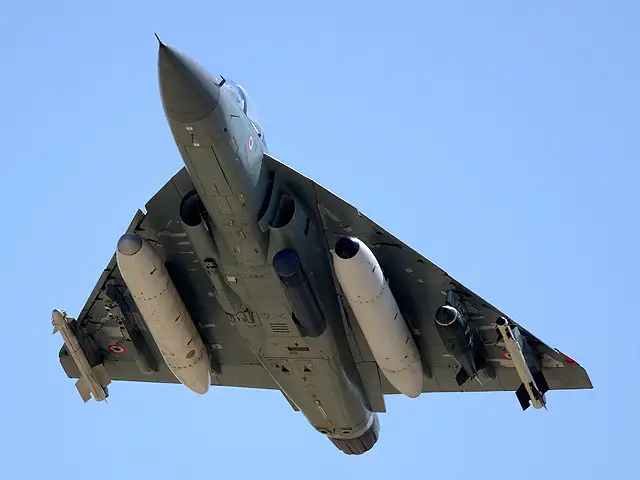
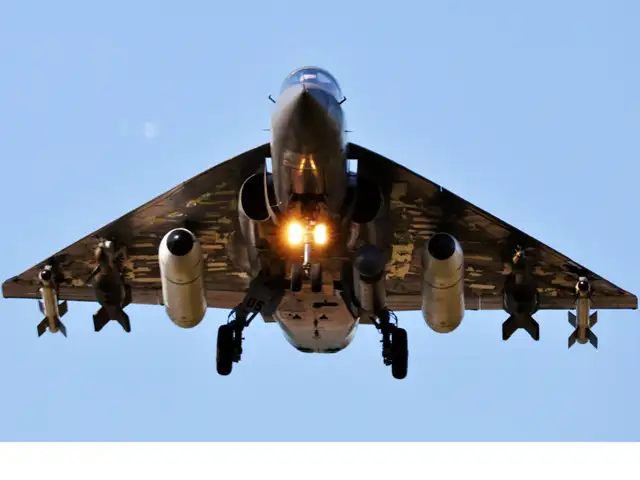
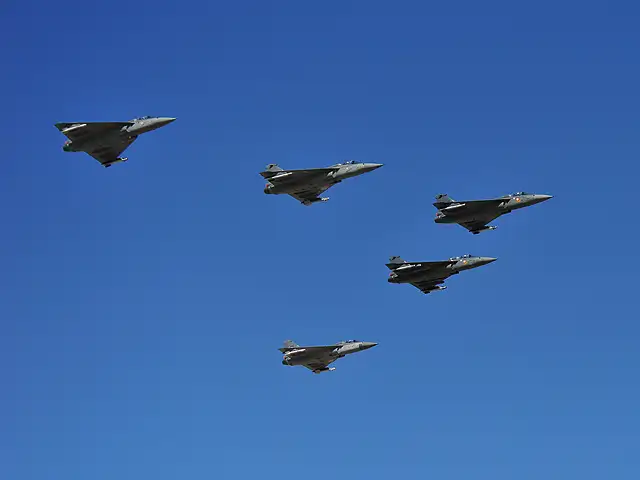
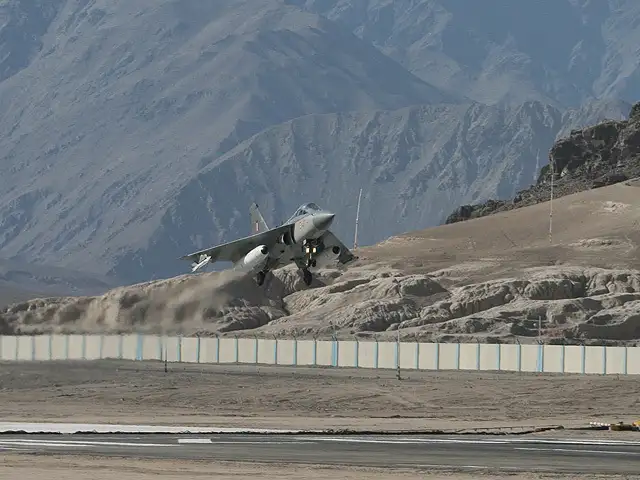
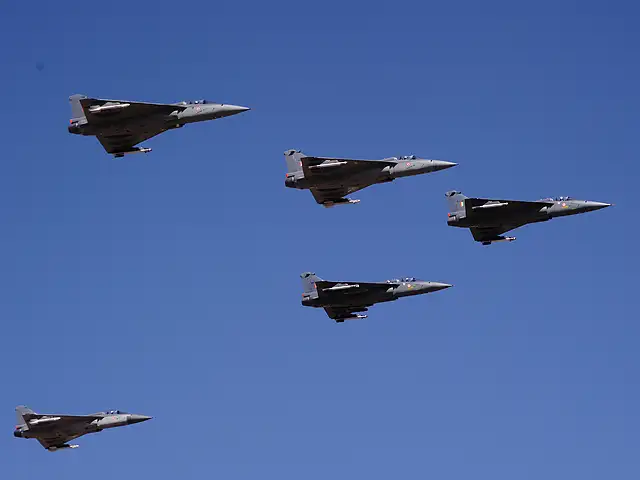
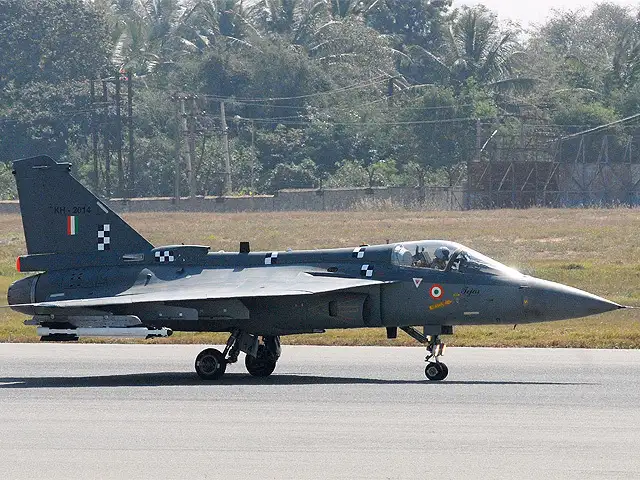
Tejas, India's first indigenous Light Combat Aircraft (LCA), which is all set to replace the MiG-21 series, is a result of several years of design and development work from the DRDO.
What's special about India's own LCA? How does it rate on the global scale? We take a look at some lesser-known salient facts about the Tejas that set it apart from those in its league....Also watch Tejas in action towards the end of the slideshow:
Tejas, India's first indigenous Light Combat Aircraft (LCA), which is all set to replace the MiG-21 series, is a result of several years of design and development work from the DRDO.
What's special about India's own LCA? How does it rate on the global scale? We take a look at some lesser-known salient facts about the Tejas that set it apart from those in its league....Also watch Tejas in action towards the end of the slideshow:

ADVERTISEMENT


