Boost to Make in India: Modi govt awards 56 defence licences to private cos like Mahindra, Tata & Pipavav
The expedited clearances are part of a series of measures taken by the government over the past year to open up the defence sector.
By Manu Pubby, ET Bureau | Updated:

NEW DELHI: The Narendra Modi government has awarded a record 56 defence manufacturing permits to private sector entities in the past year, which is more than the 47 licences its predecessor UPA granted in the preceding three years combined and underlines its determination to have indigenous defence production as a cornerstone of its ‘Make in India’ drive.
Data released by the Department of Industrial Policy and Promotion (DIPP) shows that a slew of applications, some of which had been pending for more than four years, have been cleared since the BJP government came to power, in what is a major endorsement by it of the Indian private sector’s ability to operate in an arena that has until now been the preserve of foreign vendors and state-run entities. The permits are the first step in the process to enable firms such as Mahindra, Tata and Pipavav to set up production units for major military equipment.
 The Tatas will now be able to upgrade major fighting units like the T 90 and T 72 tanks of the Indian Army, while Mahindra, which has been steadily expanding its defence business in the past year, has been given permits in a number of areas, including manufacturing naval systems like torpedoes, sea mines and boats.
Subsidiary companies like Mahindra Telephonics Integrated Systems and Tech Mahindra Ltd too have got defence permits.
The permits are not only for the big boys of Indian industry, many of whom have existing defence arms and will be able to diversify their portfolios.. A slew of new small firms are poised to enter the sector based on these clearances. Bullet Proof equipment manufacturer MKU for example will now be able to manufacture night vision devices.
Bangalore-based Dynamatic Technologies has been granted a permit to manufacture Unmanned Aerial Vehicles.Pipavav Defence and Offshore Engineering Company (PDOC), which is now being acquired by the Anil Ambani-run Reliance, has got four permits to manufacture items ranging from medium tanks and howitzers to missiles, sensors and torpedoes. Experts said the government had done its bit and it was now up to the corporate sector to run with the baton.
“It is now up to the private sector to leverage these enhanced flexibilities and deliver on the ground,” said Ankur Gupta of Ernst & Young India.
The expedited clearances are part of a series of measures taken by the government over the past year to open up the defence sector.
Since taking charge in May last year, the government has increased the foreign investment limit for the defence sector to 49% and even up to 100% in select cases.
It has already made the process for application online and the validity of the Industrial license has been enhanced to seven years. For smaller items like components, speedy DIPP clearances are already being given.
A new defence procurement policy is expected over the next few weeks that will further clarify complex matters such as the offset policy, blacklisting process as well as a specific route for the Make in India process.
Data released by the Department of Industrial Policy and Promotion (DIPP) shows that a slew of applications, some of which had been pending for more than four years, have been cleared since the BJP government came to power, in what is a major endorsement by it of the Indian private sector’s ability to operate in an arena that has until now been the preserve of foreign vendors and state-run entities. The permits are the first step in the process to enable firms such as Mahindra, Tata and Pipavav to set up production units for major military equipment.
The Tatas will now be able to upgrade major fighting units like the T 90 and T 72 tanks of the Indian Army, while Mahindra, which has been steadily expanding its defence business in the past year, has been given permits in a number of areas, including manufacturing naval systems like torpedoes, sea mines and boats.Subsidiary companies like Mahindra Telephonics Integrated Systems and Tech Mahindra Ltd too have got defence permits.
The permits are not only for the big boys of Indian industry, many of whom have existing defence arms and will be able to diversify their portfolios.. A slew of new small firms are poised to enter the sector based on these clearances. Bullet Proof equipment manufacturer MKU for example will now be able to manufacture night vision devices.
Bangalore-based Dynamatic Technologies has been granted a permit to manufacture Unmanned Aerial Vehicles.Pipavav Defence and Offshore Engineering Company (PDOC), which is now being acquired by the Anil Ambani-run Reliance, has got four permits to manufacture items ranging from medium tanks and howitzers to missiles, sensors and torpedoes. Experts said the government had done its bit and it was now up to the corporate sector to run with the baton.
ADVERTISEMENT
“It is now up to the private sector to leverage these enhanced flexibilities and deliver on the ground,” said Ankur Gupta of Ernst & Young India.
The expedited clearances are part of a series of measures taken by the government over the past year to open up the defence sector.
Since taking charge in May last year, the government has increased the foreign investment limit for the defence sector to 49% and even up to 100% in select cases.
It has already made the process for application online and the validity of the Industrial license has been enhanced to seven years. For smaller items like components, speedy DIPP clearances are already being given.
ADVERTISEMENT
A new defence procurement policy is expected over the next few weeks that will further clarify complex matters such as the offset policy, blacklisting process as well as a specific route for the Make in India process.
Download
The Economic Times Business News App for the Latest News in Business, Sensex, Stock Market Updates & More.
The Economic Times Business News App for the Latest News in Business, Sensex, Stock Market Updates & More.
Download
The Economic Times News App for Quarterly Results, Latest News in ITR, Business, Share Market, Live Sensex News & More.
The Economic Times News App for Quarterly Results, Latest News in ITR, Business, Share Market, Live Sensex News & More.
Related Articles
 India, Seychelles unveil 19 outcomes spanning defence, digital payments, space, health2026-06-28T10:23:50Z
- Jannik Sinner begins Wimbledon defence, Aryna Sabalenka seeks first major title of 20262026-06-28T09:52:56Z
- Mann ki Baat: PM Modi highlights India's significant strides in defence, security and self-reliance2026-06-28T06:13:13Z
Economictimes.com & Agencies
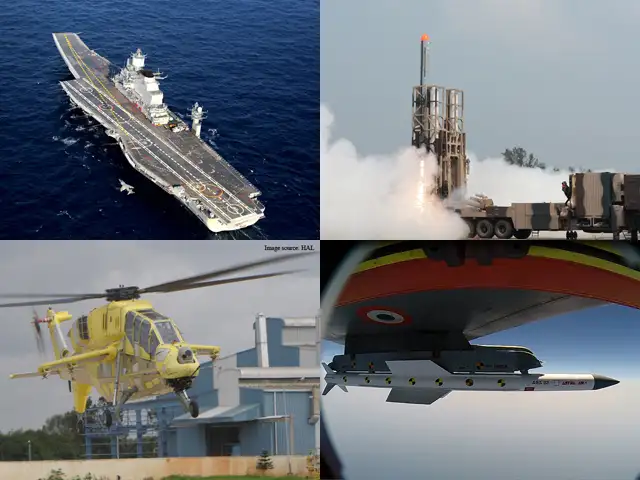
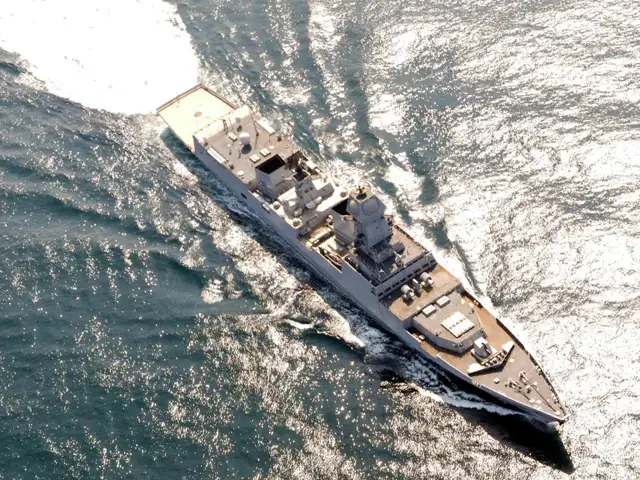
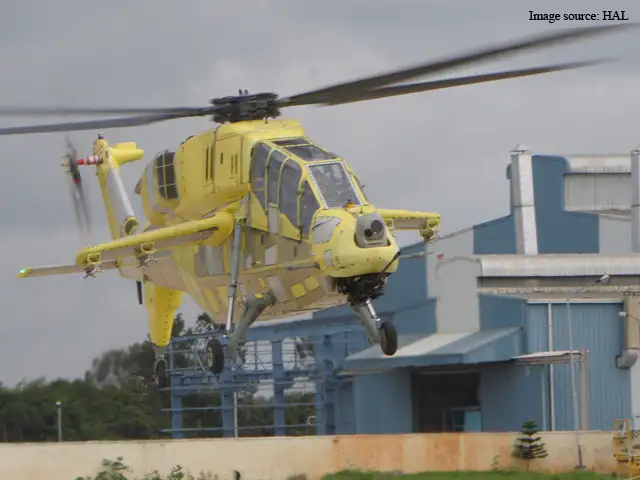
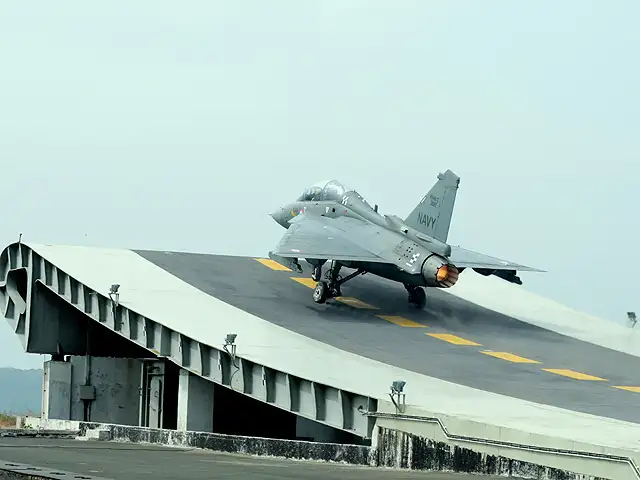
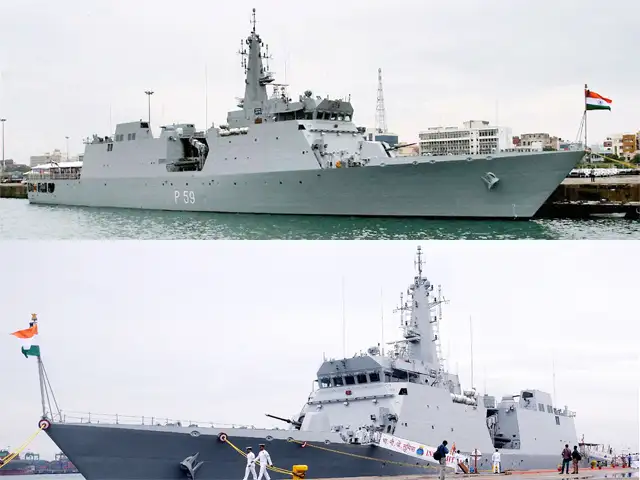
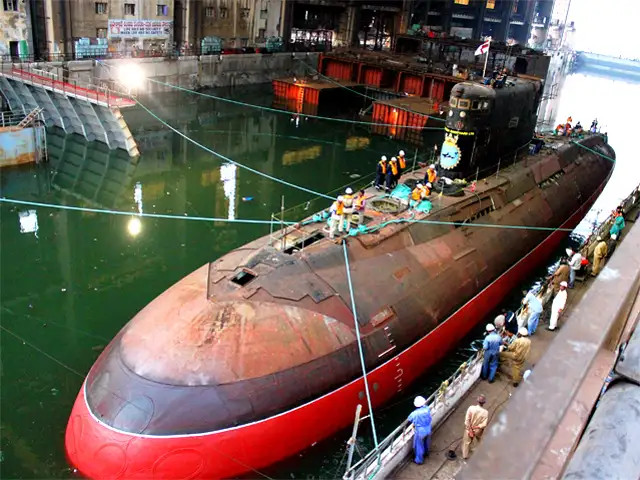
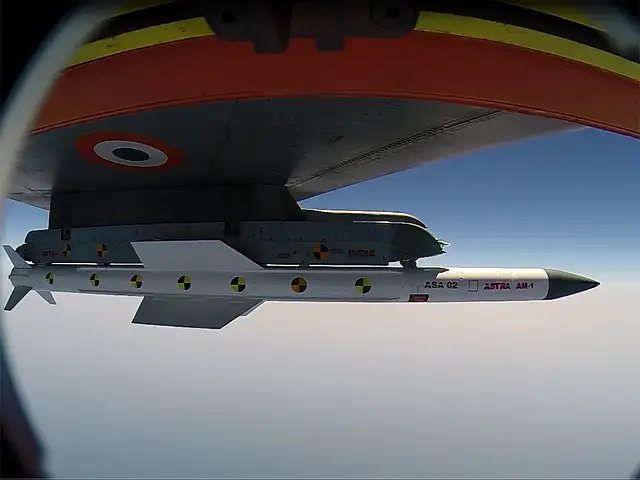
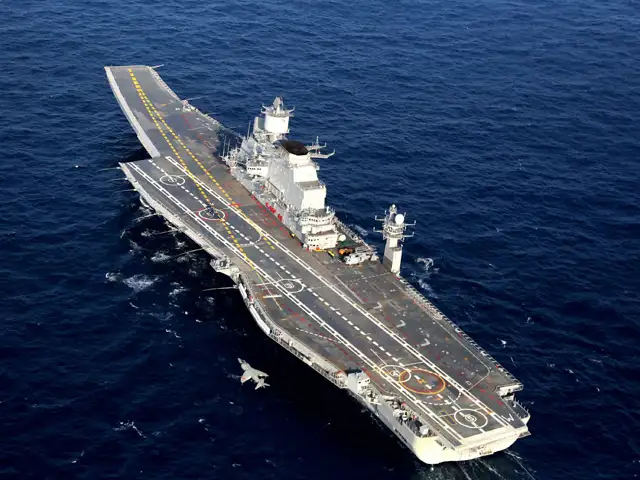
The need to have robust defence capabilities in today's day and age cannot be overstated. India has been aggressively pushing to enhance its ability to deter attacks and up its defence prowess.
2014 saw multiple steps being taken in that direction and India saw many new additions to its defence fleet. We take a look at eight achievements that deserve a special mention:
The need to have robust defence capabilities in today's day and age cannot be overstated. India has been aggressively pushing to enhance its ability to deter attacks and up its defence prowess.
2014 saw multiple steps being taken in that direction and India saw many new additions to its defence fleet. We take a look at eight achievements that deserve a special mention:

ADVERTISEMENT


