Boost for Indian Navy's firepower: INS Kadmatt, anti-submarine warfare corvette, commissioned
INS Kadmatt has been indigenously designed by Indian Navy's in-house organisation, Directorate of Naval Design and constructed by Garden Reach Shipbuilders and Engineers Limited, Kolkata.
By ET Online | Updated:

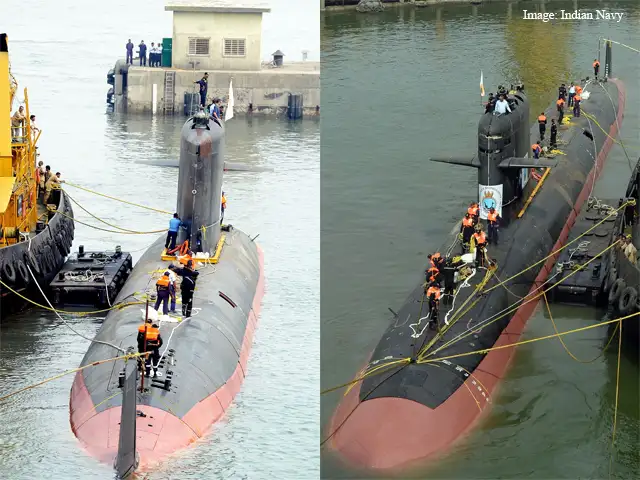
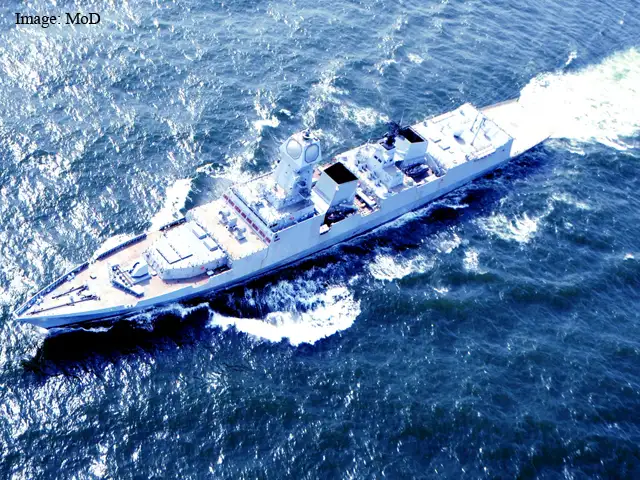
NEW DELHI: Adding to Indian Navy's firepower, INS Kadmatt, the second ship of Project 28 (P28) class anti-submarine warfare (ASW) corvettes, was commissioned on Thursday. With the changing power dynamics in the Indian Ocean Region, INS Kadmatt will augment the mobility, reach and flexibility of Indian Navy.
"Regarded as a very prestigious acquisition, INS Kadmatt is one of the most potent warships to have been constructed in India," said a Ministry of Defence press release. "The ships of P28 class have been constructed using high grade steel (DMR 249A) produced in India. With a displacement of 3300 tonnes, the sleek and magnificent ship spans 109 meters in length and 13.7 meters at the beam and is propelled by four diesel engines to achieve speeds in excess of 25 knots with an endurance of 3450 Nm. Some of the advanced stealth features have been incorporated in this ship," the release said.
Follow @ETDefence Twitter handle for comprehensive coverage on other buzzing Defence stories
INS Kadmatt has been indigenously designed by Indian Navy's in-house organisation, Directorate of Naval Design and constructed by Garden Reach Shipbuilders and Engineers Limited, Kolkata.
It has a multitude of networks such as Total Atmospheric Control System (TACS), Integrated Platform Management System (IPMS), Integrated Bridge System (IBS), Battle Damage Control System (BDCS) and Personnel Locator System (PLS) to provide a contemporary and process oriented System of Systems for optimal functioning of the warship.
INS Kadmatt is named after one of the large islands amongst the Lakshadweep group of islands off the west coast of India. Admiral RK Dhowan, Chief of the Naval Staff said that "Commissioning of INS Kadmatt marks yet another milestone in our journey towards self-reliance and Make-in-India". "The commissioning of INS Kadmatt signifies the importance of our island territories as our maritime interests," said Admiral Dhowan.
"The unique feature of this ship is the high level of indigenisation incorporated in the production, accentuating our national objective of ' Make in India'. About 90% of the ship is indigenous and the ship is equipped to fight in Nuclear, Biological and Chemical (NBC) warfare conditions. INS Kadmatt has many firsts to its credit which include the rail-less helo traversing system and foldable hangar door for the integral ASW helicopter," the release elaborated.
"The ship's weapons and sensors suite is predominantly indigenous and showcases the nation's growing capability in this niche area. Some of the major equipment/ systems developed indigenously include Combat Management System, Rocket Launcher, Torpedo Tube Launchers and Infra-Red Signature Suppression System. The ship's crew comfort has been a significant feature in the design of INS Kadmatt and has been ensured through ergonomically designed accommodation and galley compartments using modular concept. The ship is commanded by Commander Mahesh Chandra Moudgil and would be an integral part of the Eastern Fleet under the Eastern Naval Command," it added.
"Regarded as a very prestigious acquisition, INS Kadmatt is one of the most potent warships to have been constructed in India," said a Ministry of Defence press release. "The ships of P28 class have been constructed using high grade steel (DMR 249A) produced in India. With a displacement of 3300 tonnes, the sleek and magnificent ship spans 109 meters in length and 13.7 meters at the beam and is propelled by four diesel engines to achieve speeds in excess of 25 knots with an endurance of 3450 Nm. Some of the advanced stealth features have been incorporated in this ship," the release said.
Follow @ETDefence Twitter handle for comprehensive coverage on other buzzing Defence stories
INS Kadmatt has been indigenously designed by Indian Navy's in-house organisation, Directorate of Naval Design and constructed by Garden Reach Shipbuilders and Engineers Limited, Kolkata.
It has a multitude of networks such as Total Atmospheric Control System (TACS), Integrated Platform Management System (IPMS), Integrated Bridge System (IBS), Battle Damage Control System (BDCS) and Personnel Locator System (PLS) to provide a contemporary and process oriented System of Systems for optimal functioning of the warship.
INS Kadmatt is named after one of the large islands amongst the Lakshadweep group of islands off the west coast of India. Admiral RK Dhowan, Chief of the Naval Staff said that "Commissioning of INS Kadmatt marks yet another milestone in our journey towards self-reliance and Make-in-India". "The commissioning of INS Kadmatt signifies the importance of our island territories as our maritime interests," said Admiral Dhowan.
ADVERTISEMENT
"The unique feature of this ship is the high level of indigenisation incorporated in the production, accentuating our national objective of ' Make in India'. About 90% of the ship is indigenous and the ship is equipped to fight in Nuclear, Biological and Chemical (NBC) warfare conditions. INS Kadmatt has many firsts to its credit which include the rail-less helo traversing system and foldable hangar door for the integral ASW helicopter," the release elaborated.
"The ship's weapons and sensors suite is predominantly indigenous and showcases the nation's growing capability in this niche area. Some of the major equipment/ systems developed indigenously include Combat Management System, Rocket Launcher, Torpedo Tube Launchers and Infra-Red Signature Suppression System. The ship's crew comfort has been a significant feature in the design of INS Kadmatt and has been ensured through ergonomically designed accommodation and galley compartments using modular concept. The ship is commanded by Commander Mahesh Chandra Moudgil and would be an integral part of the Eastern Fleet under the Eastern Naval Command," it added.
Download
The Economic Times Business News App for the Latest News in Business, Sensex, Stock Market Updates & More.
The Economic Times Business News App for the Latest News in Business, Sensex, Stock Market Updates & More.
Download
The Economic Times News App for Quarterly Results, Latest News in ITR, Business, Share Market, Live Sensex News & More.
The Economic Times News App for Quarterly Results, Latest News in ITR, Business, Share Market, Live Sensex News & More.
Related Articles
 GRSE delivers 4th anti-submarine warfare corvette to Navy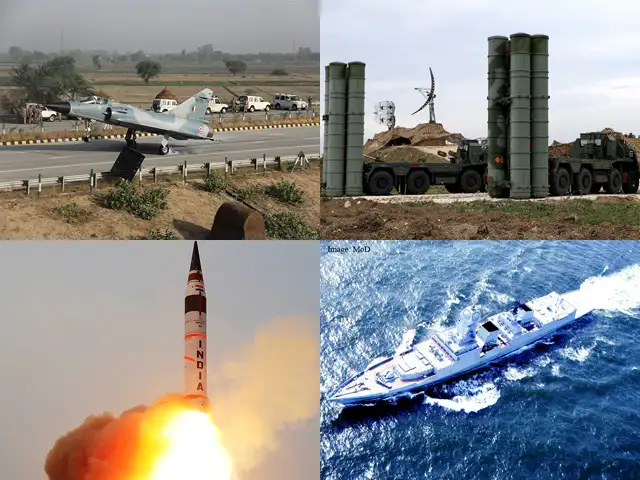
Economictimes.com
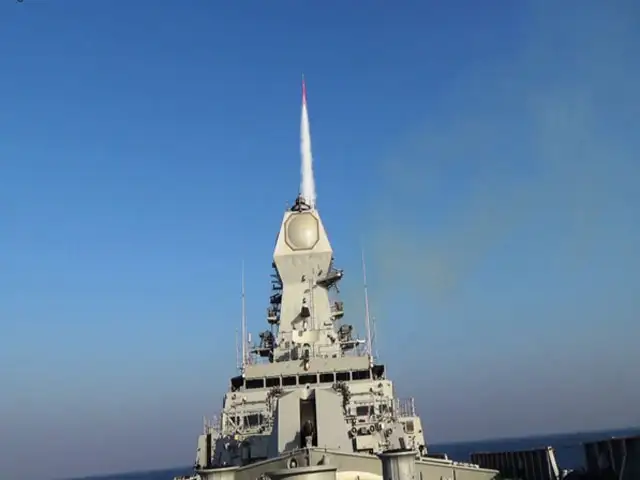
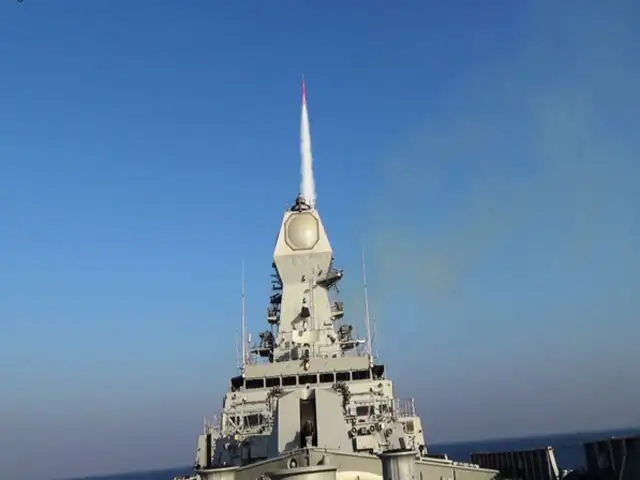
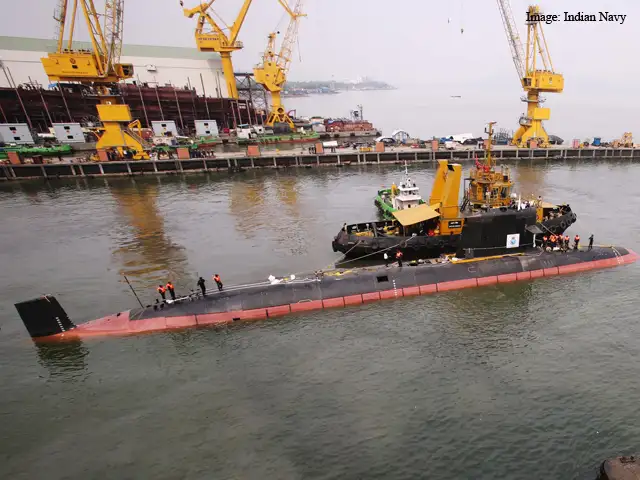
With a lot of emphasis being laid on indigenisation and 'Make in India', India's defence preparedness got a series of boosts during 2015. Indian Navy saw many achievements in this regard, with many lethal weapons achieving various stages of success. Adding to this, the government is determined to up India's power to deter attacks and several deals were signed and many others are in the pipeline.
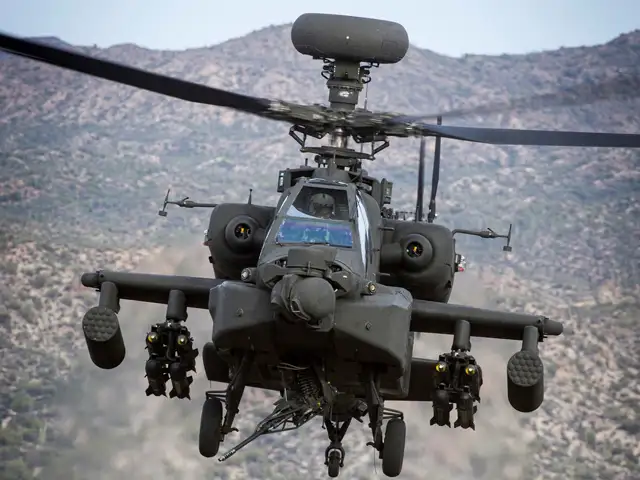
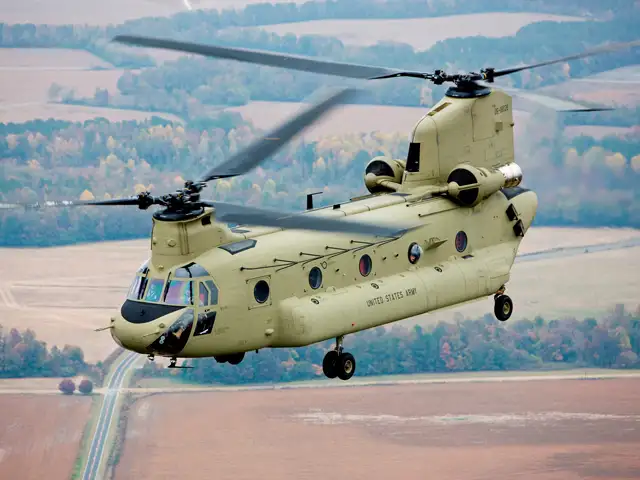
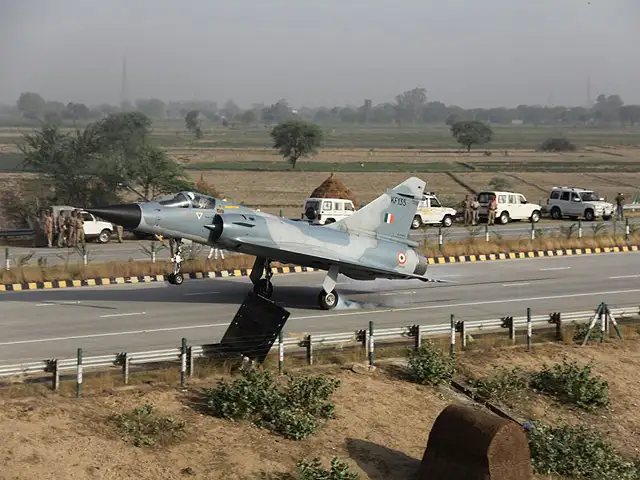
From the launching and undocking of many warships to a chopper fleet and Rafale boost for IAF, we look at fifteen developments in India's defence space that had everyone excited:
With a lot of emphasis being laid on indigenisation and 'Make in India', India's defence preparedness got a series of boosts during 2015. Indian Navy saw many achievements in this regard, with many lethal weapons achieving various stages of success. Adding to this, the government is determined to up India's power to deter attacks and several deals were signed and many others are in the pipeline.
From the launching and undocking of many warships to a chopper fleet and Rafale boost for IAF, we look at fifteen developments in India's defence space that had everyone excited:


ADVERTISEMENT


