Ballistic missile Agni-IV test-fired as part of user trial
"The mission met all objectives as monitored and confirmed by the telemetry, Electro-optical stations, Radar stations along the coast," the spokesperson said.
By PTI | Updated:

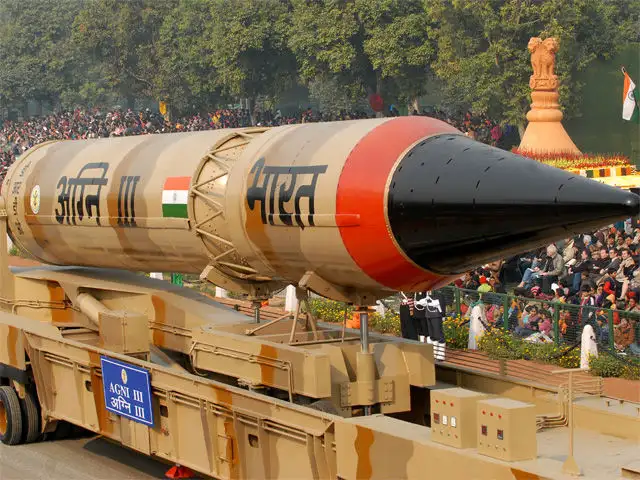
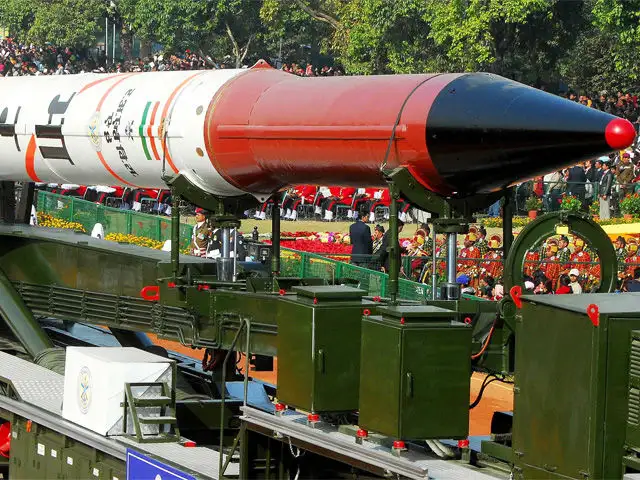
BALASORE: India today successfully test-fired its nuclear-capable long range strategic ballistic missile Agni-IV with a strike range of 4,000 km from a test complex off Odisha coast.
"Long range ballistic missile Agni-IV was successfully flight tested at 9.45 am from Dr A P J Abdul Kalam (Wheeler) Island launch complex," said Defence Ministry spokesperson Sitanshu Kar.
Follow @ETDefence Twitter handle for comprehensive coverage on other buzzing Defence stories
Agni-I, II and III and Prithvi missiles are already in the arsenal of the armed forces, giving them reach of over 3000 km, providing the country with an effective deterrence capability.
"The mission met all objectives as monitored and confirmed by the telemetry, Electro-optical stations, Radar stations along the coast," the spokesperson said.
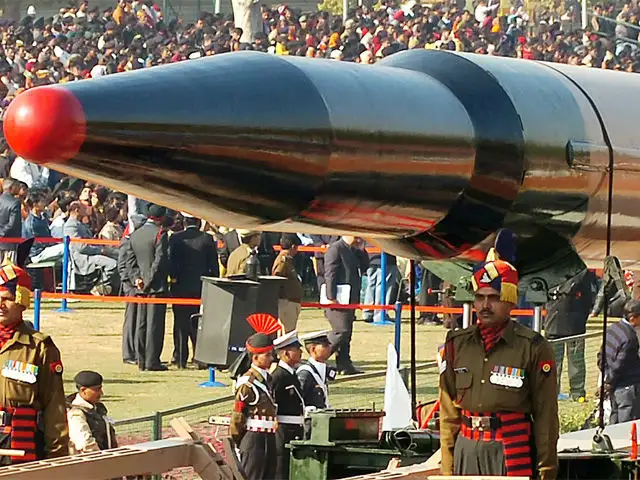
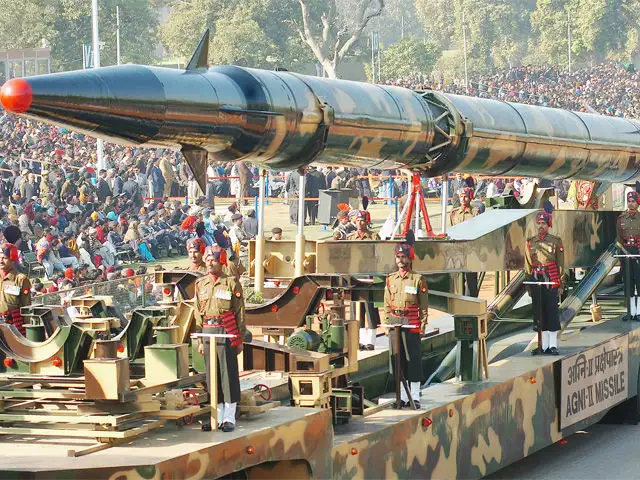
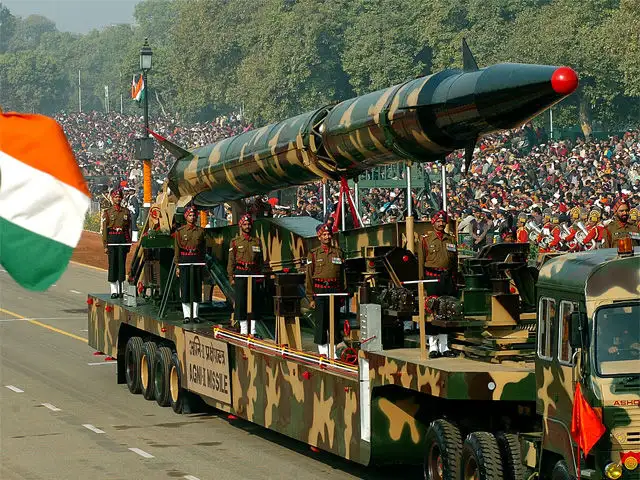
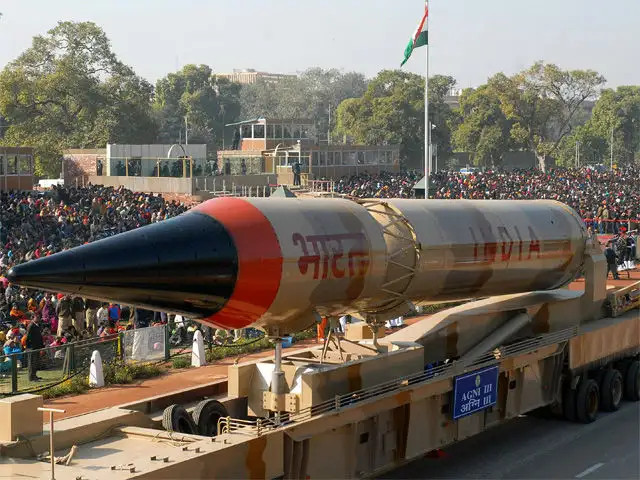
The surface to surface Agni-IV missile having 4000 km strike range is a two stage missile. It is 20 meter long and weighs 17 tonnes.
Down range ships positioned at the target point monitored the terminal event, the spokesperson said on Twitter adding Project Director Tessy Thomas led today's lunch operations.
This was the fifth trial of Agni-IV missile. The last flight test, also conducted by the strategic force command (SFC) of the Indian Army as part of user trial on December 2, 2014 was successful, defence sources said.
Agni-IV missile is equipped with state-of-the-art Avionics, 5th generation On Board Computer and distributed architecture. It has the latest features to correct and guide itself for in-flight disturbances.
The re-entry heat shield can withstand temperatures in the range of 4000 degree centigrade and makes sure the avionics function normally with inside temperature remaining less than 50 degree centigrade, they said.
"Long range ballistic missile Agni-IV was successfully flight tested at 9.45 am from Dr A P J Abdul Kalam (Wheeler) Island launch complex," said Defence Ministry spokesperson Sitanshu Kar.
Follow @ETDefence Twitter handle for comprehensive coverage on other buzzing Defence stories
Agni-I, II and III and Prithvi missiles are already in the arsenal of the armed forces, giving them reach of over 3000 km, providing the country with an effective deterrence capability.
"The mission met all objectives as monitored and confirmed by the telemetry, Electro-optical stations, Radar stations along the coast," the spokesperson said.
The surface to surface Agni-IV missile having 4000 km strike range is a two stage missile. It is 20 meter long and weighs 17 tonnes.
ADVERTISEMENT
"The sophisticated surface-to-surface missile is equipped with modern and compact avionics to provide high level of reliability," DRDO officials said. Down range ships positioned at the target point monitored the terminal event, the spokesperson said on Twitter adding Project Director Tessy Thomas led today's lunch operations.
This was the fifth trial of Agni-IV missile. The last flight test, also conducted by the strategic force command (SFC) of the Indian Army as part of user trial on December 2, 2014 was successful, defence sources said.
Agni-IV missile is equipped with state-of-the-art Avionics, 5th generation On Board Computer and distributed architecture. It has the latest features to correct and guide itself for in-flight disturbances.
ADVERTISEMENT
The most accurate Ring Laser Gyro based Inertial Navigation System (RINS) and supported by highly reliable redundant Micro Navigation System (MINGS), ensures the vehicle reach the target within two digit accuracy, they said. The re-entry heat shield can withstand temperatures in the range of 4000 degree centigrade and makes sure the avionics function normally with inside temperature remaining less than 50 degree centigrade, they said.
Download
The Economic Times Business News App for the Latest News in Business, Sensex, Stock Market Updates & More.
The Economic Times Business News App for the Latest News in Business, Sensex, Stock Market Updates & More.
Download
The Economic Times News App for Quarterly Results, Latest News in ITR, Business, Share Market, Live Sensex News & More.
The Economic Times News App for Quarterly Results, Latest News in ITR, Business, Share Market, Live Sensex News & More.
Related Articles
 Nuclear-capable Agni-IV missile successfully test-fired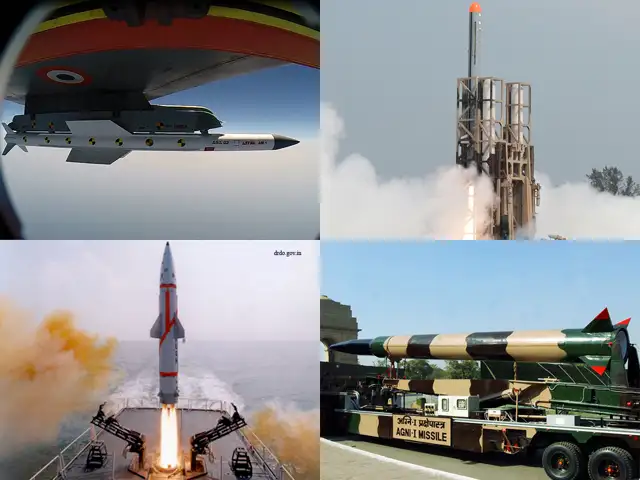
Text: TNN & Agencies
India may have developed surface-to-surface nuclear missiles like the Agni-V, which can strike targets over 5,000-km away, but has struggled to develop a complex BVR (beyond visual range) air combat missile like Astra for over a decade now.
Once the all-weather Astra is ready, India will join a handful of countries like the US, Russia, France and Israel which have developed such sleek missiles capable of detecting, tracking and destroying highly-agile, hostile supersonic fighters packed with “counter-measures” at long ranges.
Indian fighters are currently armed with Russian, French and Israeli BVR missiles, which cost a packet in the absence of a cheaper indigenous alternative.
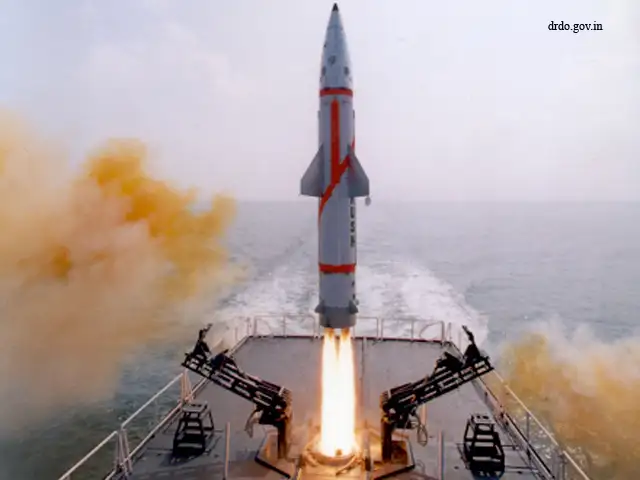
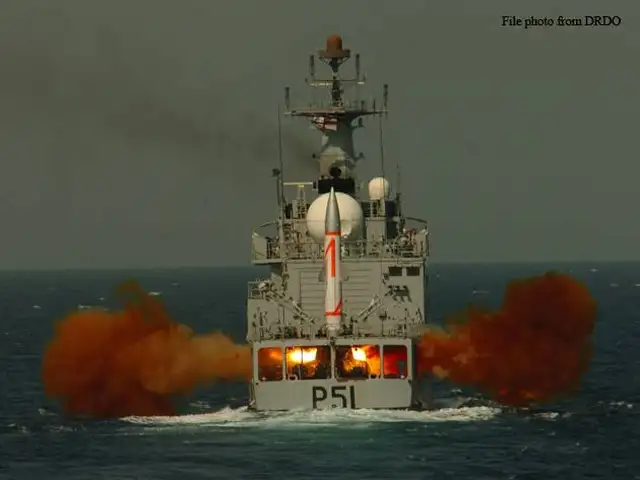
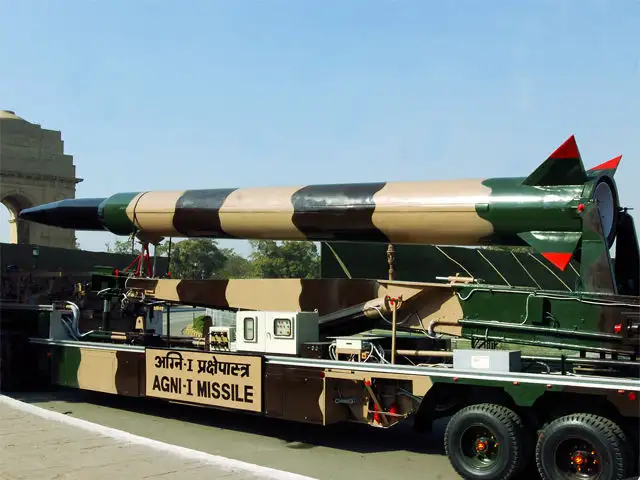
Here we take a look at the status of India’s indigenous missile power...
Image: DRDO
India may have developed surface-to-surface nuclear missiles like the Agni-V, which can strike targets over 5,000-km away, but has struggled to develop a complex BVR (beyond visual range) air combat missile like Astra for over a decade now.
Once the all-weather Astra is ready, India will join a handful of countries like the US, Russia, France and Israel which have developed such sleek missiles capable of detecting, tracking and destroying highly-agile, hostile supersonic fighters packed with “counter-measures” at long ranges.
Indian fighters are currently armed with Russian, French and Israeli BVR missiles, which cost a packet in the absence of a cheaper indigenous alternative.
Here we take a look at the status of India’s indigenous missile power...
Image: DRDO

ADVERTISEMENT


