Australia opposes 'militarisation' in South China Sea, says India's role 'critical'
"Australia views India as a key strategic partner - and there is scope for us to cooperate further on broader global issues," he said.
By PTI | Updated:

NEW DELHI: In a veiled attack on China, Australian Defence Minister Kevin Andrews today strongly opposed the use of "intimidation and aggression" in the disputed South China Sea and said India's role was critical in stability of Indian Ocean region and wider global order.
The visiting Australian Minister, who called for deeper defence ties with "key strategic partner" India, also pitched for a quadrilateral naval exercise with Japan and the US as was done in 2007.
Underlining that Australia recognises India's "critical role" in supporting the security, stability and prosperity of the Indian Ocean region and the stability of a wider, rules-based global order, Andrews said tensions in the Indo-Pacific persist, and in some cases are becoming more acute.
"Territorial disputes continue to risk regional stability and create uncertainty. One issue that has attracted a lot of international attention in recent months is the South China Sea. Australia has a legitimate interest in the maintenance of peace and stability, respect for international law, unimpeded trade and freedom of navigation and overflight in the South China Sea," he said, delivering a lecture at Defence Ministry- run think tank IDSA.
Stressing that all States have a right under international law to freedom of overflight in international airspace, he said all countries should respect this.
"Australia strongly opposes the use of intimidation, aggression or coercion to advance any country's claims or to unilaterally alter the status quo. We are particularly concerned about the possible militarisation of features in the South China Sea," he said.
Andrews said Australia encourages practical implementation of commitments under the Declaration on Conduct of the Parties in the South China Sea and urged China and the ASEAN member countries to make early progress on a substantive Code of Conduct for the South China Sea.
Noting that both India and Australia border the Indian Ocean, he said they have a shared interest in the maintenance of freedom of navigation and trade.
"In fact, the world economy is fast becoming reliant upon Indian Ocean trade as its bulk cargo grows. Australia recognises India's critical role in supporting the security, stability and prosperity of the Indian Ocean region and the stability of a wider, rules-based global order.
"This is why Australia views India as a key strategic partner - and there is scope for us to cooperate further on broader global issues," he said.
Asked if he would be in favour of a quadrilateral naval exercise as done in 2007, he said, "If indeed quadrilateral opportunities arise in the future, we would be having an inclination to be part of those exercises".
Terming such "relationship" as important, Andrews said this was something that he would discuss with his Indian counterpart Manohar Parrikar.
Underlining that India and Australia share history, democratic values and an interest in prosperity and security of the region, Andrews said there was potential for future.
"We will both benefit from a more rules-based global order, which will drive our economic growth. Importantly, we see these opportunities to work more closely in defence to protect the order and encourage that prosperity for both our nations and the broader region, in the future.
"We, therefore, see enormous potential in our bilateral defence relationships, and so look forward to working with India towards achieving these goals," he said.
The visiting Australian Defence Minister welcomed the US military's re-balance to Asia Pacific but made it clear that he does not see China as a threat to Australia.
"At the same time, we believe that best way to maintain the integrity of the global trading system is to abide by international rules based system. So we have said, publicly and privately to China, that is what Australia believes in," he said.
Taking an apparent dig at China, he said turning a reef into a military airport is not in anyway enhancing the security and peace of that region.
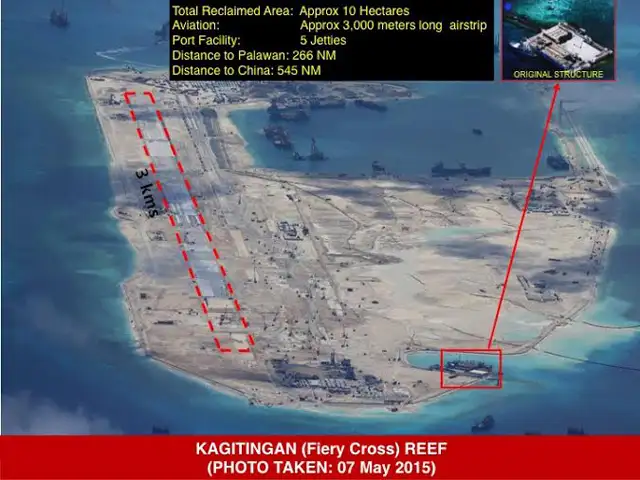
China is said to be building an island at least 3,000 m long on Fiery Cross Reef that could be the site for its first airstrip in the Spratly Islands in the South China Sea.
Noting that the greatest danger is miscalculation rather than a nation deliberately taking aggressive action, he said China should make its strategic intent clear.
He said Australia will resist any aggression in the South China Sea that threatens global trade routes and added that every country in the region should do the same.
Talking about the maiden upcoming bilateral naval exercise, Andrews said it marks a new and important stage in the development of our defence relationship.
"I am keen to see greater opportunities for our forces to work together on exercises such as this in the coming years. But the potential for greater cooperation between our Defence organisations is not confined to the naval sphere.
"We are also slowly seeking to build our bilateral Air Force relationship based on our use of common platforms such as the Hawk, C-17, C-130 and P8 maritime patrol aircraft," he said.
He said that reports predict that by 2050, half of the world's top 20 economies will be in the Indo-Pacific.
"Some also predict that India, China, Indonesia and Japan will be in the top five economies in the world alongside the US. India's own economic growth will be a key driver of energy demand," he said.
He added that while the region is seeing dynamic economic growth, the United States will remain the pre-eminent global power out to 2035, perhaps beyond.
"The China-United States relationship will be a particularly important dynamic in shaping the region.... While some tension is inevitable, both China and the United States have a clear interest in preserving regional stability and security, not the least of course because of their close economic integration," he said.
The visiting Australian Minister, who called for deeper defence ties with "key strategic partner" India, also pitched for a quadrilateral naval exercise with Japan and the US as was done in 2007.
Underlining that Australia recognises India's "critical role" in supporting the security, stability and prosperity of the Indian Ocean region and the stability of a wider, rules-based global order, Andrews said tensions in the Indo-Pacific persist, and in some cases are becoming more acute.
"Territorial disputes continue to risk regional stability and create uncertainty. One issue that has attracted a lot of international attention in recent months is the South China Sea. Australia has a legitimate interest in the maintenance of peace and stability, respect for international law, unimpeded trade and freedom of navigation and overflight in the South China Sea," he said, delivering a lecture at Defence Ministry- run think tank IDSA.
Stressing that all States have a right under international law to freedom of overflight in international airspace, he said all countries should respect this.
"Australia strongly opposes the use of intimidation, aggression or coercion to advance any country's claims or to unilaterally alter the status quo. We are particularly concerned about the possible militarisation of features in the South China Sea," he said.
ADVERTISEMENT
Andrews said Australia encourages practical implementation of commitments under the Declaration on Conduct of the Parties in the South China Sea and urged China and the ASEAN member countries to make early progress on a substantive Code of Conduct for the South China Sea.
Noting that both India and Australia border the Indian Ocean, he said they have a shared interest in the maintenance of freedom of navigation and trade.
"In fact, the world economy is fast becoming reliant upon Indian Ocean trade as its bulk cargo grows. Australia recognises India's critical role in supporting the security, stability and prosperity of the Indian Ocean region and the stability of a wider, rules-based global order.
"This is why Australia views India as a key strategic partner - and there is scope for us to cooperate further on broader global issues," he said.
ADVERTISEMENT
Asked if he would be in favour of a quadrilateral naval exercise as done in 2007, he said, "If indeed quadrilateral opportunities arise in the future, we would be having an inclination to be part of those exercises".
Terming such "relationship" as important, Andrews said this was something that he would discuss with his Indian counterpart Manohar Parrikar.
ADVERTISEMENT
Underlining that India and Australia share history, democratic values and an interest in prosperity and security of the region, Andrews said there was potential for future.
"We will both benefit from a more rules-based global order, which will drive our economic growth. Importantly, we see these opportunities to work more closely in defence to protect the order and encourage that prosperity for both our nations and the broader region, in the future.
"We, therefore, see enormous potential in our bilateral defence relationships, and so look forward to working with India towards achieving these goals," he said.
The visiting Australian Defence Minister welcomed the US military's re-balance to Asia Pacific but made it clear that he does not see China as a threat to Australia.
"At the same time, we believe that best way to maintain the integrity of the global trading system is to abide by international rules based system. So we have said, publicly and privately to China, that is what Australia believes in," he said.
Taking an apparent dig at China, he said turning a reef into a military airport is not in anyway enhancing the security and peace of that region.
China is said to be building an island at least 3,000 m long on Fiery Cross Reef that could be the site for its first airstrip in the Spratly Islands in the South China Sea.
Noting that the greatest danger is miscalculation rather than a nation deliberately taking aggressive action, he said China should make its strategic intent clear.
He said Australia will resist any aggression in the South China Sea that threatens global trade routes and added that every country in the region should do the same.
Talking about the maiden upcoming bilateral naval exercise, Andrews said it marks a new and important stage in the development of our defence relationship.
"I am keen to see greater opportunities for our forces to work together on exercises such as this in the coming years. But the potential for greater cooperation between our Defence organisations is not confined to the naval sphere.
"We are also slowly seeking to build our bilateral Air Force relationship based on our use of common platforms such as the Hawk, C-17, C-130 and P8 maritime patrol aircraft," he said.
He said that reports predict that by 2050, half of the world's top 20 economies will be in the Indo-Pacific.
"Some also predict that India, China, Indonesia and Japan will be in the top five economies in the world alongside the US. India's own economic growth will be a key driver of energy demand," he said.
He added that while the region is seeing dynamic economic growth, the United States will remain the pre-eminent global power out to 2035, perhaps beyond.
"The China-United States relationship will be a particularly important dynamic in shaping the region.... While some tension is inevitable, both China and the United States have a clear interest in preserving regional stability and security, not the least of course because of their close economic integration," he said.
Download
The Economic Times Business News App for the Latest News in Business, Sensex, Stock Market Updates & More.
The Economic Times Business News App for the Latest News in Business, Sensex, Stock Market Updates & More.
Download
The Economic Times News App for Quarterly Results, Latest News in ITR, Business, Share Market, Live Sensex News & More.
The Economic Times News App for Quarterly Results, Latest News in ITR, Business, Share Market, Live Sensex News & More.
Related Articles
 Australia to give regulator more power to pursue Big Tech over under-16 ban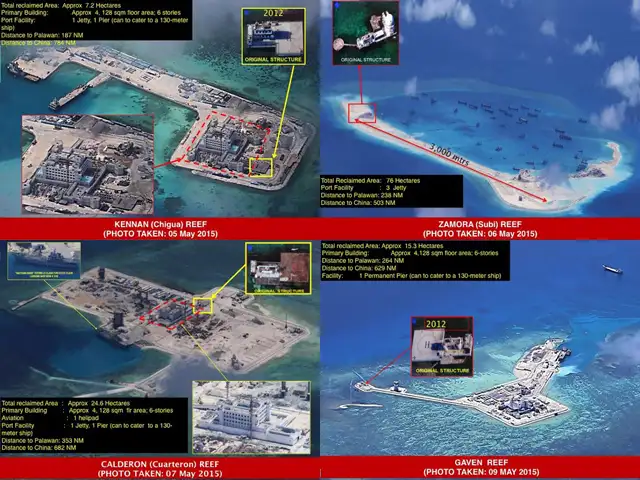
Dipanjan Roy Chaudhury, ET Bureau
India and US discussed the situation in the South China Sea region and measures that could lead to stability in the area with fresh reports of new artificial islands being built by China raising tensions in Southeast Asia.
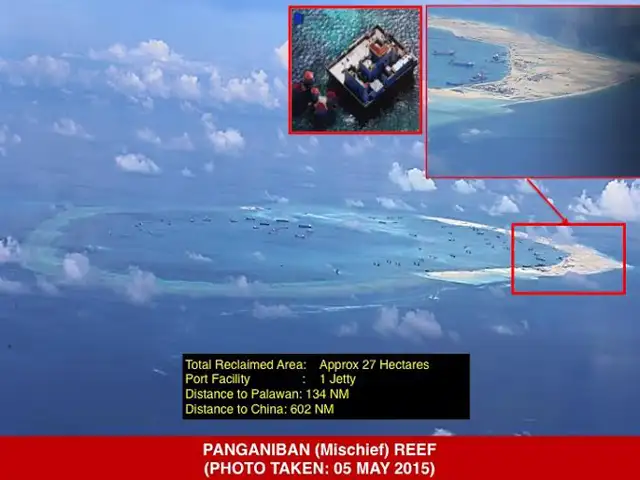
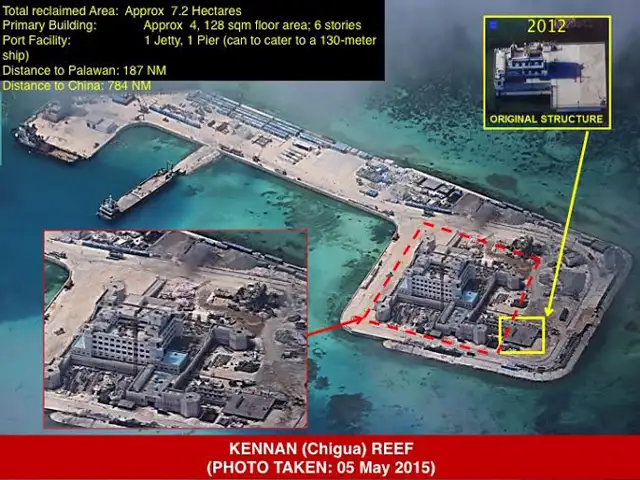
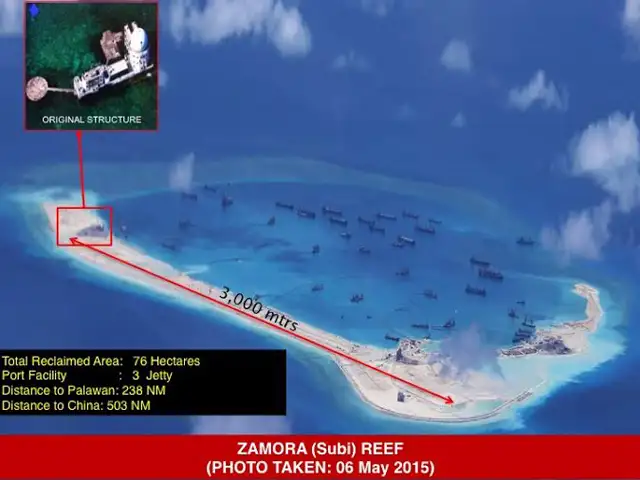
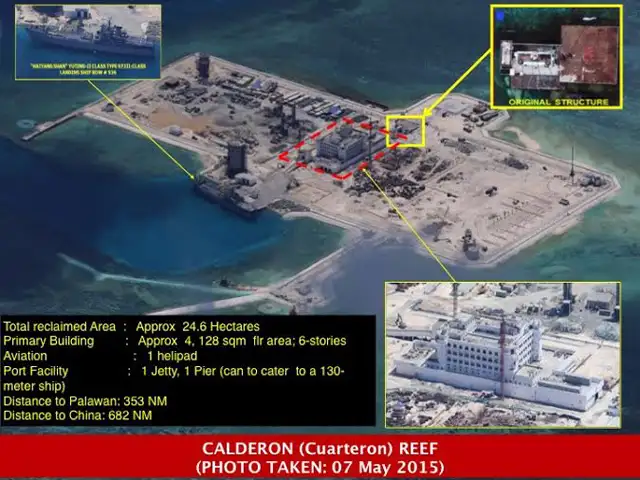
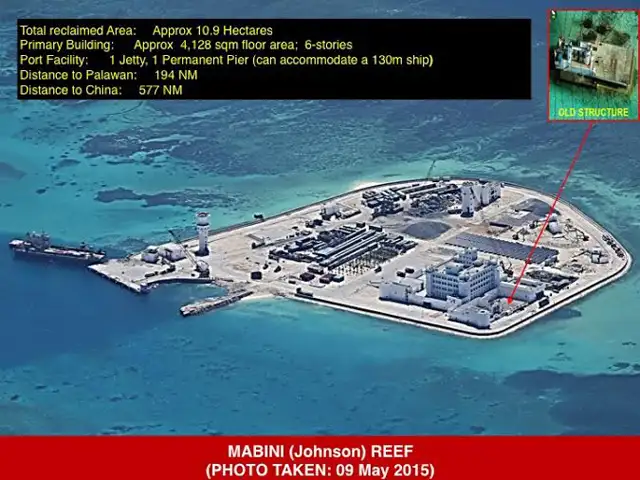
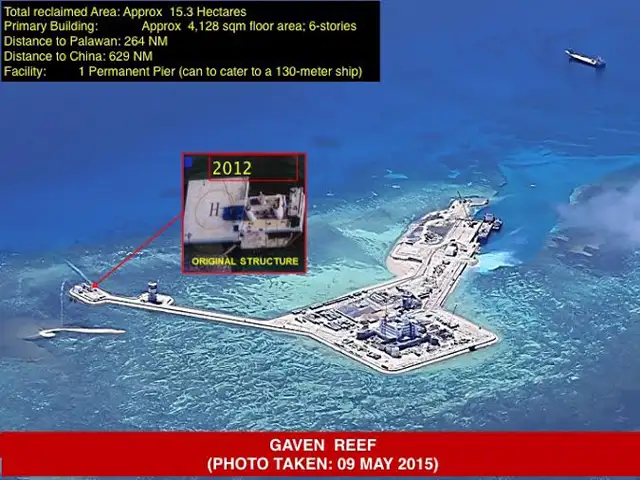
ET is in possession of images, released by Philippines, of new construction activities by China in SCS.
India and US discussed the situation in the South China Sea region and measures that could lead to stability in the area with fresh reports of new artificial islands being built by China raising tensions in Southeast Asia.
ET is in possession of images, released by Philippines, of new construction activities by China in SCS.

ADVERTISEMENT


