
55 years of 1962 war with China
1/8
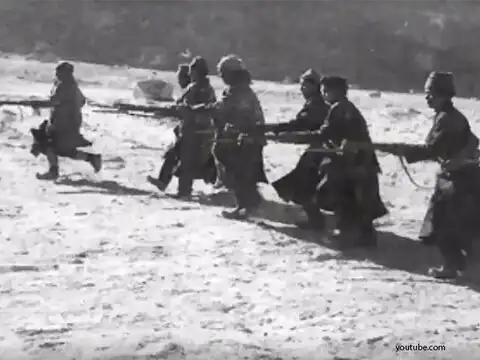
Chinese as the aggressors
The 1962 war as most of us know portrayed Chinese as the aggressors, who ripped apart the "Hindi-Chini bhai-bhai" construct forever. Here's what happened
2/8
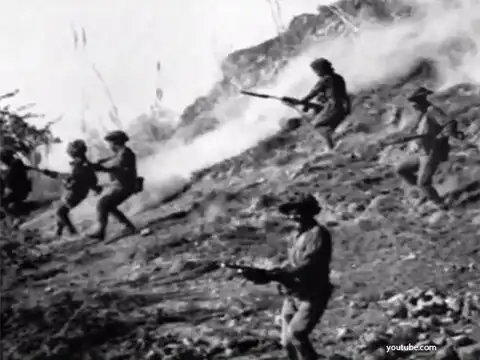
Chinese surprise
The Indians had observed a massive build-up across the border and there had been several encounters between the Indian Army and the Chinese PLA in the days before the main attack. But the sheer coordination of the Chinese attacks on October 20, 1962, and the days that followed stunned the Indian security establishment.
3/8
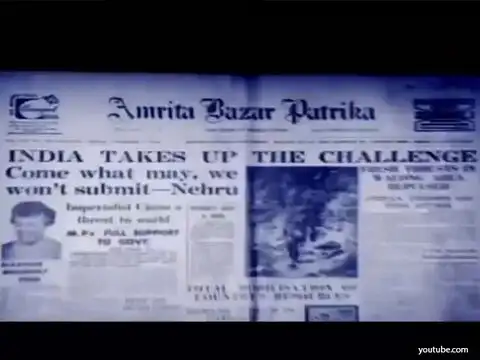
The first fight
According to Brigadier John Dalvi: At exactly 5 on the morning of 20th October 1962, the Chinese Opposite Bridge III fired two Verey lights. This signal was followed by a cannonade of over 150 guns and heavy mortars, exposed on the forward slopes of Thagla.. Thagla Ridge was no longer, at that moment, a piece of ground. It was the crucible to test India's foreign defence policies.
Amazon Top Deals
POWERED BY

Crompton Ozone 75 Litres Desert Air Cooler for home | Large & Easy Clean Ice Chamber | 4-Way Air Deflection | High Density Honeycomb Pads | Everlast Pump | Auto Fill| 3 Year Brand Warranty
₹9,798Buy Now43%
OFF

LG 32 L Convection Microwave Oven (MC3286BRUM, Black, 360° Motorised Rotisserie for Bar-be-queing, 301 Auto Cook Menu, Stainless steel cavity, Indian Cuisine, Tandoor Se, Steam Clean & Diet Fry)
₹18,780Buy Now22%
OFF
4/8
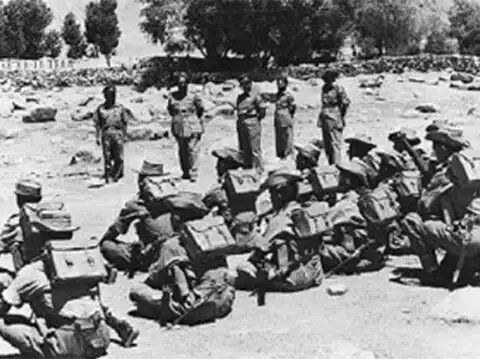
China stayed put
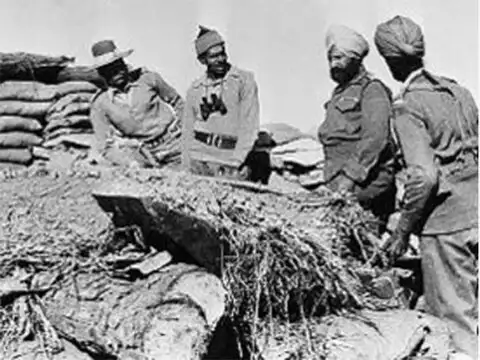
On the western front in Aksai Chin, the fighting was spread out over a swathe of land from north to south, covering a distance of approximately 600 kilometres.
Most of the attacks by the PLA seemed to be confined to dislodging Indian troops from the outposts that had been established as a result of the government's Forward Policy rather than for capturing territory.
The Chinese had no intention to move forward deep into Indian territory, as they did in NEFA (The North-East Frontier Agency).
Most of the attacks by the PLA seemed to be confined to dislodging Indian troops from the outposts that had been established as a result of the government's Forward Policy rather than for capturing territory.
The Chinese had no intention to move forward deep into Indian territory, as they did in NEFA (The North-East Frontier Agency).
5/8
A lesson
Already smarting from the Dalai Lama's escape to India in early 1959 and the bitter exchanges over the Mc-Mahon Line, which it considered to be a "legacy of British imperialism", China decided to teach India "a lesson" it would never forget through the one-month war.
6/8
Political reason
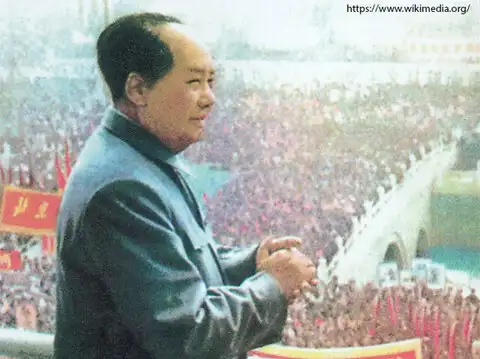
China's late strongman Mao Zedong had launched the 1962 war with India to regain control of the ruling Communist Party after the debacle of his 'Great Leap Forward' movement in which millions had perished.
7/8
The cause
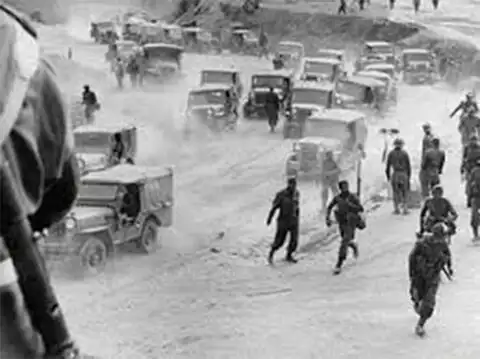
Lack of coordination among the intelligence agencies, shaky credibility of sources, inconsistent intelligence flow are among the key problems pointed out by the inquiry into the 1962 debacle.
8/8
The effect
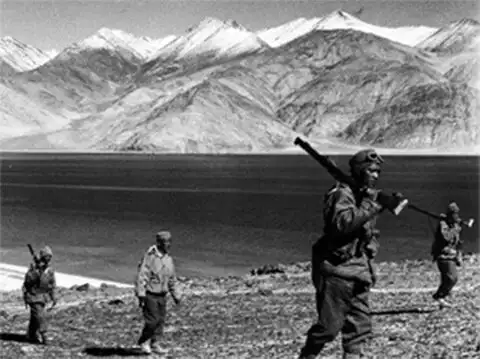
The glaring intelligence failures of the 1962 conflict with China led to massive changes in the security establishment, including the creation of R&AW as a dedicated foreign intelligence agency.