How Ratan Tata is working in intersection between entrepreneurship, tech-led innovation and philanthropy
The intersection between raw entrepreneurship, technology-led innovation, and philanthropy/social good is Ratan Tata’s happy space now.

Recently, when four students from Massachusetts Institute of Technology (MIT) approached Ratan Tata, expressing their desire to work in India and help solve a grassroot-level problem here, Tata did not connect them to the Tata Trusts which together invest Rs 340 crore every year to solve social problems. Instead, he plugged them to Paytm, an e-commerce company in which Ratan Tata made a personal investment this March.
Similarly, R Venkataramanan, the one man who has screened, consulted and led every one of Ratan Tata’s 10 personal investments in startups including six in e-commerce over the past 12-15 months, is not a hot shot investment banker, but a trustee on many of the charitable trusts set up by the Tata Group. Half-a-dozen entrepreneurs who Tata has invested in told ET that Venkatramanan was with Tata in every one of their meetings.
Inside the mind of Ratan Tata, the lines between his work with for-profit entrepreneurship and dizzying valuations in India’s red hot e-commerce space, the desperate and chronic problems that cripple millions of India’s poor, and top-notch research at the world’s most exalted technology labs, do not exist. They are all parts that merge together into one deep purpose that has driven 77-year-old Tata on a furious mission ever since he retired as chairman in December 2012.
This intersection between raw entrepreneurship, technology-led innovation, and philanthropy/social good is Ratan Tata’s happy space now. He has squeezed in almost all of his post-retirement life — except perhaps the frequent Sunday drives in his favourite cars — into the space that falls between the lines that connect these three dots. He is most fulfilled here. There is little he desires outside of this.
“For Tata, this is another innings as a karma yogi,” says Ashok Ganguly, former Hindustan Unilever chairman. Highlyplaced sources who have worked closely with Tata for decades say that in his postretirement avatar, Tata has merely transitioned from a professional entrepreneurial approach into a purpose-led role in backing entrepreneurship technology-led innovations and philanthropy.
Ratan Tata expressed his inability to participate in this story as he was travelling abroad for two months. His ‘happy space’ meetings fall into three categories — working with MIT students, entrepreneurs, and the Tata Trusts. He enjoys all three equally, say sources close to him. Disruptive innovation that can help the underdog — be it the young entrepreneur or India’s poor — is the one thing he zooms in on during all his meetings.
Sense of purpose
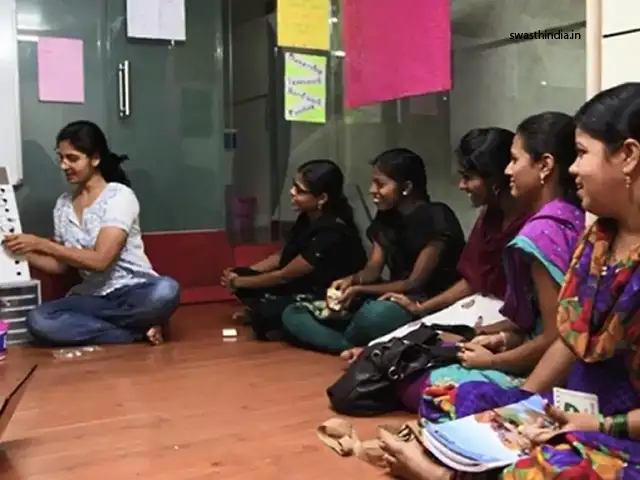
Once Tata is satisfied that a startup or a piece of research, or a charitable grant fits into his happy space, he moves with remarkable speed. “Our first meeting was about meeting and greeting; the second was on how much do you need,” recalls Ankur Pegu, founder, Swasth India, a low-cost healthcare startup that works mostly in interior India. “The third meeting was to collect the cheque.”
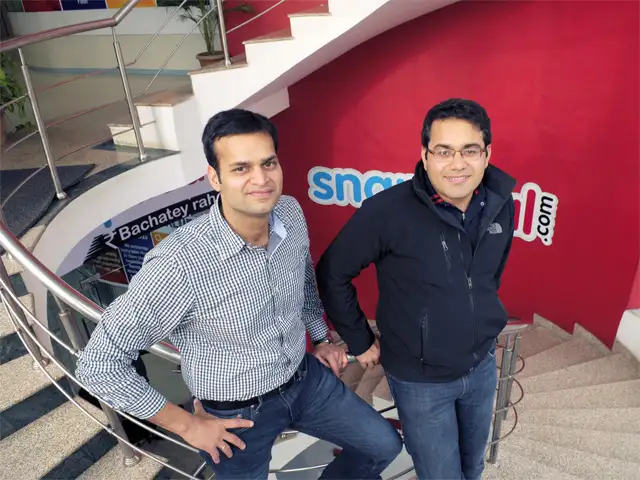
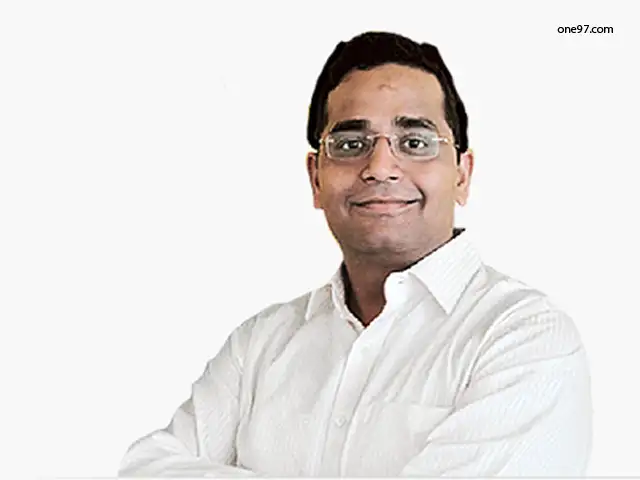
“Tata’s eyes twinkle every time there is a talk on technology,” says National Research Professor RA Mashelkar. “And he will go out of the way to support risk-taking ideas.” Especially from first-generation entrepreneurs who do not have the advantage of a business family behind them. Especially, if their business idea is about solving one of the many problems of India's poor. Especially if it gives the underdog a better chance. Case in point: when Tata recently invested in Snapdeal and Paytm, he was most interested in how these e-commerce firms can help small merchants do better. “He asked us about our vision, mission and purpose,” recalls Vijay Shekhar Sharma, founder & CEO at Paytm (One97 Communications). “Then, Tata said we have a lot of data and we can help SMEs get loans.”
Key themes
Three common themes run across Tata’s engagement with entrepreneurs. First, several entrepreneurs who Tata has funded, say that Tata is keen to back them as underdogs; he is keen to open doors for them and give them every chance to fight and succeed. “What hurts me is that it is still important who your father is, what is your surname and how much power you have,” Tata is reported to have said in a fireside chat with Vani Kola, co-founder of Kalaari Capital, after he joined the venture capital firm as an advisor in February.
Similarly, R Venkataramanan, the one man who has screened, consulted and led every one of Ratan Tata’s 10 personal investments in startups including six in e-commerce over the past 12-15 months, is not a hot shot investment banker, but a trustee on many of the charitable trusts set up by the Tata Group. Half-a-dozen entrepreneurs who Tata has invested in told ET that Venkatramanan was with Tata in every one of their meetings.
 |
This intersection between raw entrepreneurship, technology-led innovation, and philanthropy/social good is Ratan Tata’s happy space now. He has squeezed in almost all of his post-retirement life — except perhaps the frequent Sunday drives in his favourite cars — into the space that falls between the lines that connect these three dots. He is most fulfilled here. There is little he desires outside of this.
“For Tata, this is another innings as a karma yogi,” says Ashok Ganguly, former Hindustan Unilever chairman. Highlyplaced sources who have worked closely with Tata for decades say that in his postretirement avatar, Tata has merely transitioned from a professional entrepreneurial approach into a purpose-led role in backing entrepreneurship technology-led innovations and philanthropy.
Ratan Tata expressed his inability to participate in this story as he was travelling abroad for two months. His ‘happy space’ meetings fall into three categories — working with MIT students, entrepreneurs, and the Tata Trusts. He enjoys all three equally, say sources close to him. Disruptive innovation that can help the underdog — be it the young entrepreneur or India’s poor — is the one thing he zooms in on during all his meetings.
ADVERTISEMENT
Sense of purpose
Once Tata is satisfied that a startup or a piece of research, or a charitable grant fits into his happy space, he moves with remarkable speed. “Our first meeting was about meeting and greeting; the second was on how much do you need,” recalls Ankur Pegu, founder, Swasth India, a low-cost healthcare startup that works mostly in interior India. “The third meeting was to collect the cheque.”
“Tata’s eyes twinkle every time there is a talk on technology,” says National Research Professor RA Mashelkar. “And he will go out of the way to support risk-taking ideas.” Especially from first-generation entrepreneurs who do not have the advantage of a business family behind them. Especially, if their business idea is about solving one of the many problems of India's poor. Especially if it gives the underdog a better chance. Case in point: when Tata recently invested in Snapdeal and Paytm, he was most interested in how these e-commerce firms can help small merchants do better. “He asked us about our vision, mission and purpose,” recalls Vijay Shekhar Sharma, founder & CEO at Paytm (One97 Communications). “Then, Tata said we have a lot of data and we can help SMEs get loans.”
Key themes
ADVERTISEMENT
Three common themes run across Tata’s engagement with entrepreneurs. First, several entrepreneurs who Tata has funded, say that Tata is keen to back them as underdogs; he is keen to open doors for them and give them every chance to fight and succeed. “What hurts me is that it is still important who your father is, what is your surname and how much power you have,” Tata is reported to have said in a fireside chat with Vani Kola, co-founder of Kalaari Capital, after he joined the venture capital firm as an advisor in February.
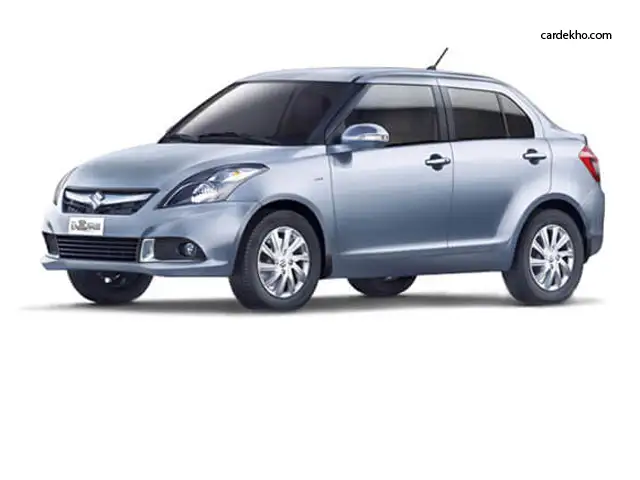
Amit Jain, founder of Jaipur-based Girnar Software, which owns Cardekho, Pricedekho, Bikedekho and Gaadi, says Tata has intentionally helped with sharp advice on international business and deep insight into the mind of the Indian consumer. Tata invested in it this February.
| |
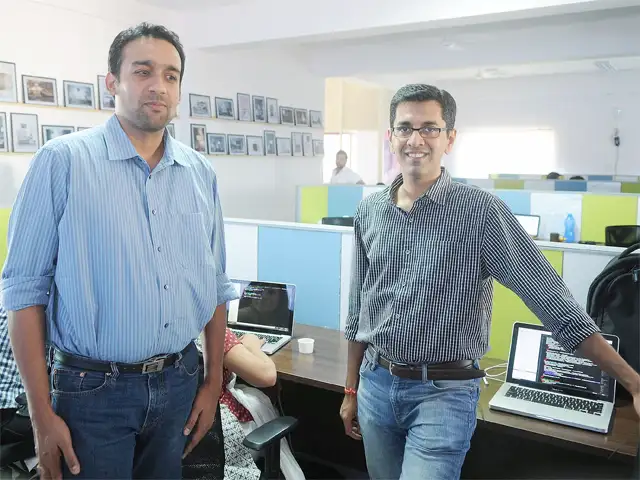
The second theme: Tata always looks for entrepreneurs who have a big vision that can solve a big problem. And he is able to spot this in an entrepreneur in one 60-90 minute meeting. “His questions were not business plan-related, but he was listening more on what our vision was for India and overseas,” recalls Jain. “His is a simple methodology... if he likes the vision he invests.” Lastly, all entrepreneurs who have meet him are touched by his humility. “He does not make you feel uncomfortable. He is very humble and listens very patiently. He makes an effort to understand what you are saying and the problem that you are solving,” says Paytm’s Sharma. “We meet him once a quarter. He is mostly a listener. He is generally very supportive of the entrepreneurial culture,” says Gaurav Singh Khushwaha, founder, Bluestone, an online jewellery retailer in which Tata has invested in.
ADVERTISEMENT
The MentorMashelkar has several stories to tell about Ratan Tata. One of his favourite happened in 2006, when he delivered a talk on ‘Innovation as a Way of Life’ at a Tata Group offsite. Mashelkar then narrated an incident when an American executive asked him a question.
“We don’t hang a person for failing but we do hang them for not taking risks. What do you do in India?” The obvious answer was that we do the reverse here. Everyone in the audience laughed. Tata didn’t. During the break, Tata cornered Mashelkar and asked him about ways of changing the culture in India. Tata took the idea to heart and established the ‘Daring to Try’ award within the Tata Group, and it has developed into the most coveted internal award in the group. This passion and respect for risk-taking has continued into his retirement, and now drives his engagement with entrepreneurs and research students alike.
Ratan Tata had set the tone for his retirement plans even before he stepped down as chairman. In 2010, he led the Tata Trusts to give $50 million to the Harvard Business School, where he had studied business management after his degree in engineering. Daniel Nocera, professor at MIT, got an investment from the Tata Group to commercialise his invention.
ADVERTISEMENT
After his retirement, Tata began to spend a lot of time in the US, specifically at MIT. Ratan Tata has for long been interested in low-cost innovation, something he believed was necessary to change the world. The Tata Nano was after all his idea. He has now pushed even harder at innovating for the poor, and found a good partner at MIT. He funded the frugal engineering centre at this institution.The topics of research at the MIT Tata Centre reflects Ratan Tata’s key interests: nutrition, low-cost housing, sustainable energy and waste management, clean water. Tata spends substantial time there, mentoring students on disruptive innovation, specifically on frugal innovation. He is trying hard to bring a low-cost mindset to MIT. To boot, he is also trying to bring in a MIT-like innovative culture to IIT-B.
ADVERTISEMENT
Tata had started the MIT centre first, but was convinced it needed a partner in India. He approached IIT-B to open a sister centre, which would work with MIT and solve problems of Indian society. IIT-B spent nearly a year in developing a plan, and the Tata Trust last year gave it Rs 95 crore, the highest ever grant for IIT-B. Students work in areas like energy, water, education, housing, and healthcare. “We at Tata Centre focus on exposing students to the problems of society,” says Sanjay Mahajani, IIT-B professor in charge of the Centre. In the meeting with the IIT-B team, Tata made it clear money will not be a constraint for progress. “He believes technology can play a crucial role in solving people’s problems,” says Mahajani.A similar belief drives Tata’s involvement in the XPrize, a multimillion dollar prize in the US for solving big problems. XPrize will launch it in India this year, for solving problems in areas close to Tata’s heart: water, energy, waste management and food and nutrition. Tata believes some of the innovations will come from India for solving the world’s biggest problems.
Stepping back
Over a dozen current and past Tata Group officials ET spoke to say they still interact a fair bit with Tata; but those are more personal equations, not professional conversations. Soon after his retirement, Tata made his intentions to step back very clear. “I am very conscious that I don’t want my shadow hanging over the group, a ghost walking the corridors, someone giving unsolicited suggestions. I don’t consider myself in the coming years to be playing the role of mentor to Cyrus,” he wrote in Tata Review, an internal publication.
Ratan Tata led the Tata Group for five full decades and he will always be available to serve should the group need his counsel. So this might be a strong, even cruel thing to say: Tata’s life after retirement suggests the Tata Group does not fit within his ‘happy space.'
Download
The Economic Times Business News App for the Latest News in Business, Sensex, Stock Market Updates & More.
The Economic Times Business News App for the Latest News in Business, Sensex, Stock Market Updates & More.
Download
The Economic Times News App for Quarterly Results, Latest News in ITR, Business, Share Market, Live Sensex News & More.
The Economic Times News App for Quarterly Results, Latest News in ITR, Business, Share Market, Live Sensex News & More.
Related Articles
 Tata Sons’ board huddle today: What Bombay House has been battling in post-Ratan Tata era2026-05-26T05:58:55Z
- Bombay HC refuses to stay Sir Ratan Tata Trust meeting; Tata Sons board representation on agenda2026-05-07T19:18:01Z
- Tata Sons takes Ratan Tata bungalow on lease in South Mumbai’s Colaba2026-03-11T11:53:07Z
Text: Madhav Chanchani, ET Bureau
Since stepping down from day-to-day responsibilities at the Tata Group, Ratan Tata has notched up 10 investments in startups.
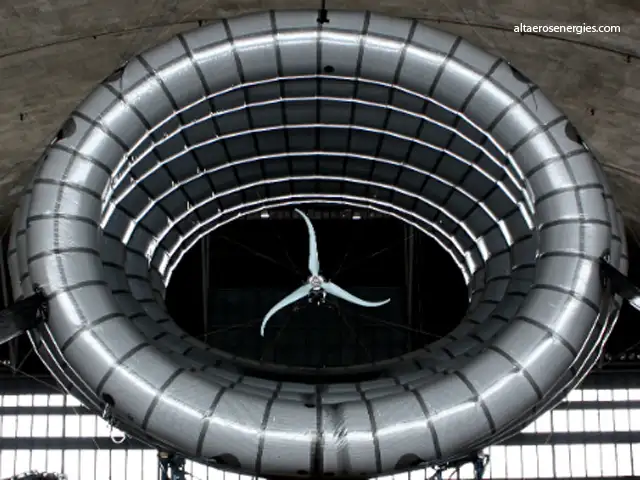
Like the conglomerate, Tata’s personal investment portfolio is also spread across India’s hottest dotcoms, affordable healthcare and clean energy. The investments are typically between Rs 1-5 crore and made through RNT Associates.
Here is a look at his portfolio and how it scores
Since stepping down from day-to-day responsibilities at the Tata Group, Ratan Tata has notched up 10 investments in startups.
Like the conglomerate, Tata’s personal investment portfolio is also spread across India’s hottest dotcoms, affordable healthcare and clean energy. The investments are typically between Rs 1-5 crore and made through RNT Associates.
Here is a look at his portfolio and how it scores