Cyrus Mistry's ouster: This can be a watershed event in Tata Group’s history
The argument that only a couple of Tata companies were keeping the entire group afloat is neither here nor there. It has always been the case.
Updated:

By Rajiv Kumar
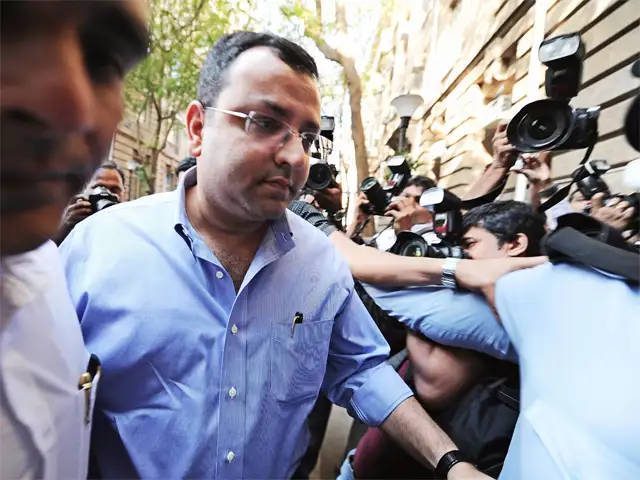
The terse, bland press statement from Bombay House about Cyrus Mistry’s departure left me bewildered. This was worse than any scene from corporate fiction in which the CEO is given the pink slip at the shortest possible notice.
This is most unusual and not in keeping with the reputation of good corporate governance that the Tatas had earned over the past decades.
Also Read: Several decisions by Mistry did not go down well with Tata Trusts
It also may not be that easy for the appointed five-member search committee to find a replacement with solid credentials and a modicum of self-respect. That would, unfortunately, but expectedly, boil the search down to another insider from the community. Will that not be a pity? There can be three possible explanations to this most unusual action.
First, that Mistry genuinely felt that he was not up to the job of shepherding a sprawling conglomerate whose expanse across sectors and geographies defies all attempt at finding an organisational or operational coherence.
This explanation is most unlikely because Mistry did not seem to be a quitter and his exertions over the last four years would also tend to deny this possibility.
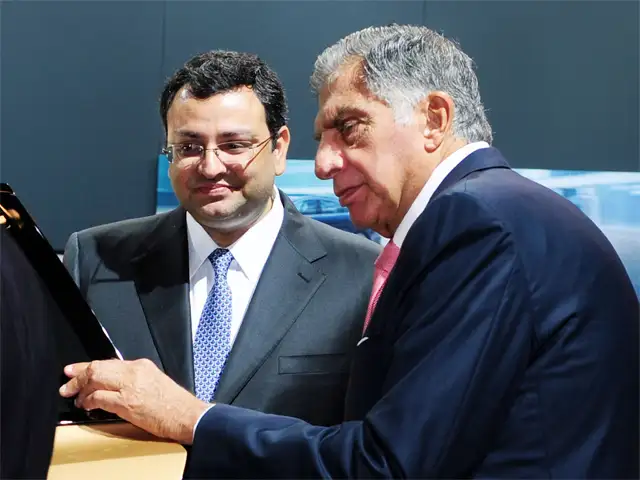
Second, that he was found wanting on performance and was summarily removed from the position by Tata Sons, in which the Tata Trust — still headed by Ratan Tata — and Shapoorji Pallonji hold controlling shares.
Given that nearly all of Tata companies — including the laggard Tata Motors — have seen a rise in their market capitalisation over the past year, the performance according to this visible yardstick could certainly not be faulted.
Other performance criteria are trotted out on the electronic media by current and former Tata PR hacks. These include, 'poor communication style' (sic); indecisive leader qua the back and forth with Tata's steel operations in Britain and Europe; and inability to find the CEO of some Tata companies.
Redrawing Top, Bottom Lines
These are all second-order and weak criteria if they are at all relevant, given that both the top and bottom lines of the group as a whole were doing fine. In business, these are the two principal criteria that should matter.
So for me, the third explanation looks to be the most plausible. This is the traditional case of the Tata Group’s corporate satraps rising against the CEO. With a difference. In that on this occasion, unlike in the case of Russi Mody and Darbari Seth et al versus Ratan Tata, the satraps have won.
There was already news of some of them chafing at Mistry's attempt to make the group leaner and more focused and bringing in external consultants for greater professionalism. The satraps, who are best left unnamed, have pushed back and apparently received the backing of Tata Trust, whose chairman, reportedly, did not have as hands-off an approach as is claimed.
A besieged Mistry, closeted by satraps on one side and the Trust on the other, could well have given the classic CEO ultimatum of 'my way or the highway'. In this case, he was unceremoniously told to get on the bike.
From all accounts, this seems to be a personality-driven outcome — and, hence, neither well-prepared nor well-executed. We could give it the spin of being a clash of opposite cultures. But it would be just that: a spin. After all, Mistry has been on the board of Tata Sons since 2006 and has the genetic inheritance for all the required culture to have been ingrained in him.
In some sense, he was the quintessential Tata man: quiet, understated, focused, a believer in professionalism, and committed to the larger corporate and national cause. In the absence of any explanation from any of the Bombay House reticent denizens, this would appear to be the best conjecture.
This can be a watershed event in the Tata group’s long history. Does a holding company like Tata Sons bring any value to its globally competing constituents?
Ta-ta to Old Style
Even the Japanese Zaibatsus (the pre-World War 2 industrial and financial business conglomerates) or the South Korean chaebols (large family-owned business conglomerates) have changed their functioning to be in sync with globalisation trends and requirements. It is time that Tatas did so as well.
This may also yield some positive externalities as individual Tata companies focus more on product innovation and related R&D rather than try and use the advantage that Bombay House afforded them of being on the inside track of the regulatory regime and nimbly negotiating the Kafkaesque Delhi bureaucracy. This could change the operational model of India Inc.
Three cheers for that prospect.
(The writer is senior fellow, Centre for Policy Research)
The terse, bland press statement from Bombay House about Cyrus Mistry’s departure left me bewildered. This was worse than any scene from corporate fiction in which the CEO is given the pink slip at the shortest possible notice.
This is most unusual and not in keeping with the reputation of good corporate governance that the Tatas had earned over the past decades.
Also Read: Several decisions by Mistry did not go down well with Tata Trusts
It also may not be that easy for the appointed five-member search committee to find a replacement with solid credentials and a modicum of self-respect. That would, unfortunately, but expectedly, boil the search down to another insider from the community. Will that not be a pity? There can be three possible explanations to this most unusual action.
First, that Mistry genuinely felt that he was not up to the job of shepherding a sprawling conglomerate whose expanse across sectors and geographies defies all attempt at finding an organisational or operational coherence.
ADVERTISEMENT
This explanation is most unlikely because Mistry did not seem to be a quitter and his exertions over the last four years would also tend to deny this possibility.
Second, that he was found wanting on performance and was summarily removed from the position by Tata Sons, in which the Tata Trust — still headed by Ratan Tata — and Shapoorji Pallonji hold controlling shares.
Given that nearly all of Tata companies — including the laggard Tata Motors — have seen a rise in their market capitalisation over the past year, the performance according to this visible yardstick could certainly not be faulted.
Other performance criteria are trotted out on the electronic media by current and former Tata PR hacks. These include, 'poor communication style' (sic); indecisive leader qua the back and forth with Tata's steel operations in Britain and Europe; and inability to find the CEO of some Tata companies.
ADVERTISEMENT
Redrawing Top, Bottom Lines
These are all second-order and weak criteria if they are at all relevant, given that both the top and bottom lines of the group as a whole were doing fine. In business, these are the two principal criteria that should matter.
ADVERTISEMENT
Apparently not for Bombay House. The argument that only a couple of Tata companies were keeping the entire group afloat is neither here nor there. It has always been the case.So for me, the third explanation looks to be the most plausible. This is the traditional case of the Tata Group’s corporate satraps rising against the CEO. With a difference. In that on this occasion, unlike in the case of Russi Mody and Darbari Seth et al versus Ratan Tata, the satraps have won.
There was already news of some of them chafing at Mistry's attempt to make the group leaner and more focused and bringing in external consultants for greater professionalism. The satraps, who are best left unnamed, have pushed back and apparently received the backing of Tata Trust, whose chairman, reportedly, did not have as hands-off an approach as is claimed.
A besieged Mistry, closeted by satraps on one side and the Trust on the other, could well have given the classic CEO ultimatum of 'my way or the highway'. In this case, he was unceremoniously told to get on the bike.
From all accounts, this seems to be a personality-driven outcome — and, hence, neither well-prepared nor well-executed. We could give it the spin of being a clash of opposite cultures. But it would be just that: a spin. After all, Mistry has been on the board of Tata Sons since 2006 and has the genetic inheritance for all the required culture to have been ingrained in him.
In some sense, he was the quintessential Tata man: quiet, understated, focused, a believer in professionalism, and committed to the larger corporate and national cause. In the absence of any explanation from any of the Bombay House reticent denizens, this would appear to be the best conjecture.
This can be a watershed event in the Tata group’s long history. Does a holding company like Tata Sons bring any value to its globally competing constituents?
Ta-ta to Old Style
Even the Japanese Zaibatsus (the pre-World War 2 industrial and financial business conglomerates) or the South Korean chaebols (large family-owned business conglomerates) have changed their functioning to be in sync with globalisation trends and requirements. It is time that Tatas did so as well.
This may also yield some positive externalities as individual Tata companies focus more on product innovation and related R&D rather than try and use the advantage that Bombay House afforded them of being on the inside track of the regulatory regime and nimbly negotiating the Kafkaesque Delhi bureaucracy. This could change the operational model of India Inc.
Three cheers for that prospect.
(The writer is senior fellow, Centre for Policy Research)
Download
The Economic Times Business News App for the Latest News in Business, Sensex, Stock Market Updates & More.
The Economic Times Business News App for the Latest News in Business, Sensex, Stock Market Updates & More.
Download
The Economic Times News App for Quarterly Results, Latest News in ITR, Business, Share Market, Live Sensex News & More.
The Economic Times News App for Quarterly Results, Latest News in ITR, Business, Share Market, Live Sensex News & More.
Related Articles
 Chenab bridge: Afcons chief recalls Cyrus Mistry refusing to exit project during 2008 crisis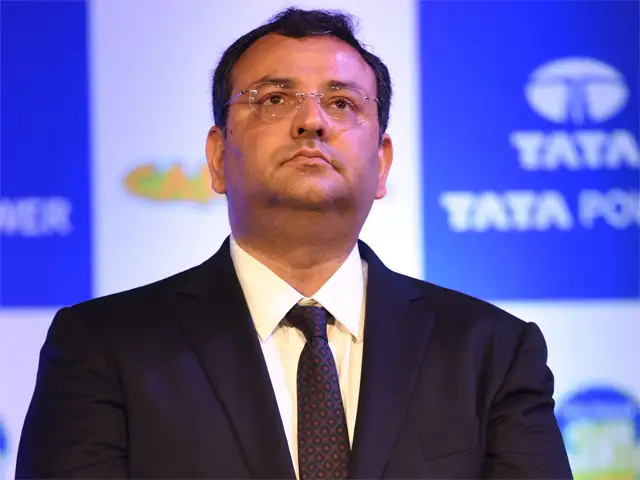
Tata Sons on Monday announced that its Board has replaced Cyrus P Mistry as Chairman of Tata Sons at a meeting held in Mumbai. An insider said, there was an inherent bureaucracy in the system that has gone unchallenged for years.
While Mistry, who would have completed four years at the helm in December, or any others from the group is yet to give out a reason behind this sudden decision, here are our guesses.

ADVERTISEMENT


